
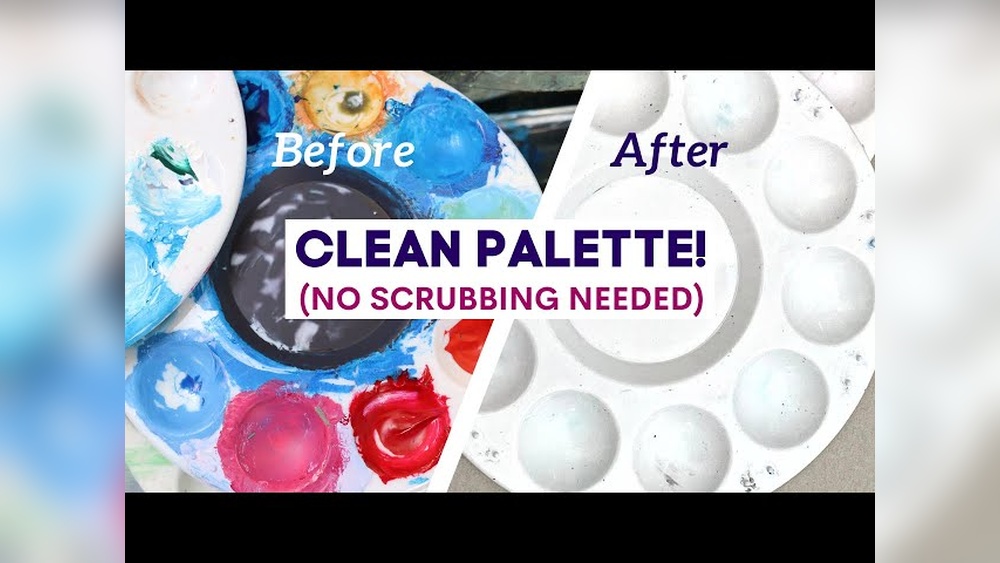
Quick answer: To remove dried paint from a plastic palette, first identify the paint. Dried watercolor and gouache rewet with warm water and a soft sponge. Dried acrylic usually peels off after a 15–30 minute soak in warm, soapy water, and stubborn film comes loose with 70–91% isopropyl alcohol. Dried oil paint needs scraping with a plastic tool plus a little vegetable oil or odorless mineral spirits, followed by dish soap.
A crusted plastic palette looks ruined, but most of the time it isn’t. The method that works depends almost entirely on which paint dried there and what kind of plastic the palette is made from. Get those two facts right and you can remove dried paint from a plastic palette in minutes without scratching, clouding or melting it.
This guide walks through each paint type, the solvents that are safe for common palette plastics, what to do about stains that won’t budge, and the small habits that keep the job from coming back. If your current palette is cracked, warped or permanently stained, our roundup of the best small palettes for detail painting covers replacement options in plastic, porcelain and other materials.
Why Dried Paint Grips Plastic (and Why It Usually Lets Go)
Paint sticks to plastic by mechanical grip, not chemical bonding. Most palette plastics, such as polypropylene and polystyrene, are smooth and low in surface energy, so dried paint sits on top rather than soaking in. That is the reason acrylic can often be peeled off like a sticker once you get an edge lifted.
Two things make removal harder. The first is scratches: every scuff from a metal knife gives paint a tiny groove to lock into. The second is staining pigments, such as phthalo blue, phthalo green and quinacridones, which have very fine particles that can tint the plastic itself. Knowing which problem you have saves a lot of scrubbing.
Check what your palette is made of
Flip the palette over and look for a recycling code. It matters because solvents behave very differently on different plastics.
| Code / plastic | How to recognize it | Isopropyl alcohol | Acetone | Hot water |
|---|---|---|---|---|
| 5 – Polypropylene (PP) | Slightly flexible, waxy feel, usually white or translucent | Safe | Generally resists it for short contact | Tolerates warm water well |
| 6 – Polystyrene (PS) | Rigid, glossy, often crystal clear, cracks if bent | Usually safe, brief contact | Avoid – it softens and clouds | Warm is fine; very hot can warp |
| 2 / 4 – Polyethylene (HDPE, LDPE) | Soft, bendable, matte | Safe | Generally resists it | Warm is fine |
| No code / unknown | Many cheap round palettes and kids’ trays | Spot test first | Avoid | Warm only |
When in doubt, test any solvent on the underside or a hidden corner and wait a minute. If the surface turns tacky, cloudy or soft, stop immediately and switch to soap and water.
How to Remove Dried Acrylic Paint from a Plastic Palette
Acrylic is the most common culprit, and it is also the easiest to remove once it is fully dry, because it forms a flexible plastic film. Work through these steps in order and stop as soon as the palette is clean.
- Soak it. Fill a sink or tub with warm (not boiling) water and a few drops of dish soap. Submerge the palette for 15–30 minutes. Thick puddles of heavy-body paint may need an hour or an overnight soak.
- Find an edge and peel. Use a fingernail, an old credit card or a plastic palette knife to lift the edge of each paint film. Pull slowly and at a low angle. Thick blobs often come away in one piece.
- Scrub the haze. A non-scratch dish sponge or an old toothbrush removes the thin layer that remains in wells and corners.
- Use alcohol for stubborn spots. Wet a paper towel with 70–91% isopropyl alcohol and lay it over the dried paint for 5–10 minutes. Alcohol softens acrylic so it turns gummy and wipes away. Reapply rather than scrubbing hard.
- Rinse and dry. Wash off any alcohol residue with soapy water, rinse and let the palette air-dry.
The freezer trick for thick acrylic
Some painters put a dry palette in the freezer for an hour or two. Cold makes acrylic film stiffer and more brittle, and the plastic and paint contract at different rates, so thick layers sometimes pop off with a gentle flex. It is worth trying on flexible polypropylene palettes. Skip it on rigid, clear polystyrene, which can crack when bent cold.
What about acrylic that has been there for months?
Old acrylic is no harder to remove than week-old acrylic in most cases, because the film doesn’t keep bonding to the plastic. It may simply be thicker. Lengthen the soak, work an edge loose and use alcohol compresses on what’s left. If the paint has filled scratches, accept a faint ghost of color; it won’t transfer to new mixes once the surface is sealed and dry.
Removing Dried Watercolor and Gouache
Traditional watercolor and gouache are bound with gum arabic, which stays water-soluble forever. Dried paint in the wells is not a problem to fix; it is usable paint. Many painters keep a permanent set of dried colors on a plastic palette and simply rewet them.
If you do want a clean surface:
- Spray the area with water and wait two or three minutes for the gum arabic to soften.
- Wipe with a damp sponge or paper towel. Most colors lift in a single pass.
- For tinted mixing areas, a melamine sponge (often sold as a “magic eraser”) used lightly removes the last film. Use it gently, because melamine is a fine abrasive and can dull glossy plastic over time.
Acrylic gouache is different. It looks and handles like gouache, but it dries permanent like acrylic, so treat it with the acrylic method above. The same goes for acrylic inks and fluid acrylics used in a watercolor style.
Removing Dried Oil Paint from Plastic
Oil paint dries by oxidation, and a thick dab can take days or weeks to cure through. That timing changes the approach.
Oil paint that is still soft underneath
If the skin is dry but the inside is still workable, scrape the bulk away with a plastic palette knife, then wipe with a rag dampened with odorless mineral spirits or a few drops of vegetable or baby oil. The oil loosens the paint without harsh solvents. Finish with dish soap and warm water to remove the oily film.
Fully cured oil paint
Cured linseed oil paint is a tough, cross-linked film. Mineral spirits will not dissolve it; they only soften it slightly. On plastic, your best options are:
- A long soak in warm, soapy water, then scraping with a plastic scraper held nearly flat.
- A citrus-based or other gentle paint stripper marketed for artist use, tested first on a hidden spot and kept on for only the time the label allows. Many strippers attack plastics, so read the label for compatibility.
- Accepting a few thin spots. A small amount of cured oil paint is inert and won’t contaminate new mixes.
Plastic is honestly not the best surface for oil painters who let paint sit for days. Glass and sealed wood handle scraping and solvents far better, which leads into the next comparison.
Glass Palette vs Plastic: Which Is Easier to Clean?
If you clean dried paint off palettes regularly, the material you mix on makes a bigger difference than any cleaning trick.
| Material | Dried acrylic | Dried oil | Staining | Weight / portability |
|---|---|---|---|---|
| Plastic | Peels well after soaking | Hard once cured | Can stain with phthalos | Light, travel-friendly |
| Glass (tempered) | Scrapes off with a razor in seconds | Scrapes off with a razor | Does not stain | Heavy, studio use |
| Porcelain / ceramic | Soaks off easily | Scrapes and wipes | Does not stain | Heavy, can chip |
| Paper tear-off | Throw away the sheet | Throw away the sheet | Not an issue | Light |
Porcelain palette vs plastic for watercolor
Watercolorists often prefer porcelain because water forms a smooth, even layer on it instead of beading into droplets, and it never stains. Plastic is lighter and won’t break if dropped. A common middle ground is to keep a plastic travel palette and a porcelain dish for big studio washes.
Plastic Palette Knife vs Metal: Which Should You Scrape With?
This is where many palettes get damaged. A metal palette knife or razor blade is the right tool on glass, but on plastic it gouges the surface, and each gouge becomes a permanent paint trap.
- Use plastic knives, old gift cards or plastic pan scrapers on plastic palettes.
- Use metal only on glass, porcelain and sealed wood, held at a low angle.
- If you must use metal on plastic, keep the blade nearly flat and push only on the paint, not the surface.
Cheap plastic palette knife sets are useful for this even if you mix with metal knives; keep one just for cleaning.
Cleaning Plastic Palette Cups and Small Wells
Deep wells, plastic palette cups and the little round dishes in small plastic paint palettes trap paint in corners where a sponge can’t reach. A few tips help:
- Fill each well with warm soapy water and let it stand rather than trying to scrub dry paint.
- Use a cotton swab dipped in isopropyl alcohol to work around the base of each well.
- An old toothbrush or a soft bottle brush reaches into cups with lids.
- For lidded cups that held oil medium, see the separate steps under the oil section above; never seal a lid over a rag or paper towel soaked in oil.
Dealing with Stains That Won’t Come Out
Sometimes the paint is gone but a colored shadow remains, usually blue, green or magenta. That is pigment lodged in the plastic surface. Options, roughly in order of gentleness:
- A paste of baking soda and a few drops of water, rubbed gently with a soft cloth.
- A light pass with a melamine sponge.
- Isopropyl alcohol on a paper towel left in place for 10 minutes.
- Time in a sunny window; some painters report that UV light fades stains on white plastic over days or weeks, though results vary by pigment.
Avoid bleach on palettes you mix on. It can leave residue and doesn’t reliably remove pigment stains anyway. A stained palette is still perfectly usable. If the tint bothers you when judging mixes, place a sheet of white paper under a clear palette or switch to a non-staining surface.
Common Mistakes That Damage Plastic Palettes
- Boiling water. It can warp thin polystyrene trays and loosen glued-on lids.
- The dishwasher. Heat and harsh detergent can cloud and warp plastic, and paint residue doesn’t belong with dishes.
- Acetone and lacquer thinner. They melt many clear plastics in seconds.
- Steel wool and scouring powder. They leave the micro-scratches that make future paint stick harder.
- Pouring paint sludge down the drain. Let acrylic rinse water settle, pour off the clear water, and let the solids dry into a skin you can put in the trash. Check local rules for solvent disposal.
How to Keep Paint from Drying on the Palette
Prevention takes less effort than any cleaning method.
- Wipe while wet. Acrylic can start to skin in 10–20 minutes on an open palette. A damp paper towel at the end of the session removes it in seconds.
- Use a barrier. Plastic wrap, freezer paper or a sheet from a tear-off pad laid over the palette catches the paint so you can discard it.
- Use a stay-wet setup. A wet palette keeps acrylic workable for hours or days so less of it dries at all. Our guide to what a wet palette is and how it works explains the sponge-and-membrane system.
- Put out less paint. Pea-size amounts, replenished as needed, waste less and dry less.
- Clean on a schedule. A quick routine after each session is easier than a deep clean once a month. Our full palette cleaning guide covers daily and deep-clean routines for every palette type.
How to Remove Dried Paint from Brushes Too
The same chemistry applies to brushes that got left in the cleanup pile. Acrylic in the bristles softens with isopropyl alcohol or a brush cleaner made for acrylic, worked in gently and rinsed. Oil paint loosens with odorless mineral spirits or a soap made for oil brushes. Watercolor rinses out with plain water. Always reshape the bristles and dry brushes flat or tip-down so water doesn’t seep into the ferrule.
FAQs
Does rubbing alcohol remove dried acrylic paint from plastic?
Yes. Isopropyl alcohol at 70–91% softens dried acrylic so it can be wiped or peeled away. Lay a soaked paper towel over the paint for several minutes rather than scrubbing, and test it first on a hidden spot of clear or unmarked plastic.
Can I use acetone on a plastic palette?
Only if you know the palette is polypropylene or polyethylene, and even then sparingly. Acetone dissolves polystyrene and some other clear plastics, leaving them cloudy, soft or pitted. Alcohol and soap are safer choices for almost every situation.
Is dried watercolor on a palette bad?
No. Dried watercolor and traditional gouache rewet with water, so many artists deliberately let their palette dry and reuse the paint. Only remove it if you want a clean mixing area or a fresh start.
Glass palette vs plastic: which is better for acrylics?
Glass is easier to clean because a razor scraper removes dried acrylic in seconds and the surface never stains. Plastic is lighter and cheaper and peels clean after soaking. Studio painters often choose glass, while travel and plein air painters lean toward plastic.
Why won’t the stain come out of my white plastic palette?
Fine, strongly tinting pigments such as phthalo blue and phthalo green can lodge in the surface of the plastic. Baking soda paste, a gentle melamine sponge or an alcohol compress may lighten it. A faint stain won’t affect your new mixes.
Can I put a plastic paint palette in the dishwasher?
It isn’t recommended. Dishwasher heat can warp thin plastic, harsh detergents can cloud it, and paint residue shouldn’t mix with your dishes. Hand washing in warm, soapy water is gentler and just as effective.
Final Thoughts
Match the method to the paint: water for watercolor, a warm soak and alcohol for acrylic, oil and gentle scraping for oil paint. Protect the plastic by skipping acetone, metal blades and boiling water, and most palettes will clean up looking close to new.
If yours is beyond saving, or you want a surface that is easier to keep clean, compare materials and sizes in our guide to choosing a compact palette for detailed work before you buy a replacement.




One Comment