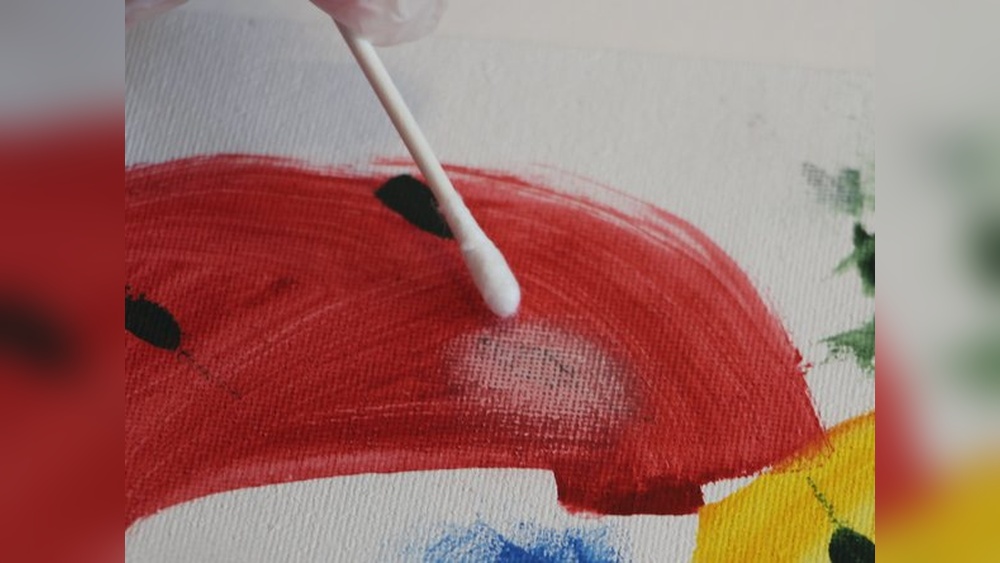
Have you ever spent hours working on a canvas, only to realize a splash of paint has ruined your masterpiece? Or maybe you’ve changed your mind about a color and want to start fresh without wasting your canvas. Learning how to remove paint from canvas can save your artwork and give you a fresh start.
Removing paint from canvas might sound tricky, but with the right methods, you can easily fix mistakes and reclaim your artwork. In this guide, you’ll discover simple, effective ways to remove both wet and dried paint from your canvas. Keep reading, and you’ll learn how to save your art and keep your creativity flowing without frustration.

Credit: www.youtube.com
Types Of Paint On Canvas
Understanding the types of paint on canvas helps choose the right removal method. Different paints have unique properties and react differently to solvents and techniques. Knowing the paint type is the first step in safe and effective removal.
Acrylic Paint
Acrylic paint dries quickly and forms a plastic-like surface. It is water-based, so it softens with water if still wet. Once dry, it resists water and may need alcohol or specialized removers. Acrylic paint is flexible and less likely to crack during removal.
Oil Paint
Oil paint dries slowly and remains soft for days. It binds to the canvas deeply and resists water. Solvents like turpentine or mineral spirits dissolve oil paint effectively. Removing oil paint requires care to avoid damaging the canvas fibers.
Watercolor Paint
Watercolor paint soaks into the canvas fibers and remains delicate. It reactivates easily with water, making removal simpler when fresh. Dry watercolor may be harder to remove without affecting the canvas texture. Gentle washing or blotting works best for watercolors.

Credit: www.ifixit.com
Tools Needed For Removal
Removing paint from canvas requires the right tools. Using proper equipment makes the process easier and protects the canvas. This section covers essential tools for paint removal. These tools fall into three main groups: solvents and chemicals, scrapers and brushes, and cleaning cloths.
Solvents And Chemicals
Solvents break down paint for easy removal. Common choices include rubbing alcohol, acetone, and denatured alcohol. Use gentle solvents for delicate canvases to avoid damage. Test solvents on a small canvas area first. Chemicals like paint removers can work but use them carefully. Always wear gloves and work in a ventilated area.
Scrapers And Brushes
Scrapers help lift paint from the canvas surface. Plastic scrapers are best to avoid tearing the fabric. Metal scrapers can damage the canvas if used roughly. Brushes help scrub off loosened paint. Use soft-bristle brushes to protect the canvas texture. Small detail brushes reach tight spots and edges effectively.
Cleaning Cloths
Cleaning cloths remove loosened paint and solvent residue. Use lint-free cloths to avoid leaving fibers behind. Microfiber cloths work well for gentle wiping. Have several cloths ready for different cleaning stages. Damp cloths help rinse off chemicals without soaking the canvas.
Removing Wet Paint
Removing wet paint from canvas requires quick action to prevent stains. Wet paint is easier to clean than dried paint. Using gentle methods helps protect the canvas texture. Act fast and use the right tools for best results.
Blotting Techniques
Start by blotting the wet paint with a clean cloth. Do not rub, as this spreads the paint. Use a paper towel or soft sponge to absorb excess paint. Replace the cloth often to avoid smearing. Blot gently until no more paint transfers.
Using Soap And Water
Mix mild soap
Removing Dried Paint
Dried paint can be more challenging to remove from canvas, but with patience and the right approach, it is possible. This section will guide you through effective methods to tackle dried paint.
Preventing Future Paint Mishaps
Prevention is key to maintaining the integrity of your canvas. Learn tips and techniques to avoid paint mishaps in the future, ensuring your artwork remains pristine.