Painting on canvas lets you express your creativity, but displaying your artwork outdoors is a whole new challenge. Sun, rain, wind, and pollution can quickly damage a painting if it’s not protected. Many artists want to enjoy their work on patios, balconies, gardens, or even public spaces.
To do this, you need to know how to seal a canvas painting for outdoor display. This process isn’t just about using any spray or varnish; it’s about following the right steps, choosing proper materials, and understanding how weather can affect art.
If you want your painting to last outside, this guide will walk you through everything you need to know.
Why Outdoor Sealant Matters
Indoor paintings are protected from harsh weather, but once outside, a painting faces many risks. Moisture can cause mold or make paint peel. UV rays can fade colors quickly. Temperature changes can make canvas expand and contract, leading to cracks. Even dust and dirt can stick to unprotected surfaces, making cleaning difficult.
A proper sealant acts as a shield, blocking out water, sunlight, and other dangers. It helps your artwork stay bright and strong for years. Without sealing, even the best painting can get ruined in weeks.
Understanding Canvas And Paint Types
Before you start sealing, it’s important to know what kind of canvas and paint you used. This affects which sealant works best.
| Canvas Type | Paint Type | Sealing Needs |
|---|---|---|
| Cotton | Acrylic | Strong UV/water protection |
| Linen | Oil | Breathable, non-yellowing varnish |
| Synthetic | Spray paint | Flexible, weatherproof sealant |
Acrylic paint dries fast and is water-resistant, but not waterproof. Oil paint takes longer to dry and is more sensitive to humidity and temperature. Synthetic canvases can be tougher, but sometimes need special primers. Understanding these details helps you pick the right sealant and method.
Choosing The Right Sealant
Not all sealants are equal. You need one that can stand up to sunlight, rain, and temperature changes. Here are the most popular options:
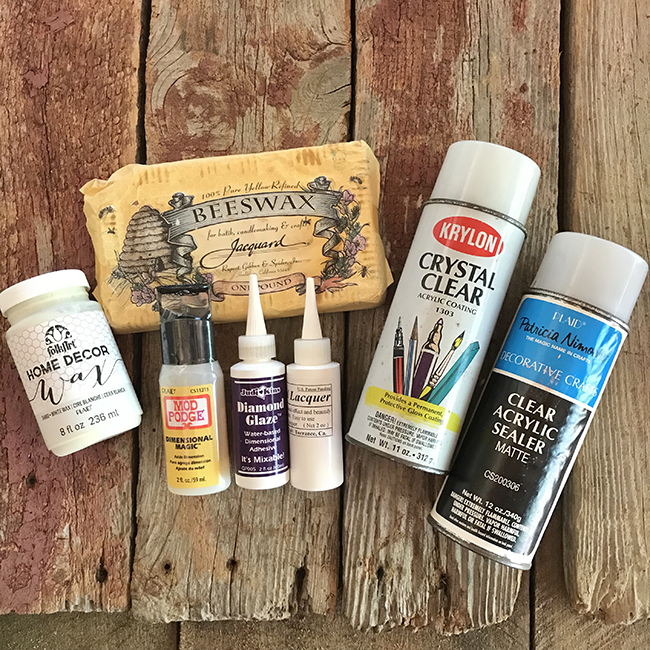
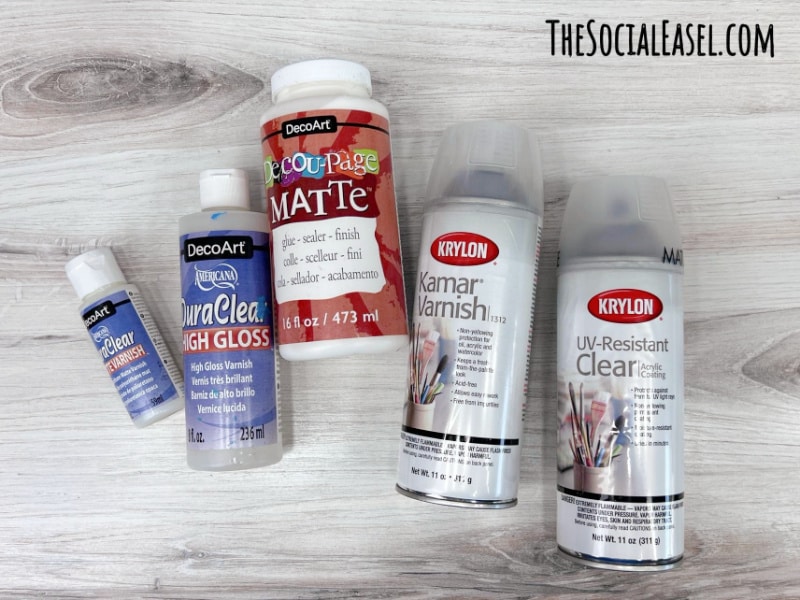
- Acrylic Varnish: These are clear coatings that protect against UV and moisture. They come in glossy, satin, or matte finishes. Many brands make special versions for outdoor use.
- Polyurethane: This creates a hard, waterproof layer. It’s strong but can sometimes yellow over time, so choose a non-yellowing type.
- Epoxy Resin: Offers a glass-like finish and strong protection, but is more complex to apply and expensive.
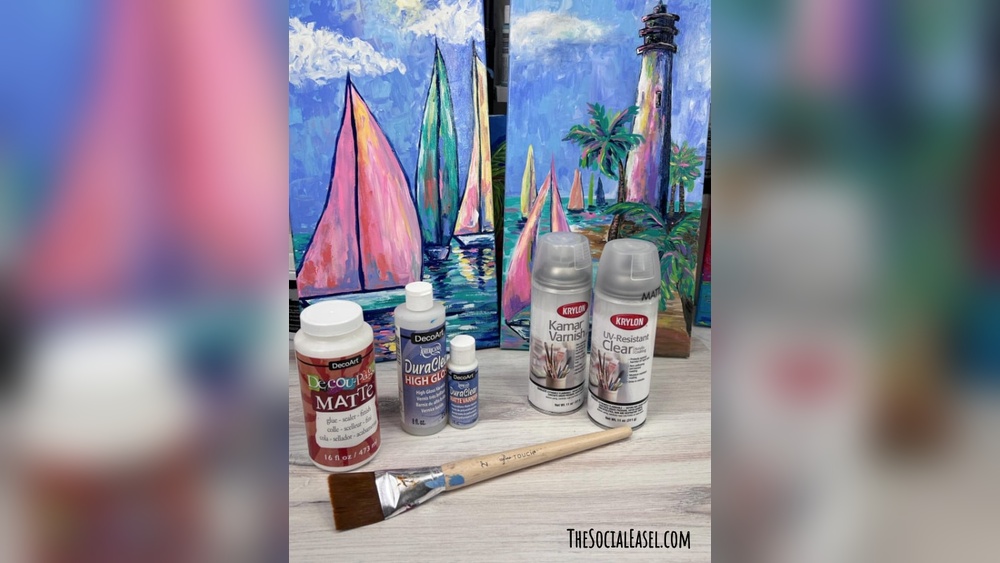
- Spray Sealants: Easy to apply and often fast-drying, but may need several coats for full outdoor protection.
- Marine Varnish: Designed for boats, this is excellent for maximum water resistance. It’s a good choice if your painting will face heavy rain or humidity.
Comparing Sealant Types
Here’s a quick look at how different sealants perform for outdoor canvas:
| Sealant Type | UV Protection | Waterproof | Finish | Durability |
|---|---|---|---|---|
| Acrylic Varnish | Good | Good | Varies | 3-5 years |
| Polyurethane | Medium | Excellent | Glossy/Matte | 5-7 years |
| Epoxy Resin | Excellent | Excellent | High Gloss | 7-10 years |
| Marine Varnish | Good | Excellent | Glossy | 5-8 years |
Insight: Some artists think more coats always mean better protection. But, too many layers can crack or peel, especially with flexible canvases. Follow the manufacturer’s guide for best results.
Tools And Materials Needed
Before starting, gather everything you’ll need:
- Soft brush (for dusting)
- Lint-free cloth (to clean the surface)
- Sealant (choose based on your paint and location)
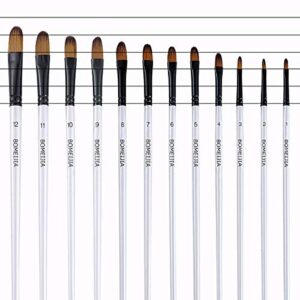
- Wide, soft brush or spray applicator
- Gloves and mask (for safety)
- Drop cloth or old newspaper
- Support board (to keep canvas flat)
- Well-ventilated area
Having these ready avoids last-minute problems and helps you work smoothly.
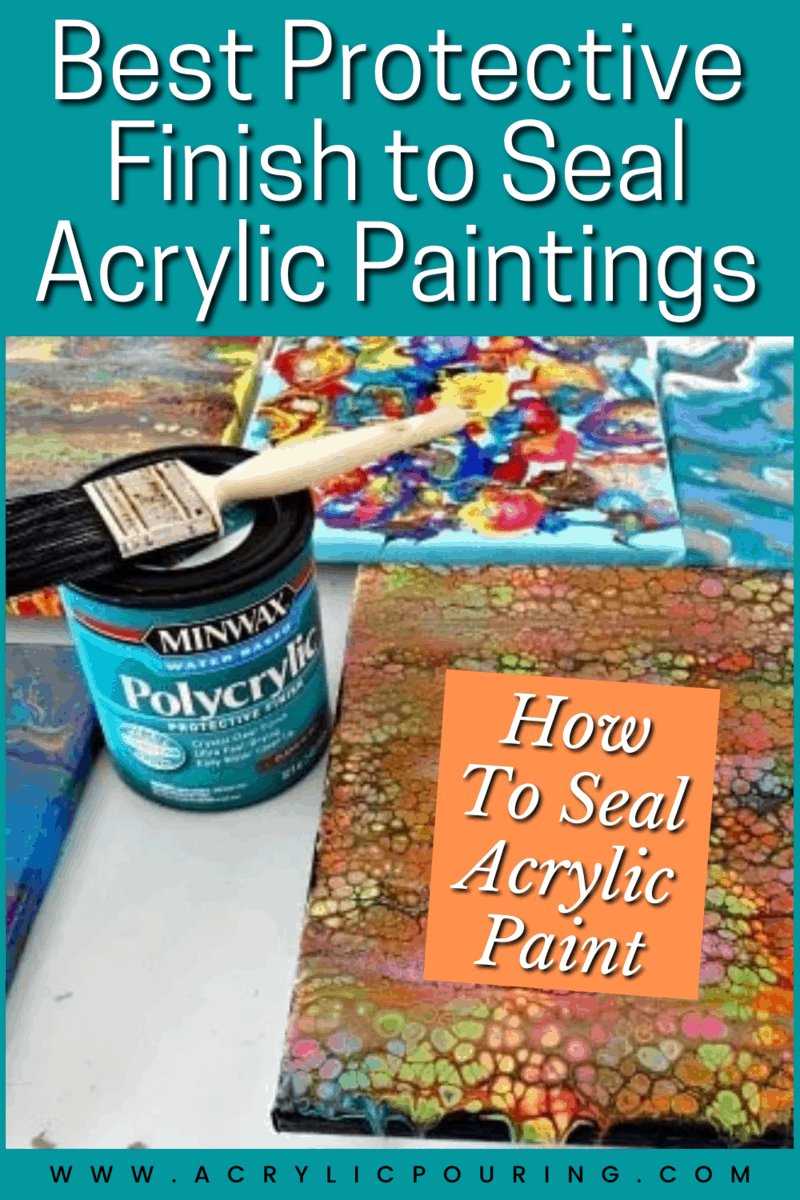
Credit: acrylicpouring.com
Preparing The Painting
Preparation is key for a long-lasting seal. Here’s how to get your canvas ready:
- Wait until paint is fully dry. For acrylics, wait at least 72 hours. For oil, wait 6-12 months. Applying sealant too soon can trap moisture and cause cloudiness.
- Remove dust and particles. Use a soft brush or a lint-free cloth. Even small dust specks can get trapped and show under the sealant.
- Check for loose paint. Gently touch the surface. If you feel any flakes, fix them before sealing.
- Lay the canvas flat. This prevents drips and uneven coverage.
- Protect the work area. Sealants can be sticky and hard to clean if spilled.
Many beginners skip cleaning, but dust and oils from your fingers can cause the sealant to stick poorly or look blotchy.
Step-by-step: How To Seal A Canvas Painting For Outdoor Use
Let’s go through the process from start to finish.
Step 1: Read The Sealant Instructions
Manufacturers often give special advice for each product. Some need shaking or mixing. Others need a certain temperature range. Take a few minutes to read these tips.
Step 2: Test On A Small Area
Always test your sealant on the edge or a scrap canvas. This helps you see if the finish is right and if there are any unexpected reactions.
Step 3: Apply The First Coat
- Brush-on varnish: Dip your brush lightly and apply in even, single strokes. Don’t go back and forth or overwork, as this can cause bubbles.
- Spray varnish: Hold the can about 12 inches away. Spray lightly in one direction, then turn and spray the other way for even coverage.
Let the first coat dry fully. This can take 2-6 hours depending on humidity and product.
Step 4: Add Additional Coats
Most paintings need 2-3 coats for outdoor durability. Let each coat dry before adding the next. If you use too much at once, the sealant may run or dry unevenly.
Tip: Lightly sand between coats with fine sandpaper for a smoother, longer-lasting finish. Wipe off any dust after sanding.
Step 5: Seal The Edges And Back
Outdoor exposure means moisture can sneak in from any side. Brush or spray the edges and the back of the canvas. Even a single coat here adds extra security.
Step 6: Let Cure Completely
Even when the surface feels dry, the inside may still be soft. Wait at least 1-2 days before moving or hanging the painting outside. For resin or heavy-duty varnishes, a full week is safer.
Step 7: Mount The Painting Properly
Use weatherproof hooks or stands. Avoid direct contact with walls or fences that may trap water behind the canvas.
Credit: thegraphicsfairy.com
Common Mistakes And How To Avoid Them
Even experienced artists sometimes make errors. Here are pitfalls to watch out for:
- Sealing before paint is dry: This traps moisture and can cause clouding or yellowing.
- Skipping edge and back sealing: Leaving these areas unprotected lets water in, leading to warping.
- Applying thick coats: Thick layers dry unevenly and may crack.
- Ignoring weather conditions: Applying sealant in very humid or cold weather can slow drying and ruin the finish.
- Not wearing safety gear: Many sealants have strong fumes. Always use gloves and a mask.
How Weather Affects Sealed Canvas
Understanding how different weather harms canvas helps you plan better protection.
- Sun/UV: Fades colors and weakens canvas fibers over months. Choose a sealant with UV blockers.
- Rain/Humidity: Causes mold, swelling, and paint damage. A waterproof sealant is essential.
- Heat/Cold: Fast temperature changes make canvas expand and contract, which can lead to cracks. Flexible sealants help prevent this.
For example, a painting on a sunny porch may fade after one summer without UV protection. In a humid garden, mold and peeling can appear in weeks if the back isn’t sealed.
Maintenance Tips For Outdoor Canvas Art
Sealing isn’t a one-time job. To keep your painting looking fresh:
- Inspect every season. Look for cracks, peeling, or fading.
- Clean gently. Use a soft, damp cloth. Never scrub hard or use chemicals.
- Re-seal as needed. Most outdoor paintings need a new coat every 2-3 years.
- Bring inside during storms. If possible, shelter your art from extreme weather.
Pro Insight: Many artists use a UV-protective glass frame or acrylic case for extra safety, especially for valuable pieces.
Real-world Example
Sarah, a garden artist in California, creates acrylic paintings for outdoor cafes. She uses three thin coats of marine varnish, seals the back and edges, and checks her paintings each spring. Her works stay bright for five years, even with direct sun and rain. She learned early that skipping the back coat led to mold problems—a common mistake.
Cost And Time Estimates
Sealing a medium-size canvas (16×20 inches) for outdoor display usually costs between $10 and $30 for materials. The process (not counting paint drying) takes 2-3 days for multiple coats and full curing.
If you use epoxy resin, the cost is higher (about $40–$60) and the process is more complex, but you get a high-gloss, extra-strong finish.
Comparing Diy Vs. Professional Sealing
Some artists wonder if they should seal their own paintings or pay a pro. Here’s a simple comparison:
| Aspect | DIY Sealing | Professional Sealing |
|---|---|---|
| Cost | $10–$60 | $50–$200 |
| Skill Needed | Basic to Intermediate | None (pro does all) |
| Custom Finish | Yes | Yes |
| Time | 2–3 days | 1–2 weeks |
| Longevity | 3–10 years* | 5–12 years* |
*Depends on sealant type and weather exposure.
Where To Find Quality Outdoor Sealants
Look for art supply stores or hardware shops with a good selection of varnishes. Brands like Golden, Liquitex, Krylon, and Rust-Oleum offer outdoor-rated sealants. Read reviews or ask other outdoor artists for advice.
For more technical details, the American Institute for Conservation offers deep guides on painting care.
Frequently Asked Questions
How Long Will A Sealed Canvas Painting Last Outdoors?
A well-sealed painting can last 3 to 10 years outdoors, depending on the sealant used, weather, and maintenance. UV and water-resistant sealants give the longest life.
Can I Use Mod Podge Or Regular Indoor Varnish For Outdoor Paintings?
No. Mod Podge and many indoor varnishes are not waterproof or UV-resistant enough for outdoor use. Always use products marked for exterior or marine use.
Do I Need To Frame My Outdoor Canvas Painting?
Framing is optional but gives extra protection, especially with UV glass or acrylic. Some artists use outdoor frames or casings for art in public or wet places.
How Do I Clean A Sealed Outdoor Painting?
Gently wipe with a soft, damp cloth. Do not use soap, chemicals, or abrasive pads, as these can damage the sealant.
Should I Seal Both Sides Of The Canvas?
Yes, for best results, seal the front, edges, and back of the canvas. This stops moisture from sneaking in and helps prevent warping or mold.
Bringing your art outdoors is rewarding, but it takes care and the right materials. With these steps, your canvas can stand strong against sun and rain, letting you share your creativity with the world for years to come.
Credit: www.thesocialeaselonlinepaintstudio.com