If you want to create stunning oil paintings, setting up your palette the right way is key. Your palette isn’t just a place to mix colors—it’s the heart of your painting process.
When you organize your paints thoughtfully, you’ll save time, avoid frustration, and unlock more creative freedom. In this guide, you’ll discover simple, practical tips to arrange your oil painting palette like a pro. Whether you’re just starting or looking to improve, these easy steps will help you work smarter and bring your artistic vision to life.
Ready to transform your painting routine? Let’s dive in!
Choosing The Right Palette
Choosing the right palette is a key step in oil painting. It affects your mixing space, paint handling, and overall workflow. The right palette helps you work efficiently and keep colors clean. Consider the type, material, and size before buying or making your palette. These factors influence your comfort and painting results.
Types Of Palettes
Palettes come in many types. The traditional wooden palette is oval or rectangular. It has a thumb hole for easy holding. Glass palettes offer a smooth surface that cleans easily. Disposable palettes use paper sheets for quick cleanup. Stay palettes are reusable and keep paint moist longer. Choose a type that fits your style and workspace.
Material Options
Wood palettes are classic and warm to the touch. They absorb some oil, which can affect paint drying. Glass palettes are non-absorbent and very easy to clean. Plastic palettes are lightweight and cheap but may stain. Ceramic or porcelain palettes are heavy but smooth and durable. Pick a material that suits your budget and painting habits.
Palette Size Considerations
Palette size depends on how much paint you use. Large palettes give space to mix many colors at once. Small palettes are portable and good for quick studies. If you paint outdoors, a compact palette is better. For studio work, a bigger palette helps organize colors clearly. Balance your space and convenience needs to find the right size.

Credit: www.youtube.com
Essential Colors To Include
Choosing essential colors for your oil painting palette is key to a smooth painting process. A well-selected palette helps you mix a wide range of tones easily. It also reduces waste and keeps your workspace organized. Knowing which colors to include can improve your painting experience and results.
Basic Color Selection
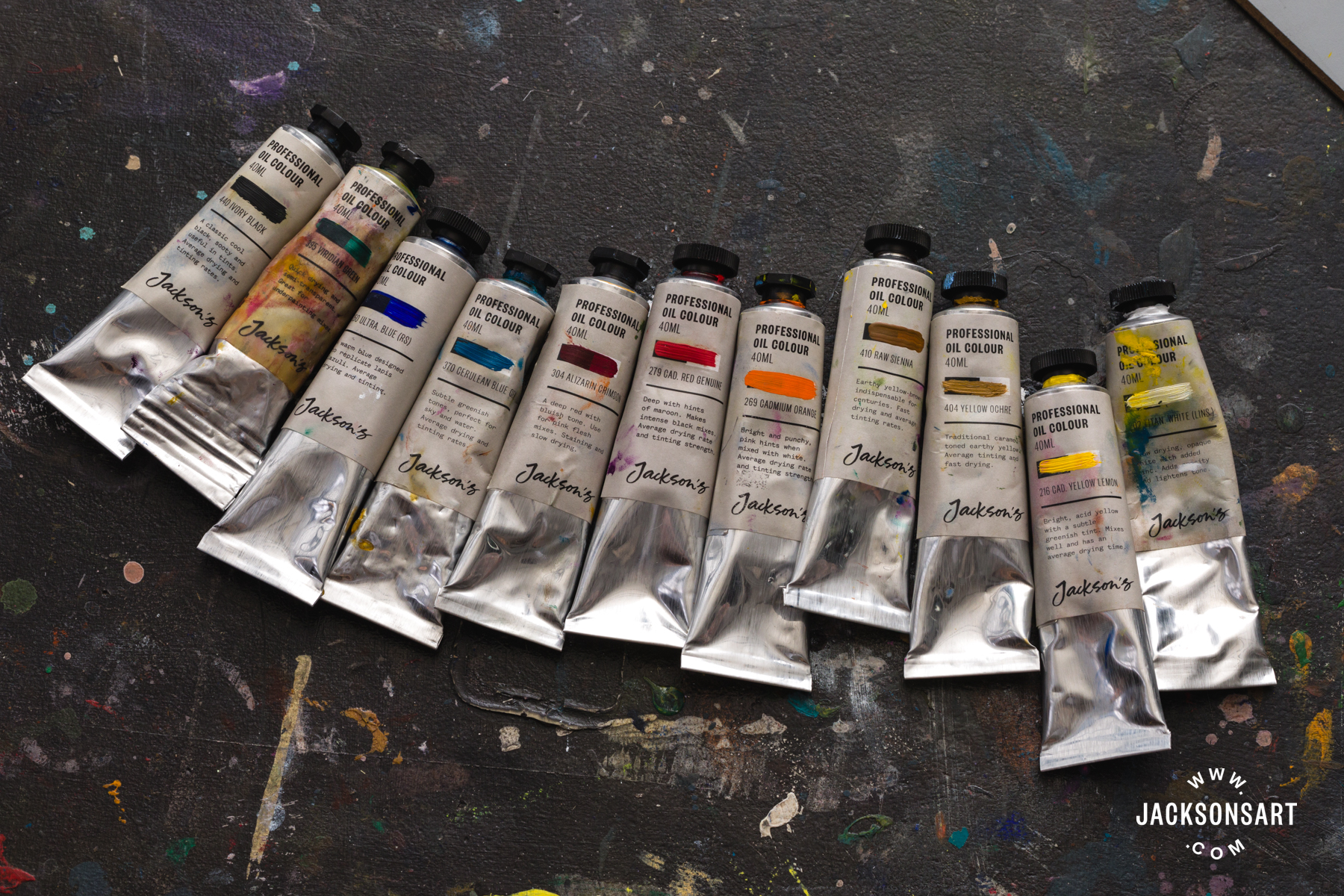
Start with primary colors: red, blue, and yellow. These form the base for most color mixes. Add white for lightening colors and black for darkening. Include a warm and cool version of each primary color. For example, use cadmium red (warm) and alizarin crimson (cool). This variety helps create richer color blends.
Limited Palette Benefits
A limited palette uses fewer colors, usually five to seven. It simplifies mixing and teaches color relationships well. This approach saves money and paint. It also reduces decision fatigue during painting. Limited palettes help maintain color harmony in your artwork. Beginners often find this method less overwhelming.
Expanding Your Color Range
Once comfortable, add more colors to your palette. Earth tones like burnt sienna and raw umber add depth. Bright colors like cadmium orange or cobalt blue add vibrancy. Including a few specialty colors can create unique effects. Always test new colors to see how they mix with others.
Organizing Paint On The Palette
Organizing paint on the palette is essential for smooth oil painting. A well-arranged palette helps mix colors quickly and avoids confusion. It also keeps your workflow clean and efficient. Proper organization saves time and improves your painting experience.
Arranging Colors From Light To Dark
Place your lightest colors on one side of the palette. Arrange darker colors gradually toward the opposite side. This order helps you see and mix colors easily. It avoids muddy mixes and keeps colors vibrant. Start with whites, yellows, then reds, blues, and finally dark browns or blacks.
Separating Warm And Cool Tones
Group warm colors like reds, oranges, and yellows together. Keep cool colors such as blues, greens, and purples in a different area. This separation helps you control temperature in your painting. It also makes color mixing faster and more accurate. You can blend warm and cool tones without mixing them unintentionally.
Keeping The Palette Clean And Accessible
Leave enough space between paint blobs for mixing. Use the center of the palette for blending colors. Clean your palette often during painting to avoid dried paint buildup. Keep your palette tools like knives and brushes nearby. A clean and accessible palette speeds up your painting process and keeps colors fresh.
Mixing Techniques On The Palette
Mixing paint on the palette is a key step in oil painting. It helps create smooth transitions and rich colors. Using the right techniques keeps colors fresh and vibrant. It also prevents common problems like muddy results. Explore simple ways to improve your mixing skills.
Using Mixing Areas
Designate a clean space on your palette for mixing colors. Avoid mixing near pure paint blobs to keep colors clear. Use a palette knife to blend paints smoothly. Work in small amounts to control the color better. Keep this area separate from your main paint spots.
Avoiding Muddy Colors
Mix only two or three colors at a time. Too many colors create dull, muddy tones. Clean your knife or brush between mixes to stop unwanted color blending. Use fresh paint often instead of overmixing old paint. This keeps your colors bright and lively.
Layering Paints Effectively
Start with thin layers of paint on your palette. Build up thicker layers gradually for depth. Use dry or semi-dry paint as a base before adding fresh paint. This technique adds texture and richness to your artwork. Layering also helps colors stand out clearly.
Maintaining Your Palette
Maintaining your oil painting palette keeps your colors fresh and your workspace tidy. A clean palette helps you mix colors clearly. It also saves time in your painting sessions. Proper care prevents paint buildup and damage. Follow simple habits to extend your palette’s life and improve your painting experience.
Cleaning Tips Between Sessions
Wipe your palette with a soft cloth after each painting session. Use a palette knife to scrape off thick paint spots gently. Avoid harsh chemicals that can damage the surface. For stubborn paint, apply a small amount of linseed oil to soften it. Clean your palette regularly to keep colors pure and mixing easy.
Storing Leftover Paint
Cover leftover paint with plastic wrap to prevent drying. Use airtight containers for larger amounts of paint. Store your palette in a cool, dry place away from direct sunlight. This keeps paint usable for your next session. Avoid mixing old paint with fresh colors to keep hues vibrant.
Extending Palette Lifespan
Choose a palette made from durable materials like glass or wood. Avoid leaving paint on the palette for days. Clean it thoroughly after every use. Keep your palette away from extreme temperatures and moisture. Regular care helps your palette last longer and perform better.

Credit: www.masteroilpainting.com
Tools To Enhance Your Setup
Choosing the right tools can make your oil painting palette setup easier and more organized. The right equipment helps mix colors smoothly and keeps your workspace clean. Simple tools improve your painting flow and save time.
Palette Knives And Brushes
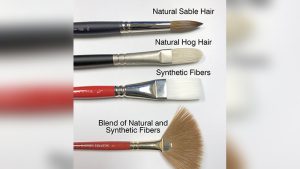
Palette knives help mix paint without wasting it. They are easy to clean and last long. Use different sizes for various mixing needs. Brushes come in many shapes and sizes. Use soft brushes for smooth strokes and stiff ones for texture. Keep your brushes clean to avoid color mixing.
Palette Cups And Mediums
Palette cups hold mediums and solvents safely. They prevent spills and keep your palette tidy. Use small cups for oil mediums and varnishes. Mediums change paint texture and drying time. Choose mediums that suit your painting style. Use them sparingly to keep paint consistency.
Using Easels And Tables Efficiently
Place your palette on a stable table near your easel. This setup saves movement and keeps colors fresh. Adjust your easel height to reduce strain on your neck and back. Keep brushes and tools within easy reach. Organize your space to avoid clutter and distraction.
Common Mistakes To Avoid
Setting up an oil painting palette can be simple. Yet, many artists make common mistakes that slow their progress. Avoiding these errors helps keep your workflow smooth and your colors true. Below are key mistakes to watch out for.
Overcrowding The Palette
Too many colors on the palette cause confusion. Crowding makes it hard to mix clean colors. Leave space between paint blobs. It helps you blend paints easily without muddying them. A neat palette supports better painting control.
Ignoring Color Temperature
Colors have warm and cool tones. Mixing without thinking about temperature makes your painting dull. Arrange warm colors on one side and cool colors on the other. This practice helps you pick and mix colors with better harmony.
Neglecting Fat Over Lean Rule
Oil paints dry at different speeds. The fat over lean rule means applying thicker paint over thinner layers. Ignoring this causes cracks in your painting. Use more oil in upper layers for flexibility. This keeps your artwork durable and smooth.
Tips From Experienced Artists
Experienced artists share valuable tips to help you set up your oil painting palette effectively. Their advice comes from years of working with colors and materials. These insights improve your painting flow and color mixing. Follow these expert tips to enhance your palette setup and enjoy smoother painting sessions.
Personalizing Your Palette
Every artist has a unique way to arrange colors. Choose the colors you use most often and place them in easy reach. Organize your palette from light to dark or warm to cool tones. This setup helps you find and mix colors quickly. Use a palette that fits your style and workspace size. Personal touches make painting more enjoyable and efficient.
Developing Consistent Habits
Create a routine for squeezing out your paints. Keep the same order each time to build muscle memory. Clean your palette regularly to avoid muddy colors. Use separate areas for mixing and pure colors. Consistency saves time and reduces frustration during painting. Habits help you focus more on creativity and less on setup.
Learning Through Practice
Practice mixing colors to understand their behavior. Experiment with different amounts of paint and mediums. Take notes on what works well for your style. Mistakes teach you about color blending and drying times. The more you paint, the better you get at managing your palette. Practice turns setup into a natural part of your art process.
Credit: www.jacksonsart.com
Frequently Asked Questions
What Is The 80/20 Rule In Painting?
The 80/20 rule in painting means 80% of the artwork uses 20% of colors. This creates balance and focus.
What Is The Golden Rule Of Oil Painting?
The golden rule of oil painting is “fat over lean. ” Apply thicker, oil-rich layers over thinner, faster-drying ones to ensure durability and avoid cracking.
How To Arrange A Paint Palette?
Arrange your paint palette by placing colors from light to dark: whites, yellows, reds, blues, and blacks. Squeeze paint at the palette’s edge and spread colors evenly. Keep frequently used colors accessible and organize consistently for efficient mixing and painting.
What Are The Three Rules Of Oil Painting?
The three rules of oil painting are: use fat over lean layers, paint thick over thin, and apply slow-drying colors over fast-drying ones. These ensure vibrant, durable artwork and proper drying.
Conclusion
Setting up your oil painting palette helps you work faster and cleaner. Arrange colors from light to dark for easy mixing. Keep your palette organized to avoid wasting paint. Use a limited number of colors to start simply. Clean your palette regularly to keep paints fresh.
Practice these tips to enjoy painting more each time. Your palette becomes your best tool with care and practice. Try different layouts until you find what feels right. Painting becomes more fun and less frustrating this way.