Painting can transform your home. It adds color and life to any room. But painting is not always easy. Here are some professional painting tips to help you.
Choosing the Right Paint
Choosing the right paint is important. It affects the look and feel of your space. Here are some tips:
- Consider the Room: Different rooms need different paints. Kitchens and bathrooms need moisture-resistant paint.
- Choose the Finish: Paint comes in various finishes. Matte, satin, and gloss are the main ones. Gloss is shiny, while matte is not.
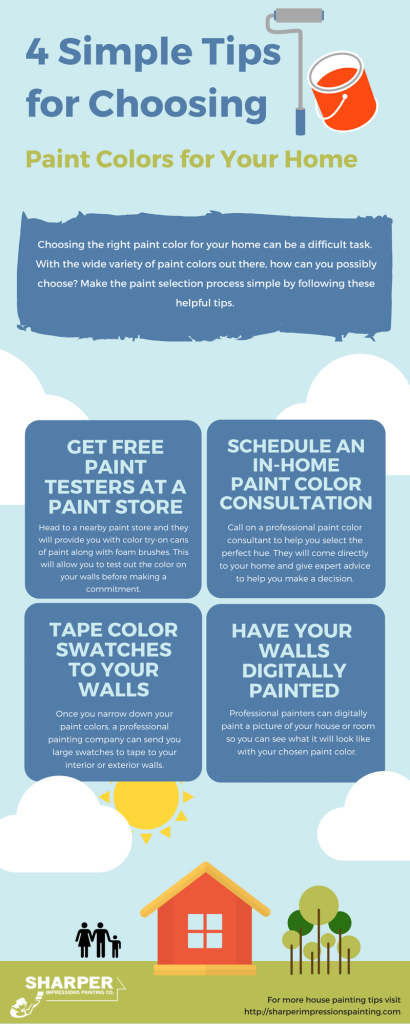
- Pick the Right Color: Test colors on your wall. Look at them in different lights. This helps you pick the perfect shade.
Preparing the Surface
Preparation is key to a good paint job. Follow these steps to prepare your surface:
- Clean the Walls: Dirt and dust can ruin your paint. Clean your walls with soap and water.
- Fix Imperfections: Fill holes and cracks with putty. Sand the surface smooth once it’s dry.
- Use Primer: Primer helps paint stick better. Apply a coat of primer before painting.
Credit: fieldcomplete.com
Gathering the Right Tools
Using the right tools makes painting easier. Here’s what you need:
- Brushes and Rollers: Use quality brushes and rollers. They give a smoother finish.
- Painter’s Tape: Tape helps you paint straight lines. Use it to protect edges and trim.
- Drop Cloths: Protect your floors with drop cloths. They catch any paint spills.
Painting Techniques
Painting like a pro takes practice. Here are some techniques to help you:
- Cutting In: Paint the edges first. Use a brush to cut in along the ceiling and trim.
- Rolling: Use a roller for large areas. Roll in a “W” pattern for even coverage.
- Multiple Coats: Two coats of paint give the best coverage. Let the first coat dry before adding the second.
Cleaning Up
Cleaning up is an important step. Follow these tips to clean up after painting:
- Seal the Paint: Close paint cans tightly. This keeps the paint fresh for future use.
- Clean Brushes and Rollers: Wash brushes and rollers with water or paint thinner. Store them properly for next time.
- Remove Tape: Take off painter’s tape before the paint dries. This prevents peeling.
:max_bytes(150000):strip_icc()/benjamin-moore-2000-3c436e99529a48b99f7c43b14777114d.jpg)
Credit: www.realsimple.com
Final Touches
After painting, add final touches to complete your project:
- Touch Up: Fix any missed spots with a small brush.
- Reattach Fixtures: Put back any light switches, outlet covers, and hardware you removed.
- Enjoy Your Work: Step back and admire your new paint job. You did a great job!
Common Painting Mistakes to Avoid
Even pros make mistakes sometimes. Here are common mistakes and how to avoid them:
| Mistake | Solution |
|---|---|
| Skipping Primer | Always use primer for better coverage. |
| Using Cheap Tools | Invest in quality brushes and rollers. |
| Not Preparing the Surface | Clean and sand the surface first. |
| Applying Thick Coats | Use thin coats for a smooth finish. |
| Painting in Bad Lighting | Paint in good light to see your work clearly. |
Frequently Asked Questions
How To Choose The Right Paint Color?
Consider room lighting, existing decor, and the room’s purpose. Test samples on walls before deciding.
What Are The Benefits Of Primer?
Primer improves paint adhesion, ensures even color, and covers imperfections. It extends the life of your paint job.
How Many Coats Of Paint Needed?
Typically, two coats provide the best coverage and durability. Darker colors or drastic color changes may need more.
What Tools Do Professional Painters Use?
Professional painters use high-quality brushes, rollers, and paint sprayers. They also use drop cloths, painter’s tape, and sandpaper.
Conclusion
Painting can be a fun and rewarding project. With these professional tips, you can paint like a pro. Remember to choose the right paint, prepare your surface, and use the right tools. Practice good techniques and avoid common mistakes. Happy painting!