Are you wondering what surfaces you can use acrylic paint on? Whether you’re a beginner or looking to try new projects, knowing where acrylic paint works best can unlock endless creative possibilities for you.
Acrylic paint is incredibly versatile—it sticks to so many materials, from traditional canvases to everyday household items. Imagine turning old shoes into colorful art, refreshing wooden furniture with a fresh coat, or decorating glass jars with your unique designs. You’ll discover all the surprising surfaces perfect for acrylic paint and tips to make your artwork last longer.
Keep reading to find out how you can bring your creative ideas to life on almost anything!

Credit: www.youtube.com
Traditional Art Surfaces
Acrylic paint works wonderfully on many traditional art surfaces. These surfaces have long been favorites for artists. They hold paint well and offer different textures and effects. Using acrylics on these materials lets artists explore vibrant colors and lasting finishes.
Canvas Varieties
Canvas is the classic choice for acrylic painting. It comes in cotton or linen, each with unique textures. Cotton canvases are soft and affordable, good for beginners. Linen is stronger and smoother, preferred by professionals.
Canvas can be pre-stretched or sold as rolls. Artists often prime it with gesso to protect fibers. Acrylic paint sticks well and dries fast on canvas. It allows for layering and mixing colors easily. The surface’s texture adds depth to the artwork.
Watercolor Paper And Cardboard
Watercolor paper holds acrylic paint surprisingly well. Its thick, absorbent surface prevents paint from soaking through. This paper often has a textured finish, enhancing brush strokes.
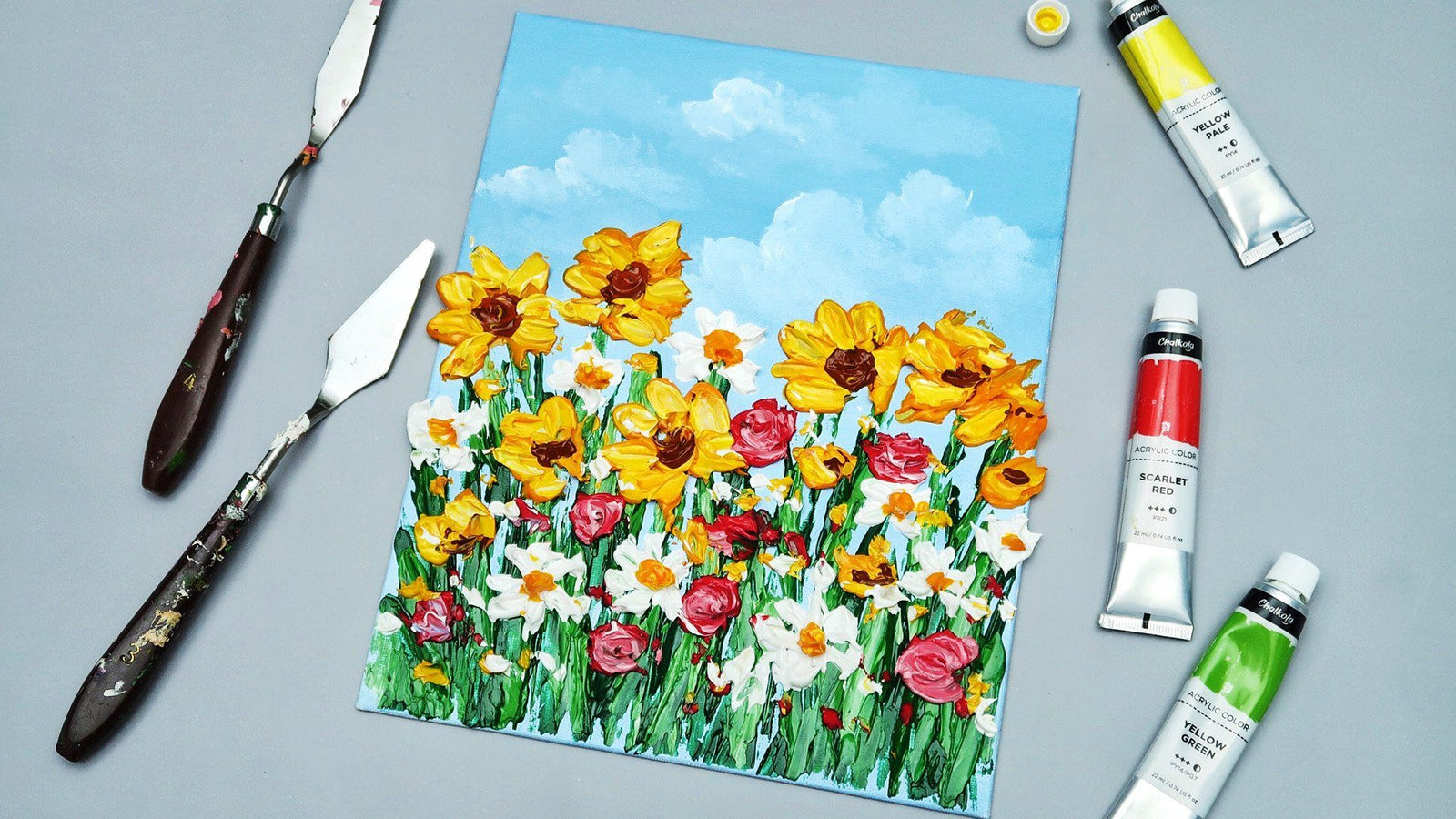
Cardboard is a budget-friendly option for acrylic painting. It must be sealed first to stop warping. Acrylic paint creates bold, opaque layers on cardboard. This surface is great for practice or craft projects.
Credit: www.chalkola.com
Wood Surfaces
Acrylic paint works beautifully on many wood surfaces. It sticks well and dries fast, making wood a popular choice for artists and crafters. You can paint smooth or rough wood, giving you many creative options.
Wood surfaces absorb acrylic paint nicely, showing rich colors and details. Proper preparation, like sanding and cleaning, helps the paint last longer. Let’s explore the types of wood surfaces suitable for acrylic paint.
Wooden Panels And Raw Wood
Wooden panels are flat, smooth boards ideal for acrylic painting. Artists often use them as a sturdy base for detailed work. Raw wood, without any finish, soaks up paint deeply. This creates a textured look that many enjoy.
Before painting, sand the wood to remove rough spots. Wipe off dust to ensure the paint sticks well. You can apply a primer or gesso to seal the wood and improve paint adhesion. This step also prevents paint from soaking in too much.
Furniture And Mdf
Acrylic paint can refresh old furniture and MDF pieces. MDF is smooth and easy to paint, making it perfect for home projects. Clean the surface and sand lightly before painting.
Use acrylic paint to add color or designs to chairs, tables, or shelves. For durability, finish with a clear sealant to protect the paint. Acrylic paint adapts well to the shape and texture of furniture, giving a fresh look.
Fabric And Textiles
Acrylic paint is very versatile for decorating fabric and textiles. It bonds well to many fabric types, creating vibrant, lasting designs. You can customize items easily with acrylic paint and a fabric medium for softness and durability.
Painting on fabric lets you refresh old clothes or make unique gifts. Acrylic paint works best when mixed with a fabric medium. This mix prevents cracking and keeps the fabric soft. After painting, heat setting the design helps it last through washes.
Canvas Shoes And Denim
Canvas shoes are perfect for acrylic paint projects. The paint sticks well and adds color without stiffening the fabric too much. You can create patterns, images, or text to personalize your shoes.
Denim also holds acrylic paint nicely. Use it on jeans, jackets, or bags for cool, custom looks. The paint shows up well on denim’s rough texture and stays bright over time.
Cotton Clothing And Aprons
Cotton is a natural fabric that works great with acrylic paint. It absorbs the paint well, making colors vivid and sharp. Aprons and t-shirts made of cotton are popular choices for painting.
Painted cotton clothing allows you to express creativity and style. Remember to use fabric medium with acrylic paint for flexibility. Heat set the paint to keep designs safe from washing out.
Household Items And Crafts
Acrylic paint is a versatile option for decorating household items and crafts. It sticks well to many surfaces, making it perfect for creative projects around the home. You can refresh old objects or personalize gifts with bright, lasting colors.
Using acrylic paint on everyday items gives them a new look. It also protects surfaces and adds texture. Many crafters enjoy how easy it is to work with acrylics on different materials.
Glass Jars And Plastic Containers
Glass jars and plastic containers become colorful storage or decoration pieces with acrylic paint. Clean the surface first for better paint grip. Acrylic paint dries fast and stays vibrant on glass and plastic.
Use thin layers and let each dry to avoid peeling. You can create patterns, solid colors, or detailed designs. Sealing the paint with a clear acrylic spray helps it last longer on these smooth surfaces.
Terracotta Pots And Ceramics
Terracotta pots and ceramic items take acrylic paint beautifully. These porous surfaces absorb paint, allowing rich and even coverage. Paint your flower pots to brighten your garden or home.
Ceramic plates, mugs, or tiles can also get a fresh look. For outdoor pots, choose acrylic paint with weather-resistant qualities. Finish with a clear sealer to protect your artwork from water and sunlight.
Natural And Miscellaneous Items
Acrylic paint works well on many natural and unusual items. It sticks firmly and dries fast. This makes it great for creative projects beyond paper or canvas. Some natural objects become unique art pieces when painted with acrylics.
These items include rocks, dried leaves, metal, concrete, and leather. Each surface needs a little care for the paint to hold. Acrylic paint can brighten and protect these materials. The results often surprise with their beauty and texture.
Rocks And Stones
Rocks and stones offer a sturdy canvas for acrylic paint. Their rough texture adds interest to simple designs. Clean the rock surface before painting to remove dirt and dust. Use a primer for better paint adhesion, especially on smooth stones. Acrylic paint resists fading and water, perfect for outdoor decorations. Painted stones can become garden markers or paperweights.
Dried Leaves, Metal, And Concrete
Dried leaves are delicate but paint well with acrylics. Use thin paint layers to avoid cracking. Metal surfaces need cleaning and sometimes sanding to help paint stick. Apply a metal primer for longer-lasting results. Concrete is porous and absorbs paint easily. Seal it first to prevent paint from soaking in too much. Acrylic paint on concrete can brighten patios or flower pots. All these surfaces allow for creative, colorful designs.
Leather
Leather takes acrylic paint surprisingly well. Choose flexible acrylic paints made for leather or mix with a fabric medium. Clean the leather to remove oils and dirt. Paint thin coats to keep the leather soft and flexible. After drying, seal with a clear acrylic sealer. Painted leather items like shoes or bags become unique and personal. This method is popular for custom fashion and crafts.
:max_bytes(150000):strip_icc()/acrylic-painting-tips-for-beginners-2578746_FINAL1-db49ec52ac9f443db880ea31b4cae6e9.png)
Credit: www.thesprucecrafts.com
Mixed Media Applications
Mixed media art combines different materials and techniques in one piece. Acrylic paint works very well with other art supplies. It adds color, texture, and depth to mixed media projects. Artists enjoy using acrylics because they dry fast and stick to many surfaces. This makes acrylic paint perfect for exploring creative ideas and layering effects.
Layering Acrylics
Acrylic paint is great for building layers. You can apply one color, let it dry, then add another on top. Each layer adds richness and detail to your artwork. The paint’s quick drying time means you do not wait long before adding new layers. This technique creates complex images with vibrant colors and interesting textures. Layering also helps you correct mistakes or change your design easily.
Paper Collage And Texture Mediums
Acrylic paint sticks well to paper and collage materials. You can glue pieces of paper, fabric, or other items onto your surface. Then, paint over or around them with acrylics. This adds texture and variety to your art. Texture mediums mix with acrylic paint to create thick, raised surfaces. These mediums let you add patterns or shapes that stand out. Both collage and texture mediums expand your creative options with acrylic paint.
Preparation And Finishing
Preparation and finishing are key steps for successful acrylic painting. They help paint stick well and last longer on various surfaces. Proper preparation improves the look and durability of your artwork. Finishing protects your painting from damage and fading over time.
Priming Surfaces
Priming creates a smooth base for acrylic paint. It helps paint stick better and prevents it from soaking into the surface. Use a white or clear acrylic gesso to prime wood, canvas, or paper. Apply one or two thin coats with a brush and let it dry completely. Priming is essential for rough or porous surfaces. It also brightens colors and improves paint flow. Without primer, the paint may crack or peel later.
Sealing And Protecting Artwork
Sealing protects your finished painting from dust, moisture, and UV damage. Use a clear acrylic varnish in spray or brush-on form. Choose glossy, matte, or satin finish based on your style. Apply varnish only after the paint is fully dry, usually after 24 hours. Apply thin, even coats and let each dry before adding more. Sealing also enhances color vibrancy and adds a professional touch. Proper finishing keeps your acrylic artwork looking fresh for years.
Tips For Best Results
Achieving great results with acrylic paint depends on proper technique and preparation. Simple steps can improve your painting experience and final outcome. Focus on cleaning, the right tools, and colors to make your artwork stand out.
Surface Cleaning And Preparation
Start by cleaning the surface to remove dust and grease. Use a damp cloth or mild soap for stubborn dirt. Allow the surface to dry completely before painting. For smooth surfaces, lightly sanding helps paint stick better. Priming the surface can improve paint adhesion and color vibrancy.
Choosing The Right Brushes And Tools
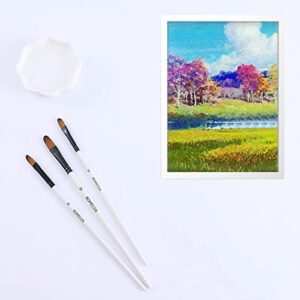
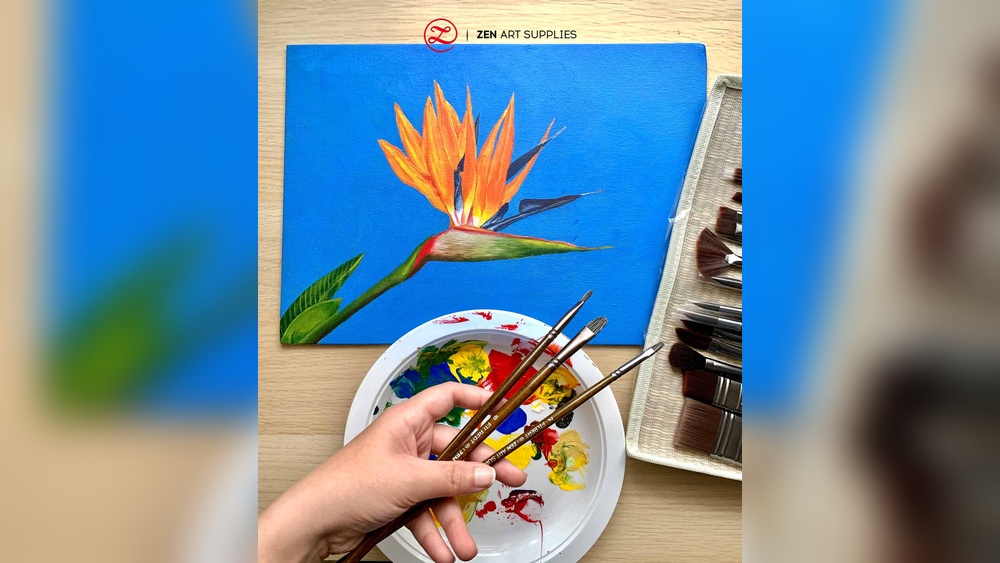
Select brushes based on your painting style and surface type. Synthetic brushes work well with acrylic paint and last longer. Use flat brushes for broad strokes and round brushes for details. Palette knives create texture and interesting effects. Clean brushes promptly with water to keep them in good shape.
Color Selection And Mixing
Pick colors that match your vision and project. Test colors on a small area before starting. Mix colors on a palette for custom shades. Use a limited palette to keep color harmony. Acrylic paint dries quickly, so mix only what you need. Add water or acrylic medium to adjust paint thickness.
Frequently Asked Questions
What Surfaces Can Acrylic Paint Be Used On?
Acrylic paint works well on canvas, wood, paper, metal, fabric, glass, plastic, ceramics, stone, leather, and concrete. Clean surfaces ensure better adhesion. Use primer or sealant for durability on non-porous surfaces. This versatility suits both traditional art and crafts.
Can You Paint Acrylic On Anything?
Acrylic paint adheres well to most clean, porous, or semi-porous surfaces like canvas, wood, metal, glass, plastic, and fabric. Use a primer or sealant for better durability on non-porous materials. It suits traditional art and crafts on surfaces such as leather, stone, and concrete.
When Not To Use Acrylic Paint?
Avoid acrylic paint on non-porous, flexible, or heat-exposed surfaces like plastic toys or outdoor metal without primer. Do not use it for airbrushing or where ingestion risk exists. Avoid sanding acrylic paint as it may release harmful dust.
What Are 5 Things Acrylic Is Used For?
Acrylic is used for painting on canvas, creating signage, making display cases, crafting sculptures, and producing lighting panels.
Conclusion
Acrylic paint works well on many surfaces like canvas, wood, and paper. It sticks easily to metal, glass, and even fabric with proper preparation. You can create art on stone, brick, and plastic too. Its quick drying time helps you finish projects faster.
Acrylic paint offers vibrant colors that last long. Experiment with different materials to see what you like best. This paint is a versatile choice for creative projects of all kinds. Keep your tools clean to ensure smooth painting every time.
Enjoy exploring the many surfaces acrylic paint can brighten.