Painting is a powerful way for teenagers to express their thoughts and emotions. It gives them space to be creative, to relax, and to build confidence. But sometimes, it’s hard to know where to start, especially if you’re new to painting or you want simple ideas that don’t require expensive materials. The good news is: you don’t need to be a professional artist to make something beautiful. With a few easy painting ideas and some practical tips, any teenager can start painting today and enjoy the process.
This guide is designed to help teens discover easy painting ideas that are fun, simple, and perfect for beginners. You’ll find project suggestions, advice on materials, and tips to avoid common mistakes. Whether you want to paint for fun, decorate your room, or even give a personalized gift, you’ll find inspiration and guidance here.
Why Painting Is Great For Teenagers
Painting offers more than just a way to pass time. It has real benefits for teens, such as:
- Stress relief: Painting helps you relax and forget worries for a while.
- Self-expression: You can show your feelings and ideas through colors and shapes.
- Improved focus: Following painting steps trains your attention.
- Confidence: Finishing a painting gives a sense of achievement.
- Fine motor skills: Holding a brush and making different strokes improves hand control.
Many teens also use painting as a healthy break from social media and screens. It can become a lifelong hobby or even a part of your future career.
Basic Materials You’ll Need
You don’t need expensive tools to start painting. Here are the basics:
- Paint: Acrylic or watercolor paints are best for beginners. They’re affordable and easy to clean.
- Brushes: Get a small set with different sizes and shapes (flat and round are most useful).
- Paper or Canvas: Thick paper (like watercolor paper) works well. Small canvases are also good if you want to hang your art.
- Palette: For mixing colors. You can use a plastic plate or even an old tray.
- Cup of Water: For cleaning brushes.
- Paper Towels: For drying brushes and cleaning up.
- Pencil and Eraser: For sketching your design first.
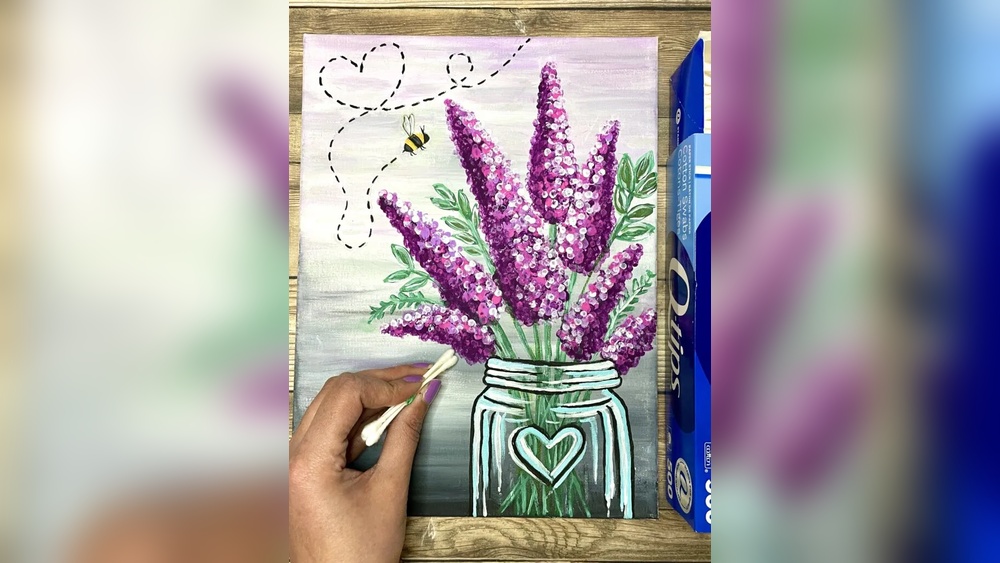
If you want, you can also use things like sponges, cotton swabs, or old toothbrushes to make fun textures.
15 Easy Painting Ideas For Teenagers
Let’s look at fifteen painting ideas that are simple, creative, and perfect for any skill level. Some can be finished in one hour, and many use things you already have at home.
1. Abstract Color Blocks
Paint large shapes in different colors. There’s no need to be exact—just choose colors you like and fill the space. Abstract art is about feelings, not perfect lines.
2. Silhouette Scenes
Paint a sunset or a gradient sky, then add a simple black silhouette, like a tree, mountain, or animal. This looks dramatic but is easy to do.
3. Galaxy Backgrounds
Galaxy paintings are popular because they look impressive but are simple. Blend blue, purple, and black paints, then add white dots for stars.
4. Simple Floral Patterns
Paint single flowers or small groups using basic shapes. Start with a circle for the center and add petals. Use a small brush for details.
5. Geometric Designs
Use tape to make triangles or squares on your paper. Paint each section a different color. Remove the tape when dry for sharp lines.
6. Quote Art
Paint a simple background, then write your favorite quote with a brush or marker. This is great for decorating your room or giving as a gift.
7. Minimalist Landscapes
Draw a simple hill, tree, or sun. Use just a few colors and shapes. Minimalist art is about keeping it simple.
8. Fruit Still Life
Pick a fruit like an apple or banana. Place it in front of you and try to paint what you see. This helps you practice observation.
9. Ocean Waves
Blend blue and white paints to create the look of water. Add foam with a dry brush. This is relaxing and looks beautiful.
10. Mandala Patterns
Draw a circle, then fill it with repeating shapes and colors. Mandalas can help you relax and focus.
11. Animal Faces
Sketch a simple animal face—like a cat or panda—and paint it with basic colors. Use outlines to keep it neat.
12. City Skyline
Paint a colorful sky, then add simple building shapes in black. This is a great way to practice straight lines.
13. Cactus In A Pot
Paint a cute cactus with a bright pot. Add details like spikes or flowers for personality.
14. Drip Painting
Let paint drip down your canvas. Tilt it to control the flow. This technique makes unique patterns every time.
15. Cloudy Skies
Use a sponge or brush to dab on white paint for fluffy clouds. Blend the edges into a blue background.
How To Choose The Right Painting Idea
Selecting what to paint can be hard, especially if you feel stuck. Here are some tips to help you pick:
- Interest: Choose a subject that excites you. If you love animals, try painting pets or wildlife.
- Skill Level: Start with simpler ideas and move to more detailed ones as you improve.
- Purpose: Think about why you want to paint. Is it for stress relief, decoration, or a gift?
- Available Materials: If you only have a few colors, pick ideas that don’t need many shades.
If you feel overwhelmed, start with abstract or geometric designs. They’re hard to “mess up” and build your confidence.
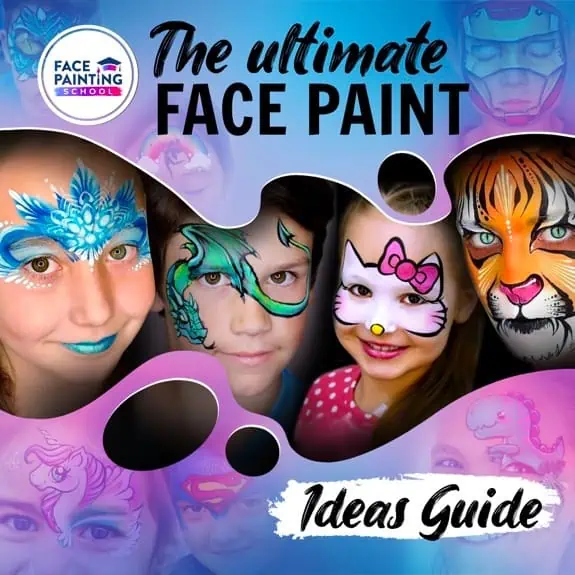
Credit: facepaintingschool.com
Step-by-step Guide: Painting Your First Artwork
Let’s walk through a simple painting project—creating a galaxy background with a silhouette.
- Sketch the Silhouette: Lightly draw a simple shape, like a tree or city skyline, at the bottom of your page.
- Wet the Paper: If you’re using watercolors, wet the sky area with clean water.
- Blend the Colors: Dab on blue, purple, and black paint. Let the colors mix naturally. Don’t worry if it looks messy at first.
- Add Stars: When dry, flick white paint onto the sky with a toothbrush to make stars.
- Paint the Silhouette: Fill your sketched shape with black paint.
- Final Touches: Add extra highlights or stars as you like.
This project teaches blending, layering, and using both light and dark colors. You can use this process for many other painting ideas, too.
Common Painting Mistakes Teenagers Make
Learning to paint is fun, but it’s normal to make mistakes. Here are some common problems and how to fix them:
- Using Too Much Water: If you use watercolors, too much water can make colors pale and paper wrinkly. Try less water at first.
- Overworking the Paint: Going over the same spot too much can tear the paper or mix colors into brown. Let layers dry before adding more.
- Ignoring Clean Brushes: Paint can get muddy if you don’t clean your brush between colors.
- Skipping the Plan: Jumping in without a sketch can make your painting look unplanned. Lightly sketch first.
- Not Letting Paint Dry: If you paint over wet layers, colors mix in ways you might not want. Wait for layers to dry.
Painting Techniques Made Easy
There are many ways to use a brush and paint. Here are a few simple techniques that help your art look better:
- Dry Brush: Use little paint and no water to make rough, textured lines.
- Wet-on-Wet: Add color to a wet surface for smooth blending.
- Dabbing: Tap the brush or sponge for soft textures, like clouds or leaves.
- Layering: Let one color dry, then paint over it for clean shapes and details.
- Splattering: Flick the brush for fun effects, like stars or rain.
Try each technique on a scrap piece of paper first. This way, you know what to expect before using it on your main painting.
How To Make Your Painting Unique
It’s easy to compare your art to others, especially on social media. But remember: the best art shows your own style. Here are ways to make your paintings stand out:
- Use Unusual Colors: Paint a purple tree or a pink sky if you feel like it.
- Mix Materials: Add marker outlines or stick on paper shapes for mixed media.
- Personalize: Paint your pet, your favorite place, or a scene from your imagination.
- Add Texture: Use salt, sand, or even tissue paper for interesting surfaces.
Experimenting is part of learning. Don’t be afraid to try new things and make mistakes.
Displaying And Sharing Your Art
After you finish your painting, you can:
- Hang it in your room for daily inspiration
- Give it as a gift to a friend or family member
- Share online in teen art groups or on social media (if you’re comfortable)
- Make cards or bookmarks from small paintings
If you want to keep improving, ask for honest feedback from people who support you. Many online communities, such as those listed on Artists Network, offer advice and support for young artists.
Comparing Paint Types For Beginners
Choosing the right paint can make your first projects easier. Here’s a quick comparison:
| Paint Type | Ease of Use | Drying Time | Best For |
|---|---|---|---|
| Acrylic | Very Easy | Fast (10-30 min) | Bold colors, room art |
| Watercolor | Easy | Medium (30-60 min) | Soft effects, greeting cards |
| Gouache | Moderate | Fast (15-30 min) | Opaque, vibrant projects |
Acrylics are the most forgiving—they cover mistakes and dry quickly. Watercolors are fun for blending and soft scenes but need thicker paper.

Credit: www.clare.com
Simple Ways To Save Money On Art Supplies
Art supplies can get expensive, but you don’t need to buy everything at once. Here are some tips:
- Buy starter sets or look for sales at local stores
- Use old jars or plates instead of palettes
- Cut large paper into smaller pieces for practice
- Swap supplies with friends to try new things
Sometimes, you can even find leftover art materials at school or community centers.
What To Do If You Feel Stuck
Every artist feels blocked sometimes. If you don’t know what to paint, try:
- Copying a famous artwork with your own twist
- Painting the view from your window
- Using a prompt, like “paint something that makes you happy”
- Switching materials or colors
- Taking a short break and coming back later
Remember, painting is about enjoying yourself, not being perfect.
Comparing Different Brushes And Their Uses
Different brushes help you create different effects. Here’s a simple guide:
| Brush Type | Shape | Best For |
|---|---|---|
| Round | Pointed Tip | Details, lines |
| Flat | Square End | Large areas, sharp edges |
| Fan | Spread Bristles | Blending, textures |
| Detail | Tiny Tip | Tiny details, highlights |
A small set with round and flat brushes is all most beginners need.
Inspiring Examples From Teenage Artists
Some of the most creative paintings come from teens who try new things. For example:
- A 14-year-old painted a series of abstract faces using only red and blue.
- A group of teens made a mural in their school hallway, each painting a different style.
- Another teen painted pet portraits to raise money for animal shelters.
You don’t have to copy these ideas, but they show that simple projects can have big impact.
Practical Painting Tips For Teenagers
- Protect your clothes with an old shirt or apron.
- Work in a well-lit space.
- Close paint tubes tightly so they don’t dry out.
- Take short breaks to rest your eyes and hands.
- Clean brushes right after painting—dried paint is hard to remove.
- Don’t worry about mistakes. Every painting teaches you something new.
Frequently Asked Questions
What Is The Easiest Painting Idea For Beginners?
Abstract color blocks or simple geometric designs are the easiest. You don’t need to draw detailed shapes, and you can focus on having fun with color.
How Can I Make My Painting Look Better?
Start with a simple sketch, use clean brushes, and let each layer dry. Add highlights and shadows for depth, and don’t rush. Practice is the best way to improve.
Can I Use Normal Paper For Painting?
You can start with thick printer paper, but special watercolor or acrylic paper works better. Thin paper can wrinkle or tear when wet.
How Do I Choose Colors That Look Good Together?
Try using a color wheel. Pick colors next to each other for harmony, or opposite for contrast. Many free color tools are available online to help you plan.
What Should I Do If I Don’t Like My Finished Painting?
Don’t throw it away! Let it dry and paint over it, or cut it into shapes for collage. Every painting is a chance to learn and experiment.
Painting is a journey, not a race. With these easy painting ideas for teenagers, you have everything you need to start creating art that’s personal, fun, and rewarding. Remember: your style is unique, and every brushstroke brings you closer to the artist you want to become.

Credit: feelingnifty.com