
Quick answer: Use canvas panels for studies, plein air work, small paintings, detailed techniques, and anything you plan to frame behind glass or store flat, because they are rigid, thin, and inexpensive. Use stretched canvas for larger finished pieces, gallery-wrapped work hung without a frame, and loose, energetic brushwork that benefits from the fabric’s slight bounce. Many painters keep both and choose by size, purpose, and how the painting will be displayed.
The canvas panels vs stretched canvas question usually gets framed as “which is better?” A more useful question is “which one suits this painting?” Each surface handles differently under the brush, ages differently, and asks for different preparation, framing, and storage.
This guide focuses on practical use: how each surface behaves, how to prepare and paint on it, how to display it, and which situations favor one over the other. A comparison table and a quick decision checklist are included.
What Each Surface Actually Is
Canvas panel (canvas board)
A canvas panel is primed cotton canvas glued to a rigid backing, typically a dense cardboard or, in higher-grade versions, hardboard, MDF, or wood. The fabric wraps around the edges and is glued on the back. Panels are usually around 1/8 inch thick.
People use “canvas panel” and “canvas board” interchangeably in stores. Some makers use “board” for cheaper cardboard-backed versions and “panel” for wood or hardboard backing, but there is no strict industry rule. Check the backing material listed on the package.
Stretched canvas
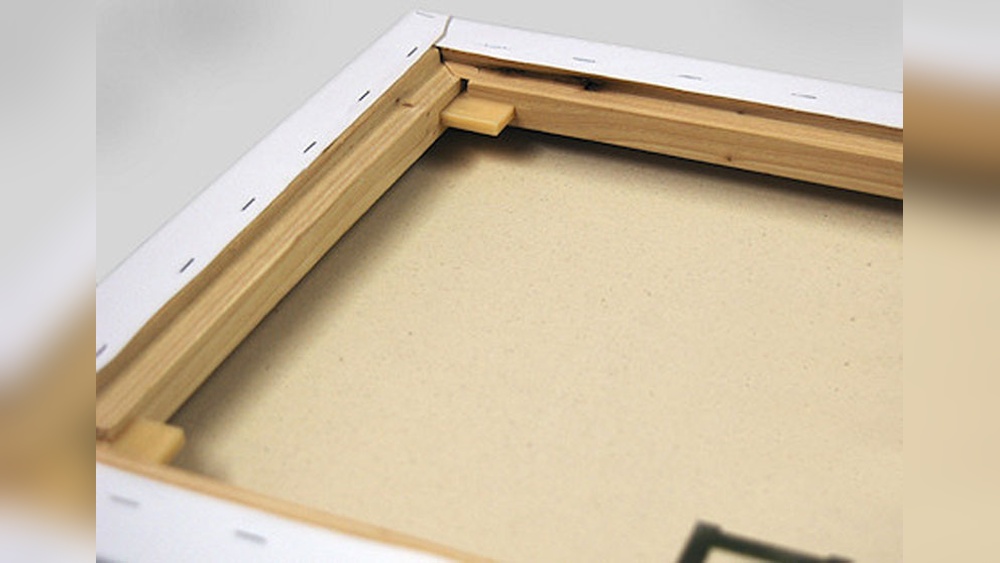
Stretched canvas is fabric, cotton or linen, pulled taut over a wooden frame and stapled to the back or sides. Standard profiles are about 3/4 inch deep; gallery profiles are 1.5 inches or deeper and are meant to hang without a frame.
Rolled (unstretched) canvas
Rolled canvas is loose primed fabric sold by the yard or in pads. You can tape it to a board, paint, and later stretch or mount it. It is the most flexible and economical option for large work and for artists who travel.
Canvas Panels vs Stretched Canvas: Side-by-Side
| Feature | Canvas panel | Stretched canvas |
|---|---|---|
| Feel under the brush | Firm, no give | Slight bounce; responds to pressure |
| Best sizes | Small to medium (up to about 16 x 20 in.) | Any size, especially large |
| Weight | Light in small sizes; heavy in large hardboard | Light for its size |
| Storage | Stacks flat, very space-efficient | Bulky; stands upright |
| Framing | Fits standard photo and picture frames | Needs a deeper frame or floater, or hangs unframed |
| Display without frame | Looks unfinished on a wall | Gallery-wrapped edges look finished |
| Durability | Resists punctures; cardboard can warp with moisture | Can dent, puncture, or sag; can be retightened |
| Detail work | Excellent; stable surface for fine lines | Good, though the surface flexes slightly |
| Plein air and travel | Ideal; fits in carriers and boxes | Possible but awkward in wind and transport |
| Typical cost | Usually lower per piece | Usually higher per piece |
For a full head-to-head on cost, longevity, and which surface wins for specific projects, see our detailed canvas panel vs stretched canvas comparison.
How to Use Canvas Panels
Prepare the surface
Most panels come pre-primed and ready for acrylic or oil. Budget panels sometimes have a thin, slick coat of primer. Adding one or two extra coats of gesso, sanded lightly between coats, improves tooth and reduces absorbency. If you prefer a smoother surface for detailed work, sand the final coat with fine sandpaper.
Seal the back against warping
Cardboard-backed panels can bow if one side absorbs more moisture than the other. When you paint or gesso the front heavily, brush a coat of gesso or acrylic medium on the back too. This balances the moisture and keeps the panel flat. Store panels flat or upright in a rack, never leaning at an angle for long.
Work with the rigid surface
Because panels do not flex, you can press harder with palette knives, apply sgraffito, use masking tape cleanly, and draw fine lines with confidence. This is why many illustrators and realist painters favor panels for detailed work.
Paint plein air
Panels fit pochade boxes and wet-panel carriers, resist wind, and do not let sunlight shine through from behind, which can mislead your color judgment on stretched canvas outdoors. Common plein air sizes are 6 x 8, 8 x 10, 9 x 12, and 11 x 14 inches.
Frame the finished piece
A finished panel slides into a standard picture frame with a rabbet (the recess at the back) about 1/4 inch deep. Use offset clips or framer’s points to hold it. Because panels are thin, you can also frame them under glass with a mat for a polished look.
How to Use Stretched Canvas
Check tension and prepare
Press the center gently. It should spring back with no sag. If it ripples, tap the corner keys in lightly if the frame has them. Most pre-stretched canvases are primed with acrylic gesso; add an extra coat if the surface feels thin or overly absorbent.
Support the back for pressure work
For palette knife work or heavy pressure, slip a piece of cardboard or foam board between the canvas and the bars. This stops the fabric from bowing and prevents bar lines from showing through later.
Use the bounce
The slight give of stretched canvas is part of its appeal. It absorbs some of the shock of quick, loose strokes and lets brushes skip across the weave, leaving broken color. Expressive and gestural painters often prefer it for this reason.
Decide on the edges
If you plan to hang the painting without a frame, continue the image around the sides or paint them a solid color. Unpainted, paint-spattered edges look unfinished on a wall. If you will frame it, the edges will be hidden, so no extra work is needed.
Display and hanging
Attach D-rings or a picture wire to the stretcher bars about one-third of the way down from the top. Deep gallery profiles hang flush to the wall without a frame. For a framed look without covering the edges, a floater frame leaves a small gap around the canvas.
Which to Choose: Use Cases
| Project | Better choice | Why |
|---|---|---|
| Color studies, value sketches, daily paintings | Canvas panel | Cheap, flat storage, quick to frame |
| Plein air landscape | Canvas panel | Rigid, fits carriers, no backlight |
| Large statement painting | Stretched canvas | Light for its size, hangs without a frame |
| Detailed realism or miniatures | Panel (hardboard backed) | Stable surface for fine lines |
| Acrylic pouring | Either; stretched more common | Panels need back sealing to resist warping under wet paint |
| Classroom or kids’ projects | Canvas panel | Affordable, durable, easy to store |
| Commission or gallery sale | Stretched canvas or rigid wood panel | Buyers often expect a substantial, finished object |
| Traveling with many paintings | Rolled canvas or panels | Compact to transport |
Canvas Board vs Stretched Canvas by Medium
Acrylic
Acrylic works well on both. Panels are handy for heavy palette knife texture, since there is no fabric flex to crack thick paint. Stretched canvas is fine for most acrylic work because cured acrylic remains flexible.
Oil
Oil paint becomes more brittle with age, and the flexing of stretched canvas contributes to cracking over decades. Rigid supports are often recommended for long-term stability, especially for thinly painted, detailed work. Stretched canvas remains the traditional choice for larger oils.
Gouache and watercolor
These usually go on paper, but gouache can work on specially primed canvas or panels. Rigid panels with an absorbent ground tend to suit it better, since stretched canvas flexes and gouache’s matte film can crack if applied thickly.
Stretched Canvas vs Rolled Canvas
Rolled canvas is ideal when you want custom sizes, large formats, or lower cost per square foot. Tape it to a wall or rigid board while you paint, then stretch it onto bars or mount it to a panel afterward. The trade-off is time: you have to prepare and finish it yourself. Pre-stretched canvas saves that work and is ready immediately.
Converting Between Surfaces
- Mounting a panel painting to make it look substantial: Glue the panel onto a wooden cradle or deeper box frame, painted or stained on the sides.
- Turning rolled canvas into a panel: Glue it to hardboard or birch plywood with acrylic gel medium, weight it flat while it dries, and trim the edges.
- Removing a stretched canvas for travel: Pull the staples, roll the painting face out around a wide tube (face out reduces cracking), and restretch at home.
Storing and Shipping Each Surface
How you plan to store or send finished work often decides the surface before the brush ever touches it.
Panels
Once fully dry, panels stack face to face with a sheet of glassine or parchment between them. A shelf of 9 x 12 studies takes up very little room. For shipping, sandwich a panel between two pieces of foam board slightly larger than the painting, tape the edges, and slide it into a rigid mailer or a box. The rigid backing means there is almost no risk of puncture in transit.
Stretched canvas
Store stretched paintings upright, face to face and back to back, so the bars of one painting never press into the fabric of another. Corner protectors and a sheet of cardboard over the front guard against dents. Shipping is bulkier: most painters wrap in glassine, add cardboard on both faces, then pack the piece in a box with padding on all sides. Large canvases are sometimes taken off their bars, rolled face out on a wide tube, and restretched at the destination to cut shipping costs.
Cost and Value Over Time
Panels usually cost less per piece, which makes them the economical choice for practice and exploration. The calculation changes as sizes grow. Large hardboard or wood panels become heavy and pricey, while large stretched canvas stays relatively light. For a body of small daily studies, panels win easily; for a few large finished pieces, stretched canvas is often the more practical buy.
Common Mistakes
- Painting a large panel with wet media without sealing the back, causing it to warp
- Leaving unpainted stretched canvas edges on a piece meant to hang unframed
- Pressing hard on stretched canvas without backing support, leaving bar lines
- Assuming all panels are the same; cardboard and hardboard backings behave very differently
- Buying gallery-depth canvas for a piece that will go into a standard frame, which may not fit the rabbet
Brand and Quality Differences
Quality varies more than many beginners expect. Priming thickness, fabric weight, backing material, and the straightness of stretcher bars all differ between lines. If you are weighing two common art store options, our comparison of two popular artist canvas brands walks through how their surfaces and builds differ.
Quick Decision Checklist
- Is the painting smaller than about 16 x 20 inches? A panel is a strong default.
- Will it hang without a frame? Choose gallery-depth stretched canvas.
- Are you painting outdoors or traveling? Panels or rolled canvas.
- Do you want detail and pressure tolerance? Panel, preferably hardboard backed.
- Do you love loose, bouncy brushwork? Stretched canvas.
- Is storage space limited? Panels stack flat.
FAQs
Is a canvas panel the same as a canvas board?
In everyday use, yes. Both refer to canvas glued to a rigid backing. Some manufacturers reserve “panel” for wood or hardboard backing and “board” for cardboard, so read the label to know what you are buying.
Can you hang a canvas panel without a frame?
You can, using adhesive hangers or a small wooden cleat on the back, but thin panels tend to look unfinished on a wall. Framing or mounting them on a cradle gives a more polished result.
Do professional artists use canvas panels?
Many do, especially for plein air, studies, and small finished works. Professionals often choose higher-grade panels with hardboard, wood, or aluminum composite backing for archival stability, while using stretched canvas for larger pieces.
Which lasts longer, a canvas panel or stretched canvas?
A quality rigid panel generally offers better long-term stability because the paint film does not flex. Cheap cardboard-backed panels can warp or degrade with moisture. Stretched canvas lasts well with good care but may need retightening and is more vulnerable to dents and tears.
Is stretched canvas better for acrylic painting?
Not necessarily. Acrylic works well on both. Stretched canvas suits large, loose paintings meant to hang without a frame, while panels are better for small, detailed, or heavily textured pieces.
What is the difference between stretched canvas and unstretched canvas?
Stretched canvas is already mounted on a wooden frame and ready to paint. Unstretched, or rolled, canvas is loose fabric that you tape down to paint on and later stretch or mount yourself. Unstretched canvas costs less and allows custom sizes but takes more work to finish.
Final Thoughts
Neither surface wins every time. Panels shine for small, portable, detailed, and budget-friendly work, while stretched canvas suits large, frameless, expressive pieces. Keep a few of each and let the project decide. For a deeper look at cost per square inch, archival quality, and which option suits your style, read our full guide on choosing between panels and stretched canvas.



One Comment