
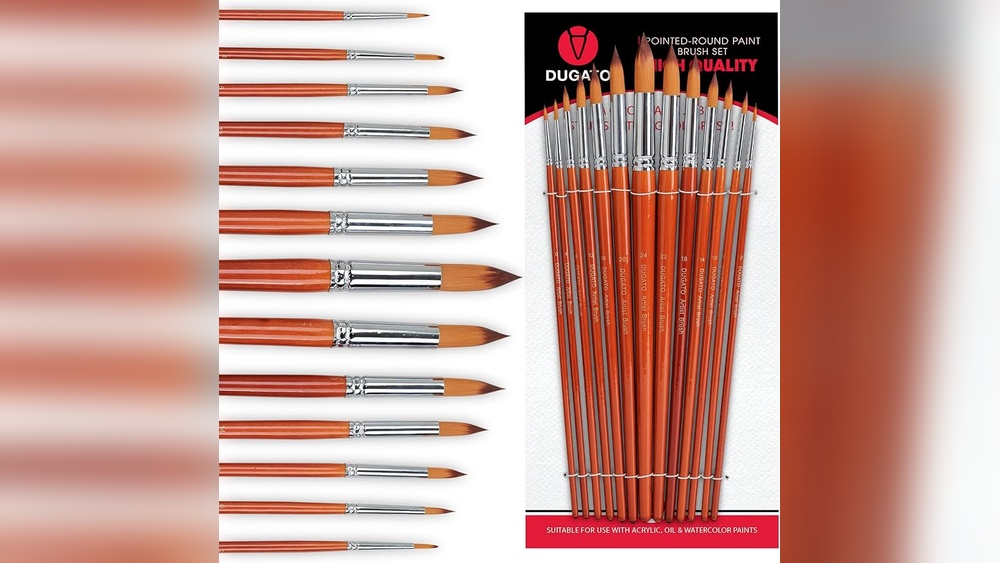
Quick answer: To keep paint brushes from shedding, wash new brushes before use and gently tug out any loose hairs, keep water and paint away from the ferrule, never soak brushes or dry them hairs-up, avoid hot water and harsh solvents, and clean promptly so paint does not dry at the base. If the ferrule is loose, re-crimp it or glue it to the handle. Constant shedding from an older brush usually means the internal glue has failed.
Finding a stray hair embedded in a wet glaze is irritating. Finding a dozen means something is wrong with the brush, the way it is cared for, or both. Shedding has a handful of causes, and most are preventable. A few are not, and knowing the difference saves you from fighting a brush that will never stop dropping hairs.
This guide explains why brushes shed, how to stop a new brush from shedding, what to do when an older brush starts losing hairs, and the habits that keep a quality brush intact for years.
How a Brush Holds Its Hairs
Inside the metal ferrule, the hairs or filaments are bundled, set at the right length, and fixed in place with glue or epoxy. The ferrule is then crimped onto the handle. Hairs stay put as long as three things hold:
- The glue plug at the base of the bundle is intact.
- Each hair is long enough to reach into that glue.
- The ferrule grips both the hairs and the handle firmly.
Shedding happens when one of those fails. Some failures are built in at the factory. Others come from water, heat, solvent or rough handling over time. Construction quality is one of the clearest differences between budget and professional brushes, which is why it features prominently in our guide to choosing artist brushes that hold up.
Why Paint Brushes Shed: The Main Causes
| Cause | Typical sign | Preventable? |
|---|---|---|
| Loose, short or uncemented hairs from manufacturing | Several hairs fall out in the first wash or session | Partly, by washing and tugging first |
| Water getting into the ferrule | Gradual shedding, cracked lacquer near ferrule | Yes |
| Hot water or heat drying | Shedding plus softened or wobbly head | Yes |
| Harsh solvents soaking the ferrule | Glue softens, hairs pull out in clumps | Yes |
| Dried paint at the base of the hairs | Hairs snap or pull out when you flex the brush | Yes |
| Scrubbing and heavy pressure | Broken hairs, rather than whole hairs | Mostly |
| Loose ferrule on handle | Head turns or wobbles | Often fixable |
| Age and glue breakdown | Steady shedding despite good care | No |
New Brushes: Stop Shedding Before It Starts
A few loose hairs in a brand-new brush are common, even in good ones. The goal is to get them out before they end up in your painting.
- Remove the plastic cap and discard it. Pushing it back on later catches hairs and can pull them loose.
- Rinse out the sizing (the stiff coating that protects the shape in shipping) with lukewarm water.
- Wash gently with mild soap. Lather in your palm, working from the ferrule outward.
- Fan the hairs gently. Spread the head between your fingers and look for hairs that sit loosely or stick out at odd angles.
- Do a light tug test. Pinch small sections near the tip and pull very gently. Hairs that slide out easily were never going to stay. Do not yank; you are only removing the loose ones.
- Flick the brush a few times over a sink to throw out any freed hairs.
- Reshape and dry flat or hairs-down before first use.
If a new brush keeps dropping hairs after two or three washes, it likely has a glue or crimp defect. Many retailers will exchange a brush with obvious manufacturing faults.
Shedding by Hair Type
Some hair types shed more than others by nature. Knowing what to expect helps you judge whether a brush is faulty or just behaving normally.
| Hair type | Shedding tendency | Notes |
|---|---|---|
| Synthetic (taklon, nylon, polyester) | Low | Uniform filaments; quality synthetics rarely shed after the first wash |
| Kolinsky and red sable | Low to moderate | Quality sable is usually well cemented; budget sable varies |
| Hog bristle | Moderate | Stiff bristles can snap when scrubbed; broken pieces look like shedding |
| Squirrel | Moderate | Very fine hair; occasional loss is common, especially in quill mops |
| Goat and hake | Higher | Loosely bound in many inexpensive hake brushes; expect some loose hairs |
| Pony and blended budget hair | Higher | Shorter, uneven hairs often do not reach the glue |
Daily Habits That Keep Brushes From Shedding
Keep Paint Off the Ferrule
Load the front half to two thirds of the hairs only. Paint that dries at the heel stiffens the hairs at the exact point where they flex, so they break or pull from the glue every time you press the brush.
Never Leave a Brush Standing in Water
Water wicks up into the ferrule, softens the glue and swells the wooden handle. As the wood swells and shrinks repeatedly, the crimp loosens. Rest brushes horizontally or in a clip that holds the hairs just above the water line during breaks.
Dry Hairs-Down or Flat
Standing a wet brush upright sends water straight into the glue plug. Lay brushes flat on a towel or hang them hairs-down. Only store them upright once fully dry.
Use Lukewarm Water, Not Hot
Hot water softens many brush adhesives. Lukewarm water cleans just as well for watercolor and acrylic.
Be Careful With Solvents
For oil painting, solvents are part of cleaning. Swish the hairs, do not leave them soaking with the ferrule submerged, and wash the solvent out with soap afterward. Strong solvents such as acetone or lacquer thinner can dissolve some glues outright.
Match Brush to Task
Scrubbing thick paint with a soft round, or stippling hard with a fine sable, breaks hairs and stresses the glue. Use stiffer synthetic or bristle brushes for rough work and keep soft brushes for fluid paint.
How to Fix a Brush That Has Started Shedding
If the Ferrule Is Loose on the Handle
- Clean and fully dry the brush.
- Pull the ferrule off the handle if it comes away easily, or leave it on if it only wobbles.
- Apply a small amount of wood glue or epoxy to the handle tip and reseat the ferrule, or run a thin line of glue where the ferrule meets the handle.
- Alternatively, crimp the ferrule gently with pliers over a cloth to tighten its grip. Press in two or three spots around the base, not one, to avoid denting it out of round.
- Let the glue cure fully before using the brush.
This fixes a wobbly head, but it does not reglue hairs inside the ferrule.
If Hairs Are Pulling Out of the Ferrule
When the internal glue has failed, the options are limited. Some hobbyists wick a tiny drop of thin cyanoacrylate glue into the base of the hairs where they enter the ferrule, then work the hairs to stop them gluing together higher up. Results vary, and it is easy to ruin the brush’s flexibility. Treat this as a last attempt on a brush you would otherwise discard.
If Dried Paint Is Causing Breakage
Remove the paint first. Suspend the hairs in rubbing alcohol or brush restorer for acrylic, or mineral spirits or safflower oil for oil paint. Work the softened paint out, wash and condition. Once the base of the hairs is flexible again, breakage usually stops.
Removing Shed Hairs From Wet Paint
Even well-kept brushes drop the odd hair. Remove it while the paint is wet:
- Use the tip of a clean, slightly damp small brush to lift the hair out.
- A needle, toothpick or fine tweezers work well for hairs lying flat on the surface.
- Pull the hair out along its length, in the direction it lies, so it does not drag a trail.
- Lightly re-brush the spot to level the paint.
If a hair has dried into acrylic or oil, wait until the layer is fully dry, then carefully slice it free with a sharp blade and touch up. Sanding is risky on thin layers.
Storage That Prevents Shedding
- Store dry brushes upright in a jar, hairs up, or flat in a roll-up case.
- Do not cram brushes into a tight container where tips rub and bend.
- Keep natural hair brushes in a clean, dry spot. Moth larvae and other pests can eat natural hair in long-term storage; a cedar block or occasional airing helps.
- Avoid hot cars and sunny windows, which can soften adhesive and warp handles.
Shedding in Oil, Acrylic and Watercolor
Each medium stresses a brush in a different way, so the main shedding risk changes too.
- Oil: The main threat is solvent. Repeated long soaks in strong solvent slowly break down some adhesives, and oil paint left to harden at the heel makes bristles snap. Swish, wipe and wash with soap rather than leaving brushes in the jar.
- Acrylic: Fast drying is the issue. Paint hardens near the ferrule within minutes on a warm day, then cracks and pulls hairs as the brush flexes. Rinse often and keep a jar of water at hand.
- Watercolor: The paint itself is gentle, but watercolor brushes spend a lot of time wet. Water creeping into the ferrule is the leading cause of shedding in soft natural hair rounds and mops.
What to Look for in Brushes That Shed Less
When you replace a shedding brush, a few construction details point toward a longer life:
- Seamless ferrule. A ferrule made from one piece of metal, with no visible seam, is less likely to split or let water in.
- Double crimping. Two crimp rings where the ferrule meets the handle grip more securely than one.
- Well-filled head. Gently squeeze the hairs at the ferrule. A full, firm bundle suggests hairs set deep in glue. A thin, hollow-feeling heel can mean a short, loosely packed bundle.
- Sealed handle. Thick, even lacquer that runs right up under the ferrule resists swelling.
- Clear hair type. Brushes that state their filament or hair type tend to be more consistent than vague “art hair” blends.
Common Mistakes That Cause Shedding
- Pulling a stuck brush out of a dried palette or jar by force
- Smashing the brush into the bottom of the water jar to clean it
- Using a brush to mix paint aggressively on a rough palette
- Leaving brushes in solvent overnight
- Drying brushes on a radiator or with a hair dryer
- Stripping the hairs between fingernails to remove paint
When to Stop Fighting a Shedding Brush
If a brush has been cleaned, dried and stored properly and still drops hairs every session, the glue plug has likely broken down. Repairs rarely last at that point. Move it to rough duty such as mixing, gluing, masking fluid or texture stippling, where an occasional hair does not matter. Replace it with a brush that has a seamless, double-crimped ferrule and well-cemented hairs. Our Raphael brush set review looks closely at one natural hair option if you work mainly in watercolor.
FAQs
Is it normal for new paint brushes to shed?
A few loose hairs during the first wash or session are common. Wash new brushes and gently tug out loose hairs before painting. Ongoing shedding after that points to a defect.
How do you stop a paint brush from losing hairs?
Keep water and paint out of the ferrule, dry hairs-down or flat, avoid hot water and long solvent soaks, and clean promptly. Tighten or glue a loose ferrule if needed.
Can you glue hairs back into a paint brush?
Not reliably. Some painters wick a drop of thin superglue into the base of the hairs, but it can stiffen the brush. It is best treated as a last resort.
Why does my brush shed only when I use acrylic?
Acrylic dries quickly at the base of the hairs if not rinsed often. The hardened paint makes hairs snap or pull from the glue when the brush flexes.
Do synthetic brushes shed less than natural hair?
Generally yes. Synthetic filaments are uniform in length and usually well bonded. Goat, hake and budget blended hair brushes tend to shed the most.
How do I fix a wobbly brush head?
Glue the ferrule back onto the handle with wood glue or epoxy, or crimp it gently with pliers over a cloth at a few points around the base.
Next Step
Good habits stop most shedding, but construction sets the ceiling. A brush with short hairs and a thin, single-crimped ferrule will shed no matter how carefully you treat it. If you are replacing brushes that keep losing hairs, compare ferrule quality, hair type and handle finish in our roundup of durable paint brushes for artists, where each pick is matched to the medium it suits best.


6 Comments