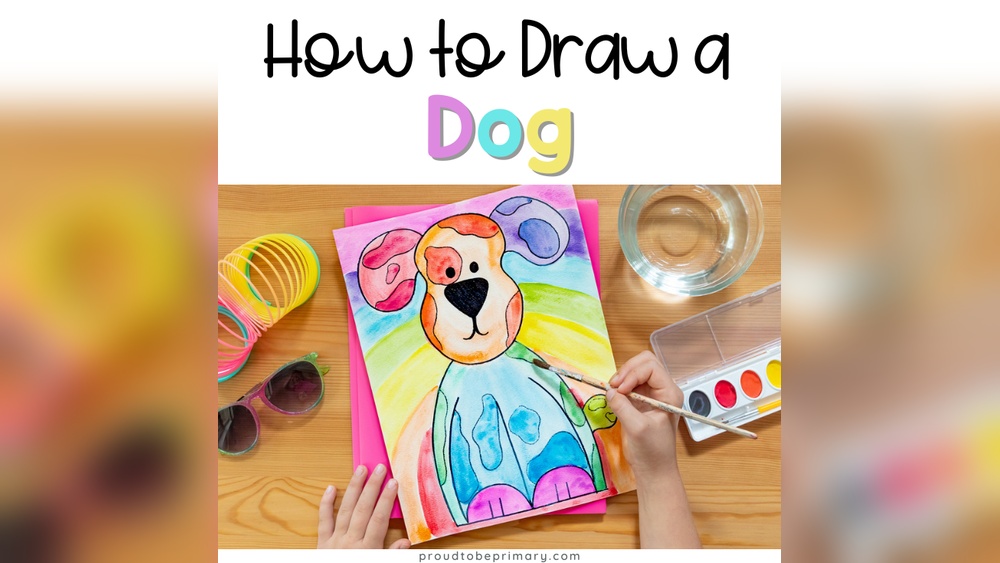
Painting is a wonderful way for kids to express themselves and learn new skills. If your child loves dogs, guiding them to paint a dog can be a fun and memorable project. Whether your child is just starting with art or has some experience, this easy guide will help you teach them how to paint a dog in a simple, step-by-step way.
You don’t need expensive supplies or advanced techniques—just a little patience, creativity, and encouragement. Let’s explore how to make painting a dog enjoyable, educational, and stress-free for kids of all ages.
Why Painting Dogs Is Great For Kids
Kids are naturally drawn to animals, and dogs are among the most loved. Painting dogs helps children practice observation, build confidence, and improve their fine motor skills. It also encourages imagination, as every dog can look different, have its own colors, and show different emotions.
Many parents and teachers notice that when children paint animals, they pay more attention to details. They try to understand the dog’s shape, color, and even personality. This observation skill is important not only in art but also in learning about the world.
Another benefit is emotional connection. Kids often paint pets they know or dogs they wish to have. This makes the project personal and meaningful. It is also a great way to relax and have a break from screens and homework.
Choosing The Right Materials
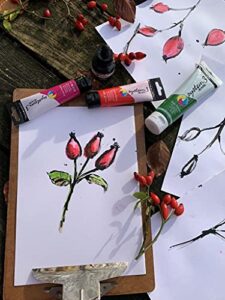
Before you start, make sure you have the right supplies. You don’t need anything fancy, but choosing the right materials will make the process smoother and more enjoyable.
Essential Supplies
Here are the basic things you need:
- Paper or Canvas – Thick paper (like watercolor paper) is best because it doesn’t wrinkle easily.
- Paints – Washable tempera or watercolor paints are safe and easy to clean.
- Brushes – A small round brush and a medium flat brush cover most needs.
- Cup of Water – For cleaning brushes between colors.
- Palette or Plate – For mixing colors.
- Paper Towels or Cloth – For drying brushes and cleaning spills.
- Pencil and Eraser – For sketching the dog before painting.
If you want to make clean-up even easier, you can use paint markers or colored pencils instead of paints. But paint gives a unique look and feel, which makes the project more fun.
Optional Add-ons
Some kids like to add googly eyes, stickers, or even a little glitter to their finished dog painting. Let them be creative! Just make sure the main painting is dry before adding extras.
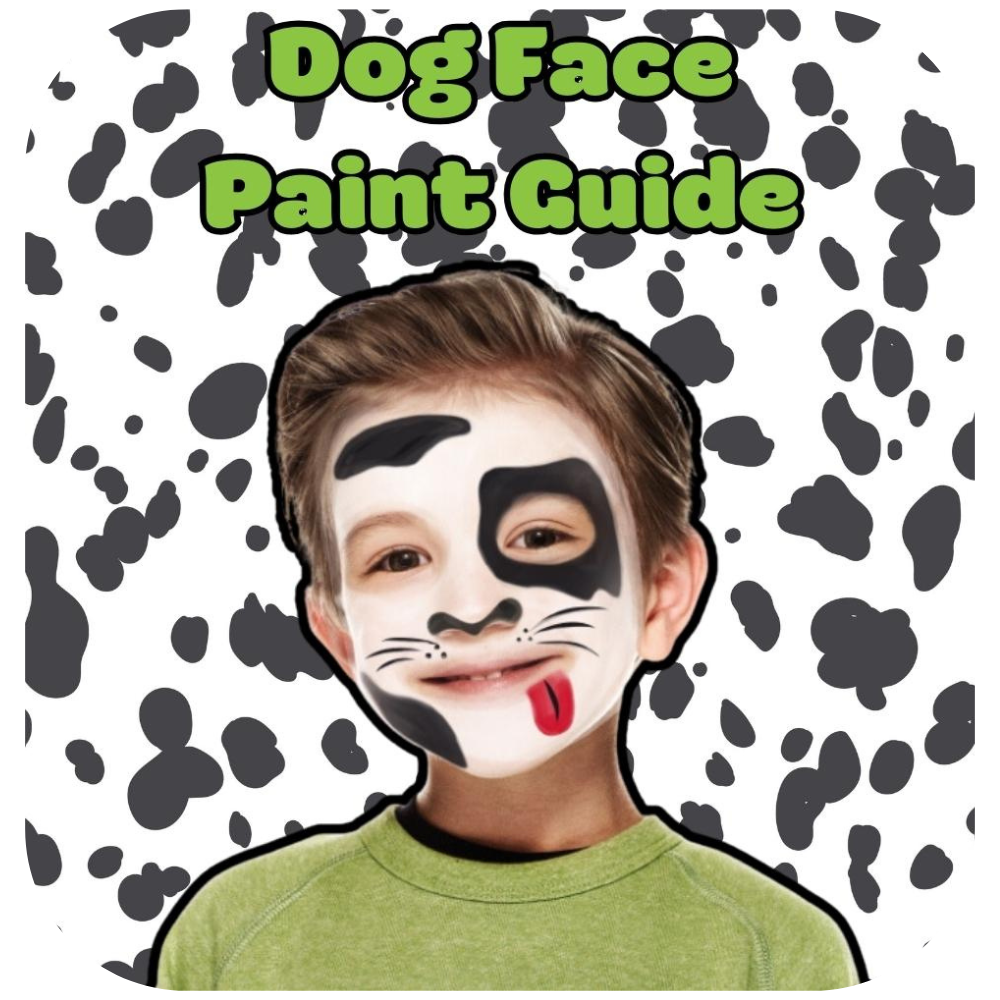
Credit: www.artnhobby.ie
Step-by-step: How To Paint A Dog For Kids
Now, let’s break down the process into simple steps. Each step builds on the previous one, so it’s important to follow the order, especially for young children.
1. Plan Your Dog
Ask your child what kind of dog they want to paint. Is it a real dog, a cartoon, or maybe a spotted puppy? Encourage them to imagine the dog’s pose—sitting, standing, or playing. Looking at a photo of a dog can help, but it’s also fine to invent a dog from their imagination.
2. Sketch The Dog Shape
Start with a pencil. Here’s an easy way to draw a basic dog:
- Draw an oval for the head.
- Add a bigger oval for the body, overlapping or just below the head.
- Sketch two long ovals for ears.
- Draw four simple lines for legs, with small ovals at the ends for paws.
- Add a curved tail.
Remind kids not to press too hard with the pencil. If they make a mistake, erasing is easy.
3. Outline Main Features
Once the basic shapes are done, lightly draw the eyes, nose, and mouth. For younger kids, a simple dot for a nose and two dots for eyes work well. Older children can add more details, like eyebrows or a tongue.
4. Start Painting The Body
Let your child pick the main color for the dog’s fur. Show them how to dip the brush in water first, then the paint. Fill in the body and head with gentle strokes.
Tip: If using watercolors, remind kids to use less water for stronger colors and more water for lighter shades.
5. Paint The Details
Switch to a smaller brush. Use a different color for the ears, nose, and paws. For spots, just dab the brush on the body. Add a collar or a bandana if your child wants.
6. Add The Face
Wait until the body is dry before painting the eyes and nose. Use black or dark brown for these parts. If your child wants, they can add a smile, eyebrows, or even a wagging tongue.
7. Paint The Background
Let your child choose a background. It could be grass, a park, or even a house. Keep it simple, so the dog stands out. Blue for the sky and green for grass are always good choices.
8. Finishing Touches
Check if your child wants to add anything else. Maybe a ball, a bone, or a friend for the dog! Make sure everything is dry before moving the painting.
Example Step-by-step Summary
Here’s a simple example for a cartoon dog:
- Draw a big circle for the head and a smaller circle for the nose.
- Add two floppy ears and two dots for eyes.
- Draw a smiling mouth.
- Paint the head light brown, the nose black, and the ears dark brown.
- When dry, add spots and a collar.
Common Mistakes And How To Avoid Them
Kids often make similar mistakes when learning to paint. Here’s how you can help them avoid frustration:
- Using too much water: Paint gets too runny and can tear the paper. Teach kids to dab the brush on the edge of the cup.
- Rushing: Remind kids to let one area dry before painting next to it, especially with watercolors.
- Painting tiny details first: It’s easier to paint large areas before small ones.
- Pressing too hard: Light brush strokes work best.
- Getting upset about mistakes: Every painting is unique. Encourage kids to turn mistakes into something new—a spot, a flower, or a funny face.
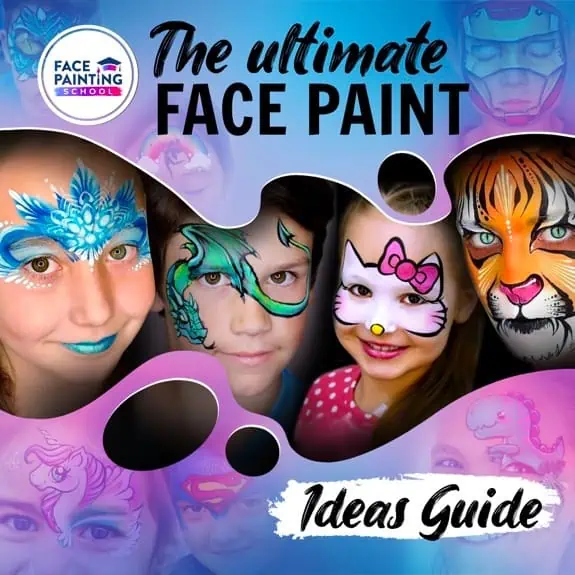
Credit: facepaintingschool.com
Fun Dog Painting Ideas For Kids
To keep things interesting, try these creative twists:
- Paint a rainbow dog: Use every color in the set.
- Add a superhero cape: Give your dog a mask or a cape.
- Draw a family of dogs: Big, medium, and small.
- Make it a holiday dog: Add a Santa hat, bunny ears, or a birthday balloon.
- Create a pop-art dog: Use bright blocks of color like Andy Warhol.
Letting kids choose their own style keeps them excited and engaged.
How To Encourage Young Artists
Children often worry their art isn’t “good enough.” Here are ways to help them feel proud and confident:
- Praise effort, not just results: Say, “I love how you tried new colors,” not just “It looks good.”
- Display their work: Hang finished paintings on the fridge or wall.
- Ask questions: “Why did you choose that color?” or “What is your dog’s name?”
- Join in: Kids love painting with adults. Show your own dog painting and make it a shared project.
- Remind them: Every artist makes mistakes and learns from them.
Credit: facepaintingschool.com
Comparing Paint Types For Kids
It’s normal to wonder which paints are best. Here’s a quick comparison to help you decide:
| Paint Type | Pros | Cons |
|---|---|---|
| Tempera | Easy to clean, bright colors, non-toxic | Can crack if too thick, not waterproof |
| Watercolor | Soft effects, blends well, easy for backgrounds | Needs thick paper, colors can fade if too much water |
| Acrylic | Strong color, dries fast, covers mistakes | Harder to clean, can stain clothes |
For most kids, tempera or watercolor are perfect. Acrylic is better for older kids with more experience.
Dog Painting Activity For Different Ages
Not all kids have the same skills or patience. Here are ideas for different age groups:
| Age | Best Approach | Tips |
|---|---|---|
| 3–5 years | Simple shapes, one or two colors | Focus on fun, not results. Use thick brushes. |
| 6–8 years | Basic dog outline, more colors, simple background | Let them add spots or accessories. |
| 9+ years | More details, try shading, creative backgrounds | Encourage personal style and creativity. |
Matching the project to your child’s age helps them stay interested and avoid frustration.
Cleaning Up After Painting
Paint can get messy, but with a few tips, clean-up is quick:
- Use an old tablecloth or newspapers to cover the table.
- Keep wet wipes or a damp cloth nearby for quick clean-ups.
- Wash brushes with warm, soapy water right away.
- Let the painting dry flat, so colors don’t run.
- Store paints in a cool, dry place with lids tightly closed.
Teaching kids to clean up helps them learn responsibility and respect for their materials.
Taking It Further: Display And Share
When your child finishes their dog painting, celebrate their hard work! Here are some ideas:
- Frame the painting and hang it in their room.
- Take a photo and send it to family or friends.
- Share it with their teacher or at school.
- Create a small art show at home with several paintings.
- Start an art scrapbook to track their progress over time.
Seeing their art displayed makes kids feel proud and motivates them to keep creating.
Where To Find More Inspiration
If your child wants to paint more dogs, look at storybooks, cartoons, or real dog photos. Many websites and art channels for kids offer free dog drawing and painting tutorials. For example, WikiHow has simple guides for all ages.
Remember, the goal is to have fun and learn—not to make a perfect painting!
Frequently Asked Questions
How Can I Help My Child Paint A Dog If I’m Not Good At Art?
You don’t need to be an artist. Just encourage your child and follow simple steps together. Focus on shapes and colors, not perfection. Kids learn more from trying and having fun than from copying exactly.
What If My Child Gets Frustrated When Their Painting Doesn’t Look “right”?
Remind your child that every artist makes mistakes. Suggest turning “mistakes” into something creative, like a new spot or a funny ear. Praise their effort and imagination, not just the final result.
How Long Does It Take For Paint To Dry?
Most watercolors dry in 10-20 minutes. Tempera and acrylics can take 30 minutes to an hour, depending on thickness. It’s a good idea to let paintings dry before adding details or moving them.
What’s The Safest Paint For Young Children?
Washable tempera paint is best for young kids. It is non-toxic and cleans up easily. Always check labels and supervise children during painting.
Can Kids Paint Dogs From Memory Or Do They Need A Photo?
Both are great! Painting from memory builds imagination, while using a photo helps with observation and detail. Mix both methods for variety.
Painting a dog can be a joyful, stress-free project for kids and adults. With simple steps, the right materials, and lots of encouragement, your child can create a dog painting they’ll be proud of. Every child’s dog will look different, and that’s the best part—art is about expressing what you see and feel.
So grab some paints, gather your supplies, and start creating together!