Painting miniatures, models, or artworks often means working with acrylic paints. But if you’ve tried this, you know how fast these paints can dry out—sometimes even before you finish blending or mixing a color. This is where the wet palette comes in. For hobbyists and professional artists, a wet palette can change the way you paint, helping keep your paints fresh and workable for longer. But what exactly is a wet palette, how does it work, and why do so many painters swear by it? Let’s explore everything you need to know about wet palettes, from how they work to how to make your own.
What Is A Wet Palette?
A wet palette is a simple tool used by painters to keep acrylic paints moist and usable for longer periods. Instead of drying up on your tray, your paint stays wet and ready to use. A wet palette is especially popular among miniature painters, modelers, and artists who mix or blend colors frequently.
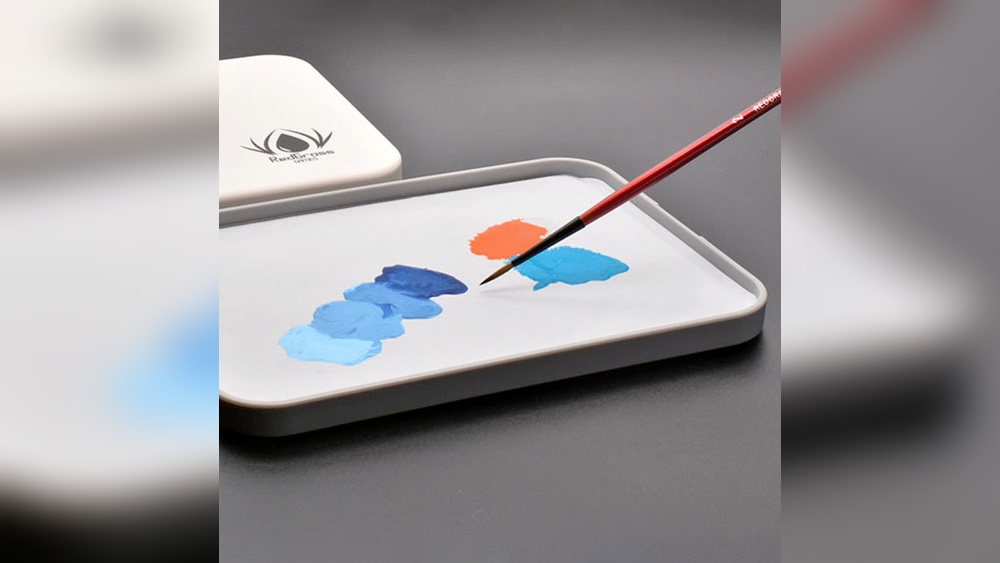
The basic wet palette design includes a shallow container, a layer of water at the bottom, and a special paper or membrane on top where the paint sits. The water below keeps the paper damp, which in turn keeps the paint above moist without diluting it.
This slows down the drying process, giving you more time for blending, shading, and perfecting your work.
How Does A Wet Palette Work?
The wet palette’s secret is its ability to keep moisture around your paint. Here’s how it works:
- Water Reservoir: The bottom of the palette holds water.
- Semi-Permeable Layer: A special paper or baking parchment sits above the water. This layer lets a small amount of moisture pass through.
- Paint Surface: You place your acrylic paint on top of the paper. The moisture below rises up and keeps the paint from drying out.
Because the paint doesn’t touch the water directly, it stays at the right consistency for longer. You can leave your palette overnight, and your paint will still be good to use the next day. For artists who spend hours on details or want to mix large batches of color, this is a game-changer.
Why Use A Wet Palette?
If you paint with acrylics, you’ve probably been frustrated by paint drying out before you’re finished. Here are the main reasons a wet palette is helpful:
- Longer Working Time: Acrylic paint can dry in minutes on a normal palette. On a wet palette, it can last hours—or even days.
- Better Color Mixing: You can blend paints smoothly and keep mixed colors usable.
- Less Waste: No more throwing away dried-up paint blobs.
- Consistent Paint Consistency: Your paint stays at the right thickness, making it easier to apply.
Beginners often miss one important benefit: using a wet palette helps you use less paint over time, saving money and reducing waste.
Wet Palette Vs. Dry Palette
It’s easy to wonder if a wet palette is really different from the classic dry palette (like a ceramic tile or a plastic tray). See the main differences below:
| Feature | Wet Palette | Dry Palette |
|---|---|---|
| Paint Longevity | Keeps paint wet for hours or days | Paint dries in minutes |
| Blending Colors | Smoother blending | Blending is harder |
| Paint Consistency | Stays consistent | Thickens or dries out |
| Best For | Acrylics, miniatures, fine work | Oils, quick dabs, large areas |
| Portability | Can be portable with lid | Easy to carry, but paint may dry |
While dry palettes are fine for oils or quick work, wet palettes are ideal for acrylics and detailed painting.
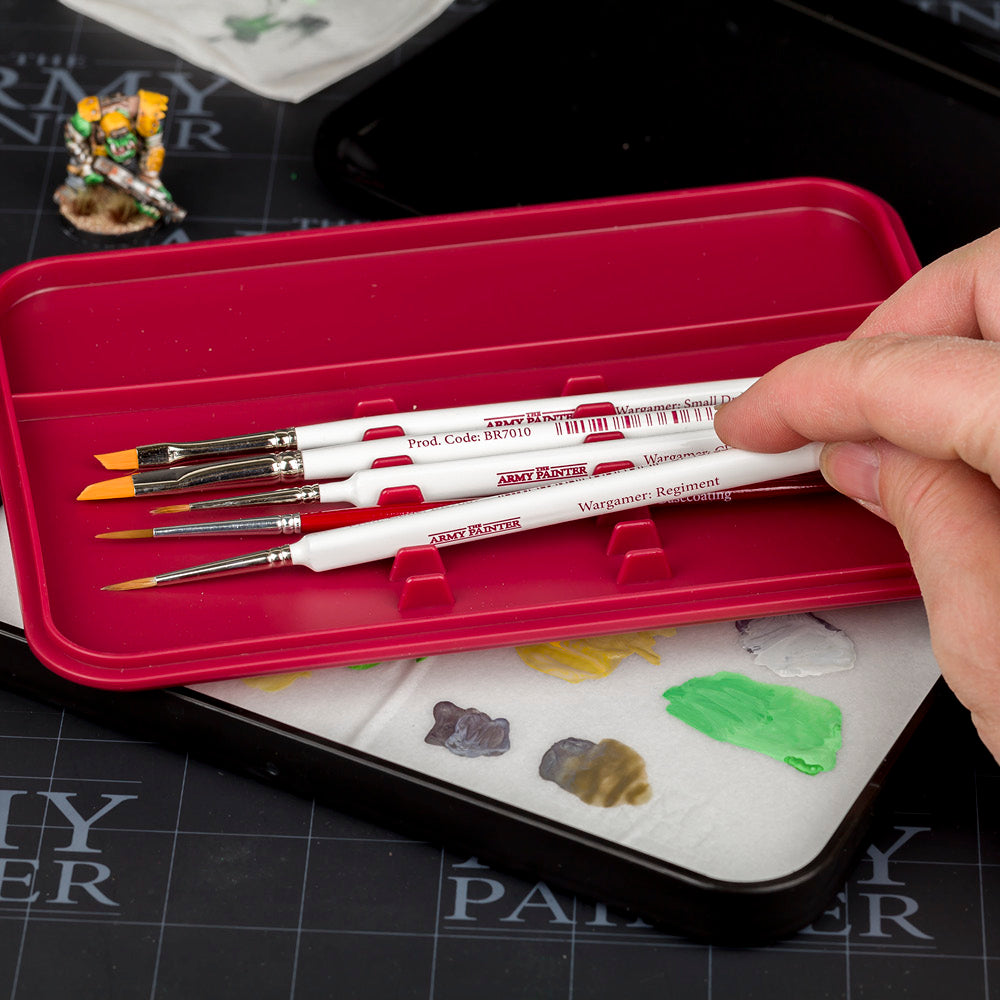
Credit: thearmypainter.com
What You Need For A Wet Palette
Setting up a wet palette is simple. Here’s what you need:
- Shallow Container: A plastic food box or specialized wet palette box.
- Absorbent Layer: Kitchen sponges or folded paper towels.
- Baking Parchment or Membrane Paper: The semi-permeable layer.
- Water: To keep the absorbent layer moist.
- Lid (Optional): Keeps your paints from drying if you step away.
Many painters use homemade palettes with basic kitchen supplies, while others buy professional wet palette kits. Both can work well if set up correctly.
How To Make Your Own Wet Palette
You don’t need to buy an expensive kit. Here’s how to make a basic wet palette:
- Find a Shallow Container: Use a plastic food box or takeout container.
- Cut Sponge/Paper Towels: Fit these to the bottom of the container.
- Soak the Sponge: Add enough water so the sponge is wet but not flooded.
- Add Baking Parchment: Place a piece of parchment paper on top of the sponge.
- Add Paint: Squeeze out small amounts of acrylic paint onto the paper.
Close the lid when you’re done, and your paint will stay usable for hours or days.
Pro Tips For Making A Wet Palette
- Use uncoated baking parchment—waxy or coated paper will not work.
- Don’t overfill with water; too much can make your paint runny.
- Change the water and paper every few days to avoid mold.
Commercial Wet Palette Options
While DIY palettes work, commercial versions offer convenience and extra features. Here are a few popular choices:
| Brand | Size | Special Features | Price Range |
|---|---|---|---|
| Redgrass Games | 7″ x 5″ | Airtight seal, reusable membranes | $25–$40 |
| Army Painter | 7″ x 6″ | Affordable, comes with extras | $15–$25 |
| Masterson Sta-Wet | 8″ x 7″ | Long history, good size | $10–$20 |
| DIY Homemade | Varies | Customizable, low cost | Under $5 |
Commercial palettes often include reusable membranes, airtight lids, and sturdy construction. This can be helpful if you paint often or want to transport your palette.
Who Should Use A Wet Palette?
Wet palettes are not just for professionals. If you:
- Paint miniatures, models, or wargaming figures
- Mix custom colors often
- Work on detailed acrylic paintings
- Want to save paint and time
…then a wet palette will likely improve your painting experience. Even beginners can benefit, as it lets you focus on technique, not fighting drying paint.
A common mistake is thinking wet palettes are only for experts. In reality, they can help anyone who wants more control over their acrylics.
Common Problems And How To Avoid Them
Even a simple tool can go wrong if used incorrectly. Watch out for these issues:
- Too Much Water: If your sponge is flooded, paint can become watery or flow under the paper. Use just enough to keep things damp.
- Mold: If you leave water unchanged for days, mold can grow. Change water and paper every 2–3 days.
- Paint Separation: Some paints separate or break down if left for too long. Mix gently before use.
- Paper Wrinkles: If your parchment wrinkles, smooth it out or try a heavier paper.
Beginner painters often forget to check the water level. If the palette dries out, the paint will dry quickly. Check it before each session.
Advanced Tips For Wet Palette Users
Once you’re comfortable, you can get more from your wet palette:
- Store Custom Colors: With a tight lid, you can save mixed colors for days—helpful for large projects.
- Control Paint Thickness: Add more or less water below to adjust how much moisture reaches your paint.
- Use Specialized Membranes: Some commercial brands sell special papers that last longer or allow more/less moisture.
- Try Additives: Some artists add a drop of retarder or flow aid to their paint for even slower drying.
An insight many miss: the wet palette can help you practice “wet blending,” where you mix colors directly on your model or canvas. With paint that stays open, you can create smoother transitions and gradients.
Cleaning And Maintaining Your Wet Palette
Taking care of your wet palette is simple but important:
- Change the Water: Every 2–3 days or sooner if it looks cloudy.
- Replace the Paper: After each painting session or when it gets too dirty.
- Wash the Container: Use soap and water every week to prevent mold.
- Dry Between Uses: Let your palette dry out fully once a week.
A clean palette means cleaner colors and no bad smells—something beginners often forget until it’s too late.
Wet Palette For Different Types Of Painting
Wet palettes are most popular with:
- Miniature and Model Painting: For smooth color transitions and detail work.
- Acrylic Canvas Painting: For large blends and keeping color mixes consistent.
- Wargaming and Tabletop: Allows matching the same color over multiple sessions.
Oil painters do not use wet palettes, as their paints dry very slowly and need different treatment. Watercolorists also usually avoid wet palettes, since their paints reactivate with water.

Credit: www.amazon.com
Wet Palette Myths And Misconceptions
Some painters avoid wet palettes because of common myths:
- “Wet palettes make paint too runny.” This happens only if you use too much water.
- “They’re hard to clean.” Actually, with regular care, they’re easier than scrubbing dried paint from a tray.
- “Wet palettes are expensive.” You can make one for under $5 with basic supplies.
Knowing how a wet palette really works can help you avoid beginner mistakes and get better results.
Real-world Examples And Data
Surveys in the miniature painting community show that over 70% of regular painters use a wet palette for most acrylic work. Many report saving up to 30% of their paint compared to dry palettes. Professional artists often keep multiple palettes for different color groups, showing just how valuable this tool is for efficiency and consistency.

Credit: makezine.com
Where To Learn More
If you want to go deeper, check out resources like Wikipedia’s wet palette entry for technical details and history.
Frequently Asked Questions
How Long Will Paint Last On A Wet Palette?
Paint can stay usable from several hours up to a week, depending on the palette’s seal and room temperature. For best results, close the lid tightly and store the palette in a cool place.
Can I Use A Wet Palette With Watercolor Or Oil Paint?
Wet palettes are designed for acrylics. Watercolors do not need one, and oils do not work well because they do not mix with water. Use a dry palette for oils.
What Type Of Paper Works Best For A Wet Palette?
Uncoated baking parchment is the top choice for homemade palettes. Avoid wax paper, as it doesn’t let enough moisture through. Commercial membranes are also available.
How Do I Prevent Mold In My Wet Palette?
Change water and paper every 2–3 days. Wash the container weekly and let it dry out completely sometimes. Using clean, filtered water helps reduce mold risk.
Is A Wet Palette Worth It For Beginners?
Absolutely. Beginners gain more time to mix, blend, and learn techniques without fighting dry paint. It’s one of the best and cheapest upgrades for acrylic painting.
A wet palette can make painting more enjoyable, less stressful, and help you get better results—no matter your skill level. Try it once, and you may never go back to a dry palette again.