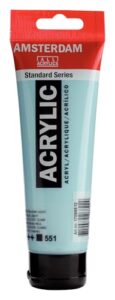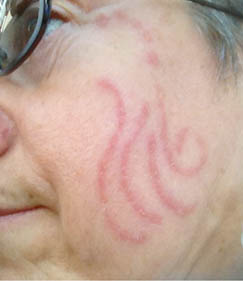
Acrylic paint is not safe for skin as it contains harmful chemicals. It can cause irritation and allergic reactions.
Acrylic paint is popular for art projects due to its versatility and vibrant colors. Many people wonder if it’s safe to use on skin, especially during face painting or body art. Despite its widespread use, acrylic paint is not formulated for skin application.
It contains chemicals that can cause irritation, dryness, and even allergic reactions. Prolonged exposure may lead to more severe skin issues. Always opt for paints specifically designed for skin use, such as water-based face paints or body paints. These are formulated to be gentle and safe for all skin types, ensuring a fun and worry-free experience.

Credit: paintertainment.blogspot.com
Acrylic Paint And Skin Contact
Many artists and hobbyists use acrylic paint for various projects. It’s vibrant and versatile. But, is it safe to use on skin? Understanding the risks is crucial for health and safety.
The Composition Of Acrylic Paint
Acrylic paint contains pigments, a binder, and water. The pigments give the paint its color. The binder, usually acrylic polymer, holds the pigment together. This combination makes the paint durable and fast-drying.
Some acrylic paints may have additives. These could be thickeners, stabilizers, or preservatives. These additives can vary between brands. The composition impacts the paint’s safety on skin.
Potential Risks When Applied To Skin
Acrylic paint isn’t designed for skin use. It can cause irritation or allergic reactions. Common symptoms include redness, itching, or swelling.
There are several risks:
- Skin Irritation: Direct contact can cause discomfort.
- Allergic Reactions: Sensitive skin may react badly.
- Harmful Additives: Some additives can be toxic.
- Hard to Remove: The paint may not wash off easily.
Use caution when handling acrylic paint. Consider alternatives for body art.
Comparing Acrylic And Body Paint
When choosing paint for skin, many wonder about acrylic and body paint. Both types have distinct purposes and formulations. This section will compare them to highlight key differences and safety aspects.
Key Differences In Formulation
Acrylic paint is crafted for use on canvases and various surfaces. It contains pigments, a binder, and water. These components help the paint adhere to surfaces and dry quickly. However, the binder can be harsh on the skin.
Body paint is specially formulated for use on human skin. It uses skin-friendly ingredients and is often water-based. This ensures it doesn’t irritate the skin. Body paint often includes moisturizers to keep the skin hydrated.
| Attribute | Acrylic Paint | Body Paint |
|---|---|---|
| Intended Use | Canvas and surfaces | Human skin |
| Ingredients | Pigments, binder, water | Skin-friendly pigments, moisturizers |
| Drying Time | Quick | Moderate |
| Safety | Potentially harsh | Safe for skin |
Why Body Paint Is Safer
Body paint is designed with skin safety in mind. The ingredients are non-toxic and gentle. It often undergoes rigorous testing to ensure it won’t cause allergies or reactions.
Acrylic paint can contain chemicals that may cause skin irritation. It is not tested for use on human skin. This makes it a risky choice for body art. The binders and pigments in acrylic paint can lead to dryness, itching, and redness.
In summary, body paint is safer for skin due to its formulation. Acrylic paint is best left for canvases and non-skin surfaces.
Short-term Effects Of Acrylic On Skin
Acrylic paint is popular for art projects. But, is it safe for skin? Let’s explore the short-term effects.
Irritation And Allergic Reactions
Acrylic paint can cause skin irritation. Some people may experience redness, itching, and swelling. This is more likely if you have sensitive skin.
Allergic reactions can also occur. Symptoms include hives, blisters, and severe itching. If this happens, wash the paint off immediately.
| Symptom | Description |
|---|---|
| Redness | Skin turns red and feels warm |
| Itching | Uncomfortable sensation leading to scratching |
| Swelling | Skin becomes puffy and inflamed |
The Drying Effect On Skin
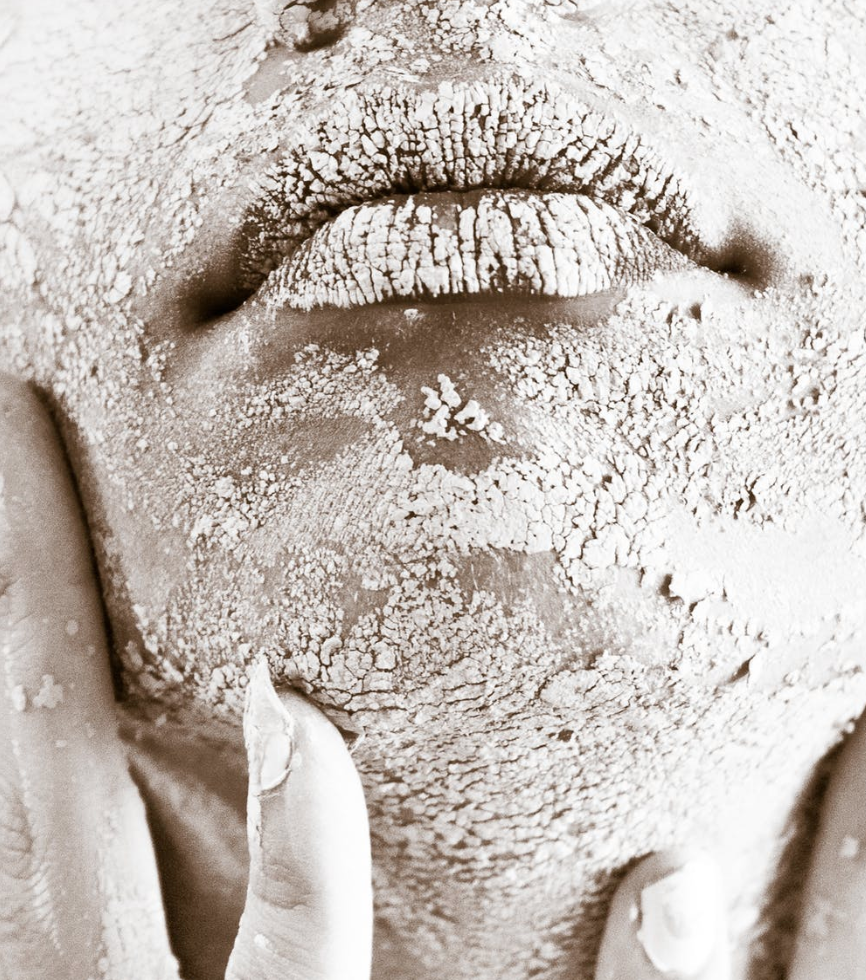
Acrylic paint dries quickly. This means it can also dry out your skin. Skin dryness can cause flaking, cracks, and discomfort.
To prevent this, moisturize your skin after washing off the paint. Use a gentle, fragrance-free lotion.
- Wash off paint with warm water
- Pat skin dry with a towel
- Apply a gentle moisturizer
Understanding these effects helps you use acrylic paint safely.
Long-term Health Concerns
Acrylic paint is popular for its vibrant colors and versatility. But is it safe for the skin? Let’s explore the long-term health concerns associated with acrylic paint on the skin.
Chemical Exposure And Toxicity
Acrylic paint contains various chemicals. Prolonged exposure to these chemicals can be harmful. Some common ingredients include:
- Acrylic polymer emulsion
- Pigments
- Additives
These components can seep into the skin. Over time, they may cause chemical buildup in the body. This buildup might lead to toxicity and other health issues. Understanding the chemical makeup of acrylic paint is crucial.
Risk Of Chronic Skin Conditions
Using acrylic paint on the skin can lead to chronic skin conditions. Common issues include:
- Contact dermatitis
- Eczema
- Allergic reactions
Contact dermatitis causes red, itchy rashes. Eczema can develop with repeated exposure. Allergic reactions might involve swelling and redness. These conditions can become long-term problems.
| Condition | Symptoms |
|---|---|
| Contact Dermatitis | Red, itchy rashes |
| Eczema | Dry, scaly patches |
| Allergic Reactions | Swelling, redness |
Preventing these issues involves avoiding direct contact with acrylic paint. Using protective measures like gloves can help.
Safe Practices For Using Acrylics
Using acrylic paint on skin can be fun. But it’s important to stay safe. Follow these steps to protect your skin.
Pre-application Precautions
Before you start, prepare your skin. Clean your skin with soap and water. Dry it well. Apply a thin layer of moisturizer. This helps protect your skin from irritation.
Use a small amount of acrylic paint to test for any reaction. Apply a small dot on your wrist. Wait 24 hours to see if you have a reaction. If your skin gets red or itchy, do not use the paint.
Use only non-toxic acrylic paints. Check the label for safety information. Avoid areas around the eyes, mouth, and open wounds. These areas are more sensitive.
Post-application Skin Care
Once you’re done, remove the paint properly. Use warm water and mild soap. Gently scrub the paint off. Do not use harsh chemicals or scrubbing pads.
After removing the paint, apply a moisturizer. This helps keep your skin soft and prevents dryness. If your skin feels irritated, use an anti-inflammatory cream.
Drink plenty of water. Keeping your body hydrated helps your skin stay healthy. Avoid exposing painted skin to the sun for long periods.
| Pre-application | Post-application |
|---|---|
| Clean skin | Wash off paint |
| Use moisturizer | Apply moisturizer |
| Test for reactions | Use anti-inflammatory cream if needed |
| Use non-toxic paints | Stay hydrated |
- Clean your skin before painting.
- Use a test spot to check for reactions.
- Remove paint with warm water and mild soap.
- Keep your skin hydrated.
Alternatives To Acrylic Paint For Skin Art
Many people enjoy painting on their skin. But, acrylic paint is not safe for this. Thankfully, there are safer and better options.
Recommended Skin-safe Paints
Here is a list of paints safe for your skin:
- Face Paints: These are made for skin. They come in many colors and are easy to remove.
- Body Paints: These are safe and last longer on skin. They are perfect for large designs.
- Water-Based Paints: These are gentle and wash off easily. They are good for kids and sensitive skin.
Natural And Diy Options
Want to make your own paint? Here are some ideas:
- Henna: This is a natural dye. It stains the skin for a few days and is safe.
- Fruit and Vegetable Juices: Use beet juice or spinach juice. These make fun and safe colors.
- Cornstarch Paints: Mix cornstarch with water and food coloring. This makes a safe and easy paint.
Choosing the right paint is important. It keeps your skin safe and healthy.
Understanding Labels And Safety Data Sheets
Is acrylic paint safe for skin? To answer this, you need to understand labels and safety data sheets. These documents help you know what’s in the paint and how it might affect you.
Interpreting Product Information
Labels provide crucial information about the acrylic paint. Look for details such as ingredients, warnings, and usage instructions. Labels often include symbols indicating the paint’s safety.
Safety Data Sheets (SDS) offer more in-depth information. They detail the chemical composition, potential hazards, and first-aid measures. Always review the SDS for any paint before using it on your skin.
| Label Element | Description |
|---|---|
| Ingredients | List of chemicals in the paint |
| Warnings | Potential risks and safety tips |
| Usage Instructions | How to apply and store the paint |
Identifying Non-toxic Options
Choosing non-toxic acrylic paint is essential for skin safety. Look for labels that state “non-toxic” or “skin-safe.” These paints are formulated without harmful chemicals.
- Check for certifications like AP (Approved Product) seal.
- Opt for paints that are water-based and free from heavy metals.
Eco-friendly labels are also a good sign. These paints are often safer for skin and the environment.
- Read the label and SDS carefully.
- Choose non-toxic, skin-safe options.
- Look for eco-friendly certifications.
Credit: medium.com
Emergency Measures For Acrylic Paint Exposure
Acrylic paint is popular for arts and crafts. But, it can be harmful if it gets on your skin. Knowing what to do in an emergency is very important. Follow these steps to ensure safety and avoid complications.
First Aid Steps
If acrylic paint touches your skin, act fast. Follow these first aid steps:
- Remove the paint: Wash the area with soap and warm water.
- Avoid scrubbing: Gently rub the skin to avoid irritation.
- Use a gentle cleanser: Mild soap is best for cleaning the skin.
- Rinse thoroughly: Make sure no paint residue remains.
- Apply moisturizer: Use lotion to prevent dryness.
When To Seek Medical Attention
Sometimes, washing off the paint is not enough. Seek medical attention if you notice:
- Redness: The skin becomes very red or swollen.
- Blisters: Blisters form on the affected area.
- Persistent itching: Itching that does not go away.
- Breathing issues: Difficulty in breathing or tightness in the chest.
- Eye contact: If paint gets into the eyes, rinse and seek help immediately.
Remember, quick action can prevent serious reactions. Always keep emergency numbers handy. Your skin’s health is very important. Do not ignore the signs of a reaction.

Credit: artincontext.org
Frequently Asked Questions
Is Acrylic Paint Toxic On Skin?
Acrylic paint can be mildly toxic on skin. It may cause irritation or allergic reactions. Use non-toxic, skin-safe alternatives.
What Kind Of Paint Is Safe For Skin?
Use water-based body paints or face paints labeled as non-toxic and safe for skin. Avoid acrylics and craft paints.
Is Acrylic Paint Safe For Handprints?
Yes, acrylic paint is generally safe for handprints. Use non-toxic, water-based acrylics for best results. Always wash hands thoroughly after use.
Is Acrylic Paint Safe For Face Painting?
Acrylic paint is not safe for face painting. It can cause skin irritation and allergic reactions. Always use paints specifically designed for face painting. These are non-toxic and safe for skin.
Is Acrylic Paint Safe For Skin?
Acrylic paint is not safe for skin. It contains chemicals that can cause irritation and allergic reactions.
Can Acrylic Paint Cause Skin Irritation?
Yes, acrylic paint can cause skin irritation. It contains chemicals that can lead to redness, itching, and rashes.
How To Remove Acrylic Paint From Skin?
Use soap and warm water to remove acrylic paint. You may need to scrub gently to fully remove it.
What Happens If Acrylic Paint Dries On Skin?
If acrylic paint dries on skin, it can be difficult to remove. It may cause skin tightness and discomfort.
Conclusion
Ensuring acrylic paint safety on skin is crucial. Always read labels and choose body-safe options. Test a small area first to avoid reactions. Properly wash off paint after use. Opt for products specifically designed for skin to minimize risks. Prioritize skin health while enjoying your creative activities.