DIY projects are hands-on tasks you create or repair yourself using simple tools.
If you’ve wondered what is diy projects, you’re in the right place. I’ve led workshops, renovated rooms, and built simple furniture from scratch. In this guide, I’ll explain what is diy projects in clear steps, share real stories, and give you the best tips to start strong and avoid costly errors.
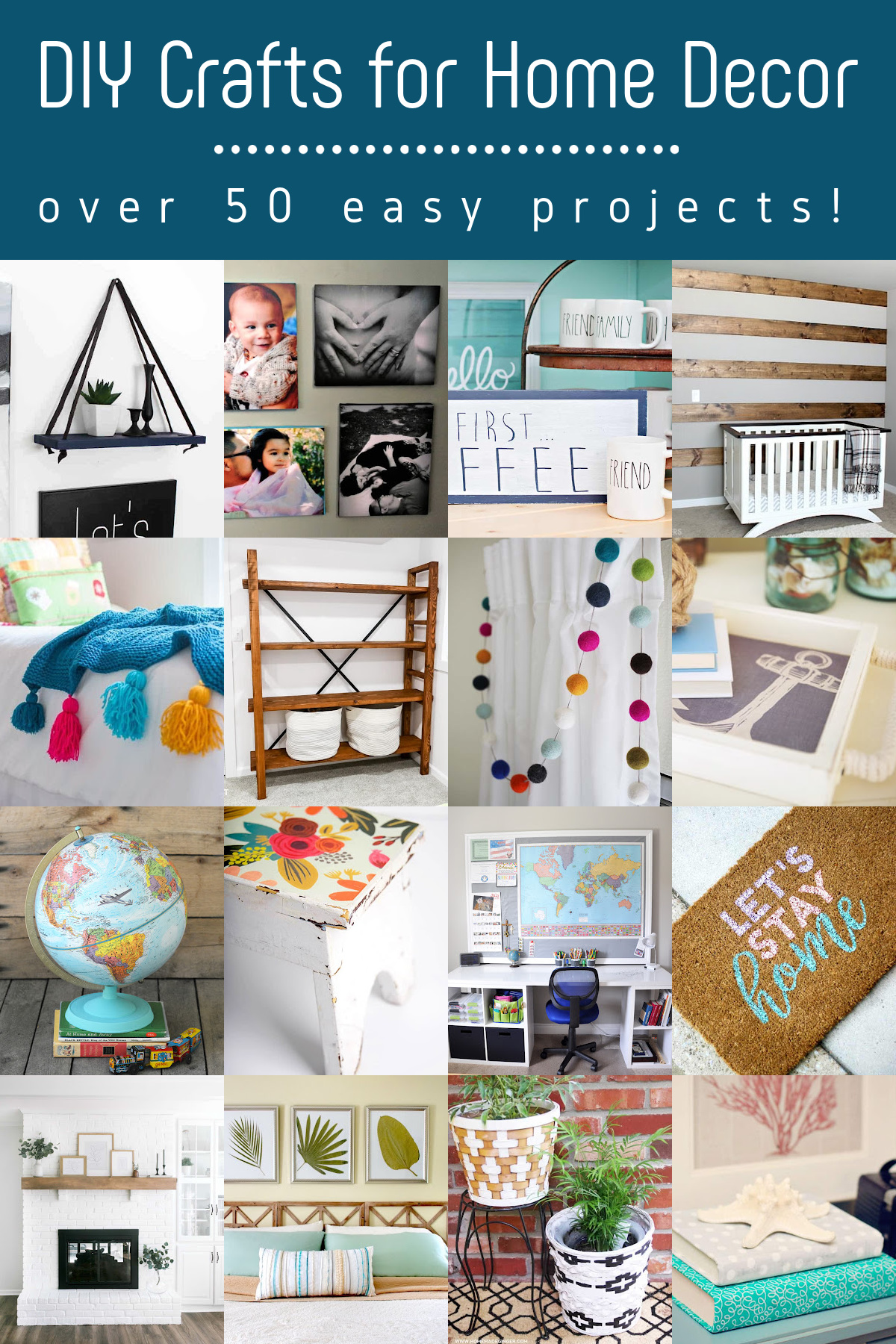
What is DIY projects?
DIY stands for do-it-yourself. It means making, fixing, or improving things without paid help. These projects can be small crafts or large home upgrades. The goal is to learn, save money, and build skills.
At its core, what is diy projects is a mindset. You plan, you try, and you improve. You use guides, videos, and plans. You test and learn as you go.
People ask what is diy projects when they want more control. You decide the style, the budget, and the pace. The result feels personal and unique.

Why DIY matters: Benefits you can see and feel
DIY helps your wallet. Labor is the cost you skip. With smart planning, you can cut project costs by half.
DIY builds skill and pride. Studies show hands-on tasks can lower stress and boost mood. Small wins add up, and your space looks better too.
DIY grows your problem-solving skills. You plan, measure, and fix. Over time, you make fewer mistakes and work faster.
Types of DIY projects
DIY spans many areas. Start where your interest lies and your tools allow.
- Home repair and maintenance: paint, caulk, patch, and simple fixes.
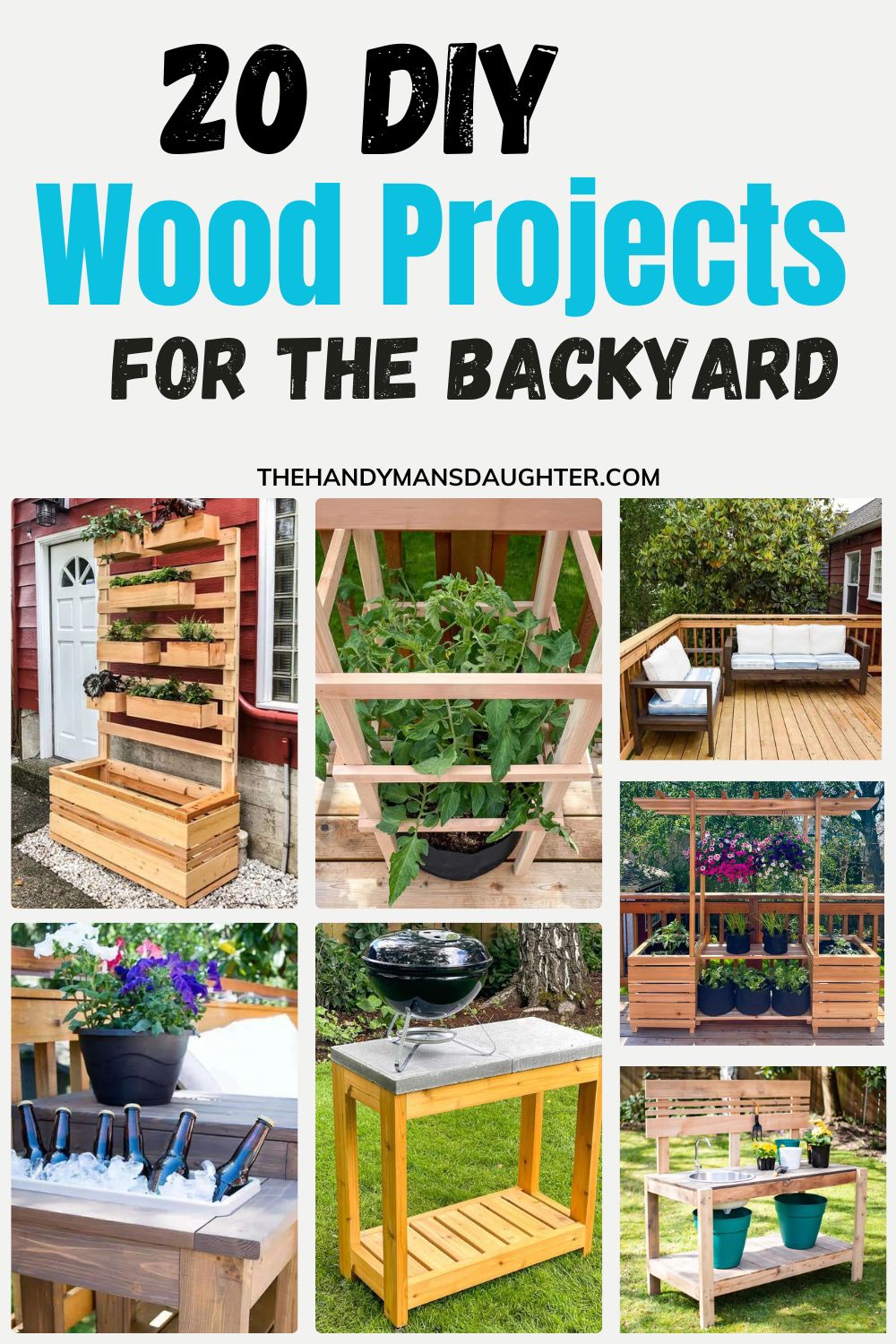
- Furniture and woodworking: shelves, tables, frames, and storage.
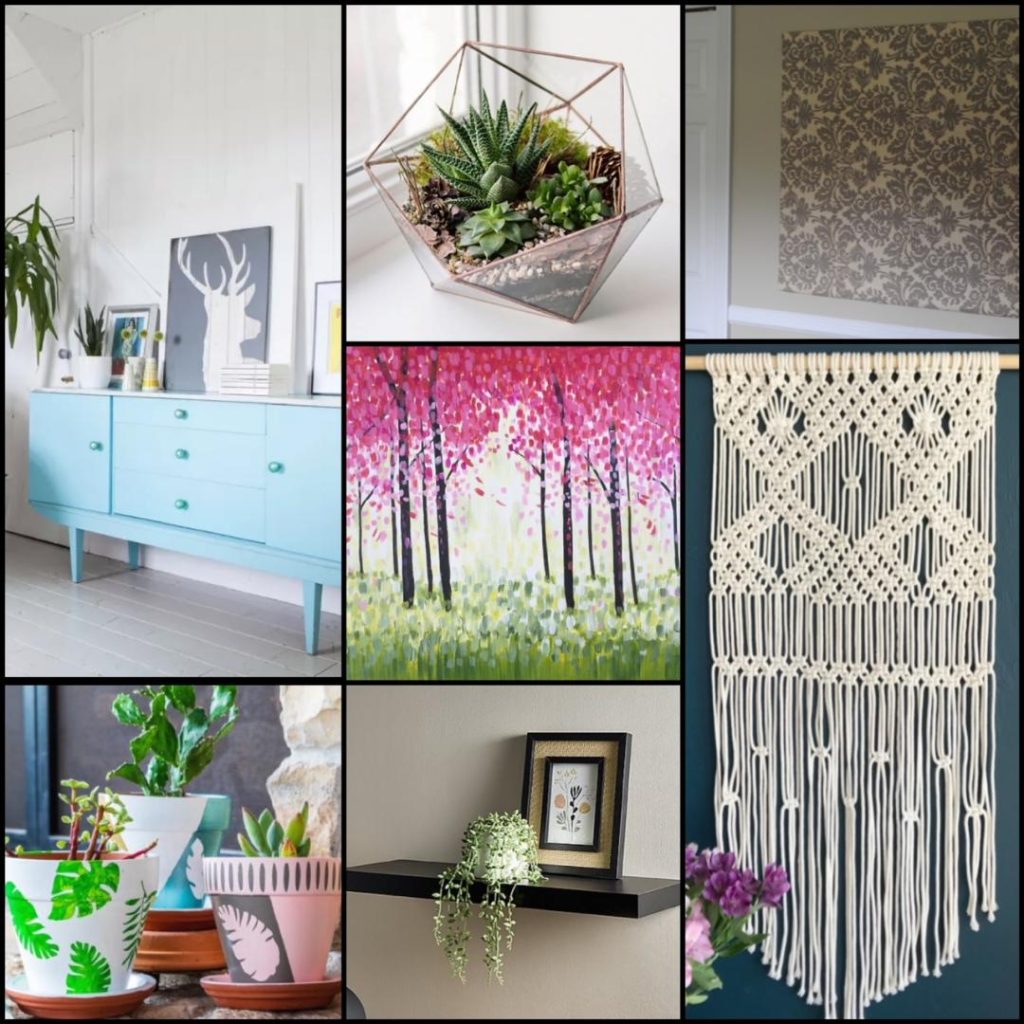
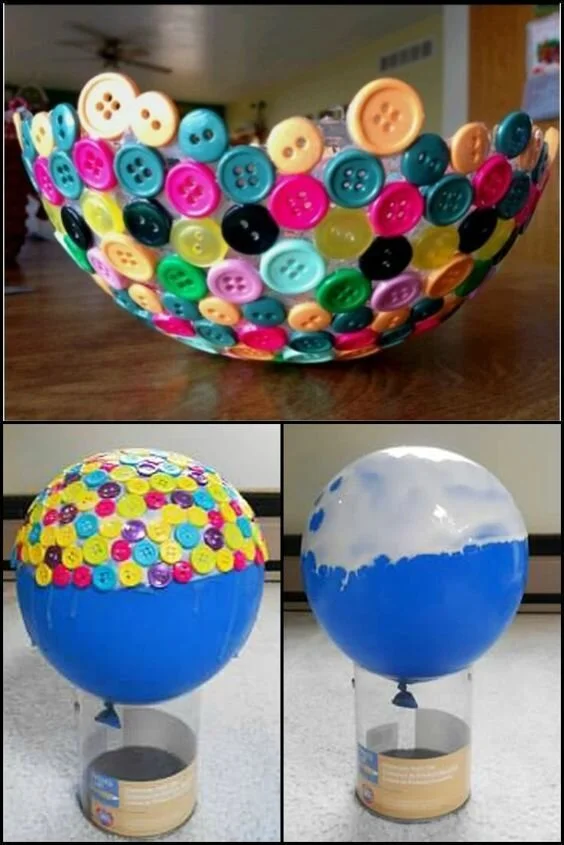
- Crafts and decor: candles, wall art, wreaths, and fabric items.
- Gardening and outdoor: planters, compost bins, patios, and lighting.
- Tech and electronics: smart home setups and simple kits.
- Upcycling: turn old items into fresh, useful pieces.
If you ask what is diy projects in daily life, it covers all these and more.

How to start a DIY project
Start small and clear. One success builds momentum.
- Pick one project that fits your time and budget.
- Set a simple goal with a photo or sketch.
- Make a list of tools, steps, and materials.
- Learn the skill basics from a trusted guide.
- Set a safe, clean workspace.
- Test ideas on scrap before the real piece.
When you think about what is diy projects for beginners, this simple path works well.
Tools and materials: A smart starter kit
You do not need a full shop. A few basics go far.
- Tape measure, level, and square for accurate lines.
- Hammer, screwdrivers, and pliers for quick fixes.
- Utility knife, sandpaper, and clamps for clean work.
- Drill and bits for wood and masonry.
- Safety gear: glasses, mask, and gloves.
- Adhesives, caulk, primer, paint, and wood glue for finishes.
A note on what is diy projects and tools: buy once, buy right. Start with good basics, then add as you grow.
 timelines”
style=”max-width: 100%; height: auto; border: 2px solid black; border-radius: 10px; display: block; margin: 0 auto;”
loading=”lazy”
/>
timelines”
style=”max-width: 100%; height: auto; border: 2px solid black; border-radius: 10px; display: block; margin: 0 auto;”
loading=”lazy”
/>
Planning, budgeting, and timelines
Good plans save money and stress. Treat your project like a mini roadmap.
- Define scope: what problem are you solving?
- Measure twice: list sizes and quantities.
- Price materials: compare brands and suppliers.
- Add a buffer: 10–20% for surprises.
- Set a timeline: break work into short stages.
- Track progress: note what works for next time.
Understanding what is diy projects also means knowing your limits. Call a pro for high-risk work like major electrical or gas lines.

Safety and common mistakes to avoid
Safety comes first. It protects you and your space.
- Wear eye and dust protection when cutting or sanding.
- Ventilate when you use paint, glue, or solvents.
- Unplug tools before changing bits or blades.
- Read product labels and follow cure times.
- Keep blades sharp to reduce slips.
- Clean as you go to avoid trips and spills.
A key lesson in what is diy projects is patience. Rushing is the most common cause of errors.

Upcycling and sustainability
DIY can be green and stylish. You can save items from landfills.
- Refinish old wood furniture for a fresh look.
- Use leftover paint to refresh decor accents.
- Turn jars into planters or storage.
- Swap hardware for a fast cabinet update.
- Recut scrap wood into shelves or trays.
When people ask what is diy projects for eco goals, upcycling is a top answer. It saves money and reduces waste.

Real examples and lessons learned
My first big DIY was a hallway shelf. I cut the first board too short. I learned to mark, label, and dry-fit every part before glue.
I once tiled a small backsplash. I rushed the grout wipe and left haze. Now I set timers and keep clean water on hand.
These small moments shape what is diy projects for me. It is a loop of plan, try, learn, and enjoy the win.
Frequently Asked Questions of what is diy projects
What is diy projects in simple words?
It means making or fixing things yourself without hired help. You use tools, guides, and your own effort.
Why do people ask what is diy projects before starting?
They want to know if it fits their skills, time, and budget. A clear answer helps them pick the right first task.
Is what is diy projects only for crafty people?
No. Anyone can learn simple tasks with time and practice. Start small and build your skills.
How much money can DIY save?
You often save on labor, which can be half the total cost. Smart planning and accurate measuring boost savings.
What is diy projects for renters?
Think removable and reversible upgrades. Use peel-and-stick items, plug-in lights, and freestanding storage.
How do I avoid beginner mistakes?
Measure twice, test on scrap, and read all labels. Take your time and use safety gear.
Where can I learn more skills?
Use step-by-step guides and short video lessons. Join local workshops for hands-on help.
Conclusion
DIY projects let you shape your space, learn skills, and save money. Start with one small job, plan the steps, and use safe methods. Each success will build your confidence for the next challenge.
Pick a simple project this week and try it. If you found this helpful, subscribe for more guides, ask a question, or share your latest build.