No single person invented oil painting; Jan van Eyck perfected and popularized it.
You’re here for a clear answer to who invented oil painting, and you’ll get more than a myth-busting line. I’ve taught art history, worked with conservators, and painted in oils for years. In this guide, I’ll explain how oil painting emerged over time, why Jan van Eyck gets the credit he doesn’t fully deserve, and what scientific studies reveal about even earlier uses. If you want a simple, trusted view of who invented oil painting, and how the craft evolved, keep reading.
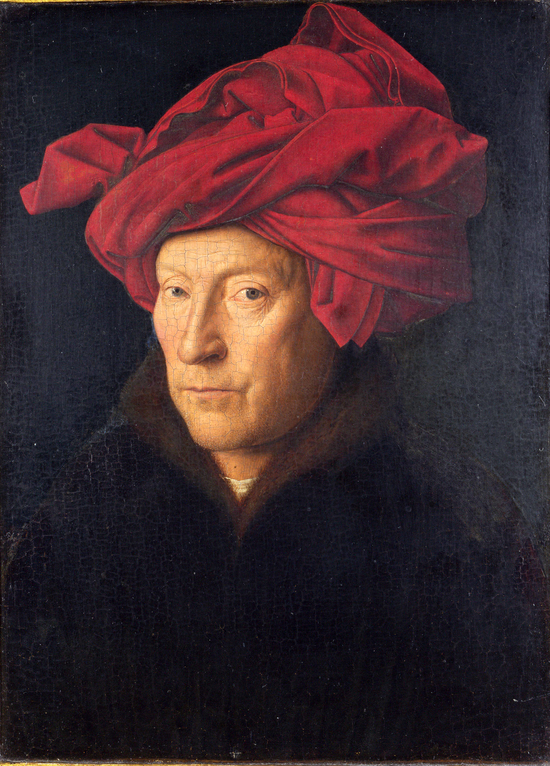
Did anyone actually invent oil painting?
Oil painting did not begin with a single genius. The earliest proven use of drying oils as a binder shows up in 7th-century murals in the Bamiyan caves of Afghanistan. Later, a 12th-century European text by a monk known as Theophilus described how to mix pigments with oil. By the early 1400s, Northern European masters refined the method to a high craft.
So why do people ask who invented oil painting? Because Jan van Eyck made the method shine. He used thin glazes, clean edges, and luminous color that felt new. That leap in quality spread fast, so many assumed he invented it. He perfected it, but he did not invent it.
If you want a reliable, complete answer to who invented oil painting, think of it as a timeline, not a single event. That view matches what we see in labs, in archives, and on the surfaces of old panels.

From caves to courts: early evidence and spread
- 7th century: In the Bamiyan caves, tiny paint samples show walnut and perhaps poppyseed oil. That is clear, lab-based proof of oil binders well before the Renaissance.
- 12th century: Theophilus wrote a practical manual on craft. He described using linseed oil with pigments and gave tips to speed drying.
- 13th–14th centuries: Artists in Europe used oil for underlayers, metalwork, and varnish-like coats. Tempera was still the main paint for panels.
- Early 15th century: In Flanders, Jan van Eyck, Robert Campin, and Rogier van der Weyden pushed oil painting to a new level with layers, glazes, and sharp detail.
- Late 15th century: Antonello da Messina carried Northern know-how to Italy. Venice took to it with force. Then came Bellini, Giorgione, and Titian.
- 16th–17th centuries: Oil painting ruled. Leonardo, Raphael, and later Rubens and Rembrandt stretched what oil could do.
This is the factual path that answers who invented oil painting. It was a steady rise, not a single birth.

Why oil painting changed art
Oil binds pigment in a flexible, slow-drying film. That slow pace is a gift. It lets you blend soft edges and build form with ease. Unlike brittle tempera, oil can layer and glaze, which creates depth and glow.
- Subtle blending: You can turn a cheek or a cloud in one sitting.
- Glazing: Thin, transparent layers make colors sing without chalkiness.
- Durability: The film resists moisture better than egg tempera.
- Range: From razor detail to heavy impasto, all in one medium.
This is why the question of who invented oil painting still matters. The medium reshaped how artists think, plan, and see.
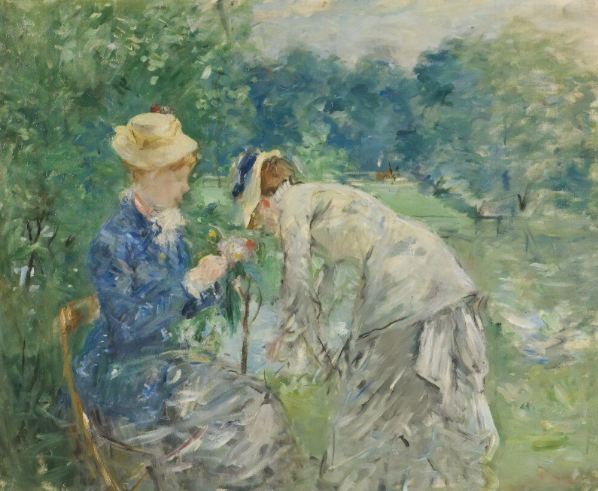
How van Eyck and the Northern masters perfected the craft
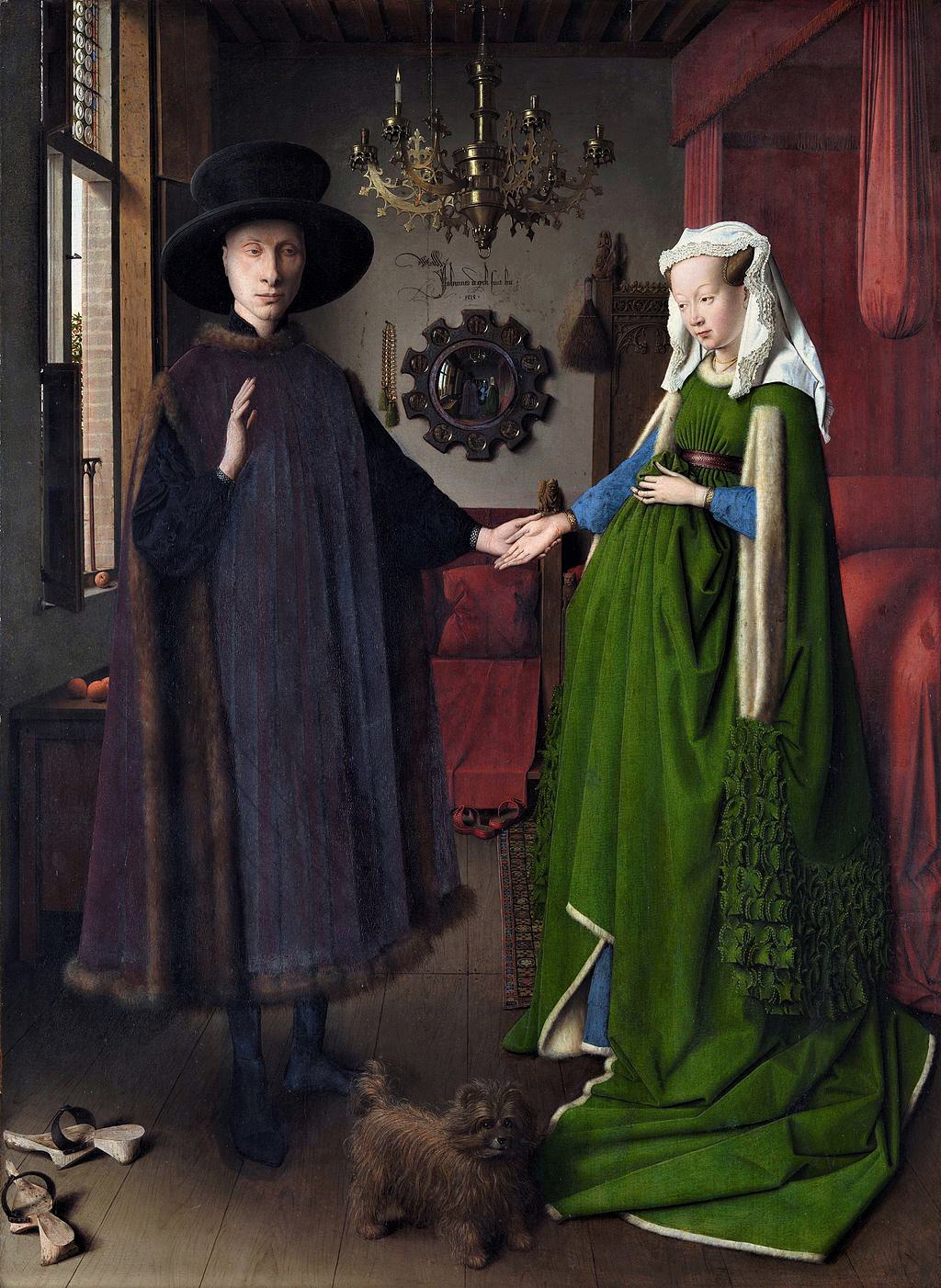
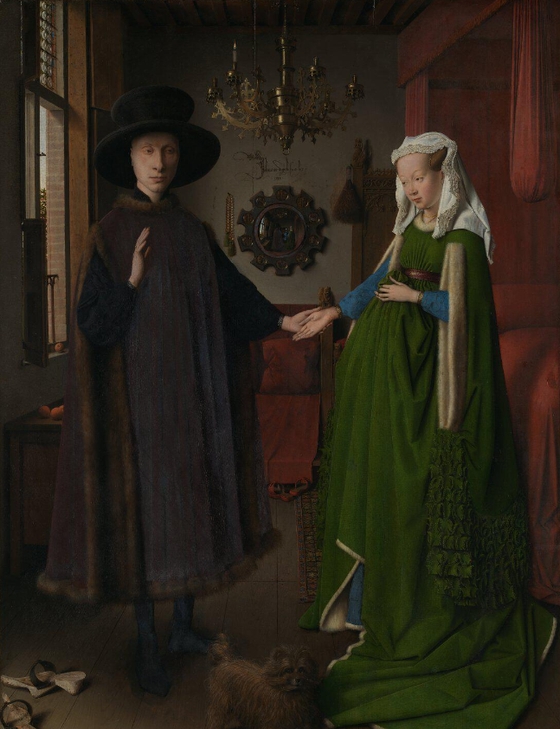
Jan van Eyck did not invent oil paint, yet he set its gold standard. His panels often start with a careful underdrawing. He then laid thin, opaque paint to fix forms, followed by transparent glazes. Think of The Arnolfini Portrait. You see glass, fur, brass, and skin all rendered with precise control.
Key refinements they used:
- Lean-to-fat layering: Start with lean mixes, add more oil as you build.
- Smooth grounds: Fine, chalk-gypsum layers over wood for a polished base.
- Clean oils: Sun-thickened linseed or walnut oil gave clarity and flow.
- Subtle glazes: Multiple passes to shape light, not just color.
When people ask who invented oil painting, they often mean who made it great. Van Eyck and his circle did that.
Materials and methods that define oil painting
Oil paint is simple: pigment plus a drying oil. Yet small choices change a lot.
- Oils
- Linseed oil: Strongest film. Yellows a bit more. Great for most colors.
- Walnut oil: Less yellowing. Slower drying. Loved for blues and skin tones.
- Poppyseed oil: Very pale. Slow to dry. Best for light tints and whites.
- Mediums
- Straight oil: Smooth and rich, but go easy to avoid wrinkles.
- Oil plus solvent: Thins paint. Use in early layers.
- Oil-resin mixes: Add gloss and flow for glazes.
- Core rules
- Fat over lean: More oil in later layers to prevent cracking.
- Thick over thin: Heavier layers come after thinner ones.
- Slow over fast: Let each pass set before the next.
If you study who invented oil painting, you will see the method is the message. The craft is a stack of small, wise choices.

My bench notes: lessons from restoration and studio practice
I learned the most by looking at old paint in cross-section. Under the microscope, you see clear layers: a warm underpaint, then a cool glaze, then a soft varnish. The stack explains the glow. It is not magic. It is planning.
Practical tips I share with students:
- Pre-tone your ground. A mid-value base speeds choices.
- Build in passes. Map forms in lean paint, then glaze for depth.
- Keep mediums simple. One oil, one solvent, one resin at most.
- Track drying. Touch-dry does not mean cured. Patience saves surfaces.
If you chase who invented oil painting to learn its secrets, put those secrets to work on your own canvas.
Debunking common myths about who invented oil painting
- Myth: Jan van Eyck invented oil painting.
- Reality: He refined it. Earlier sources and sites show oil use centuries before.
- Myth: Oil paint always dries slow.
- Reality: Pigment choice, oil type, and layer thickness change dry time a lot.
- Myth: You must use harsh solvents.
- Reality: You can paint solvent-free with oil and safer mediums.
- Myth: Glazing is only for old masters.
- Reality: Modern painters glaze too. The physics of light in thin films still works.
When people ask who invented oil painting, they often want a hero. The truth is a chain of makers and fixes over time.
Timeline at a glance
- 7th century: Oil binders in the Bamiyan murals.
- 12th century: Theophilus explains oil-based methods.
- 14th century: Oil used with tempera in Europe.
- Early 15th century: Flanders perfects full oil painting on panel.
- Late 15th century: Technique spreads to Italy; Venice leads.
- 16th–17th centuries: Oil painting dominates Europe.
- 19th century: Paint in tubes fuels outdoor work and color study.
This simple arc gives a firm answer to who invented oil painting. It also shows why the medium won.
Frequently Asked Questions of who invented oil painting
Did Jan van Eyck invent oil painting?
No. Evidence shows oil binders long before his time. He perfected technique and spread its fame, which is why the myth stuck.
What is the earliest proof of oil-bound paint?
Paint samples from 7th-century Bamiyan murals show drying oils. That is solid, lab-backed proof of early oil use.
Why does the myth about who invented oil painting persist?
His paintings looked so new that writers credited him with invention. Later books repeated the claim, and it became a catchy story.
Who brought Northern oil technique to Italy?
Antonello da Messina is often named for this role. Venice then advanced the method through Bellini, Giorgione, and Titian.
How is oil painting different from tempera?
Tempera dries fast and matte, with crisp edges but little blending. Oil dries slower, blends well, layers deep, and can be glossy.
Which oil yellows least over time?
Walnut and poppyseed oils yellow less than linseed. Many artists still prefer linseed for strength and control.
Can I paint in oils without toxic solvents?
Yes. Use straight oil or modern, low-odor, safer mediums. Keep airflow good and use closed palettes to reduce fumes.
What rules prevent cracking in oil paintings?
Use fat over lean, thick over thin, and slow over fast. Let layers set before adding the next.
Did Leonardo da Vinci change oil painting?
He pushed soft transitions and glazing, known as sfumato. His work proved how oil could model light like air.
Is who invented oil painting the right question to ask?
It helps, but the better question is how the method evolved. A timeline view gives you the tools to paint smarter today.
Conclusion
There is no single inventor of oil painting. The method grew from early uses in Central Asia and medieval Europe, then reached a peak with Northern masters and spread across the Renaissance world. When you ask who invented oil painting, the honest answer is a lineage, not a lone spark.
If this sparked your curiosity, try a small study with lean underpaint and two light glazes. See how the glow builds. Want more deep dives on art history and craft? Subscribe, share your thoughts, or drop a question for a future guide.