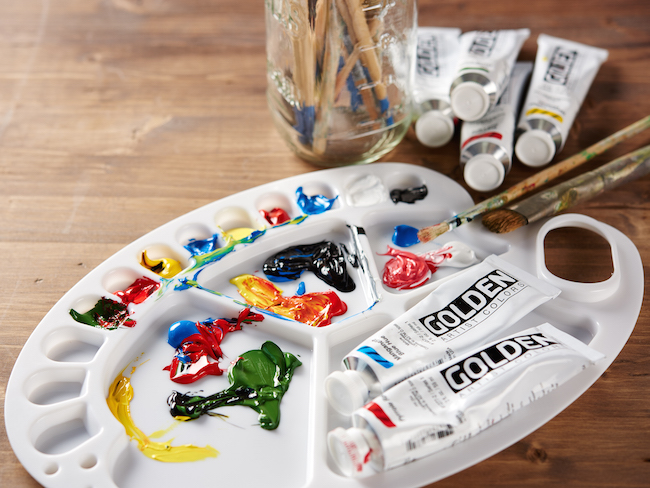
Acrylic and oil paints are best for canvas; choose based on speed, style, and finish.
If you want to know what type of paint to use on canvas, you are in the right place. I have painted on canvas for years in studios, classes, and client jobs. I will show you the best paint for canvas, why it works, and how to pick it for your art goals. By the end, you will be sure about what type of paint to use on canvas.
What type of paint to use on canvas: the full breakdown
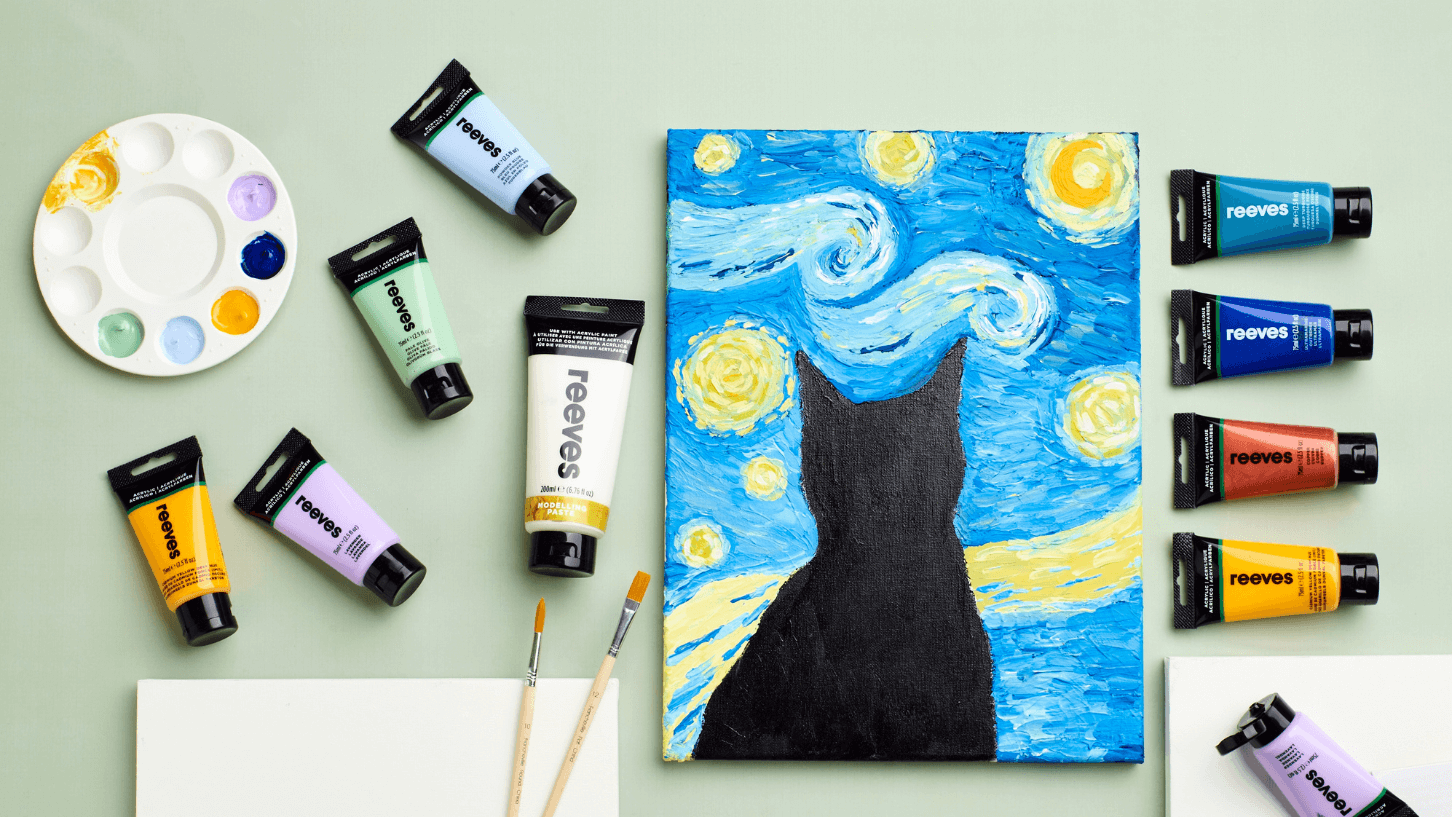
The best picks are acrylic and oil. Acrylic is fast and tough. Oil is rich and smooth. Both bond well with primed canvas. You can also use gouache and watercolor, with the right ground. But those are less common on canvas.
Here is a quick guide:
- Use acrylic if you want fast dry time and easy cleanup.
- Use oil if you want deep blends and a long open time.
- Use gouache for matte looks, but prepare the canvas well.
- Use watercolor only on canvas with watercolor ground.
- Avoid house paint for fine art. It will not age well.
When artists ask what type of paint to use on canvas, I start with lifestyle and finish. Do you want quick layers? Choose acrylic. Do you want time to blend? Choose oil. If you sell or display work, pick artist grade paint. It has higher pigment, better binders, and better lightfastness.

Acrylic on canvas: versatile, fast, and durable
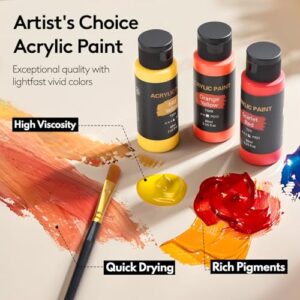
Acrylic paint is the workhorse on canvas. It grips primed canvas. It dries fast. It is easy to learn. Cleanup is simple with water and soap.
Pros:
- Fast drying lets you layer in minutes.
- Flexible film resists cracking on canvas over time.
- Water-based. Low odor. Good for small spaces.
- Many mediums for texture, gloss, matte, and flow.
Cons:
- Color shift as it dries darker.
- Short blend time unless you use a retarder.
- Can look plastic if you use too much medium or gloss.
Pro tips from the studio:
- Use gessoed canvas. Two to three coats of gesso make a big difference.
- Work fat in texture, lean in water. Too much water can weaken the film.
- Use an isolation coat before varnish to protect the paint.
- For impasto, use heavy gel. For pours, use a pouring medium, not water.
When I teach beginners who ask what type of paint to use on canvas, I start with acrylic. Students gain wins fast. They can glaze, scumble, and add texture in one session. Archival tests show artist grade acrylic has high lightfastness and strong bonds to acrylic gesso.
Oil paint on canvas: rich color and long blend time
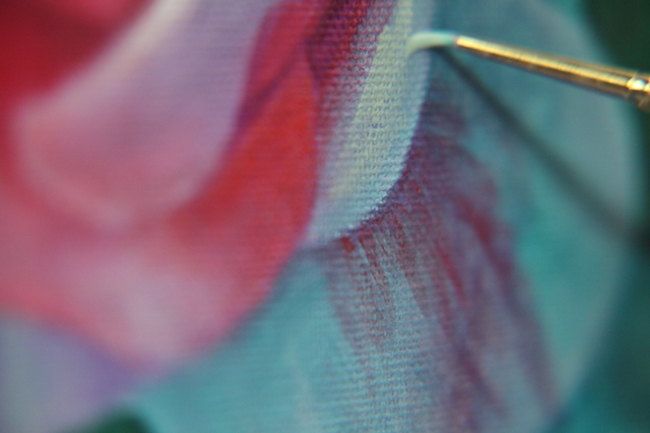
Oil paint shines on canvas. It has deep color and a smooth feel. It gives you time to blend and glaze. Classical and modern painters love it.
Pros:
- Long open time for smooth blends and soft edges.
- High pigment load and strong chroma.
- Great for glazing and depth.
Cons:
- Uses solvents unless you go solvent-free. Ventilate.
- Dry time runs from days to weeks.
- Needs fat-over-lean rules to avoid cracks.
Key practice:
- Prime the canvas with oil ground or acrylic gesso.
- Start lean. Add more oil in later layers. This avoids stress in the film.
- Try solvent-free mediums with safflower or walnut alkyd. They cut odor.
- Touch-dry is not cured. Varnish only after full cure.
From my work with clients, oil is best when they want heirloom pieces. It answers what type of paint to use on canvas for fine blends and glow. Conservation labs have shown that well-made oil films last for centuries when prepared and stored well.
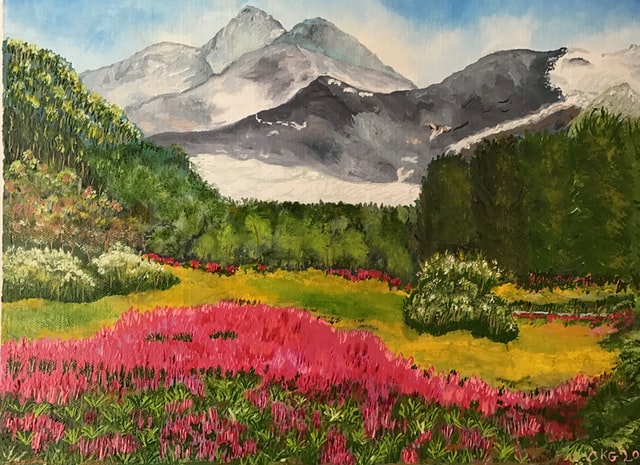
Gouache and watercolor on canvas: yes, with prep
Canvas is not built for watercolor by default. It lacks absorbency. But you can use a watercolor ground to make the surface take washes. Gouache sits on top and gives a matte look. It can crack if too thick, so be careful.
Use cases:
- Gouache for flat, velvety color and poster style art.
- Watercolor on canvas for lifting and corrections. It won’t sink in like paper.
Tips:
- Apply two to three coats of watercolor ground. Let each coat dry.
- Fix layers with a light spray varnish made for water media. Use several thin coats.
- Avoid heavy scrubbing. The surface can lift.
When artists ask what type of paint to use on canvas and want a matte, graphic look, I point to gouache on prepared canvas. It works well for bold shapes and clean edges.
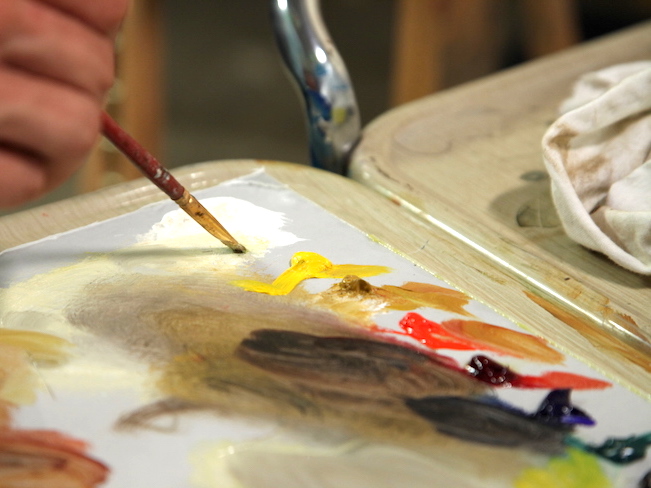
Other media on canvas: tempera, spray, markers, and more
You can use other media, but test first. Some will not last. Some need special prep.
- Tempera dries matte and fast. It can be brittle. Not ideal for thick layers.
- Spray paint can bond well on gesso. Use light coats. Wear a mask. Ventilate.
- Paint markers work for lines and details. Seal with a compatible varnish.
- House paint is for walls, not art. It often has low pigment and cheap binders.
- Enamel can yellow and crack. It is also strong in odor.
What type of paint to use on canvas should also mean what to avoid. If you want your art to age well, choose artist grade products. They are made for light and time.

Canvas prep matters: priming, tooth, and absorbency
Raw canvas can suck in oil and cause decay. Always prime. Acrylic gesso is the standard. Oil ground is also great for oils.
Steps I use:
- Lightly sand pre-primed canvas if you want a smoother feel.
- Add one or two extra coats of gesso. Let it dry between coats.
- For oils, seal the canvas fully. No pinholes. This protects the fibers.
Texture choice:
- Smooth for detail and portraits.
- Medium tooth for all-around work.
- Heavy tooth for palette knife and impasto.
Artists who ask what type of paint to use on canvas often skip this step. Prep is half the success. It helps glue the paint film to the surface for the long term.

Finish and varnish: protect your work
Varnish protects paint from dust and UV. It also unifies sheen. For acrylics, use an isolation coat first. Then add removable varnish. For oils, wait until the paint cures, then apply a removable picture varnish.
Choose your look:
- Gloss makes colors pop and darks deep.
- Satin is a safe middle ground.
- Matte cuts glare. It can lighten darks. Mix gloss and matte to tune it.
Lab tests show UV-stable varnish slows fading. This matters if you sell or gift work. What type of paint to use on canvas is only part of it. Finish is the last shield.
Common mistakes and how to avoid them
- Using student paints with weak pigment. Result: chalky colors. Upgrade your key colors first.
- Over-thinning acrylic with water. Use mediums instead for flow or glaze.
- Ignoring fat-over-lean in oils. This causes cracking. Track your mix.
- Skipping primer. Raw canvas can rot under oil. Always seal.
- Rushing varnish. Wait until the painting is ready. Test on a corner.
In my classes, this solves 80% of issues. When students ask what type of paint to use on canvas, I ask, how did you prep and finish? The answer is often the fix.
Step-by-step: choose the right paint for your canvas
- Define your goal. Speed or blend time? Gloss or matte? This guides what type of paint to use on canvas.
- Pick your base. Acrylic for speed and easy care. Oil for depth and blend.
- Prep the canvas. Add gesso coats. Sand if you want smooth.
- Test a small swatch. Check color shift, texture, and sheen.
- Plan layers. For acrylic, use mediums. For oil, go fat-over-lean.
- Protect the work. Add an isolation coat if acrylic. Then varnish.
If you still wonder what type of paint to use on canvas, try a small study with both acrylic and oil. Compare the feel. Your hand will tell you.
Cost and smart starter kits
You do not need a huge set. Buy fewer, better colors. This keeps costs low and quality high.
For acrylic:
- Titanium White, Hansa Yellow Medium, Quinacridone Magenta, Phthalo Blue, Burnt Umber.
- Matte medium, gloss gel, and a soft varnish.
For oil:
- Titanium White, Cadmium Yellow Light hue, Alizarin Crimson permanent, Ultramarine Blue, Burnt Sienna.
- Solvent-free alkyd medium and a final varnish.
Canvas:
- Pre-primed cotton for studies.
- Linen for fine work. It has tighter weave and great feel.
These kits answer what type of paint to use on canvas for most people. You can paint a wide range of colors and styles with them.
Care and longevity
Store paintings upright in a dry, cool place. Avoid direct sun. Use spacers if stacking. Dust with a soft brush. Re-varnish if needed years later.
For oils, allow full cure before tight wrapping. For acrylics, avoid heat over long periods. What type of paint to use on canvas affects care, but good habits help all media last.
Frequently Asked Questions of what type of paint to use on canvas
Can I use acrylic and oil together on canvas?
Yes, but only in one order. Acrylic first, oil on top. Never put acrylic over oil because it will not bond well.
Do I need gesso if the canvas says pre-primed?
It helps. One or two extra coats improve tooth and seal. You get smoother layers and better adhesion.
Which is safer to use at home: acrylic or oil?
Acrylic is safer due to low odor and water cleanup. You can use solvent-free oil mediums too, but still ventilate.
Why does my acrylic look darker when dry?
Acrylic binder dries clear and shifts value. Test swatches and adjust with lighter mixes if needed.
How long should I wait to varnish an oil painting?
Wait until it cures. This may take months. Use a retouch varnish in the meantime if needed.
Can I use house paint on canvas for fine art?
You can, but it is not ideal. House paint can yellow and fade faster. Artist grade paint lasts longer.
What brushes work best for canvas with acrylic and oil?
Use synthetic bristles for acrylic. Use hog or high-grade synthetic for oil. Match brush stiffness to your paint thickness.
Conclusion
Acrylic and oil are the top choices for canvas. Acrylic wins for speed, easy care, and flexible layers. Oil wins for blend time, depth, and classic looks. With the right prep, you can also use gouache and watercolor. Now you know what type of paint to use on canvas and why.
Pick one project this week. Prime a small canvas. Test two swatches side by side: one acrylic, one oil. Notice the feel and look. Then choose your path and start painting. Want more guides like this? Subscribe, share your results, or drop your questions in the comments.