Have you ever picked up a fabric for a project only to realize it wasn’t quite right? Maybe it felt too rough or didn’t hold its shape well. Understanding the differences in cotton vs linen canvas can help you make the right choice for your creative projects.
That frustration can slow down your creativity and make simple tasks harder. Choosing the right fabric, like the perfect cotton or linen canvas, can change everything. It makes sewing, crafting, or decorating smoother and more enjoyable. When you know what to expect from each type, your projects come out just as you imagined.
Understanding Cotton vs Linen Canvas
In this article, we’ll explore the key differences between cotton and linen canvas. Plus, I’ll share some top-quality fabric picks that suit different needs. Keep reading to find the right fabric that fits your style and makes your daily crafting easier and more fun.
Threadart Linen Fabric

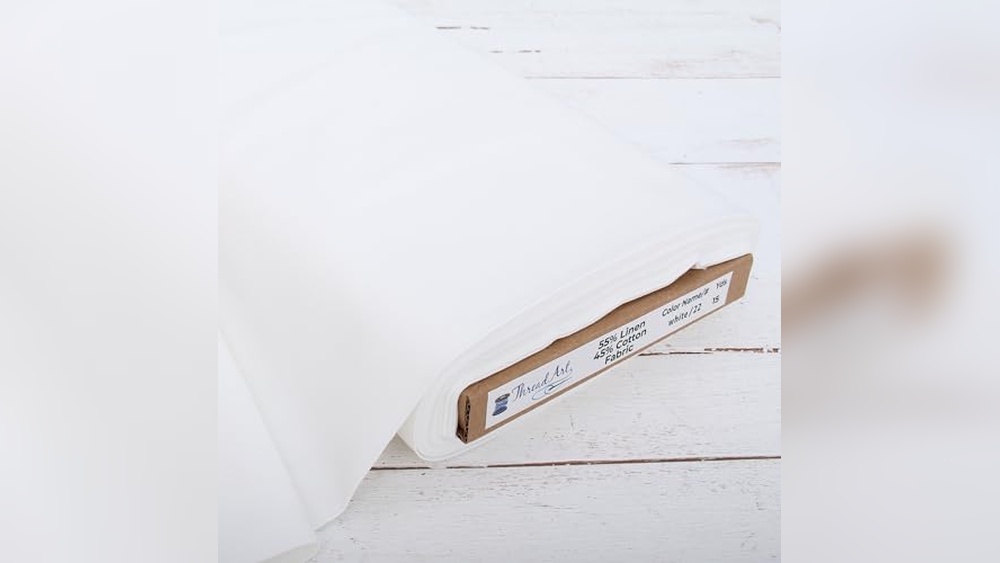
The 3 Yard Cut of Threadart Linen Fabric is ideal for crafters and designers who seek a versatile and high-quality material for their projects. Whether you are passionate about embroidery, cross stitch, creating apparel, or working on home décor and canvas crafts, this premium fabric offers the perfect foundation. Its generous width and length make it suitable for both small and large-scale projects, catering to hobbyists and professionals alike.
Pros:
- Made from premium cotton linen for durability and a natural feel
- Wide 55″ width offering ample fabric for various projects
- Ideal for detailed needlework like embroidery and cross stitch
- Bright white color provides a clean and versatile base
- Generous 3-yard length suitable for apparel and home décor creations
Cons:
- May require pre-washing to prevent shrinkage before use
- Natural linen texture might not suit projects requiring ultra-smooth fabric
This Threadart Linen Fabric boasts a premium cotton-linen blend that combines the breathability of cotton with the strength of linen, ensuring long-lasting use and comfort. Its substantial width of 55 inches allows users to cut larger pieces without seams, which is especially beneficial for apparel makers and home décor designers. The crisp white shade provides an excellent canvas for vibrant embroidery threads and paints, enhancing the visual impact of your creative work.
Additionally, the fabric’s texture strikes a balance between smoothness and natural weave, making it perfect for intricate needlework like cross stitching or embroidery. Its robust quality ensures that even after multiple washes, it maintains shape and color, giving projects a professional and polished finish. Whether you’re stitching detailed patterns or sewing garments, this fabric supports creativity with reliability and style.
To buy this product, click here.
Threadart Linen Fabric By The Yard
Cotton and Linen Compared, Fibre by Fibre
Weave and surface
Cotton duck is woven from short staple fibres and gives a regular, fairly uniform tooth. Linen is woven from flax, a long bast fibre, and the thread varies naturally in thickness, which is why linen shows those characteristic irregular slubs. Painters who want a smooth, predictable surface for detailed or photorealistic work often prefer a fine cotton; painters who want the weave to be part of the picture prefer linen.
Strength and dimensional stability
Flax fibres are stronger than cotton and, more importantly, they absorb and release moisture with far less movement. A cotton canvas slackens in humid weather and tightens when it is dry, which over decades contributes to cracking in the paint film. Linen holds its tension. This is the real reason conservators and professional painters favour it, and the reason museum collections are overwhelmingly on linen.
Weight and price
Cotton duck is commonly sold in numbered weights, with heavier numbers meaning a denser cloth; anything around 10 ounce or heavier is reasonable for a stretched painting. Linen costs several times more for the same size, which is the honest reason most people paint on cotton. A sensible compromise is to practise on cotton and reserve linen for work you intend to sell or keep.
Oil primed and acrylic primed
This choice matters as much as the fibre. Acrylic primed canvas, the white gesso surface sold almost everywhere, accepts both acrylics and oils and is slightly absorbent. Oil primed canvas, usually a warm off white, is made for oils only; acrylic will not bond to it properly and will eventually lift. Oil primed linen gives the slick, low absorbency surface that makes oil paint move the way classical painters describe.
Which One to Use for Your Project
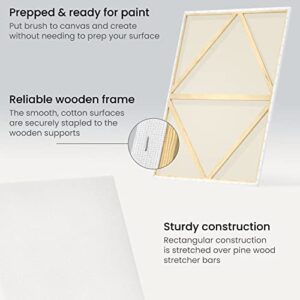
For learning, for studies, for acrylic work and for anything you may paint over, cotton is the sensible choice and there is no artistic penalty. For commissioned work, for oil paintings intended to last, and for large canvases where slackening becomes visible, linen earns its price. For heavy impasto and palette knife work, take the heavier cloth of whichever fibre you choose, because thin canvas flexes under pressure and the paint film eventually cracks along those flex lines.
One practical note on raw cloth. If you are buying fabric by the yard rather than a prepared canvas, it must be sized before priming when you intend to use oils. Unsized fabric lets the oil reach the fibre, and oil rots cellulose over time. Two coats of acrylic gesso serve as both size and primer for acrylic work, while traditional oil grounds need a proper size layer underneath.
Frequently Asked Questions
Is linen canvas really better than cotton?
For longevity, yes. Flax fibres are stronger and move far less with changes in humidity, so a linen canvas keeps its tension and the paint film cracks less over decades. For practice, studies and acrylic work, cotton performs perfectly well at a fraction of the price.
Which canvas is smoother for detailed painting?
A fine weave cotton duck usually gives the most uniform surface. Linen has naturally irregular threads that show as slubs, which many painters want but which fight against very fine detail.
What does oil primed canvas mean?
It means the ground is an oil based primer rather than acrylic gesso. It is made for oil paint only and gives a slick, low absorbency surface. Acrylic paint will not bond to it properly.
What weight of cotton canvas should I buy?
Around 10 ounce or heavier for a stretched painting. Lighter cloth flexes under the brush and under impasto, and that flexing is what eventually cracks the paint.
Do I need to size raw canvas before priming?
For oil painting, yes. Oil reaching raw cellulose fibres rots them over time, so the cloth must be sized first. For acrylic painting, two coats of acrylic gesso act as both size and primer.