How to Repair a Torn Canvas Painting: Easy Steps to Restore Art

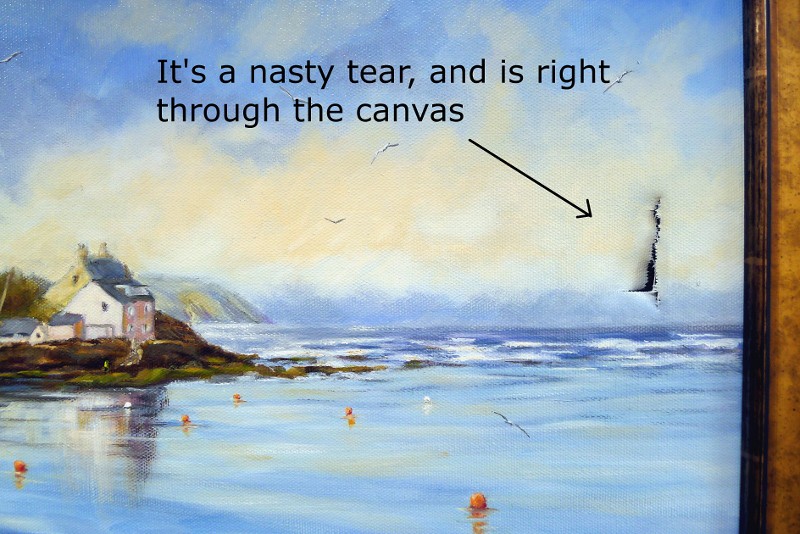
Your cherished canvas painting has a tear — it’s frustrating, right? But don’t worry, you don’t have to give up on it or rush to a costly restorer just yet.

You can learn how to repair a torn canvas painting yourself, preserving your artwork’s beauty and value. In this guide, you’ll discover simple, step-by-step methods using materials you can easily find. Whether the tear is small or more significant, you’ll gain the confidence to fix it carefully and effectively.

Ready to bring your painting back to life? Keep reading, because the solution is closer than you think.
How to Repair a Torn Canvas Painting: Easy Steps to Restore Art

Credit: www.chrischalkart.com

Tools And Materials

Repairing a torn canvas painting requires specific tools and materials to ensure a smooth and lasting fix. Using the right supplies helps maintain the artwork’s original look and prevents further damage. Prepare carefully by gathering everything needed before starting the repair.

Each material plays a key role in securing the tear and blending the patch with the original canvas. Choose items that are safe for art and easy to work with. This section explains the main tools and materials needed for a successful canvas repair.

Adhesives For Canvas Repair

Select adhesives that dry clear and stay flexible. Acrylic gel medium is a popular choice because it does not crack or yellow over time. PVA glue also works well for canvas and provides a strong bond.

Apply the adhesive on both the canvas tear and the patch. Press them together firmly for a tight seal. Remove extra glue quickly with a damp cloth before it dries.

Choosing The Right Patch Material

Use a patch made from canvas or linen similar to the original painting surface. The patch should be slightly larger than the tear to cover it fully. Avoid thin or synthetic fabrics that may not hold well.

Cut the patch carefully to fit the tear shape. A good patch blends with the canvas texture and thickness, making the repair less visible.

Additional Supplies Needed

Gather tools like a pair of scissors, tweezers, and a small brush. Scissors help trim the patch and remove loose threads. Tweezers allow you to realign canvas fibers gently.

A soft cloth or sponge is useful for wiping excess glue. A needle and thread can reinforce the repair with gentle stitching if needed. Have a clean workspace to avoid dust or dirt on the painting.

Preparing The Canvas

Preparing the canvas is the first step in fixing a torn painting. This stage ensures the repair will hold strong and look natural. Handle the canvas carefully to avoid further damage. Work in a clean, well-lit space to see all details clearly. Follow these steps to prepare the canvas properly.

Cleaning The Torn Area

Start by removing any dust or dirt around the tear. Use a soft brush or a dry cloth to clean gently. Avoid using water or harsh chemicals as they can harm the paint. Cleaning prevents dirt from getting trapped under the repair patch. This step helps glue or adhesive stick better to the canvas.

Aligning Broken Threads

Look closely at the torn edges. Use tweezers or a needle to move threads back into place. Aligning threads keeps the canvas structure intact and smooths out the tear. Take your time to match each thread as closely as possible. Correct thread alignment reduces the visibility of the repair later.

Removing Canvas From Stretcher Bars

If the tear is large or in a difficult spot, remove the canvas from its stretcher bars. Use a staple remover or flat tool to lift staples carefully. Removing the canvas makes it easier to work on the back side of the tear. Lay the canvas flat on a clean surface before starting the repair. Handle the canvas with care to avoid new tears.

Applying The Patch

Applying the patch is a key step in repairing a torn canvas painting. This process strengthens the damaged area and prevents the tear from growing. Using the right materials and techniques ensures a smooth, lasting repair. Follow each step carefully for the best results.

Cutting And Positioning The Patch

Cut a piece of canvas larger than the tear by about two inches on all sides. Use a canvas that closely matches the original in texture and weight. Position the patch behind the tear, aligning it so it fully covers the damaged area. Make sure the patch sits flat without wrinkles or folds.

Using Adhesive On Both Surfaces

Apply a thin, even layer of adhesive to the back of the torn canvas and the patch. Use acid-free glue or acrylic gel medium to avoid damage over time. Spread the adhesive gently with a brush or sponge for full coverage. Avoid using too much glue to prevent seepage through the canvas.

Pressing And Securing The Patch

Press the patch firmly against the back of the torn canvas. Use a clean cloth to smooth out air bubbles and wrinkles. Place a flat, heavy object on the patched area to keep it secure while the adhesive dries. Leave it undisturbed for several hours to ensure a strong bond.

How to Repair a Torn Canvas Painting: Easy Steps to Restore Art

Credit: www.chrischalkart.com

Fixing The Front Surface

Fixing the front surface of a torn canvas painting requires patience and precision. This step restores the artwork’s visual appeal. The goal is to make the repair blend with the original painting. Careful preparation helps avoid further damage. Using the right materials ensures a strong, smooth finish.

Filling Gaps With Modeling Paste

Use modeling paste to fill any holes or gaps in the torn area. Apply a thin layer with a palette knife. Spread it evenly across the surface. Let the paste dry completely before moving on. This material creates a solid base for paint. It also prevents paint from cracking later on.

Sanding For Smoothness

After the modeling paste dries, sand the surface gently. Use fine-grit sandpaper to smooth out bumps and rough edges. Sand until the repaired area feels level with the rest of the canvas. Be careful not to damage the surrounding paint. A smooth surface helps the paint adhere better.

Touching Up With Matching Paint

Match the paint colors as closely as possible to the original. Use small brushes to apply paint to the repaired area. Build up layers slowly for a natural look. Blend the edges carefully to hide the repair. Allow each layer to dry before adding the next. This step restores the painting’s original beauty.

Handling Large Tears

Large tears in canvas paintings need careful handling to avoid more damage. These tears can cause the canvas to warp or weaken. Fixing them requires patience and the right materials. Below are practical steps to handle big tears effectively.

Flattening Canvas On Hard Surface

Place the torn canvas face down on a clean, hard surface. Use a flat board or glass to press the canvas gently. This flattens folds and creases around the tear. Keep it flat for several hours to relax the fibers. A smooth surface helps glue and patches stick better.

Using Japanese Tissue Or Canvas Tape

Japanese tissue is thin but strong, ideal for mending canvas tears. Cut a patch slightly larger than the tear. Apply acid-free adhesive on the patch and the canvas backing. Press the patch firmly onto the back of the tear. Canvas tape works well too, offering a stronger hold. Both materials support the canvas without adding bulk.

When To Seek Professional Help

Large or complex tears may need expert repair. If the painting is valuable or has delicate paint, contact a conservator. Professionals use special techniques to preserve the artwork’s quality. Avoid DIY fixes that might cause more harm. Trust experts for the best results with serious damage.

How to Repair a Torn Canvas Painting: Easy Steps to Restore Art

Credit: www.artistsandillustrators.co.uk

Maintaining And Protecting Restored Canvas

Maintaining and protecting a restored canvas painting ensures its beauty lasts for years. After repair, the canvas remains delicate and needs careful attention. Proper care helps prevent new damage and keeps the artwork stable. Follow simple steps to support the painting’s health and display it safely.

Drying Times And Conditions

Allow the repaired canvas to dry fully before touching it. The drying time depends on the glue or medium used. Keep the painting in a warm, dry place with good air circulation. Avoid direct sunlight and high humidity, which can slow drying. Wait at least 24 to 48 hours for complete curing.

Preventing Future Damage

Handle the painting gently to avoid stress on the repaired area. Use clean hands or wear gloves when touching the canvas. Avoid hanging the painting in places with fluctuating temperature or humidity. Regularly check for signs of new tears or loosened patches. Early action can stop small issues from becoming worse.

Storage And Display Tips

Store the canvas upright and avoid stacking it under heavy objects. Use acid-free paper or cloth to cover the painting when not displayed. Hang the artwork away from direct sunlight and heat sources. Choose a stable wall with minimal vibration or movement. Use quality frames and protective glass to shield the canvas.

Frequently Asked Questions

Can You Fix A Rip In A Canvas Painting?

Yes, you can fix a rip in a canvas painting by patching the back with acid-free glue or acrylic gel. Align torn threads, apply adhesive, press a patch firmly, then fill gaps and retouch paint for a seamless repair.

What Glue To Repair Canvas?

Use archival, acid-free glue like PVA glue or acrylic gel medium. They dry clear, stay flexible, and prevent cracking.

Can You Paint Over An Already Painted Canvas?

Yes, you can paint over an already painted canvas. Sand the surface lightly for better paint adhesion. Use acrylic or oil paints suitable for the canvas type. Ensure the previous layer is dry and clean before repainting. This technique refreshes or alters your artwork effectively.

How To Repair Small Holes In Canvas?

Clean the hole edges, then apply fabric glue. Press edges together until dry. Stitch around the hole for extra strength.

Conclusion

Repairing a torn canvas painting takes patience and care. Follow each step slowly and carefully. Use the right materials to avoid further damage. Small tears can become strong with proper patches and glue. Touching up paint helps restore the artwork’s original look.

Keep your tools clean for the best results. With practice, you will improve your repair skills. Your canvas can look almost new again. Don’t rush the process—good repairs need time. This simple guide helps protect your valued paintings.

Facebook
Pinterest
Twitter
LinkedIn
Reddit
Telegram
Picture of paintingproguide

paintingproguide

Related Post

Choosing the right canvas for texture is crucial for any artist. Textured

Are you wondering if you can use water paint on canvas and

Choosing the best canvas for pen and ink art is crucial. The

Choosing the right canvas is crucial for acrylic paint portraits. Quality canvas

Leave a Reply

Your email address will not be published. Required fields are marked *

Picture of Paintingproguide

Paintingproguide

Painting

Welcome to PaintingProGuide, your ultimate resource for all things related to painting! Whether you’re a seasoned artist or just starting out, our mission is to inspire, educate, and empower you to create your best work. We believe that everyone has the potential to be an artist, and our goal is to help you unlock your creativity and achieve your artistic dreams.

Recent Posts