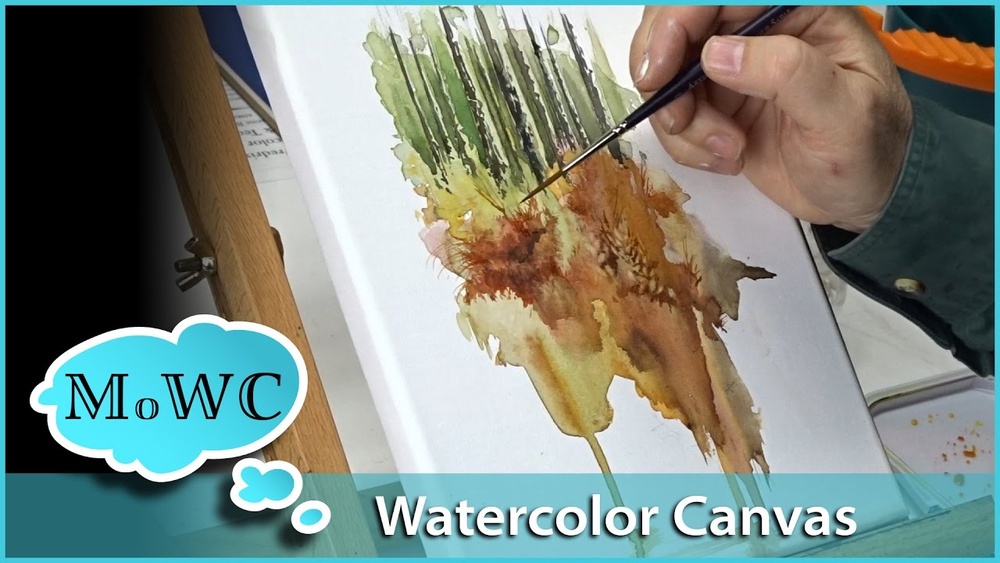
Have you ever wondered if you can use watercolors on canvas instead of paper? Maybe you’re curious if your favorite painting style can stretch beyond traditional boundaries.
The answer is yes—you can paint on canvas with watercolors! But it’s not as simple as dipping your brush and going to work. There are tricks and techniques you need to know to make your watercolor artwork look stunning on canvas.
If you want to explore this creative twist and avoid common pitfalls, keep reading. You’ll discover how to prepare your canvas, choose the right materials, and unlock new possibilities for your art. Ready to transform your watercolor skills? Let’s dive in!
Watercolor On Canvas Basics
Painting with watercolors on canvas is an exciting way to create unique art. It blends the softness of watercolor with the texture of canvas. This combination offers new effects not possible on paper. Knowing the basics helps you get the best results.
Watercolors behave differently on canvas than on paper. Preparing the canvas properly is key. Also, selecting the right type of canvas makes a big difference. Let’s explore these important points.
Canvas Vs Paper Absorbency
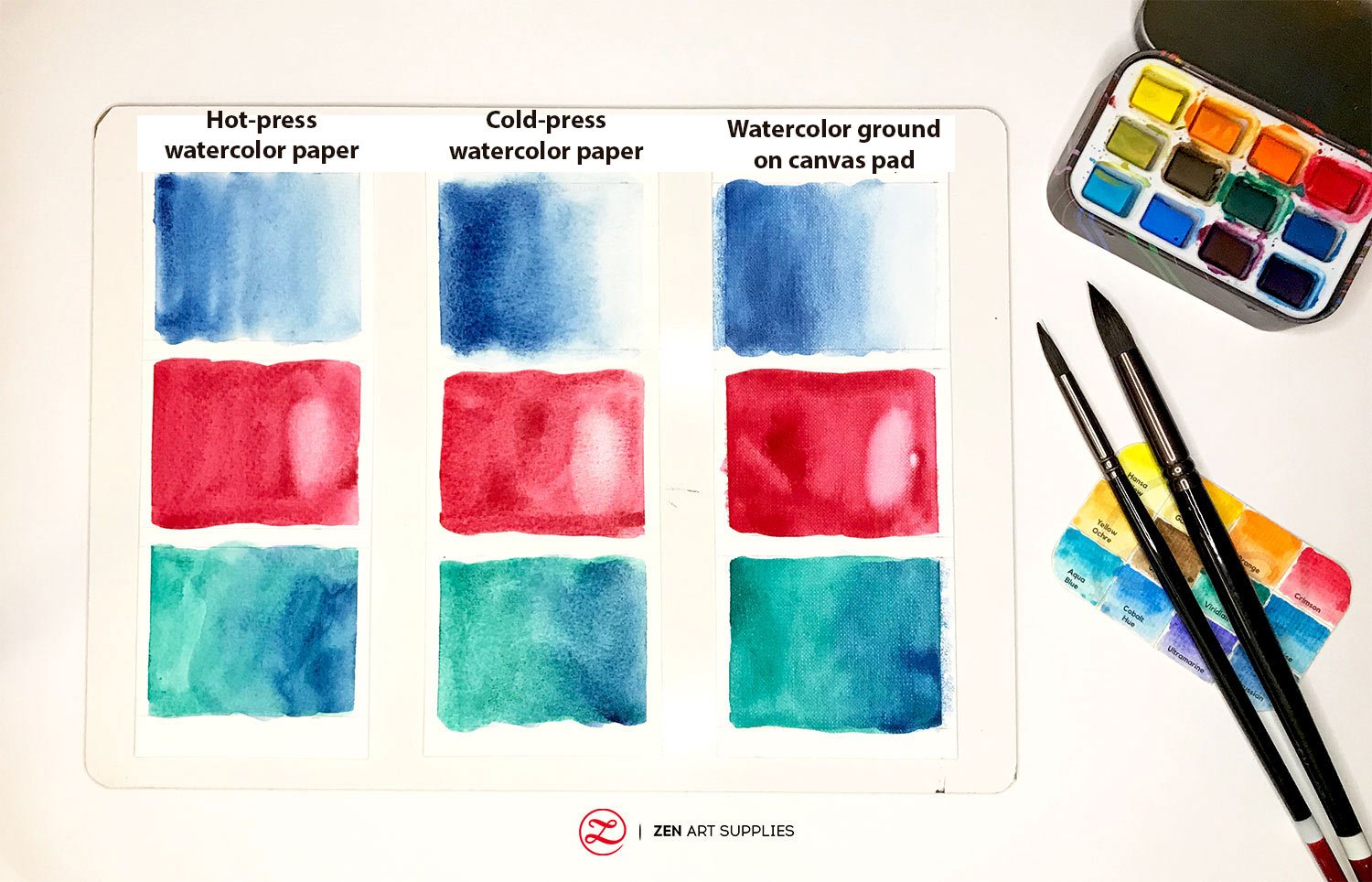
Paper soaks up watercolors quickly and evenly. This absorbency helps colors blend smoothly. Canvas is less absorbent and rougher. Watercolors can pool or bead on the surface. This changes how the paint spreads and dries. You need to adapt your technique for canvas.
Why Regular Canvas Needs Prep
Regular canvas is designed for oil or acrylic paints. It is not ready for watercolors. Without preparation, watercolors do not stick well. The paint may run or fade fast. Artists use a special primer called watercolor ground. This layer seals the canvas and creates a suitable surface. It improves paint absorption and color brightness.
Types Of Watercolor Canvas
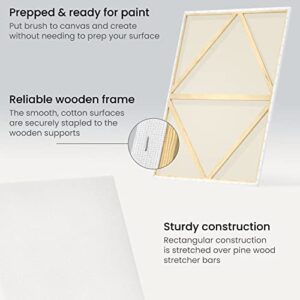
Some canvases come pre-treated for watercolors. These watercolor canvases have a smooth, absorbent surface. They save time and effort in prepping. You can find canvas boards, stretched watercolor canvases, and watercolor paper canvases. Each type offers different textures and feels. Choose based on your style and project needs.
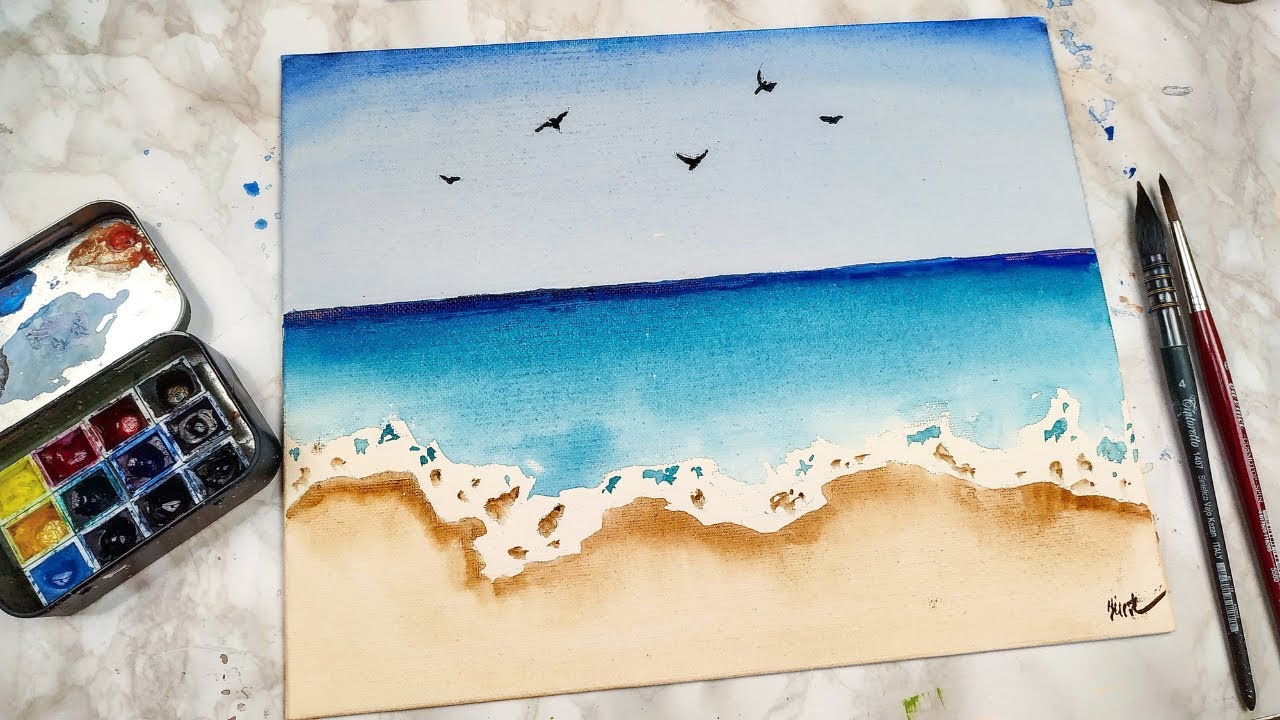
Credit: www.youtube.com
Preparing Canvas For Watercolors
Preparing canvas for watercolors requires careful steps. Watercolors behave differently on canvas than on paper. Canvas absorbs paint in unique ways. Without proper preparation, paint may not stick well or may bleed. Artists use special techniques to ready the surface. This ensures better color flow and paint adhesion. Below are key methods to prepare canvas for watercolor painting.
Using Gesso As A Base
Gesso is a popular primer for canvases. It creates a sealed surface that prevents paint from soaking in. Apply one or two thin layers of gesso. Let each layer dry fully before applying the next. Gesso gives some texture but keeps the surface smooth enough for watercolors. It helps watercolor paint sit on top without bleeding through. Using gesso improves color brightness and control.
Applying Absorbent Ground
Absorbent ground is a special primer made for watercolor on canvas. It creates a rough, porous surface to hold watercolor pigments better. Spread it evenly with a brush or palette knife. Let it dry completely before painting. This ground improves water absorption and prevents paint pooling. It allows for more delicate washes and finer details on canvas. Absorbent ground is ideal for detailed watercolor work.
Choosing The Right Canvas Panel
Canvas panels are better than stretched canvas for watercolors. Panels are rigid and less flexible, reducing paint cracking. Choose a canvas panel with a smooth surface or light texture. Avoid very rough canvas that soaks up too much water. Look for panels made for mixed media or watercolor use. The right panel supports paint well and keeps your artwork stable. This choice affects the final look and durability of your painting.
Techniques For Painting
Painting with watercolors on canvas requires adapting techniques to suit the surface. Canvas is less absorbent than paper, so controlling paint and water is key. Understanding how to layer, blend, and work with the texture improves results. These methods help achieve vibrant, smooth watercolor effects on canvas.
Layering And Blending Tips
Start with thin, transparent washes to build color gradually. Let each layer dry fully before adding the next to avoid muddy colors. Use a light hand for smooth blending between layers. Soft brushes help create gentle transitions. Avoid overworking areas to keep the paint fresh and lively.
Managing Water And Paint Flow
Control the water amount on your brush carefully. Too much water causes pooling and uneven drying on canvas. Use a damp brush to soften edges without flooding the surface. Tilt the canvas slightly to guide paint flow if needed. Dab excess water gently with a paper towel to prevent unwanted spread.
Working With Canvas Texture
Canvas texture affects how watercolor settles and dries. Rough textures create interesting patterns but may require more paint for coverage. Use flat brushes to work paint into the weave gently. For smoother results, prime the canvas with watercolor ground. Embrace the texture as part of your artwork’s character.
Common Mistakes To Avoid
Painting with watercolors on canvas offers a unique artistic experience. Avoiding common mistakes can improve your results greatly. These errors often cause frustration and unsatisfactory paintings. Recognizing them helps maintain the brightness and texture of your artwork.
Overworking The Painting
Overworking watercolor on canvas can make colors dull and muddy. Keep your brushstrokes light and confident. Avoid repeatedly going over the same area. This preserves the delicate nature of watercolors and the canvas texture.
Using Too Much Water
Using excess water can cause the paint to run uncontrollably. It may also warp the canvas surface. Control your water amount to maintain sharp edges and vibrant colors. Use a dry brush to lift extra water if needed.
Not Letting Layers Dry
Applying new layers on wet paint causes colors to mix unintentionally. This creates unwanted blotches and weakens the painting’s structure. Always wait until each layer is completely dry before adding the next. Patience ensures clean, distinct layers on canvas.
Tools And Materials
Painting with watercolors on canvas requires specific tools and materials. These help the paint stick and create beautiful effects. Choosing the right supplies makes a big difference in your final artwork. Below are the main tools you need to start watercolor painting on canvas.
Best Watercolor Paints For Canvas
Use high-quality watercolor paints with strong pigments. Tube watercolors work better than pans for canvas. They offer richer colors and smoother application. Look for paints labeled as lightfast to avoid fading. Some brands also make paints designed for mixed media, which suit canvas well.
Brush Selection
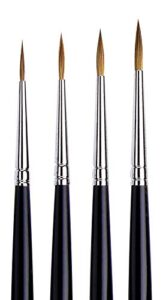
Choose brushes that hold water and paint evenly. Synthetic brushes are good for controlling watercolor on canvas. Flat brushes help cover large areas quickly. Round brushes are perfect for details and lines. Use soft bristles to avoid damaging the canvas surface.
Additional Supplies
Prepare your canvas with watercolor ground or primer. This layer allows watercolors to absorb without running. Have a palette for mixing colors and clean water for rinsing brushes. Paper towels or cloth help control excess water. Masking tape can create clean edges on your canvas.
Comparing Acrylics And Watercolors
Comparing acrylics and watercolors helps artists choose the right paint for their canvas projects. Each type of paint offers unique qualities. Understanding these differences guides better painting decisions.
Durability And Finish
Acrylics dry hard and create a strong surface on canvas. They resist water and fading over time. Watercolors are more delicate and can lift or fade easily. Canvas needs special preparation for watercolors to hold well. Acrylics give a glossy or matte finish. Watercolors usually have a soft, translucent look.
Color Vibrancy And Texture
Acrylic paints provide bright, vivid colors that stay consistent. They add texture and depth because of their thickness. Watercolors create lighter, more transparent colors. They blend smoothly but lack the boldness of acrylics. Textures from watercolors depend on the canvas and water amount used.
Suitability For Different Projects
Acrylics suit bold, detailed, and textured canvas art. They work well for mixed media and outdoor pieces. Watercolors fit soft, subtle, and layered artworks. They are better for indoor display and delicate scenes. The choice depends on the artist’s style and project needs.
Creative Ideas And Inspiration
Exploring creative ideas with watercolors on canvas opens many artistic doors. This medium offers unique textures and effects not easily achieved on paper. Artists can blend techniques and materials to create vibrant, eye-catching artworks. Inspiration flows freely when experimenting boldly and combining different tools.
Experimenting With Mixed Media
Try combining watercolors with acrylics or ink on canvas. Acrylics add texture and bold colors that contrast with watercolors’ softness. Ink lines can define shapes and add details. Layering different media creates depth and visual interest. This mix offers endless possibilities for unique, creative pieces.
Using Watercolor Pencils On Canvas
Watercolor pencils give precision and control on canvas surfaces. Sketch your design lightly, then activate colors with a wet brush. This method lets you blend drawing and painting techniques. It works well for fine details and subtle shading. Watercolor pencils add versatility and ease for beginners and pros.
Incorporating Sketches And Details
Start with a pencil or charcoal sketch on the canvas before painting. These sketches guide your watercolor layers and enhance composition. Add fine details with a small brush or colored pencils after watercolor dries. This approach builds complexity and sharpness in your artwork. Sketching and detailing make your painting stand out.
Credit: shop.zenartsupplies.co

Credit: www.artistsnetwork.com
Frequently Asked Questions
Can Watercolor Paints Be Used On Canvas?
Yes, you can use watercolor paints on canvas. Prepare the canvas with a watercolor ground for better absorption and paint adherence.
What Are Three Common Mistakes That People Make When Using Watercolor?
Three common watercolor mistakes are overworking the painting, using too much water, and not letting layers dry properly.
Is Watercolor Or Acrylic Better For Canvas?
Acrylic suits canvas better due to durability, vibrant colors, and versatility. Watercolor needs special priming to prevent beading and fading.
What Kind Of Paint Do You Use On Canvas?
Artists typically use acrylic or oil paints on canvas. Watercolors require special preparation or watercolor canvas to adhere properly. Acrylics dry fast and suit various textures. Oils offer rich colors and blend smoothly but take longer to dry. Choose paint based on your technique and desired finish.
Conclusion
Painting with watercolors on canvas is possible with the right approach. Using watercolor ground or a primed canvas helps the paint stick better. Thin layers and patience improve the results. Watercolors offer a soft, delicate look that differs from acrylic or oil paints.
Experimenting on canvas can expand your artistic skills. Keep your work simple and enjoy the process. Canvas and watercolors together create a unique art experience worth trying.