
PaintingProGuide is reader-supported. When you buy through links on this page we may earn an affiliate commission at no extra cost to you.
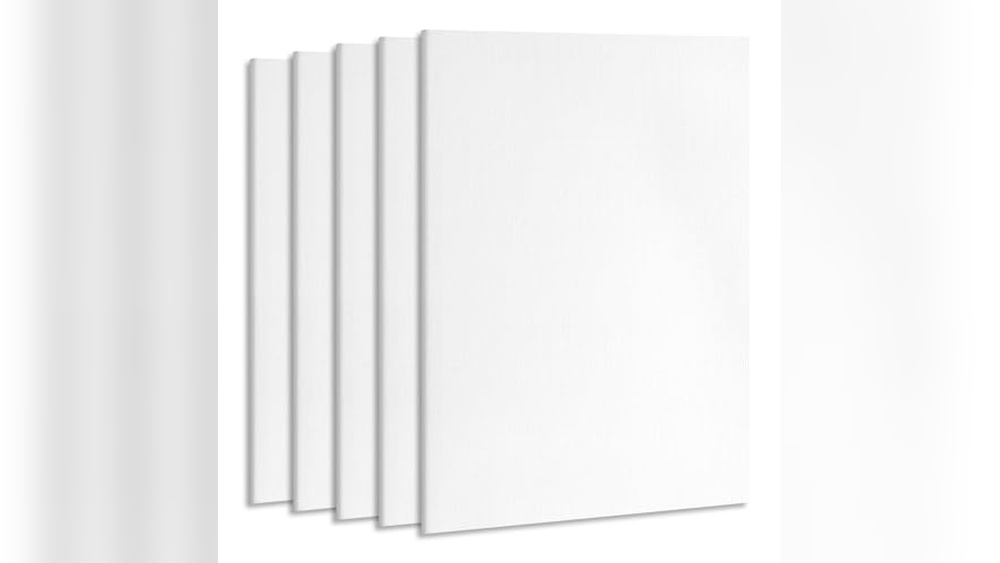
Quick answer: For oil painters, the Centurion Deluxe oil-primed linen, 16×20, box of 6 is the standout: 11 oz archival linen, oil priming and back-stapled kiln-dried pine stretchers. For studies and plein air, the Centurion oil-primed linen panel 24-pack mounts the same linen on 3 mm MDF. If you want to see the natural linen color, the Senso clear primed linen panels leave the weave visible under a clear acrylic ground.
Linen canvas for painting is the surface many oil painters move to once cotton starts to feel limiting. Linen fibers are longer and stronger than cotton, so the fabric is stiffer, less prone to sagging and stretching with humidity, and has a slightly irregular weave that many painters find livelier under the brush. It costs more, sometimes several times more, which is why it makes sense to understand what you are paying for before you buy.
This guide compares six linen options on Amazon: oil-primed stretched linen, oil-primed linen panels, clear-primed linen panels, a heavyweight Belgian linen and a cotton-linen blend with floater frames. We explain priming types, weights and textures, and when linen is worth the money compared with cotton.
Our Top Picks at a Glance
- Centurion Deluxe Oil Primed Linen, 16×20, Box of 6 — Best stretched linen for oil painters
- Centurion Deluxe Oil Primed Linen Panels, 24 Pack Mixed Sizes — Best linen panels for studies and travel
- PHOENIX 100% Belgian Linen, 24×30, 2 Pack — Best heavyweight linen for large work
- Senso Clear Primed Linen Panels, 3 Pack — Best clear-primed linen for mixed media
- INTERWARM Clear Primed Linen, 6 Pack 8×10 — Best value clear-primed linen
- FROM ONE 16×20 Cotton-Linen Canvas with Floater Frames, 4 Pack — Best ready-to-display linen blend
| Product | Best For | Key Spec | Key Strength | Price Tier |
|---|---|---|---|---|
| Centurion Deluxe 16×20, 6 | Stretched oil painting | 11 oz linen, oil primed, 0.67 in deep | Back-stapled, re-keyable | $$$ |
| Centurion Linen Panels, 24 | Studies and plein air | 12 x 5×7, 6 x 8×10, 6 x 9×12; 3 mm MDF | Oil primed, non-warping | $$$ |
| PHOENIX Belgian Linen 24×30 | Large studio work | 13 oz Belgian linen, triple acrylic gesso, 1.5 in frame | Heavyweight, gallery depth | $$$ |
| Senso Clear Primed Panels | Mixed media, natural look | Clear acrylic priming; 3 mm MDF | Linen color shows through | $$ |
| INTERWARM Clear Primed 6 Pack | Budget clear-primed linen | 8×10, clear acrylic primer | Six pieces for the price | $$ |
| FROM ONE Floater Frame Set | Ready to exhibit | 4 x 16×20; 60/40 cotton-linen, 400 gsm | Wood floater frames included | $$$ |
How We Chose
These picks are based on the Amazon listing details and specifications checked in October 2026: fiber content, fabric weight, priming type (oil, acrylic gesso or clear acrylic), stretcher or panel construction and depth, and pack sizes. We weighed those against how oil and acrylic painters use linen and looked at how widely each product is reviewed by Amazon buyers. We have not painted on these surfaces ourselves; quality descriptions are the manufacturers’.
- Fiber: 100% linen preferred; blends noted clearly.
- Weight: stated ounces or gsm, since heavier linen resists sagging.
- Priming: oil priming for oil painters; acrylic gesso for both; clear primer for a natural look.
- Construction: back-stapled stretchers, keys and rigid panel backings.
- Format range: stretched, panels and framed options.
Oil-Primed, Acrylic-Primed or Clear-Primed Linen?
- Oil-primed linen: a traditional, non-absorbent surface that oil paint glides over. For oil and alkyd only; do not paint acrylic on oil priming, as it will not bond reliably.
- Acrylic gesso (universal) primed linen: accepts both acrylic and oil. Slightly more absorbent than oil priming.
- Clear-primed linen: a clear acrylic size seals the fibers but leaves the natural tan linen color visible. Popular for portraits and contemporary work where bare linen is part of the composition, and it accepts many media.
Best Linen Canvas for Painting Reviewed
1. Centurion Deluxe Oil Primed Linen Canvas, 16×20, Box of 6 — Best for Stretched Linen for Oil Painters

Centurion’s Deluxe oil-primed linen is a familiar name among oil painters who want archival linen without import prices. This box contains six 16×20 canvases at 0.67 inches deep, made from acid-free, archival linen at 11 oz with Centurion’s exclusive OP enhanced oil priming.
The canvases are built on kiln-dried pine stretchers and back-stapled, so all four edges are paintable for frameless or floater-frame presentation, and the back-stapling allows re-keying or re-stretching. Centurion describes a medium-weight, textured surface that lets even thin color lay down without fragmenting. Buying in a box of six brings the cost per canvas down noticeably.
Best suited for: oil and alkyd painters working on finished studio pieces and commissions.
Key features:
- 6 canvases, 16×20 inches, 0.67 in deep
- 11 oz acid-free archival linen
- OP enhanced oil priming
- Kiln-dried pine stretchers, back-stapled
Pros:
- Oil priming gives a smooth, non-absorbent surface
- Paintable edges
- Re-keyable construction
Cons and limitations:
- Oil only; not for acrylic
- Premium price tier
- Standard depth rather than gallery depth
Buying consideration: If you paint in acrylic as well as oil, keep these for oil and buy acrylic-primed linen for acrylic work.
2. Centurion Deluxe Oil Primed Linen Panels, 24 Pack Mixed Sizes — Best for Studies and Plein Air

Panels are where many painters start with linen, because studies and plein air sketches benefit from linen’s surface without the cost of stretched canvas. This bundle includes 12 panels at 5×7, 6 at 8×10 and 6 at 9×12, all with Centurion’s 11 oz medium-weight oil-primed linen mounted on 3 mm (1/8 inch) MDF.
The panels are acid-free and archival, non-warping per the listing, and take only about a quarter of the space of a 3/4-inch canvas, which makes them easy to carry and store. They suit oil and alkyd painting.
Best suited for: plein air painters, daily painters and anyone testing linen before committing to stretched canvas.
Key features:
- 24 panels: 12 x 5×7, 6 x 8×10, 6 x 9×12
- 11 oz oil-primed linen
- 3 mm MDF backing
- Acid-free, archival, non-warping
Pros:
- Linen surface at panel prices
- Compact for travel
- Useful mix of sizes
Cons and limitations:
- Oil only
- Panels need framing to display
Buying consideration: Carry panels in a wet-panel box so finished studies do not touch each other on the way home.
3. PHOENIX 100% Belgian Linen Canvas, 24×30, 2 Pack — Best for Heavyweight Linen for Large Work

Larger canvases put more strain on fabric, which is where heavyweight linen earns its cost. PHOENIX lists 100% Belgian linen at 13 oz with a medium, archival weave, triple-primed with acid-free acrylic gesso, so it works with both oil and acrylic.
The canvases are stretched on 1.5-inch-thick solid pine frames and back-stapled for gallery-wrap presentation. The maker describes enough tooth for paint adhesion while staying smooth enough for fine detail, suited to still life, portraits and general studio work.
Best suited for: large studio paintings, portraits and painters who switch between oil and acrylic.
Key features:
- 2 canvases, 24×30 inches
- 13 oz 100% Belgian linen
- Triple-primed acid-free acrylic gesso
- 1.5-inch solid pine frame, back-stapled
Pros:
- Heavyweight linen resists sagging
- Works with oil and acrylic
- Gallery depth
Cons and limitations:
- Premium price tier
- Only two canvases
Buying consideration: Gallery-depth sides look finished unframed; continue the painting around the edges or paint them a neutral color.
4. Senso Clear Primed Linen Panels, 8×10, 3 Pack — Best for Clear-Primed Linen for Mixed Media

Clear-primed linen keeps the warm, natural color and weave of the linen visible, which many portrait and contemporary painters use as a midtone. Senso’s panels feature a clear acrylic priming over a medium-tooth natural linen weave, mounted on a 3 mm archival MDF board with acid-free glue.
Senso lists an unusually wide range of compatible media: acrylic gouache, acrylics, egg tempera, casein, oils, pastels, graphite, charcoal and technical pens. The panels are stiff enough for heavy paint layers and collage. The same panels come in many sizes, including a 9×12 three-pack.
Best suited for: mixed media artists, portrait painters and anyone who wants the linen color to show.
Key features:
- 3 panels, 8×10 inches (other sizes available)
- Clear acrylic priming
- Medium tooth natural linen
- 3 mm archival MDF, acid-free glue
Pros:
- Natural linen color visible
- Very versatile media compatibility
- Rigid panel
Cons and limitations:
- Only three per pack
- Clear priming is more absorbent than oil priming
Buying consideration: Tone selectively: leave areas of bare linen as part of the composition, and paint the rest opaquely.
5. INTERWARM Clear Primed Linen Canvas, 6 Pack 8×10 — Best for Value Clear-Primed Linen

INTERWARM offers clear-primed linen in a six-pack of 8x10s, a lower cost per piece than most clear-primed options. The special clear acrylic primer lets the natural linen color show and accepts oils, acrylics, graphite, pastels and pens.
The listing is mixed on format: its title says panels, while its bullets describe back-stapled pine stretchers with keys included. Check the current listing images to confirm which you will receive. The maker highlights strong oil adhesion in thick or thin layers.
Best suited for: painters trying clear-primed linen on a budget.
Key features:
- 6 pieces, 8×10 inches
- Clear acrylic primer
- Medium texture
- Back-stapled with keys, per bullets
Pros:
- Good price per piece
- Natural linen look
- Works with oil and acrylic
Cons and limitations:
- Listing is inconsistent about panel versus stretched format
- Fiber content not detailed
Buying consideration: Confirm the format on the listing before ordering if you need panels for plein air.
6. FROM ONE 16×20 Cotton-Linen Canvas with Floater Frames, 4 Pack — Best for Ready-to-Display Linen Blend

This set is not pure linen; it is a 400 gsm blend of 60% cotton and 40% linen, which the maker describes as combining linen’s structural strength with cotton’s workability. Each canvas is hand-coated with three layers of archival titanium white gesso and stretched on solid hardwood with mortise and tenon joints.
What makes it different is presentation: each 16×20 canvas comes fitted into a natural wood floater frame with a shadow gap, and a hanging kit with D-rings, screws and a screwdriver is included. It is aimed at artists preparing for shows or coordinated displays.
Best suited for: exhibitions, coordinated series and artists who want frames included.
Key features:
- 4 canvases, 16×20 inches
- 400 gsm 60% cotton, 40% linen
- Triple titanium white gesso
- Natural wood floater frames and hanging kit
Pros:
- Frames included
- Sturdy hardwood stretchers
- Ready for display
Cons and limitations:
- Blend, not pure linen
- Frames fix the canvas size
Buying consideration: Paint and varnish first, then fit the canvas into the floater; the shadow gap looks best with clean edges.
Linen Textures and Weights Explained
Linen listings use a handful of terms that are worth decoding before you buy.
- Fine or portrait texture: a tight, smooth weave that holds small details and thin glazes. Favored for portraits and realist work.
- Medium texture: the all-rounder. Enough tooth to grip paint and show some weave, smooth enough for detail. Most of the canvases in this guide are medium.
- Rough or coarse texture: a pronounced weave that breaks up brushstrokes and suits bold, expressive or large-scale work.
- Weight (oz or gsm): heavier linen is thicker and more stable. Around 11 oz is a common medium weight; 13 oz and above is considered heavyweight and is useful on large stretched canvases. 400 gsm is roughly 12 oz per square yard.
- Single or double primed: more coats of ground fill the weave further, giving a smoother surface. Triple priming is common on acrylic-primed canvas.
Preparing and Caring for Linen
Pre-primed linen is ready to paint, but a few habits help it last. Many oil painters tone the surface with a thin, lean wash of color before starting, which removes the glare of white priming and helps judge values. On clear-primed linen, test how absorbent the surface is with a small stroke; if paint sinks in too quickly, an extra coat of clear acrylic medium can seal it further.
Store linen canvases upright in a stable environment. If a stretched canvas slackens over time, tap the corner keys gently and evenly, a little at a time, rather than forcing one corner. Varnish finished oil paintings only once they are fully dry, which can take months for thick layers, and keep linen paintings out of direct sun and away from heat sources.
Buying Guide: How to Choose Linen Canvas for Painting
Linen versus cotton
Linen is stronger, stiffer and less reactive to humidity than cotton, with a more irregular weave. Cotton is cheaper, more flexible and more uniform. For oil paintings meant to last, many painters prefer linen; for practice and acrylic, cotton is usually enough. Our full cotton vs linen canvas comparison covers this in detail.
Priming
Choose oil priming only if you paint in oil or alkyd. Choose acrylic gesso priming if you want to use acrylic or both. Choose clear priming for a natural linen look or mixed media.
Weight and texture
Heavier linen, around 11 to 13 oz, is sturdier on larger stretched canvases. Texture ranges from fine (portraits, detail) to medium (general painting) to rough (bold, textured work).
Stretched or panel
Stretched linen suits finished, hangable work. Linen panels on MDF are ideal for studies, plein air and small detailed paintings.
Construction details
Back-stapled canvases with keys can be re-tensioned. Gallery-depth frames look finished without a frame.
Budget
Linen is expensive. Many painters use cotton for practice and linen panels for studies they may develop, saving stretched linen for important pieces.
Compare Linen Brands in Depth
We have reviewed the main linen ranges individually. Start with our Centurion Deluxe linen review and the broader Centurion linen canvas review, then compare Claessens linen canvas, a long-established Belgian maker, along with the Blick linen canvas review and the Arteza linen canvas review for more budget-friendly options.
Common Mistakes to Avoid
- Using acrylic on oil-primed linen. Acrylic will not bond reliably to oil priming.
- Buying stretched linen for practice. Use panels or cotton for studies.
- Ignoring weight on big canvases. Light linen can still sag at large sizes.
- Over-tightening keys. Tap keys gently; too much tension can crack paint.
- Storing linen in damp rooms. Humidity changes still affect tension.
- Assuming a blend is pure linen. Check fiber content in the listing.
FAQs
Is linen canvas better than cotton?
Linen is stronger, stiffer and more stable, and many oil painters prefer its surface. Cotton is cheaper and perfectly good for practice and most acrylic work. “Better” depends on your medium and budget.
Can I use acrylic paint on linen canvas?
Yes, on acrylic-gesso-primed or clear-primed linen. Do not use acrylic on oil-primed linen.
What is oil-primed linen?
Linen coated with an oil-based ground. It gives a smooth, non-absorbent surface that oil paint glides over, but it is for oil and alkyd paints only.
What is clear-primed linen?
Linen sealed with a clear acrylic size that leaves the natural fabric color visible. It accepts oil, acrylic and many dry media.
Are linen panels worth it?
Yes for studies and plein air. You get the linen surface on a rigid backing at a lower cost than stretched linen.
Why is linen canvas so expensive?
Flax fiber is costlier to grow and process than cotton, and linen weaving and priming add to the price.
Final Recommendation
Oil painters wanting stretched linen should start with the Centurion Deluxe oil-primed 16×20 box of six, and use the Centurion oil-primed panel 24-pack for studies and plein air. For large work in oil or acrylic, the PHOENIX 13 oz Belgian linen is the heavyweight choice. If you want the natural linen color, Senso clear-primed panels are the versatile pick and INTERWARM the budget option. Artists preparing for an exhibition will appreciate the FROM ONE cotton-linen set with floater frames included.




One Comment