How to Do Dry Brush Technique With Acrylics: Expert Tips Revealed

How to Do Dry Brush Technique With Acrylics

If you’ve ever wanted to add texture and depth to your acrylic paintings without complicated techniques, the dry brush method is exactly what you need. This simple yet powerful approach lets you create soft, scratchy strokes that bring your artwork to life.

You’ll discover how to master the dry brush technique with acrylics step by step. Whether you’re a beginner or looking to refine your skills, you’ll learn how to control your brush, choose the right paint amount, and achieve stunning effects that make your art stand out.

Ready to transform your acrylic paintings? Let’s dive in and unlock the secrets of dry brushing together!

How to Do Dry Brush Technique With Acrylics: Expert Tips Revealed

Credit: www.youtube.com

Materials Needed

Gathering the right materials makes dry brushing with acrylics easier and more enjoyable.

Choosing quality supplies helps achieve the best texture and detail in your painting.

Choosing The Right Brush

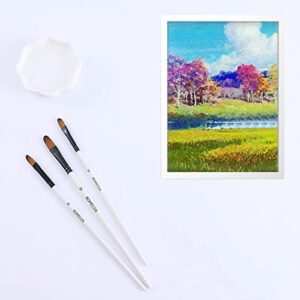
Select a brush with stiff, natural bristles for dry brushing.

Flat or fan-shaped brushes work well to create textured strokes.

Use a small to medium size brush to control paint application better.

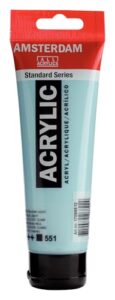
Selecting Acrylic Paints

Pick acrylic paints with a thick consistency for dry brushing.

Matte or satin finishes help create subtle highlights and texture.

Choose colors that contrast well with your base coat for best results.

Additional Tools

Use a palette or plate to remove excess paint from the brush.

Keep paper towels or a cloth handy to blot your brush frequently.

A primed canvas or surface works best for dry brushing techniques.
How to Do Dry Brush Technique With Acrylics: Expert Tips Revealed

Credit: santafepaintingworkshops.com

Preparing Your Workspace

Preparing your workspace is key to a smooth dry brush painting experience. A clean, organized area helps you focus on creating delicate textures with acrylics. Setting up everything before you start saves time and keeps frustration away. It also protects your tools and canvas from accidental spills or damage.

Keep your workspace bright and well-ventilated. This improves visibility and comfort during painting. A flat, stable surface is best to hold your canvas and supplies steady. Arrange your materials so that each item is easy to reach without clutter.

Setting Up Your Canvas

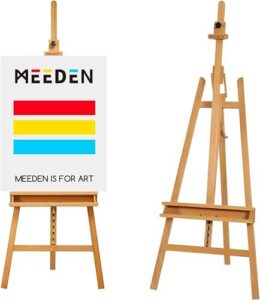
Choose a canvas size that suits your project. Place it securely on an easel or flat table. Ensure the canvas surface is clean and dry. If needed, prime it with gesso for better paint adhesion. Position the canvas at eye level to reduce neck strain. Proper placement helps you control brush strokes precisely.

Organizing Paints And Brushes

Select acrylic paints in the colors you plan to use. Squeeze small amounts onto a palette for easy mixing. Keep your brushes within arm’s reach to maintain workflow. Use a variety of brush sizes, especially stiff bristle brushes for dry brushing. Arrange brushes by size or type to find them quickly. Have a jar of water and paper towels nearby for cleaning and drying brushes.

Brush Preparation

Preparing your brush is the first step in the dry brush technique with acrylics. Proper brush preparation ensures the paint applies in thin, textured layers. This step controls how much paint transfers and how the brush strokes appear on the surface.

Take time to get your brush ready. The right preparation helps achieve the classic dry brush look with minimal effort and great results.

Loading The Brush Correctly

Start by dipping only the tip of your brush into the acrylic paint. Avoid soaking the brush fully. The goal is to have a small amount of paint on the bristles.

Swirl the brush gently in the paint to pick up color evenly. Too much paint will ruin the dry brush effect. Keep the paint layer thin and light.

Removing Excess Paint

After loading, remove extra paint by brushing on a paper towel or scrap paper. Press lightly and stroke the brush across the surface a few times.

This step helps dry out the brush slightly. The brush should feel almost dry but still hold a hint of color. This balance creates the textured, scratchy look unique to dry brushing.

Basic Dry Brush Strokes

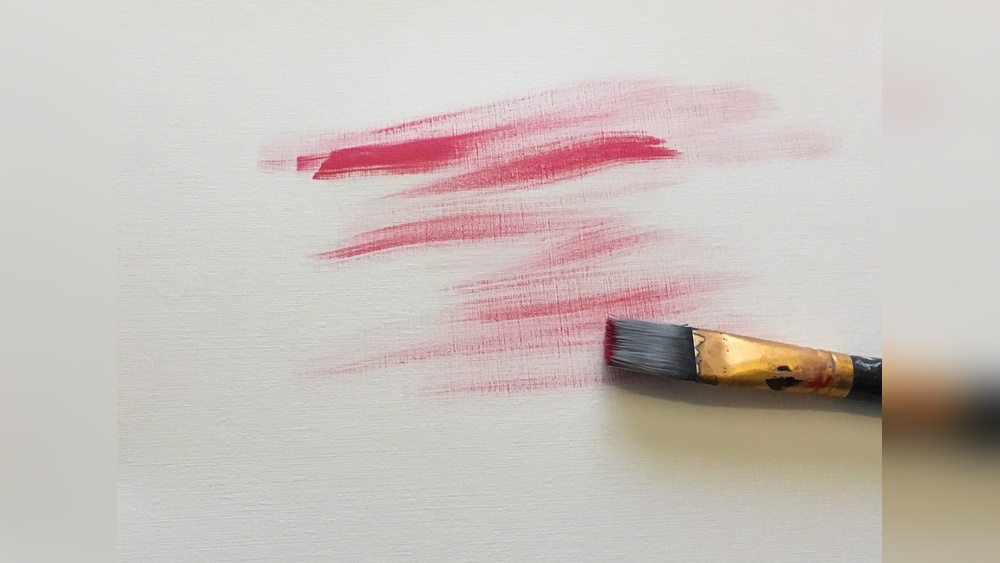
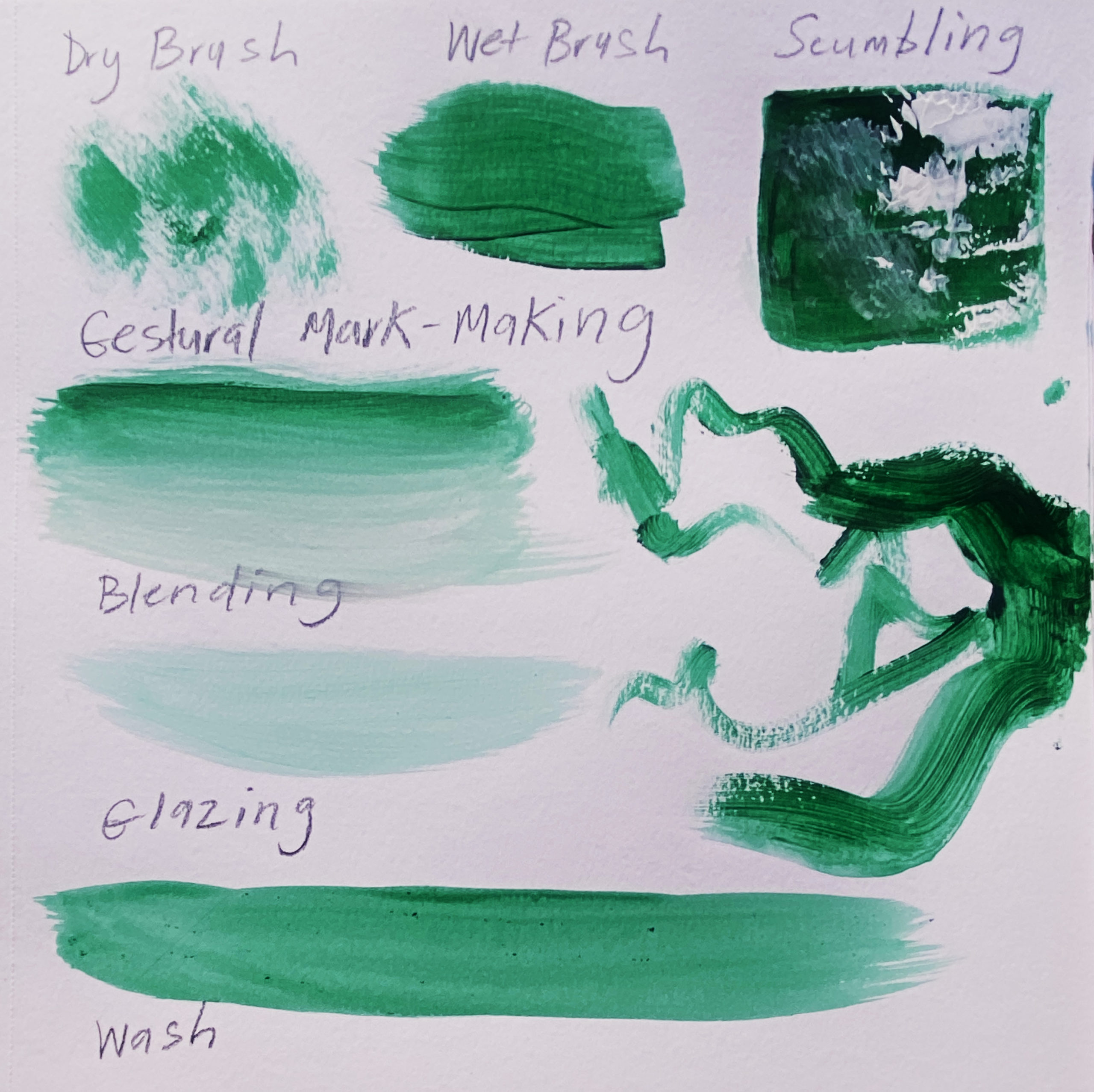
Basic dry brush strokes form the foundation of the dry brush technique with acrylics. This method uses a brush with very little paint to create soft, textured effects. The strokes are usually quick and light, allowing some of the canvas or underpainting to show through. Understanding these strokes helps add depth and interest to your artwork.

Practice simple strokes first to get comfortable with the feel of the brush. Each stroke should feel controlled but loose enough to keep the texture alive. Let’s explore how to use light pressure and how these strokes create texture and highlights.

Light Pressure Techniques

Hold your brush lightly and apply minimal pressure on the surface. The brush should feel almost dry, with just a small amount of paint on the bristles. Use short, gentle strokes that barely touch the canvas. This technique helps avoid heavy paint buildup and keeps the texture delicate.

Move your wrist freely to create a natural, broken effect. Avoid pressing too hard, or the paint will cover too much area. Try tapping the brush lightly for a speckled look. This approach works well for adding subtle details and soft edges.

Creating Texture And Highlights

Dry brush strokes add texture by leaving uneven paint marks. These marks catch light differently, which makes parts of the painting stand out. Use this to highlight raised areas or surfaces that catch light naturally.

Apply strokes in the direction of the object’s form for realistic texture. For example, use vertical strokes for tree bark or horizontal strokes for water reflections. The dry brush technique mimics natural textures without heavy paint layers.

Layer several light strokes to build depth without losing texture. This method brightens areas and adds interest to flat colors. Dry brushing highlights help your acrylic paintings feel more dynamic and alive.

Layering And Blending

Layering and blending are key steps in the dry brush technique with acrylics. They help create depth and smooth transitions in your painting. This process allows you to build texture while keeping your artwork lively and detailed.

Using layers, you add colors gradually, which enhances richness. Blending ensures these layers work together without losing the brush’s unique texture effect.

Building Depth With Multiple Layers

Start with a light base color on your canvas. Use a dry brush with minimal paint for the first layer. Let this layer dry before adding the next.

Apply each layer gently, using a soft hand to avoid covering previous work. This layering builds depth and brings out subtle color shifts. Multiple layers add complexity and richness to your painting.

Blending Without Losing Texture

Dry brushing keeps a rough texture that gives your painting a dynamic look. Blend colors softly by lightly brushing over edges. Avoid heavy strokes that smooth out texture.

Use small, controlled movements to merge colors. This method keeps texture visible while making colors flow naturally. Blending with a dry brush adds harmony without losing detail.

Common Mistakes To Avoid

Dry brushing with acrylics is a simple technique but easy to get wrong. Avoiding common mistakes helps your artwork look clean and textured. These errors can spoil your painting’s subtle effects and make it look messy. Focus on gentle, light strokes and a careful brush load for the best results.

Overloading The Brush

Too much paint on your brush ruins the dry brush effect. The brush should hold very little paint. Overloading causes thick, uneven marks. It hides the texture and detail you want to create. Dip your brush lightly and wipe off excess paint on a paper towel. This keeps your strokes light and controlled.

Applying Too Much Pressure

Pressing hard with the brush flattens the texture. The dry brush technique needs a soft touch. Use a gentle hand and let the brush’s dry bristles do the work. Heavy pressure spreads paint unevenly and covers the surface too much. Light strokes add a natural, broken look that is key to this style.

Advanced Tips

Advanced dry brush techniques with acrylics help create unique textures and effects. These tips refine your skill and add depth to your artwork. Experimenting beyond basics can inspire new creative directions.

Using Different Brush Shapes

Try using flat, round, or fan brushes for varied results. Flat brushes offer sharp, broad strokes, ideal for rough textures. Round brushes create softer, detailed marks, perfect for subtle highlights. Fan brushes spread paint lightly, useful for natural textures like grass or fur. Changing brush shape changes the dry brush effect dramatically. Use small brushes for fine details and larger ones for bigger areas.

Incorporating Dry Brush In Mixed Media

Combine dry brushing with other media like watercolor or charcoal. Dry brush over watercolor adds texture without disturbing the wet paint. It can highlight or add shadows over pencil sketches. Try layering dry brush on textured paper or canvas for extra depth. Use it to blend acrylic with pastels or ink for interesting contrasts. This technique brings life and complexity to mixed media pieces.

Cleaning And Maintenance

Proper cleaning and maintenance of your brushes keep them in good shape. This helps your dry brush technique stay consistent and smooth. Neglecting brush care can ruin bristles and affect your painting quality. Clean brushes quickly after use to remove acrylic paint before it dries hard.

Proper Brush Cleaning

Rinse your brush under lukewarm water right after painting. Use gentle soap or brush cleaner to remove all paint. Work the soap into the bristles with your fingers. Avoid harsh scrubbing to protect the brush shape. Rinse well until water runs clear. Gently squeeze out excess water with a towel. Never leave paint to dry on the brush. This can cause stiff bristles and damage.

Storing Your Brushes

Store brushes with bristles pointing up or flat to keep their shape. Avoid placing brushes bristle-down in jars or containers. Let brushes dry completely before storing them away. Keep brushes in a cool, dry place to prevent mold or damage. Use a brush holder or case to organize and protect them. Proper storage extends the life of your brushes and keeps them ready for your next dry brushing project.

How to Do Dry Brush Technique With Acrylics: Expert Tips Revealed

Credit: www.your-decorative-painting-resource.com

Frequently Asked Questions

How To Dry Brush Acrylics?

To dry brush acrylics, use a stiff, dry brush with minimal paint. Apply light, quick strokes on a dry surface. Avoid overloading paint to maintain texture. Clean the brush frequently to prevent buildup. Practice on scrap material for best results.

Can Dry Brushing Help With Eczema?

Dry brushing exfoliates dead skin but may irritate eczema-prone skin. It can disrupt the skin barrier and worsen symptoms. Consult a dermatologist before trying dry brushing if you have eczema. Gentle moisturizing and avoiding harsh exfoliation are safer for managing eczema.

How To Dry Brush For Beginners?

Start with a dry, natural bristle brush on dry skin. Use gentle, upward strokes from feet to heart. Brush arms similarly. Move in clockwise circles on the stomach. Avoid sensitive or broken skin. Shower afterward and apply moisturizer to lock in hydration.

Repeat daily for best results.

Do You Have To Rinse Off After Dry Brushing?

Yes, rinse off after dry brushing to wash away dead skin cells and impurities. Follow with moisturizer to hydrate skin.

Conclusion

Dry brushing with acrylics creates unique texture and depth. Use a stiff brush with little paint for best results. Light, quick strokes build layers without overloading paint. Practice on scrap paper to control pressure and paint amount. This simple technique adds interest to your paintings easily.

Keep experimenting to find your own style. Enjoy the process and watch your artwork come alive.

Facebook
Pinterest
Twitter
LinkedIn
Reddit
Telegram
Picture of Md Jomiruddin Sobuj

Md Jomiruddin Sobuj

Related Post

You’ve just finished your painting project, and now comes the crucial part:

Finding the best paint brushes for edges can make your painting projects

Unsure what to clean oil paint brushes with? Get pro tips on
Find the perfect fan brush for acrylic painting. Enhance your art with

Leave a Reply

Your email address will not be published. Required fields are marked *

Picture of Paintingproguide

Paintingproguide

Painting

Welcome to PaintingProGuide, your ultimate resource for all things related to painting! Whether you’re a seasoned artist or just starting out, our mission is to inspire, educate, and empower you to create your best work. We believe that everyone has the potential to be an artist, and our goal is to help you unlock your creativity and achieve your artistic dreams.

Recent Posts