Have you ever thought about turning simple stones into colorful pieces of art? Acrylic painting on stones is an easy and fun way to express your creativity, even if you’ve never picked up a paintbrush before.
Imagine transforming ordinary rocks into beautiful designs that brighten your home or garden, or even become unique gifts for friends. This beginner-friendly guide will walk you through every step—from choosing the right stones and paints to sealing your artwork for lasting beauty.
Get ready to unlock a new hobby that’s relaxing, rewarding, and perfect for anyone looking to add a splash of color to their day. Keep reading, and you’ll soon be painting your own stunning stone creations with confidence!
Credit: artistro.com
Materials Needed
Starting acrylic painting on stones is exciting and fun. Having the right materials makes the process easier and enjoyable. This section explains the basic supplies you need to begin painting stones with acrylics. Each item plays a key role in creating beautiful stone art.
Choosing The Right Stones
Select smooth stones with flat surfaces for painting. River rocks and beach pebbles work well. Avoid rough or crumbly stones that may break. Stones should be clean and dry before painting. You can wash them with soap and water, then let them dry completely.
Selecting Acrylic Paints
Use quality acrylic paints for bright and lasting colors. Choose paints labeled as acrylic for best results. These paints stick well to stone surfaces. Start with basic colors like red, blue, yellow, white, and black. You can mix colors to create more shades.
Brush Types And Accessories
Use small to medium flat and round brushes. Thin brushes help with details and fine lines. Flat brushes cover larger areas smoothly. Have a palette for mixing paints. Keep a cup of water to clean brushes between colors. Paper towels help dry brushes quickly.
Primers And Sealers
Apply a primer to prepare the stone’s surface. White acrylic gesso works well as a primer. It helps paint stick better and makes colors pop. After painting, seal your stone with a clear acrylic sealer. Sealers protect your artwork from water and fading. Use spray or brush-on sealers for best results.
Preparing Your Stones
Preparing your stones is the first step in acrylic painting on stones. Proper preparation helps the paint stick well and last longer. It also makes your artwork look smoother and brighter.
Start by choosing smooth stones with flat surfaces. Rough or dirty stones can make painting harder. Clean and dry your stones carefully before painting. This process removes dirt and oils that block paint adhesion.
Cleaning And Drying
Use warm water and mild soap to clean the stones. Scrub gently with a soft brush or cloth. Remove all dirt, dust, and debris from the surface.
Rinse the stones well to wash away soap residue. Shake off excess water and pat dry with a clean towel.
Let the stones air dry completely. Moisture under paint can cause peeling or cracking later. Dry stones give a strong base for painting.
Applying Primer
Primer creates a smooth, even surface for acrylic paint. It improves paint adhesion and color vibrancy. Use white gesso or a clear acrylic primer designed for stones.
Apply a thin, even layer with a brush or sponge. Avoid thick coats that hide stone texture or cause drips.
Allow the primer to dry fully before painting. This step ensures your paint stays bright and lasts longer.
Basic Painting Techniques
Basic painting techniques form the foundation of acrylic painting on stones. These steps help beginners create smooth, vibrant designs. Following them ensures your artwork looks neat and lasts longer.
Start by preparing the stone and choosing the right tools. Acrylic paints dry fast and stick well on stone surfaces. Use small brushes for detail and larger ones for covering wide areas.
Applying Base Coats
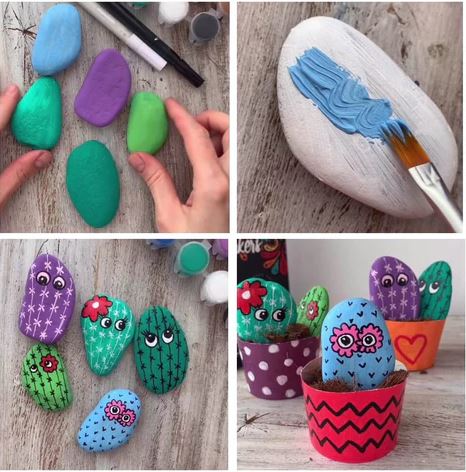
Begin by cleaning your stone to remove dirt and dust. A white or light-colored base coat brightens your design. Use a flat brush to apply paint evenly over the stone’s surface. Let the base coat dry completely before adding more layers. This step creates a smooth canvas for your artwork.
Sketching Your Design
Lightly sketch your design with a pencil or paint pen. Keep the lines simple and clear. Sketching guides your painting and reduces mistakes. For beginners, use basic shapes and patterns. Avoid pressing hard to prevent marks that are hard to cover.
Layering Colors
Apply colors in thin layers to build depth and vibrancy. Allow each layer to dry before adding the next. Use light colors first, then add darker shades for shading or contrast. Layering helps colors stay bright and prevents paint from cracking. Patience is key to a polished look.
Adding Fine Details
Use fine-tipped brushes or paint pens to add small details. Details bring your design to life and make it unique. Steady your hand by resting it on the table. Work slowly and carefully to avoid smudging. Small dots, lines, and patterns add texture and interest to your stone painting.
Credit: theartsherpa.com
Using Paint Pens And Tools
Using paint pens and other tools can make acrylic painting on stones easier and more fun. These tools help you add details and bright colors without the mess of traditional brushes. Paint pens offer control and precision, perfect for beginners who want clean lines and sharp shapes.
Different tools serve different purposes. Some are best for filling large areas, while others work well for fine details. Choosing the right tool depends on the design and the effect you want to create on your stone.
When To Use Paint Pens
Paint pens work well for small, detailed designs. They are perfect for drawing patterns, letters, and outlines. Use them after the base coat has dried to add sharp lines or small decorations. Paint pens dry quickly, which helps avoid smudging on your stone.
These pens are also useful for beginners because they are easier to hold than brushes. They give better control over the flow of paint. If your stone has a rough texture, paint pens can help you paint cleanly over bumps.
Tips For Precise Lines
Keep your hand steady for sharp, clear lines. Rest your elbow on a table to avoid shaking. Use slow, light strokes instead of pressing hard. This technique helps control the paint flow and prevents blobs.
Practice on paper before working on the stone. This builds confidence and improves your control. Clean the stone surface well before painting. Dirt or dust can make your lines uneven or blotchy.
Shake the paint pen gently before use and test it on scrap paper. This ensures smooth paint flow. If the pen clogs, wipe the tip with a damp cloth. Store your paint pens tip down to keep them ready for your next project.
Sealing Your Artwork
Sealing your acrylic painting on stones is a vital step. It protects your artwork from damage and fading. A good sealant keeps colors bright and prevents paint from chipping. This step extends the life of your painted stones, especially if placed outdoors. Proper sealing also adds a nice finish, making your stones look polished and complete.
Types Of Sealers
There are several types of sealers you can use for painted stones. Spray sealers are popular for their easy and even coverage. They dry quickly and work well for beginners. Brush-on sealers allow more control and can add texture to the surface. Resin sealers provide a thick, glossy finish and strong protection. Choose a sealer based on the look and durability you want.
How To Apply Sealant
Start with a clean, dry stone before sealing. Shake spray sealers well before use. Hold the can about 6-8 inches from the stone. Spray in light, even coats to avoid drips. Let each coat dry fully before applying the next. For brush-on sealers, use a soft brush and smooth strokes. Apply thin layers to prevent bubbles. Resin sealers need mixing before use. Pour resin carefully and spread evenly with a spatula or brush. Allow resin to cure in a dust-free area for best results.
Creative Ideas For Beginners
Creative ideas spark excitement for beginners in acrylic painting on stones. Starting simple builds confidence and joy. Choose designs that are easy yet fun to paint. This helps practice brush control and color mixing. Experimenting with different themes keeps the process engaging. Explore simple patterns, nature-inspired art, and personal messages. Each idea offers a unique way to express creativity.
Simple Patterns And Shapes
Start with basic shapes like dots, stripes, and circles. These are easy to paint and look beautiful. Use bright colors to make patterns stand out. Try repeating shapes to create rhythm and balance. Simple patterns teach you to control brush strokes. They also help in learning color combinations. These designs look great on any stone size.
Nature-inspired Designs
Paint flowers, leaves, or animals found in your garden. Nature gives endless ideas for stone painting. Use green for leaves and bright colors for flowers. Try painting a small bird or butterfly for practice. These designs connect you with the outdoors. They also improve your detail work with small brushes. Nature themes are calming and popular among beginners.
Personalized Messages
Add short words or positive quotes on your stones. Use simple fonts that are easy to read. Choose uplifting words like “joy,” “hope,” or “smile.” Personal messages make your stones special gifts. They also boost your confidence in writing with paint. Painting letters helps you practice steady hand movements. These stones spread happiness wherever they go.
Troubleshooting Common Issues
Troubleshooting common issues can help beginners enjoy acrylic painting on stones. Small problems often happen but they do not ruin your art. Knowing how to fix mistakes and maintain your work improves your results. This section covers easy solutions to frequent challenges.
Fixing Mistakes
Small errors happen to everyone. Let the paint dry before fixing. Use a damp cloth to gently wipe off fresh paint. For dried paint, lightly sand the area with fine-grit sandpaper. Apply a fresh base coat before repainting. Thin layers of paint help avoid thick patches. Work slowly and allow each layer to dry fully.
Dealing With Paint Peeling
Peeling paint usually happens if the stone is dirty or wet. Always clean stones with soap and water before painting. Let stones dry completely. Use a primer or base coat to help paint stick better. Avoid painting in humid or cold places. Seal your finished painting with a clear varnish to protect it. Store painted stones indoors to prevent moisture damage.
Maintaining Color Vibrancy
Colors can fade over time if not protected. Use high-quality acrylic paints for bright colors. Apply multiple thin layers rather than one thick layer. Seal stones with a clear acrylic sealer after painting. Keep painted stones out of direct sunlight to reduce fading. Regularly clean stones with a soft, dry cloth to remove dust. Proper care keeps your colors bright and fresh for longer.

Credit: www.youtube.com
Displaying And Gifting Painted Stones
Displaying and gifting painted stones brings joy beyond the painting process. These colorful stones brighten spaces and create thoughtful presents. They hold personal touches that make any room or gift special. Knowing where and how to show off or share painted stones enhances their value and appeal.
Indoor And Outdoor Displays
Painted stones fit well in many places inside the home. Place them on shelves, windowsills, or desks for small bursts of color. Use them as paperweights or decorative accents in plant pots. Outdoors, stones add charm to gardens, pathways, and patios. Arrange them near flower beds or along walkways to catch the eye. Sealing painted stones helps protect colors from weather damage outdoors. Choose spots where stones can be seen and enjoyed daily.
Gift Presentation Ideas
Gifting painted stones feels personal and creative. Wrap stones in tissue paper or place them in small boxes. Add a handwritten note explaining the design or meaning behind the stone. Group several stones in a decorative pouch or basket for a thoughtful set. Use natural materials like twine or burlap to keep the presentation simple and earthy. These ideas make the gift feel crafted with care and perfect for friends or family.
Where To Buy Supplies Locally
Finding the right supplies is key to starting acrylic painting on stones. Local stores offer many options for beginners. Visiting a nearby shop lets you see materials before buying. Many stores carry paint sets, brushes, and stones for painting. This section helps you find places to buy your supplies in Austin, Texas, and online.
Craft Stores In Austin, Texas
Austin has several craft stores with good acrylic painting supplies. Michaels is a popular choice for beginners. It stocks acrylic paints, brushes, and stones. The store often has kits for rock painting at affordable prices. Target also carries creative kits for kids and adults. Academy Sports + Outdoors offers rock painting kits with natural stones. These stores provide quality materials and expert advice. Visiting them helps you pick colors and tools that fit your style.
Online Retailers
Online stores offer a wide variety of acrylic painting supplies. Amazon has many options, including paint sets and brushes. You can find special kits designed for stone painting. Etsy offers unique, handmade supplies and tools. Buying online lets you compare prices and read reviews. Shipping is usually quick, so you get supplies fast. Many online shops provide step-by-step guides and tutorials. This helps beginners learn new painting techniques easily.
Frequently Asked Questions
How To Paint On Stones With Acrylic Paint?
Clean and dry smooth stones thoroughly. Apply a white gesso primer if desired. Paint a base coat with acrylics. Sketch your design lightly. Use fine brushes to add details. Let each layer dry before painting. Seal with a clear varnish to protect your artwork.
Will Acrylic Paint Work On Stone?
Acrylic paint works well on stone, providing vibrant color and good adhesion. Clean and dry the stone before painting. Seal painted stones to protect your artwork from weather and wear.
Do I Need To Seal Acrylic Paint On Rocks?
Yes, sealing acrylic paint on rocks protects your artwork from fading, chipping, and weather damage. Use spray or brush-on sealers.
What To Prime Rocks With Before Painting?
Prime rocks with a coat of white gesso or acrylic primer to enhance paint adhesion and make colors vibrant.
Conclusion
Acrylic painting on stones offers a fun, creative outlet for everyone. Start simple and enjoy each step of the process. Choose smooth stones and quality acrylic paints for best results. Take time to layer colors and add details carefully. Seal your finished work to protect it longer.
Practice often to improve your skills and confidence. Let your imagination guide your designs freely. This craft can brighten any space with personal art. Keep experimenting and have fun with every stone you paint.