Are you ready to start your acrylic painting adventure but don’t know where to begin? Choosing the right supplies can feel overwhelming, but it doesn’t have to be.
With the right tools in your hands, painting becomes more fun and less frustrating. This list will guide you step-by-step through the essential acrylic painting supplies you need as a beginner. By the end, you’ll feel confident and excited to create your first masterpiece.
Keep reading and discover exactly what you need to bring your ideas to life!
Credit: thepaintsesh.com
Basic Acrylic Paints
Acrylic paints are a popular choice for beginners. They dry fast and are easy to use. Knowing the basic acrylic paints helps you start painting with confidence.
Choosing the right paints can make your art look better. It also saves money by avoiding unnecessary purchases.
Choosing The Right Colors
Start with a simple palette. Basic colors include red, blue, yellow, black, and white. These colors mix well to create many shades. You can add green, brown, or orange later. Pick colors that you like and will use often.
Buy tubes or bottles that are small. This way, you avoid waste. Bright and vibrant colors are good for beginners. They show well on canvas and are easy to blend.
Student Grade Vs Artist Grade
Student grade paints cost less and suit beginners well. They have fewer pigments but still work fine for practice. Artist grade paints have more pigments. They give richer colors and last longer.
Beginners can start with student grade paints. This saves money and helps learn basic techniques. Upgrade to artist grade paints as skills improve. This helps create better and more detailed artwork.
Essential Brushes
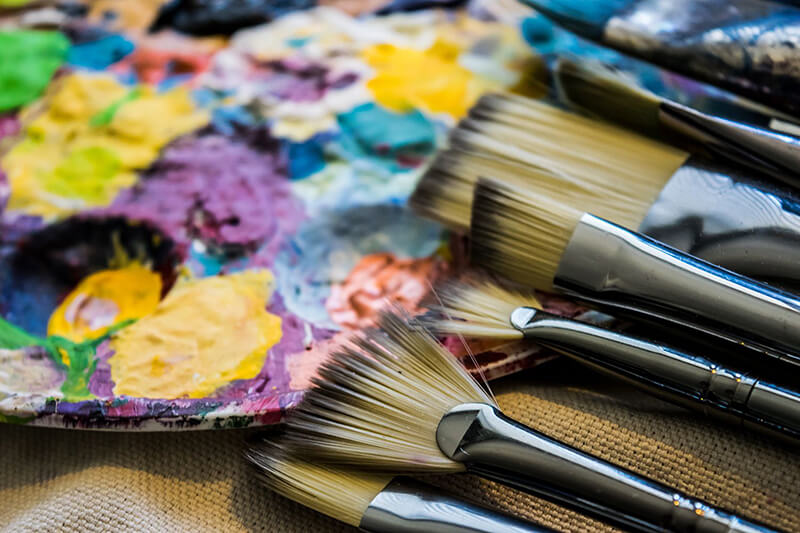
Essential brushes form the foundation of any acrylic painting kit. Choosing the right brushes helps create smooth strokes and detailed work. Beginners need a few basic types to start with. These brushes will cover most painting needs and make the process easier. Quality brushes also last longer and hold paint better. Understanding brush types and materials guides smart choices for your art supplies.
Types Of Brushes To Start With
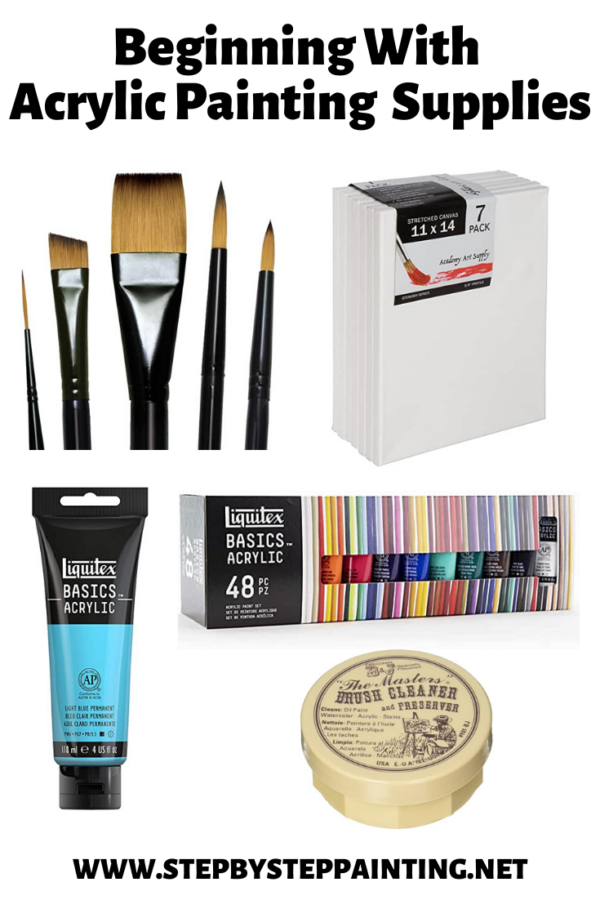
Start with a flat brush for bold, wide strokes. It covers large areas quickly. A round brush works well for details and lines. It has a pointed tip for precision. A filbert brush combines round and flat shapes. It creates soft edges and blends colors smoothly. These three types give you flexibility in painting styles. They handle most beginner projects with ease.
Brush Materials And Shapes
Brushes come in synthetic or natural hair. Synthetic brushes suit acrylic paint best. They are durable and easy to clean. Natural hair brushes hold paint well but cost more. Shapes affect how paint spreads on the canvas. Flat brushes have a straight edge for sharp lines. Round brushes have a point for fine details. Filbert brushes have a curved edge for soft shapes. Choose materials and shapes that fit your painting style and budget.
Painting Surfaces
Choosing the right painting surface is key for acrylic painting beginners. It affects how your paint looks and sticks. Different surfaces give different textures and results. Knowing your options helps you enjoy painting more.
Canvas Options
Canvas is the most popular surface for acrylic painting. It is strong and holds paint well. Beginners can use pre-stretched canvases for ease. Canvas boards are cheaper and still offer a good surface. Cotton and linen are common materials. Cotton is affordable and smooth. Linen is more expensive but very durable. Primed canvas means it has a coating to protect fibers and improve paint adhesion. Unprimed canvas needs a primer before painting. Canvas works great for layers and thick paint.
Paper And Boards
Paper and boards are good for practice or small paintings. Acrylic paper is made to hold paint without warping. It is affordable and easy to use. Watercolor paper also works if thick enough. Bristol board is smooth and sturdy. Masonite or hardboard is a solid choice for a firm surface. Boards need to be primed before painting. These surfaces are lighter and easier to store than canvas. Perfect for beginners testing techniques and colors.
Palettes And Mixing Tools
Palettes and mixing tools are essential for acrylic painting. They help you blend colors and keep your workspace clean. Choosing the right tools makes painting easier and more enjoyable. Understanding the different types of palettes and mixing tools can improve your painting experience.
Palette Types
Palettes come in many shapes and materials. Plastic palettes are lightweight and easy to clean. Wooden palettes look classic but need more care. Glass palettes offer a smooth surface for mixing. Disposable paper palettes are great for quick clean-up. Choose a palette that fits your style and budget.
Palette Knives And Mixing Trays
Palette knives are small tools for mixing and applying paint. They help blend colors smoothly on the palette. Mixing trays have separate wells for keeping paints apart. Trays are useful for mixing small amounts of color. Both tools keep your painting process neat and organized.
Mediums And Additives
Mediums and additives help change how acrylic paint feels and looks. They let you control thickness, drying time, and shine. Using the right medium can make painting easier and more fun.
Thickeners And Thinners
Thickeners make paint thicker and easier to shape. They add texture and body to your work. Thickeners are great for creating brush strokes that stand out.
Thinners reduce paint thickness. They make paint flow smoothly and dry faster. Thinners help you paint thin layers and smooth blends. Use the right amount to avoid losing color strength.
Gloss And Matte Mediums
Gloss mediums add shine and brighten colors. They make your painting look wet and fresh. Gloss is perfect for vibrant and bold effects.
Matte mediums remove shine and create a flat look. They soften colors and reduce glare. Matte is good for subtle, calm paintings. Both mediums keep paint flexible and strong.
Credit: stepbysteppainting.net
Cleaning And Maintenance
Keeping your acrylic painting tools clean and well-maintained helps them last longer. It also keeps your colors fresh and your work neat. Cleaning and maintenance might seem boring but are very important for every beginner artist. Proper care saves money and improves painting results.
Brush Cleaning Supplies
Good brushes need the right cleaning supplies. Use mild soap or brush cleaner to remove paint. Lukewarm water works best to avoid damage. A soft cloth or sponge helps wipe brushes gently. Avoid harsh chemicals that can ruin bristles. Clean brushes right after painting to stop paint from drying. This keeps bristles soft and flexible for the next use.
Storage Tips
Store brushes and paints carefully to keep them in good shape. Brushes should be stored with bristles up or flat to avoid bending. Use containers or jars to keep brushes separate and clean. Keep paint tubes sealed tightly to stop drying. Store supplies in a cool, dry place away from sunlight. Proper storage prevents damage and keeps your tools ready for the next painting session.
Additional Accessories
Additional accessories help create a better painting experience. They keep your workspace organized and your clothes clean. These tools also support your posture and comfort. Small items can make a big difference during long painting sessions.
Easels And Holders
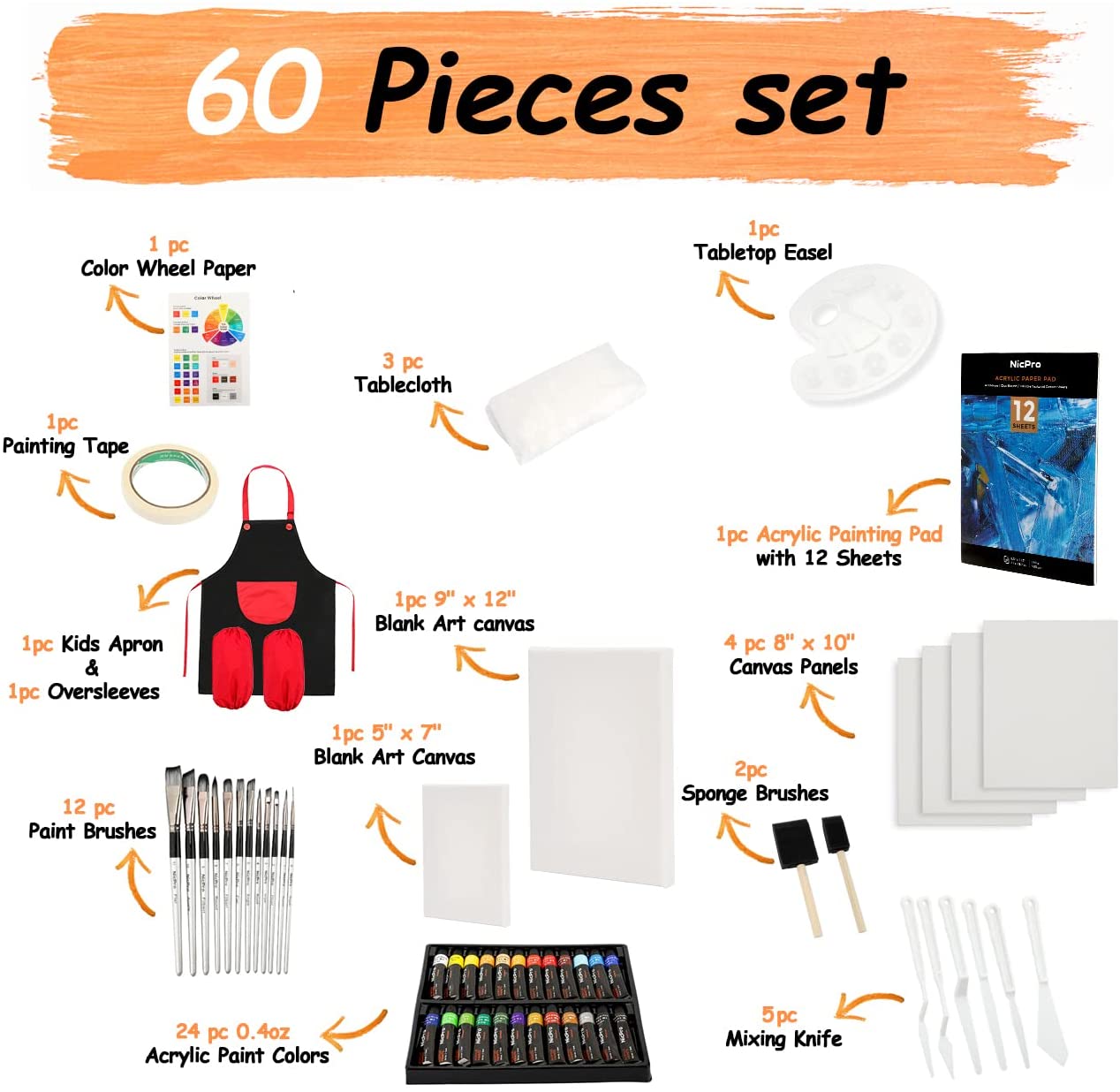
Easels hold your canvas steady at a good angle. They come in many sizes and styles. A tabletop easel fits small spaces and is easy to move. A standing easel supports larger canvases and offers height adjustment. Canvas holders keep your work secure and prevent slipping. Choosing the right easel helps you paint comfortably and with precision.
Aprons And Protective Gear
Aprons protect your clothes from paint spills and stains. Look for aprons made from easy-to-clean materials. Long sleeves and smocks also shield your arms. Gloves keep your hands clean and safe from chemicals. A protective cover for your work surface prevents damage. Using protective gear keeps your space tidy and your body safe.
Credit: nicpro.com
Frequently Asked Questions
What Basic Acrylic Painting Supplies Do Beginners Need?
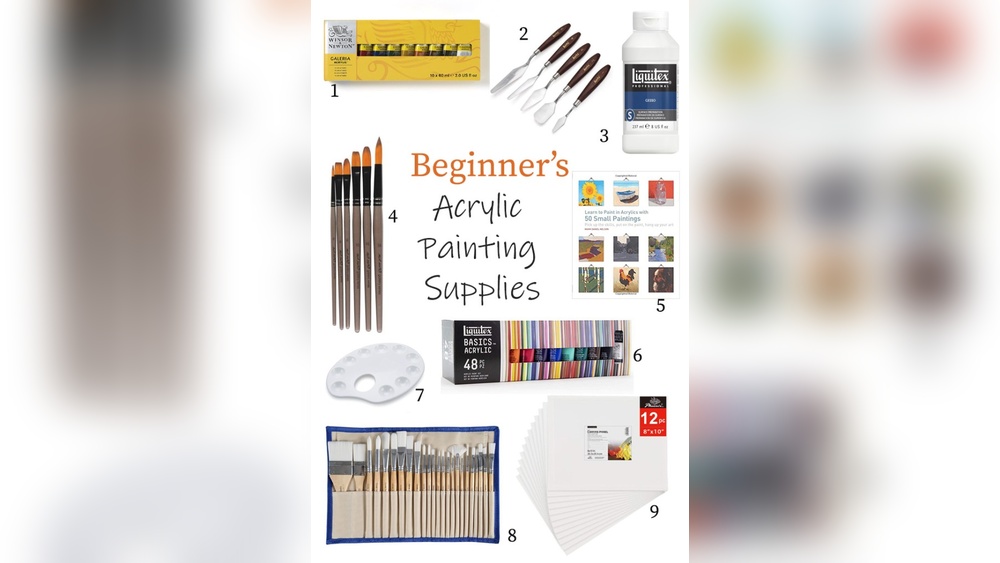
Beginners need acrylic paints, brushes, a palette, canvas or paper, and water containers. These basics help start painting easily and affordably.
Which Brushes Work Best For Acrylic Painting Beginners?
Synthetic brushes with firm bristles suit acrylics well. Sizes 6, 8, and 10 in round and flat shapes cover most needs.
How Do I Choose The Right Acrylic Paint Colors?
Start with primary colors (red, blue, yellow), white, and black. These allow mixing many shades and learning color theory.
What Surfaces Are Ideal For Beginner Acrylic Painters?
Canvas boards, acrylic paper, and primed canvas are great. They hold paint well and are easy to work on.
Conclusion
Starting acrylic painting is exciting and fun. Gather basic supplies like brushes, paints, and canvas. These tools help you explore colors and techniques. Practice often to improve your skills. Mistakes are part of learning. Enjoy every step and create your own art.
Keep your supplies ready and stay inspired. Painting brings joy and relaxes the mind. Your journey with acrylics begins now.