Painting your home can be fun. It can also save money. But you need the right tools. You also need the best paints. This guide will help you choose.
Types of Paints
There are different types of paints. Each type has a different use. Here are the most common types:
- Latex Paint: Easy to clean with water. It dries quickly. It is good for walls and ceilings.
- Oil-Based Paint: This paint is durable. It is good for trim and cabinets. But it takes longer to dry.
- Enamel Paint: This paint is very strong. It is good for surfaces that get a lot of wear. It is also good for outdoor projects.
Choosing the Right Paint
Choosing the right paint is important. Here are some tips:
- Consider the Room: Different rooms need different paints. Kitchens and bathrooms need paint that can resist moisture. Living rooms and bedrooms need paint that looks nice and is easy to clean.
- Check the Finish: Paint comes in different finishes. Flat paint is good for ceilings. Satin and eggshell finishes are good for walls. Glossy paint is good for trim and doors.
- Look at the Color: Choose a color that you like. Make sure it matches your furniture and decor.
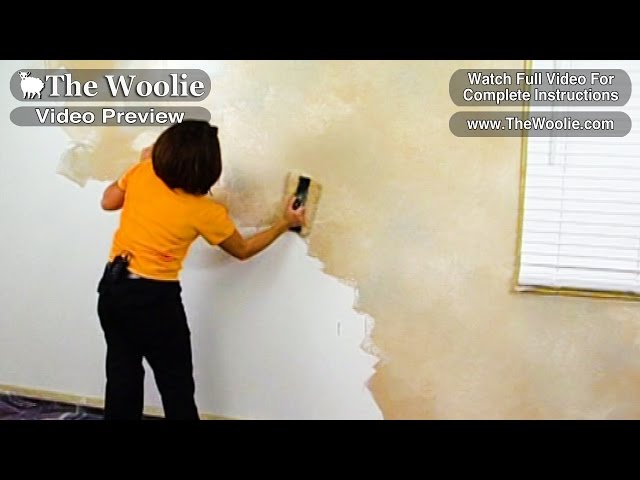
Credit: www.youtube.com
Best Brands of Paint
There are many brands of paint. Some are better than others. Here are some of the best brands:
| Brand | Type | Best For |
|---|---|---|
| Sherwin-Williams | Latex and Oil-Based | Walls, Ceilings, Trim |
| Behr | Latex | Walls, Ceilings |
| Benjamin Moore | Latex and Oil-Based | Walls, Trim |
| Rust-Oleum | Enamel | Outdoor Projects |
Essential Painting Tools
Good tools make painting easier. Here are some essential tools:
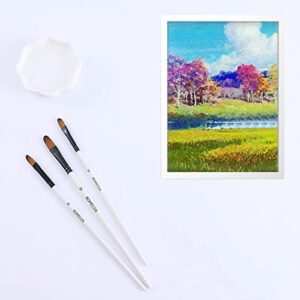
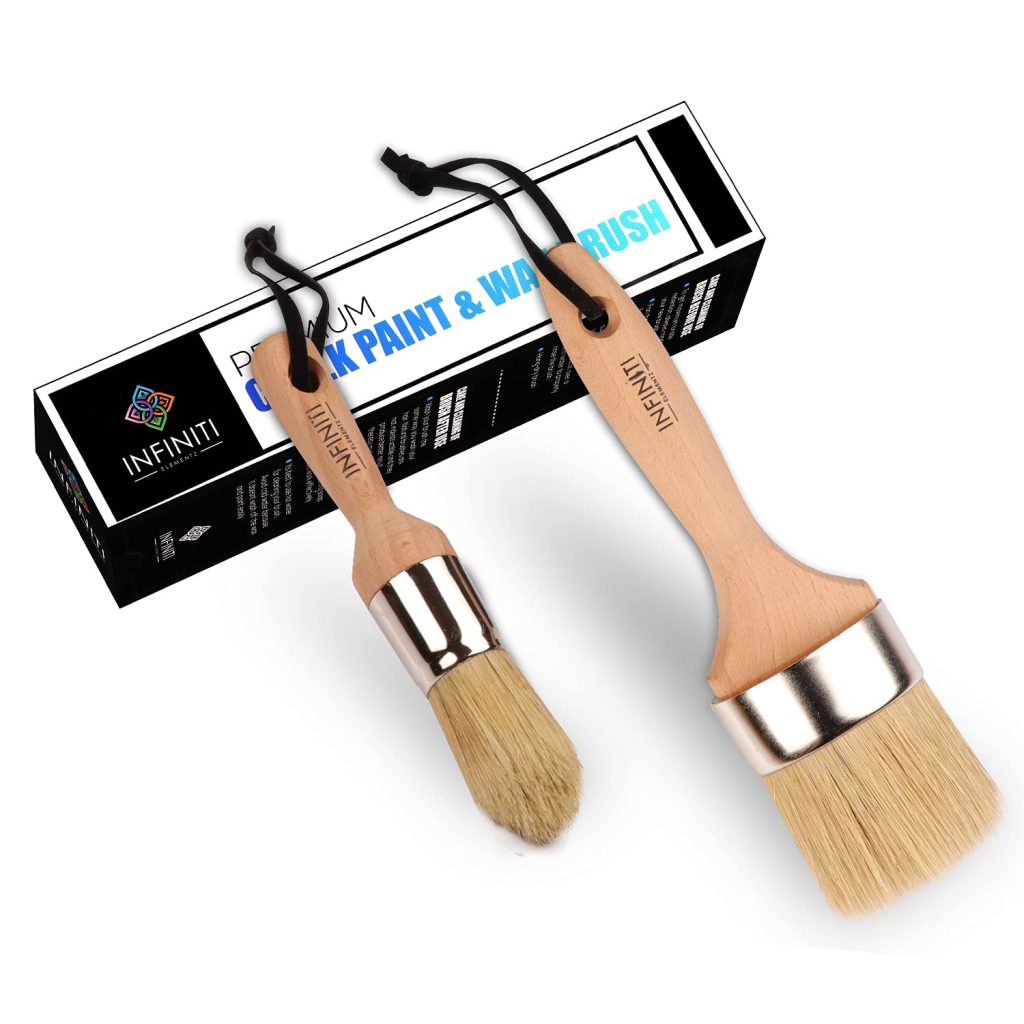
- Paint Brushes: Use brushes for small areas. They are good for trim and edges.
- Paint Rollers: Use rollers for large areas. They are good for walls and ceilings.
- Paint Trays: Use trays to hold paint. This makes it easy to load your brush or roller.
- Painter’s Tape: Use tape to protect areas you don’t want to paint. It helps create clean lines.
- Drop Cloths: Use drop cloths to protect your floors and furniture. They catch any drips or spills.
Preparing for Your Painting Project
Preparation is key to a good paint job. Here are the steps to prepare:
- Clean the Surface: Make sure the surface is clean. Dust and dirt can ruin the paint job.
- Repair Any Damage: Fix any holes or cracks. Use spackle or putty to fill them.
- Sand the Surface: Sanding helps the paint stick better. Use sandpaper or a sanding block.
- Prime the Surface: Use a primer before you paint. It helps the paint stick and covers any stains.
- Tape and Cover: Use painter’s tape and drop cloths. Protect any areas you don’t want to paint.

Credit: www.amazon.com
Painting Tips
Here are some tips for a great paint job:
- Stir the Paint: Always stir the paint before you start. This ensures the color is even.
- Use Even Strokes: Use even strokes when you paint. This helps create a smooth finish.
- Don’t Overload the Brush: Don’t put too much paint on your brush or roller. This can cause drips.
- Work in Small Sections: Work in small sections at a time. This helps you keep track of your progress.
- Let the Paint Dry: Let the paint dry completely before adding a second coat. This helps prevent smudges.
Cleaning Up
Cleaning up is important. It keeps your tools in good condition. Here are some tips:
- Clean Brushes and Rollers: Clean brushes and rollers with water or paint thinner. This depends on the type of paint you used.
- Remove Tape Carefully: Remove painter’s tape carefully. This helps prevent peeling.
- Store Leftover Paint: Store leftover paint in a cool, dry place. Make sure the lid is on tight.
- Dispose of Waste Properly: Dispose of any waste properly. Follow local guidelines for paint disposal.
Frequently Asked Questions
What Are The Best Paints For Diy Projects?
Acrylic and latex paints are ideal. They offer durability and easy cleanup.
Which Tools Are Essential For Painting Walls?
Brushes, rollers, painter’s tape, and drop cloths are must-haves for wall painting.
How Do I Choose The Right Paint Color?
Test swatches on your wall. Observe them in different lighting.
What Type Of Paintbrush Should I Use?
Use synthetic brushes for water-based paints and natural brushes for oil-based paints.
Conclusion
DIY painting projects can be fun and rewarding. With the right paints and tools, you can achieve a professional look. Follow these tips to make your project a success.