Oil painting is an amazing art form. It has been around for centuries. Many famous artists used oil paints. They create beautiful and lasting works of art.
What is Oil Painting?
Oil painting uses oil-based paints. These paints are made by mixing pigments with oil. The oil is usually linseed oil. This type of paint takes a long time to dry. This allows artists to work on their paintings for longer.
Materials Needed
Before you start painting, you need some materials. Here is a list of what you need:
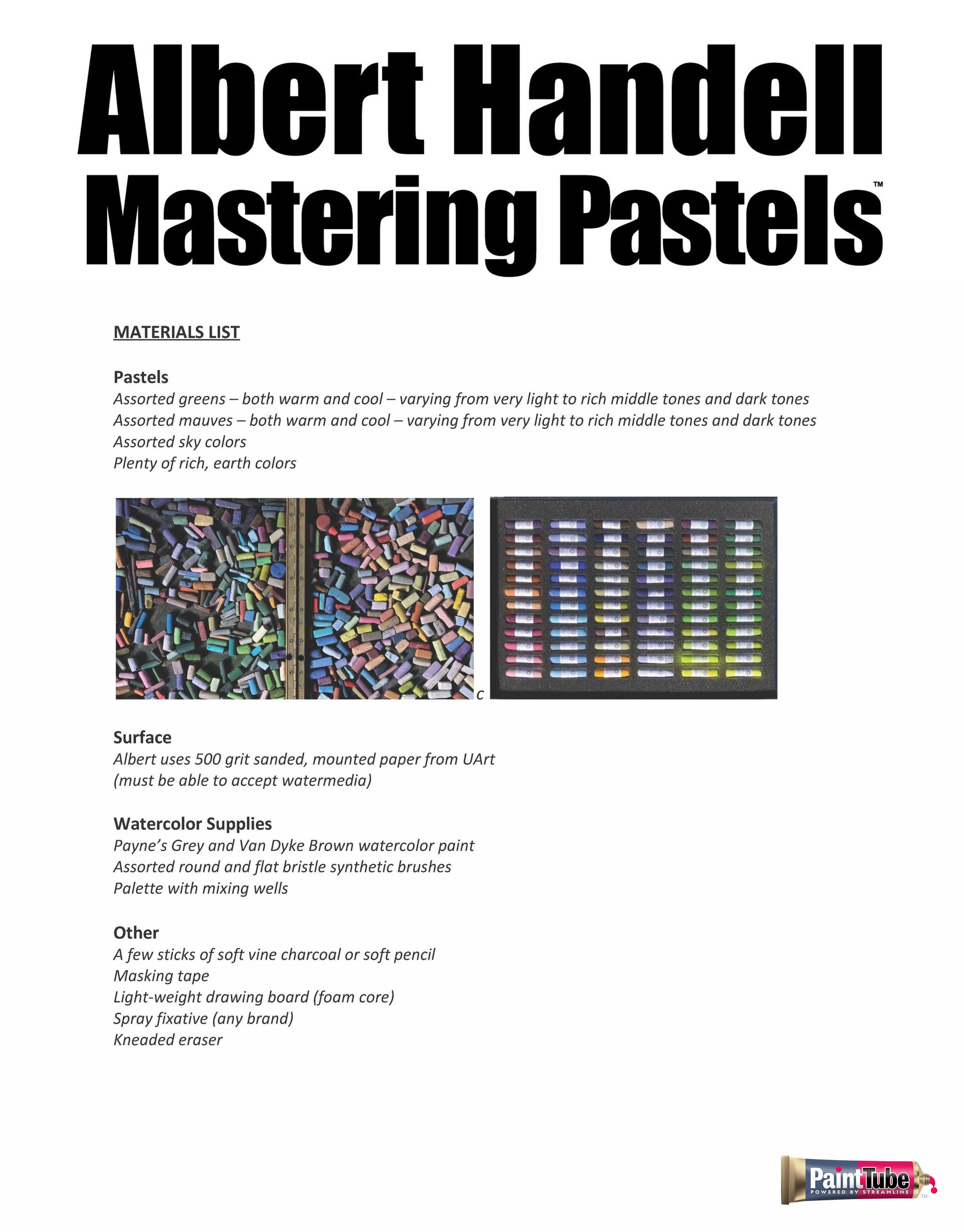
- Oil paints
- Paintbrushes
- Palette
- Canvas
- Palette knife
- Linseed oil
- Turpentine or mineral spirits
- Rags or paper towels
Choosing the Right Paints
There are many types of oil paints. They come in different colors and brands. Some are student grade. Others are professional grade. Student grade paints are cheaper. They are good for beginners. Professional grade paints are more expensive. They have more pigment. This makes the colors brighter.
Picking the Right Brushes
Brushes come in many shapes and sizes. Some are round. Others are flat. Each brush has a different use. Flat brushes are good for large areas. Round brushes are good for details. You should have a variety of brushes. This will help you create different effects.
Preparing Your Canvas
Before you start painting, you need to prepare your canvas. First, you need to prime it. This means putting a layer of gesso on it. Gesso helps the paint stick to the canvas. It also makes the surface smooth. Let the gesso dry before you start painting.
Mixing Colors
Mixing colors is an important skill. You can create many different colors from just a few. Start with the primary colors. These are red, blue, and yellow. You can mix these to make other colors. For example, red and blue make purple. Yellow and blue make green. Red and yellow make orange.
Basic Painting Techniques
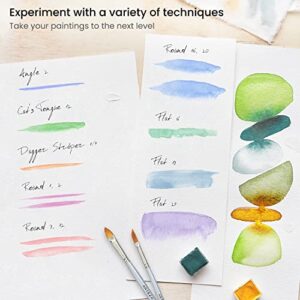
There are many techniques you can use in oil painting. Here are a few basic ones:
- Glazing: This is when you apply a thin layer of paint over another layer. It creates a rich and deep color.
- Scumbling: This is when you use a dry brush to add a thin layer of paint. It creates a soft and smoky effect.
- Impasto: This is when you apply thick layers of paint. It creates texture on the canvas.
Credit: painttube.tv
Cleaning Your Brushes
It is important to clean your brushes. This keeps them in good shape. Use turpentine or mineral spirits to clean them. Dip the brush in the liquid. Then wipe it with a rag or paper towel. Repeat until the brush is clean.

Credit: www.amazon.com
Tips for Beginners
Here are some tips for beginners:
- Start with simple subjects. This could be a bowl of fruit or a landscape.
- Practice mixing colors. This will help you understand how colors work together.
- Take your time. Oil paints take a long time to dry. You do not need to rush.
- Experiment with different techniques. This will help you find your style.
Advanced Techniques
Once you are comfortable with the basics, you can try advanced techniques. Here are a few:
- Chiaroscuro: This is the use of strong contrasts between light and dark. It creates a dramatic effect.
- Alla Prima: This is when you paint a picture in one sitting. It requires speed and confidence.
- Grisaille: This is a painting done entirely in shades of gray. It is often used as an underpainting.
Famous Oil Painters
Many famous artists used oil paints. Here are a few:
- Leonardo da Vinci: He painted the Mona Lisa.
- Vincent van Gogh: He painted Starry Night.
- Pablo Picasso: He painted Guernica.
Frequently Asked Questions
What Are Basic Oil Painting Techniques?
Start with blending, layering, and glazing to create depth and texture in your oil paintings.
How To Choose Oil Painting Brushes?
Select brushes based on shape, size, and bristle type for different effects in your artwork.
What Is Underpainting In Oil Painting?
Underpainting is a monochromatic base layer that helps define the composition and values.
How To Clean Oil Painting Brushes?
Use solvent or brush cleaner to remove oil paint, then wash with soap and water.
Conclusion
Oil painting is a rewarding art form. It takes time and practice. But with patience, you can master it. Start with the basics. Then move on to advanced techniques. Experiment and have fun. Happy painting!