Many people want to try painting at home, but often feel lost or worried they are not “good enough. ” The truth is, painting can be simple, fun, and relaxing—even if you have never painted before. With the right ideas and a little guidance, beginners can create beautiful artwork using simple tools and easy techniques.
In this article, you will discover easy painting ideas for beginners at home, learn about basic supplies, simple methods, and get inspired to start painting today.
Why Painting At Home Is Perfect For Beginners
Painting at home offers comfort, privacy, and the freedom to experiment. You do not need a fancy studio or expensive materials. Many great artists started with simple setups and basic supplies. When you paint at home, you are in control—no pressure, no deadlines, and no one judging your art.
This relaxed environment helps you learn faster and enjoy the creative process. Plus, painting can reduce stress and improve your mood, making it a great hobby for mental wellness.
Basic Painting Supplies For Beginners
Before you start, it’s important to gather a few basic supplies. You do not need everything professional artists use. Here’s what most beginners need:
- Paints: Acrylic paints are best for beginners. They are easy to use, dry quickly, and clean up with water. Watercolors are also popular and simple to start with.
- Brushes: Get a small set with different shapes—flat, round, and detail brushes. Three to five brushes are enough.
- Paper or Canvas: Thick paper or small canvases work great. Watercolor paper is best for watercolors; canvas boards are good for acrylics.
- Palette: Use a plastic plate or a palette for mixing colors.
- Cup of Water: For cleaning brushes.
- Rag or Paper Towels: To wipe brushes and clean spills.
- Pencil and Eraser: For sketching outlines before painting.
Most of these items are affordable and easy to find at local stores or online. Many beginners also use items from around the house, like old jars for water or cardboard as a painting surface.
Comparison Of Acrylic Vs. Watercolor For Beginners
Here’s a simple table to help you decide which paint type to try first:
| Feature | Acrylic Paint | Watercolor Paint |
|---|---|---|
| Drying Time | Fast (minutes) | Moderate (minutes to hours) |
| Clean-Up | Water and soap | Water only |
| Surface | Canvas, paper, wood | Watercolor paper |
| Best for | Bold, vibrant colors | Soft, transparent effects |
| Difficulty | Easy to control | May be tricky to layer |

Credit: www.blog.birdsparty.com
12 Easy Painting Ideas For Beginners At Home
If you’re new to painting, it’s best to start with simple subjects and techniques. Here are 12 easy painting ideas that you can try at home, with tips for each one.
1. Colorful Abstract Shapes
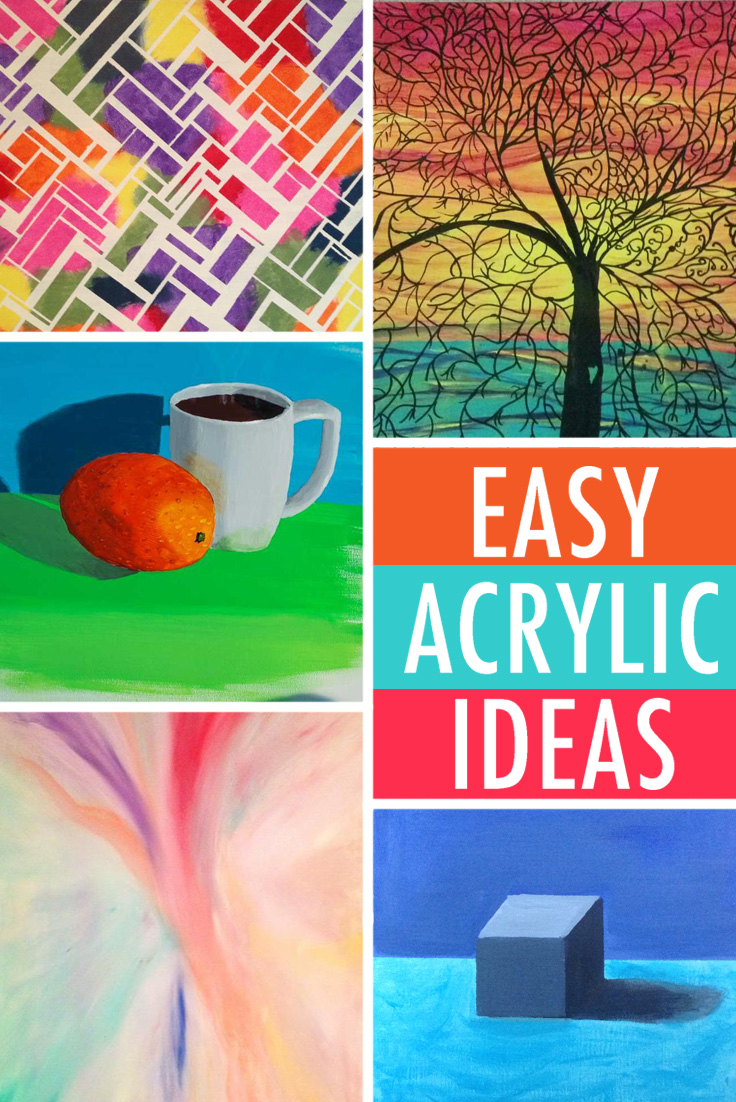
Abstract art is perfect for beginners because there is no “right” or “wrong” way. Use your favorite colors and paint simple shapes like circles, triangles, or wavy lines. Let each shape dry before adding the next one. Try overlapping colors to see how they blend.
Tip: Use painter’s tape to mask areas and create sharp edges.
2. Sunset Skies
Paint a relaxing sky using soft blends of orange, pink, purple, and blue. Start with the lightest color at the bottom and work upward to the darkest. Blend the edges while the paint is wet. You can add a silhouette of trees or birds for extra interest.
Insight: Many beginners forget to use a clean, wet brush for blending—this is key for smooth skies.
3. Simple Flowers
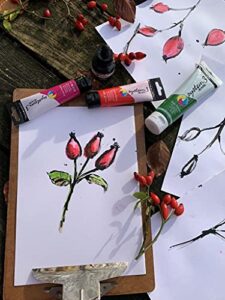
Flowers are always beautiful and easy to paint. Start with a pencil sketch of a few simple flowers, like daisies or tulips. Use a small round brush for petals and a thin brush for stems. Mix two shades of the same color for a natural look.
Example: Try painting three tulips in a row, each a different color.
4. Mountain Landscapes
Paint a row of mountains in the distance using layers of blue, purple, and gray. Begin with the farthest mountains in light blue, then add darker shades for closer mountains. Finish with a simple sky above.
Insight: Overlapping layers and using lighter colors for distant objects helps create depth.
5. Silhouette Scenes
Create a strong image by painting a dark silhouette in front of a colorful background. For example, a black tree or animal shape against a bright sunset. Paint the background first, let it dry, then add the silhouette using a flat brush.
Tip: Print or trace a simple shape if you are unsure about drawing freehand.
6. Fruit Bowls
Still life painting is great for practice. Arrange apples, bananas, or oranges in a bowl. Sketch the shapes lightly, then fill in with color. Focus on light and shadow to make the fruit look round.
Example: Use a white highlight on each fruit to show the shine.
7. Geometric Patterns
Paint repeating patterns of triangles, squares, or circles. Use a ruler or tape for straight edges. Choose three to four colors and repeat the pattern across the page.
Tip: Patterns can be relaxing and help improve brush control.
8. Ocean Waves
Try painting a simple ocean scene. Start with the sky, then add water below. Use curved brush strokes in different blues and whites to show waves. Add white lines for foam on top of the waves.
Tip: Let each layer dry before adding the next for clear details.
9. Cactus Plants
Cacti are easy to paint and look cute. Draw a few oval shapes for the cactus body, add arms, and use green shades. Add small dots for spikes with a thin brush or toothpick.
Example: Place the cactus in a painted pot and add small flowers for decoration.
10. Hot Air Balloons
Draw and paint a few hot air balloons floating in the sky. Each balloon can be a different color or pattern. Add a simple landscape below to finish the scene.
Insight: Painting rounded shapes helps practice brush control and color mixing.
11. Rainy Day Umbrellas
Paint a few umbrellas from above—just curved shapes with segments. Use bright colors and add small dots for raindrops. You can add reflections on the ground for a realistic touch.
Tip: Keep the background simple so the umbrellas stand out.
12. Cute Animals
Start with simple animal faces, like a cat, dog, or panda. Use circles and ovals for the head and ears. Add eyes, nose, and mouth with a small brush or black marker after the paint dries.
Example: Make a set of animal faces and frame them for a fun decoration.
Tips For Painting Success
Success in painting is not about making perfect art. It’s about enjoying the process and learning as you go. Here are some tips to help you get the most from your painting time at home:
- Start small: Use small paper or canvases at first. This is less stressful and uses less paint.
- Limit your palette: Fewer colors are easier to manage. Try using just three or four colors and mix new shades.
- Practice basic strokes: Before starting a painting, spend a few minutes making lines, dots, and shapes with your brush.
- Let layers dry: If you paint one color over another before it dries, colors may mix in unwanted ways.
- Don’t compare: Every artist is different. Focus on your progress, not others’ results.
Common Beginner Mistakes And How To Avoid Them
Many beginners repeat the same mistakes. Here’s a table showing these mistakes and how to fix them:
| Mistake | Why It Happens | How to Avoid |
|---|---|---|
| Using too much water | Trying to make paint flow | Use less water and more paint for bright colors |
| Overworking the paint | Trying to “fix” mistakes | Let paint dry, then add a new layer |
| Skipping sketching | Wants to start fast | Lightly sketch shapes before painting |
| Not cleaning brushes | Forgets between colors | Rinse and dry brushes between colors |
How To Find Inspiration At Home
Many new artists worry they have nothing to paint. Inspiration is everywhere if you look closely. Here are some practical ideas:
- Look outside your window: Paint the view, even if it’s just buildings or trees.
- Use your favorite items: Books, coffee mugs, or shoes can make interesting still lifes.
- Copy art you like: Try painting a simple version of artwork you admire (for practice only, not for selling).
- Follow online tutorials: Many artists share easy painting ideas and step-by-step lessons online.
For more ideas, you can also visit large art sites like WikiArt for inspiration from famous painters.
Choosing The Right Space To Paint At Home
You do not need a special room to paint, but a little planning helps:
- Good light: Natural daylight is best. If not, use a bright desk lamp.
- Flat surface: A table or desk is enough.
- Protection: Cover your table with newspaper or an old cloth.
- Easy to clean: Paint can stain, so choose a space where spills are not a problem.
Comparison Of Painting Spaces
See how different spaces at home compare for painting:
| Space | Pros | Cons |
|---|---|---|
| Kitchen table | Spacious, easy to clean | May need to move for meals |
| Bedroom desk | Private, quiet | Small area, less light |
| Balcony/outdoor | Great light, fresh air | Weather issues, wind |
Simple Painting Techniques To Try
Learning a few basic techniques will help you paint better, even as a beginner:
- Dry brush: Use a brush with very little paint for rough textures.
- Wet-on-wet: Apply wet paint onto a wet surface for soft blends (good for skies and water).
- Layering: Let one color dry, then paint another on top for depth.
- Dabbing: Tap the brush to make leaves, flowers, or textured backgrounds.
Practicing these techniques on scrap paper can boost your confidence before starting a big painting.
Staying Motivated As A Beginner
It’s normal to feel frustrated when you start painting. Many people stop because they expect fast results or perfect pictures. Remember:
- Progress is slow: Improvement comes with regular practice.
- Mistakes are learning: Each “bad” painting teaches you something new.
- Celebrate small wins: Each finished painting is a success, no matter how simple.
Many beginners miss this: Paint what makes you happy, not just what seems “easy” or popular.
Frequently Asked Questions
What Is The Easiest Paint Type For Beginners?
For most beginners, acrylic paint is the easiest to use. It dries quickly, is simple to clean, and works on many surfaces. Watercolor is also popular but can be harder to control at first.
Credit: www.craftsy.com
How Do I Make My Colors Look Brighter?
Use less water and more paint. Layering colors also helps. For extra brightness, start with a white background and let each layer dry before adding the next.
How Can I Fix Mistakes In My Painting?
Let the paint dry completely, then paint over the mistake with a new color. Acrylics are especially good for this, as they cover old layers well.

Credit: www.youtube.com
What Should I Paint If I Have No Ideas?
Look around your home for inspiration. Try painting everyday objects, your favorite food, or even scenes from your imagination. Copying simple images from books or online is good for practice, too.
Do I Need Expensive Supplies To Start Painting?
No, you do not need expensive supplies. Many beginners use student-grade paints and cheap brushes. The most important thing is to start with what you have and focus on practicing.
Painting at home is a wonderful way to be creative, relax, and make something beautiful. With these easy painting ideas for beginners, you can start today—no art school required. Remember, the most important step is simply to pick up a brush and enjoy the process.
Each painting brings you closer to your own style and confidence. Happy painting!