Quick answer: Easy things to paint for kids who are beginners include a rainbow, a smiling sun, a ladybug, a simple flower, a fish, a cactus, a sunset with a silhouette, a snowman, a hot air balloon and a watermelon slice. Each is built from basic shapes like circles, ovals and triangles, uses only a few colors and can be finished in 15 to 30 minutes. Start with big shapes, let each color dry before adding details, and keep the focus on fun rather than perfection.
When a child sits down with paint and a blank page, the hardest part is often deciding what to paint. Subjects that are too complex lead to frustration; subjects that are too vague leave kids stuck. This list of easy things to paint for kids beginners solves that with simple, recognizable ideas broken into short steps.
Every idea is based on shapes children already know, so they can succeed quickly and gain confidence. You will also find a supply list, tips for different ages and ways to keep painting sessions calm and enjoyable.
Why Simple Subjects Work Best
Beginner painters, whatever their age, learn fastest when they can see a clear result. Simple subjects teach three core skills without overwhelming kids:
- Shape: seeing objects as circles, ovals, rectangles and triangles.
- Layering: painting a background first and details on top once dry.
- Color: choosing a few colors and keeping them clean.
These are the same foundations covered in our guide to painting for kids and fun beginner techniques, which pairs well with the ideas below.
What You Need
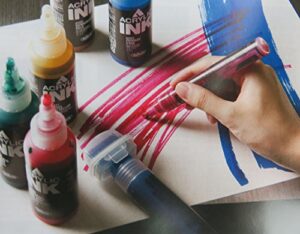
- Washable tempera, watercolor or non-toxic acrylic paint
- Thick paper (watercolor or mixed media paper), canvas panels or cardboard
- A large brush, a medium brush and a small brush
- Cotton swabs for dots and details
- Water cups, paper towels and a palette or paper plate
- A pencil for light sketching
- A smock and a covered table
Tempera and watercolor are often easiest for younger beginners because they wash out of clothes more readily than acrylic. Acrylic suits older kids who want brighter, permanent results.
20 Easy Things to Paint for Kids
1. Rainbow
Paint curved bands of red, orange, yellow, green, blue and purple, one inside the other. Add fluffy white clouds at each end. A rainbow teaches color order and steady brush strokes.
2. Smiling sun
Paint a big yellow circle, then add orange triangles or wavy lines around it as rays. Once dry, add a face with a small brush. Kids can paint a blue sky background first for contrast.
3. Ladybug
Paint a red oval body, a black half-circle head and a black line down the middle. Add black dots with a cotton swab. For a full walkthrough, see our easy ladybug painting guide for kids.
4. Simple flower
Paint a circle for the center and five or six rounded petals around it. Add a green stem and two leaf shapes. Kids can repeat the flower several times to fill a page.
5. Fish
Paint an oval body with a triangle tail. Add stripes or spots in a second color, an eye and a few blue bubbles. Use a blue background for an underwater scene.
6. Cactus in a pot
Paint a green rounded rectangle for the cactus and two smaller arms. Add a terracotta pot below. Once dry, use white or light green dashes for spines and a pink flower on top.
7. Sunset with silhouette
Paint horizontal bands of yellow, orange, pink and purple. Let them dry, then paint black hills or a tree at the bottom. The silhouette makes the picture look dramatic with very little effort.
8. Snowman
On blue or gray paper, paint three white circles stacked from large to small. Add a black hat, an orange carrot nose and stick arms. Flick white paint off a toothbrush for snow.
9. Hot air balloon
Paint a large circle or upside-down teardrop, divided into colorful stripes. Add a small brown basket below with two thin lines connecting them. Paint white clouds around it.
10. Watermelon slice
Paint a half-circle in red or pink, add a green curved band along the bottom edge, and dot black seeds with a cotton swab.
11. Butterfly
Fold paper in half, paint blobs of color on one side, fold and press, then unfold. Add a body and antennae down the fold. Kids love the surprise of mirrored wings.
12. Night sky with moon
Paint the page dark blue, add a white or yellow circle moon, and dot stars with a cotton swab. Add a black silhouette of houses or trees along the bottom.
13. Lion
Paint an orange circle face, then surround it with a mane of brown and orange strokes or finger dabs. Add a simple face once dry. Our easy lion painting tutorial shows each step.
14. Apple or strawberry
Paint a red circle with a dip at the top for an apple, or a red triangle with rounded corners for a strawberry. Add a stem, leaves and, for the strawberry, yellow seeds.
15. Owl
Paint a brown oval body and two pointed ear tufts. Add large white circles for eyes with black centers, a small orange triangle beak and V-shaped feathers on the chest.
16. House
Paint a square with a triangle roof, then add a door, windows and a chimney. Kids can personalize it with colors, flowers and a path.
17. Tree in four seasons
Paint four identical brown trunks across the page. Give each tree different treatment: blossoms, green leaves, orange leaves and bare branches with snow. It teaches color and observation.
18. Turtle
Paint a green half-circle shell, a small head, four legs and a tail. Add hexagon patterns on the shell with a darker green.
19. Abstract shapes
Paint overlapping circles, squares and triangles in bright colors. There is no wrong answer, which makes this perfect for nervous beginners.
20. Pumpkin
Paint an orange oval with curved lines to show sections and a green stem. Add a face for a jack-o’-lantern or leave it plain for an autumn scene.
Ideas by Age and Time
| Idea | Best age | Time | Colors needed |
|---|---|---|---|
| Rainbow, sun, abstract shapes | 3 and up | 10 to 15 min | 3 to 6 |
| Ladybug, watermelon, apple | 4 and up | 15 min | 3 |
| Fish, butterfly, flower | 5 and up | 20 min | 3 to 4 |
| Snowman, night sky, pumpkin | 5 and up | 20 min | 3 to 4 |
| Cactus, hot air balloon, owl | 6 and up | 25 min | 4 to 5 |
| Sunset silhouette, lion, turtle | 6 and up | 30 min | 4 to 5 |
| Tree in four seasons, house scene | 7 and up | 40 min | 5 or more |
Easy Canvas Painting Ideas for Beginners Step by Step for Kids
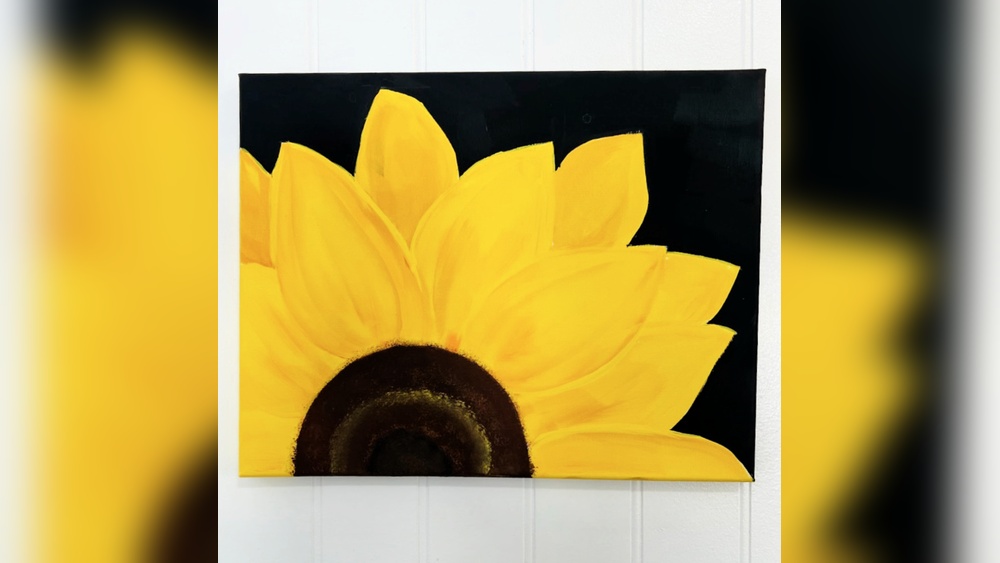
Painting on canvas feels special and makes a great keepsake. A simple four-step approach works for most of the ideas above:
- Background: paint the whole canvas with a sky, sea or solid color using a large brush.
- Dry: wait 10 to 15 minutes for acrylic or tempera to dry. A hairdryer on low, held by an adult, speeds this up.
- Main shape: lightly sketch, then paint the main subject with a medium brush.
- Details: add eyes, dots, outlines and highlights with a small brush or cotton swab.
Canvas panels are often easier for kids than stretched canvas because they are flat, light and inexpensive.
Fun Techniques for Beginners
- Straw painting: blow watery paint across paper with a straw to make trees, splashes or monsters. Remind kids to blow out, never sip.
- Sponge painting: dab cut sponges for clouds, trees and textures.
- Finger painting: great for young kids and for adding fur, leaves or dots.
- Cotton swab dots: perfect for spots, stars and pointillism-style pictures.
- Stamping: use corks, bottle caps, leaves or cut vegetables to print shapes.
- Salt on watercolor: sprinkle salt on wet watercolor for a starry or snowy texture.
Tips for Helping Kids Paint
- Demonstrate briefly, then let them choose colors and details.
- Use fewer colors to avoid muddy mixes.
- Rinse brushes between colors, and use two water cups if possible: one for rinsing, one for clean water.
- Let layers dry before painting details on top.
- Praise effort and choices, such as “I love how you made the sky purple,” rather than realism.
- Keep sessions short, around 20 to 40 minutes for younger children.
Common Beginner Problems and Fixes
| Problem | Why it happens | Quick fix |
|---|---|---|
| Colors turn brown or gray | Too many colors mixed while wet | Limit colors; let layers dry first |
| Paper tears or curls | Paper too thin, too much water | Use thick paper or cardboard |
| Details smudge | Background still wet | Wait longer or use a hairdryer on low |
| Child gets frustrated | Subject too detailed | Switch to a simpler shape-based idea |
| Paint everywhere | Too much paint on brush | Show how to wipe the brush on the cup edge |
Turning One Idea Into Many
Once a child can paint a subject, small changes keep it fresh without making it harder. This is a good way to build skill through repetition instead of always starting something new.
- Change the colors: a purple sun, a rainbow-striped fish or a blue lion makes a familiar subject feel new.
- Change the background: the same flower on a sunny yellow page, a night-blue page or a striped page creates different moods.
- Change the tool: paint the ladybug once with a brush, once with fingers and once with cotton swab dots.
- Change the number: one big fish, then a whole school of small fish swimming in the same direction.
- Tell a story: add a second subject so the picture has a scene, such as a snowman with a bird on its hat or a cactus beside a setting sun.
Simple Color Lessons Along the Way
Easy subjects are a natural way to introduce basic color ideas without turning painting into a lesson. While painting a rainbow, kids can see that red and yellow make orange, and yellow and blue make green. While painting a sunset, they notice that colors next to each other blend nicely. Adding white to a color to make it lighter, for clouds or highlights, is another quick discovery.
Let children experiment on the corner of their palette. Mixing their own green or purple often becomes their favorite part of the session.
Displaying and Saving Kids’ Paintings
Showing off finished work builds pride. Hang paintings on a string with clothespins, rotate a “gallery” on the fridge, or frame a favorite canvas. For keepsakes, photograph each painting and make a digital album or printed book at the end of the year.
A Weekly Painting Plan for Beginners
Short, regular sessions build skill faster than occasional long ones. Try one easy subject on each of three days a week: a shape-based subject like a sun or ladybug, a scene like a sunset or night sky, and a free-choice day where the child decides what to paint. Rotating this way balances guided practice with creative freedom.
FAQs
What are easy things to paint for kids?
Rainbows, suns, ladybugs, flowers, fish, snowmen, watermelons, cacti and silhouette sunsets are all easy. They use simple shapes and a few colors.
What should a beginner child paint first?
Start with something built from one or two shapes, like a sun, rainbow or ladybug. Quick success encourages them to try more complex ideas.
What paint is best for kids who are beginners?
Washable tempera and watercolor are easiest for young beginners because they clean up well. Non-toxic acrylic works for older children who want brighter, permanent results.
How do I keep kids’ paintings from looking muddy?
Limit the palette to three or four colors, rinse brushes between colors and let each layer dry before painting on top.
What are good easy canvas painting ideas for kids?
Silhouette sunsets, night skies with a moon, hot air balloons, cacti and simple flowers all look great on canvas and follow a background-then-details approach.
How long should a kids’ painting session be?
Around 20 to 40 minutes works for younger children. Older kids can enjoy longer sessions, especially with multi-step projects.
Next Step
Simple, shape-based subjects give kids early wins and build the confidence to try more. Pick a few ideas from this list, keep colors limited and let children make their own creative choices.
To keep the momentum going, explore our guide to creative painting techniques for children, which covers more methods, supplies and ways to make painting time fun for the whole family.