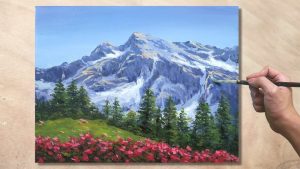
Ready to transform your acrylic paintings from flat to fabulous? Learning how to paint in layers is the secret that can add depth, richness, and life to your artwork.
But layering acrylics isn’t just about piling on paint—it’s about building your masterpiece step by step with patience and technique. In this guide, you’ll discover simple tips that make layering easy and effective, helping your colors pop and details shine.
Whether you’re a beginner or looking to sharpen your skills, these insider tricks will unlock a whole new level of creativity in your painting. Keep reading, and watch your art come alive one layer at a time!
Layering Basics
Layering is key to creating depth and richness in acrylic paintings. Building your artwork in layers lets you control color intensity and texture. Each layer adds detail and complexity that makes the painting come alive.
Understanding the basics of layering helps you avoid common mistakes. It ensures your paint dries well and your colors stay vibrant. Start with a solid foundation and add thin layers gradually for the best results.
Choosing The Right Materials
Select high-quality acrylic paints for smooth layering. Cheap paints may crack or lose color over time. Use brushes that hold paint well and allow precise control. Soft synthetic brushes work great for smooth layers.
Invest in a palette knife for mixing and applying thick paint. Choose a canvas or acrylic paper suited for acrylic paints. Stretched canvas with a good primer provides a strong base for layers.
Preparing Your Canvas
Start with a clean, dry surface. Apply a layer of gesso to seal the canvas. Gesso helps paint stick better and prevents absorption. Let the gesso dry fully before painting.
Sanding the surface lightly after gesso dries creates a smooth texture. This step helps thin layers spread evenly. Avoid painting on dusty or oily surfaces to keep layers intact.
Selecting Paint Consistency
Thin your paint for early layers to build color softly. Add water or acrylic medium to make paint runnier. Thin layers dry faster and avoid cracking later.
Use thicker paint in top layers for highlights and texture. Thick paint creates bold strokes and adds dimension. Balance between thin and thick paint keeps the painting lively and stable.

Credit: www.reddit.com
Building Layers
Building layers is a key technique in acrylic painting. It helps create depth and rich colors. Each layer adds more detail and texture. This process takes patience but improves the final look.
Start with simple shapes and colors. Then add details in the following layers. This method prevents muddy colors and keeps the painting fresh. Let’s explore some tips to build layers effectively.
Applying Thin Coats
Use thin coats of paint for each layer. Thick paint hides details and dries slowly. Thin layers dry faster and let you see the previous layer. This control helps add depth without losing sharpness.
Thin coats also reduce cracking as the paint dries. Spread paint evenly with a brush or palette knife. Keep layers light to build colors gradually. This approach makes blending easier and colors more vibrant.
Drying Time Importance
Allow each layer to dry completely before adding the next. Wet layers mix and create unwanted colors. Dry layers keep edges sharp and details clear. Acrylic paint dries quickly but check the surface before adding more paint.
Use a fan or place the painting in a warm room to speed drying. Patience ensures each layer sticks well and lasts longer. Rushing can cause peeling or cracking later.
Using Glazes For Transparency
Glazing adds transparency and subtle color shifts. Mix paint with water or acrylic medium to make a glaze. Apply thin glaze layers over dry paint to enhance depth. This technique creates soft shadows and glowing highlights.
Glazes let light pass through layers, making colors look richer. Use a soft brush and gentle strokes for smooth glazes. This method adds realism and a professional finish to your work.
Techniques For Depth
Creating depth in acrylic painting brings your artwork to life. Layering colors and tones adds dimension and realism. Using specific techniques enhances the perception of space and form. This section explains how to create depth with simple acrylic methods.
Creating Shadows And Highlights
Shadows give objects weight and form. Use darker tones with thin, transparent layers for shadows. Highlights make parts of the painting stand out. Apply lighter colors with thicker paint to emphasize highlights. Balance shadows and highlights to create a natural look.
Blending Between Layers
Blending softens edges and creates smooth transitions. Apply paint in thin layers and gently mix colors at the edges. Use a dry brush or a soft sponge to blend layers. Allow each layer to dry before adding the next. This technique avoids muddy colors and keeps details sharp.
Adding Texture And Details
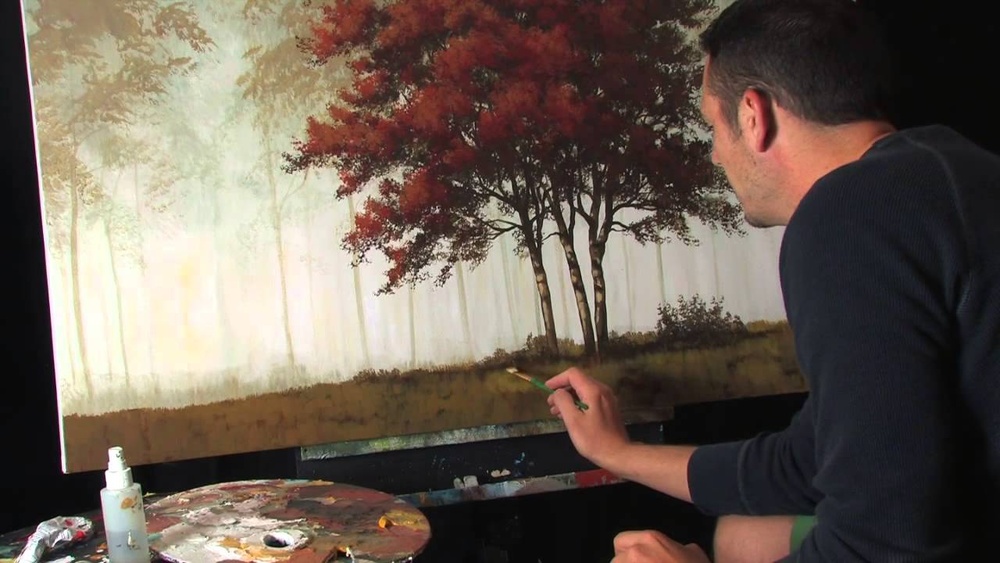
Texture adds interest and realism to your painting. Use thicker paint or a palette knife to create raised areas. Small brushes help add fine details in the final layers. Add texture gradually, starting with broad strokes. Layer details carefully to avoid covering earlier work.

Credit: 101artists.com
Color Management
Managing color effectively is vital for successful acrylic painting in layers. It helps create depth and vibrancy in your artwork. Proper color management guides you to mix, layer, and apply paints without losing clarity. Clear colors keep your painting fresh and lively. Poor handling leads to dull or muddy results. Focus on how you mix colors, use layering to boost brightness, and avoid common mistakes that cause muddiness.
Mixing Colors Effectively
Start with a limited palette to understand color relationships. Mix small amounts of paint to test new colors. Use a palette knife for smooth blends. Avoid adding too many colors together; this weakens vibrancy. Add white or black slowly to adjust shade and tint. Keep track of your mixes for consistency. Clean your brush between colors to prevent unwanted blending.
Layering To Enhance Vibrancy
Apply thin layers to build color depth gradually. Let each layer dry fully before adding the next. Use transparent or semi-transparent layers to allow light to pass through. This technique makes colors look brighter and richer. Layering also adds texture and dimension. Avoid thick layers early on to maintain control over color intensity.
Avoiding Muddy Colors
Prevent muddy colors by limiting the number of mixed hues. Clean your brush often to stop color contamination. Use pure colors for highlights and shadows. Avoid mixing complementary colors in large amounts. Work from light to dark colors to keep clarity. Test colors on scrap paper before applying to your painting. This careful approach preserves color purity and sharpness.
Troubleshooting
Troubleshooting is a key part of acrylic painting in layers. Problems can arise during the process. Knowing how to fix them saves time and keeps your artwork beautiful. This section covers common issues and simple solutions for better results.
Preventing Cracking And Peeling
Cracking happens when layers dry unevenly or too thick. Apply thin coats to avoid this. Let each layer dry fully before adding the next. Use acrylic mediums to keep paint flexible. Avoid heavy paint buildup in one spot. Work in a dust-free area to help layers stick well. Proper surface preparation also stops peeling. Prime your canvas or board before painting.
Fixing Unwanted Effects
Unwanted brush strokes or colors may appear in layers. Lightly sand the dried layer with fine grit paper. Clean the surface with a soft brush to remove dust. Paint over the area with a matching base color. Use glazing techniques for smooth blending. For color mistakes, apply a thin opaque layer on top. Patience helps in correcting errors without damaging layers.
Adjusting Layers For Opacity
Layer opacity controls how much the base shows through. Thin layers increase transparency. Mix paint with glazing medium or water for lighter layers. For solid coverage, use thicker paint and multiple coats. Test opacity on a scrap surface before applying. Build layers gradually to avoid muddy colors. Use contrasting opacities for depth and texture in your painting.
Advanced Tips
Advanced acrylic painting techniques help bring depth and interest to your work. Layering with skill adds texture and richness. These tips focus on using tools and ideas to improve your layered paintings.
Using Mediums For Different Effects
Mix acrylic mediums with your paint for unique textures. Matte mediums reduce shine and create a flat finish. Gloss mediums add brightness and enhance colors. Gel mediums increase thickness, perfect for impasto effects. Use slow-drying mediums to extend drying time. This allows smooth blending between layers. Experiment with mediums to find your favorite effects.
Experimenting With Layer Order
Change the order of layers to create different looks. Start with dark colors and add light over them for contrast. Or begin with light colors and add shadows last. Try painting details first, then add background layers. This reverses traditional layering and can produce surprising results. Test how layers interact to discover new styles and depth.
Incorporating Mixed Media
Add other materials to your acrylic layers for variety. Use paper, fabric, or sand for texture and shape. Combine ink or charcoal for fine lines and shading. Glue items onto the canvas between paint layers. This creates a three-dimensional effect. Mixed media enriches your artwork and makes it stand out.
:max_bytes(150000):strip_icc()/acrylic-painting-tips-for-beginners-2578746_FINAL1-db49ec52ac9f443db880ea31b4cae6e9.png)
Credit: www.thesprucecrafts.com
Frequently Asked Questions
How To Paint In Layers Of Acrylic?
Apply thin acrylic paint layers, letting each dry fully before adding the next. Use water or medium to create glazes for depth. Build colors gradually for smooth, crack-free results.
What Is The 80/20 Rule In Painting?
The 80/20 rule in painting means focusing 80% effort on key areas and 20% on details, enhancing overall impact efficiently.
Should You Paint Acrylic In Layers?
Yes, paint acrylic in thin layers. Let each layer dry fully before adding the next. This builds depth and prevents cracking.
What Are The 7 Rules Of Painting?
The 7 rules of painting are: plan your composition, use quality materials, apply thin layers, dry each layer, balance colors, create contrast, and add details last.
Conclusion
Layering acrylic paint takes patience and practice. Apply thin coats and let each dry fully. This method builds depth and detail clearly. Use water or acrylic medium to thin paint. Start with light colors and add darker shades later. Keep your brush strokes smooth and controlled.
Experiment with layers to find your own style. Enjoy the process and watch your painting grow. Layering helps your artwork look rich and lively. Keep practicing and your skills will improve steadily.