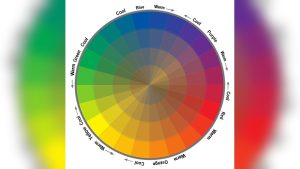
Are you ready to unlock the true potential of your acrylic paints? Mixing colors might seem tricky at first, but once you learn the right techniques, you’ll create shades and tones that bring your art to life.
This guide will show you simple, effective ways to blend colors with confidence. Imagine having the power to make any color you want—vivid, subtle, or bold—right at your fingertips. Keep reading, and you’ll discover how easy and fun mixing acrylic paints can be.
Your next masterpiece is just a few color mixes away!
Credit: www.pamelagroppe.com
Basic Color Theory
Understanding basic color theory is key to mixing acrylic paint effectively. It helps you create the right colors and combinations for your art. Knowing how colors relate makes mixing easier and more fun.
Primary Colors
Primary colors are the foundation of all other colors. They include red, blue, and yellow. These colors cannot be made by mixing others. Use them to create many different shades and tones.
Secondary Colors
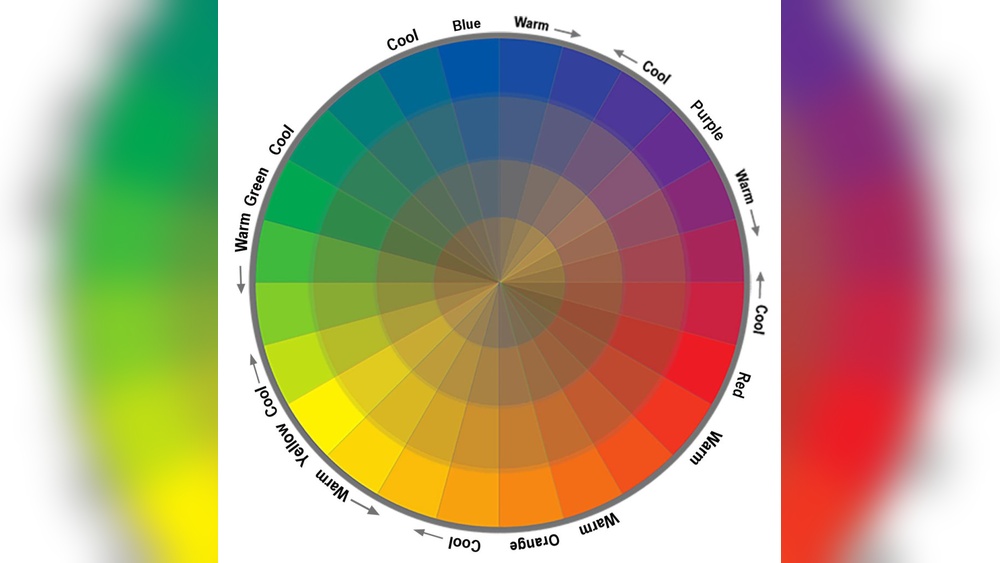
Secondary colors come from mixing two primary colors. These are green, orange, and purple. Mixing blue and yellow makes green. Red and yellow make orange. Red and blue make purple.
Tertiary Colors
Tertiary colors form by mixing a primary color with a nearby secondary color. Examples include red-orange, yellow-green, and blue-purple. These colors add depth and variety to your palette. They help create smooth transitions in your artwork.
Essential Tools For Mixing
Mixing acrylic paint colors needs the right tools. Using proper tools helps create smooth blends. It also keeps your workspace clean and efficient. This section covers the essential tools for mixing paints.
Choosing The Right Palette
A palette is where you mix your paint colors. A flat, smooth surface works best. Plastic palettes are lightweight and easy to clean. Glass palettes offer a smooth surface and don’t stain. Some artists use disposable paper palettes for quick cleanup. Pick a palette size that fits your project.
Brushes And Mixing Sticks
Brushes help apply and blend paint. Use old or inexpensive brushes for mixing. Flat brushes spread color evenly. Round brushes work well for detail mixing. Mixing sticks let you blend paint without wasting brushes. Wooden or plastic sticks are common choices. Clean brushes and sticks after use to avoid dried paint.
Containers And Surfaces
Small containers hold extra mixed paint. Use airtight jars to keep paint fresh. Recycled yogurt cups or empty jars work fine. A smooth, non-porous surface prevents paint from drying too fast. Glass or ceramic plates make good mixing surfaces. Clean containers and surfaces before each use to stop color contamination.
Steps To Mix Colors
Mixing acrylic paint colors is a simple process that anyone can learn. It starts with clear steps to follow. These steps help you create the exact color you want. Understanding each part makes your painting better and more fun.
Measuring Paint Proportions
Start by measuring the amounts of each paint color. Use a palette or mixing tray. Small amounts are best for testing. Use a brush or spatula to scoop the paint. Keep track of how much paint you use. This helps you repeat the color later.
Blending Techniques
Mix paints slowly and carefully. Use a palette knife or brush to blend. Move the tool in a circular motion. Mix until the color looks smooth and even. Avoid overmixing, or the paint may lose brightness. Try different tools to see what works best.
Testing Mixed Colors
Always test your mixed color before painting. Use a scrap piece of paper or canvas. Let the paint dry to see the true color. Adjust the mix if the color is too dark or light. Testing saves time and paint waste. It ensures your artwork looks just right.
Credit: www.template.net
Creating Vibrant Shades
Creating vibrant shades with acrylic paint is a key skill for artists. Bright, lively colors bring paintings to life. Learning simple techniques helps you mix colors that pop. This guide shows how to make your colors vivid and full of energy. Experiment with color mixing to find shades that excite the eye.
Using Complementary Colors
Complementary colors sit opposite each other on the color wheel. Examples are red and green, blue and orange, yellow and purple. Mixing these colors creates strong contrasts. Use small amounts to enhance vibrancy without dulling. Blending complements carefully brightens your shades and adds depth.
Adjusting Saturation And Brightness
Saturation means the intensity of a color. High saturation looks bright and bold. Low saturation appears soft and muted. Brightness controls how light or dark the color is. Adjust these by adding pure color or mixing with lighter or darker tones. This balance makes colors stand out or blend smoothly.
Adding White, Black, And Neutrals
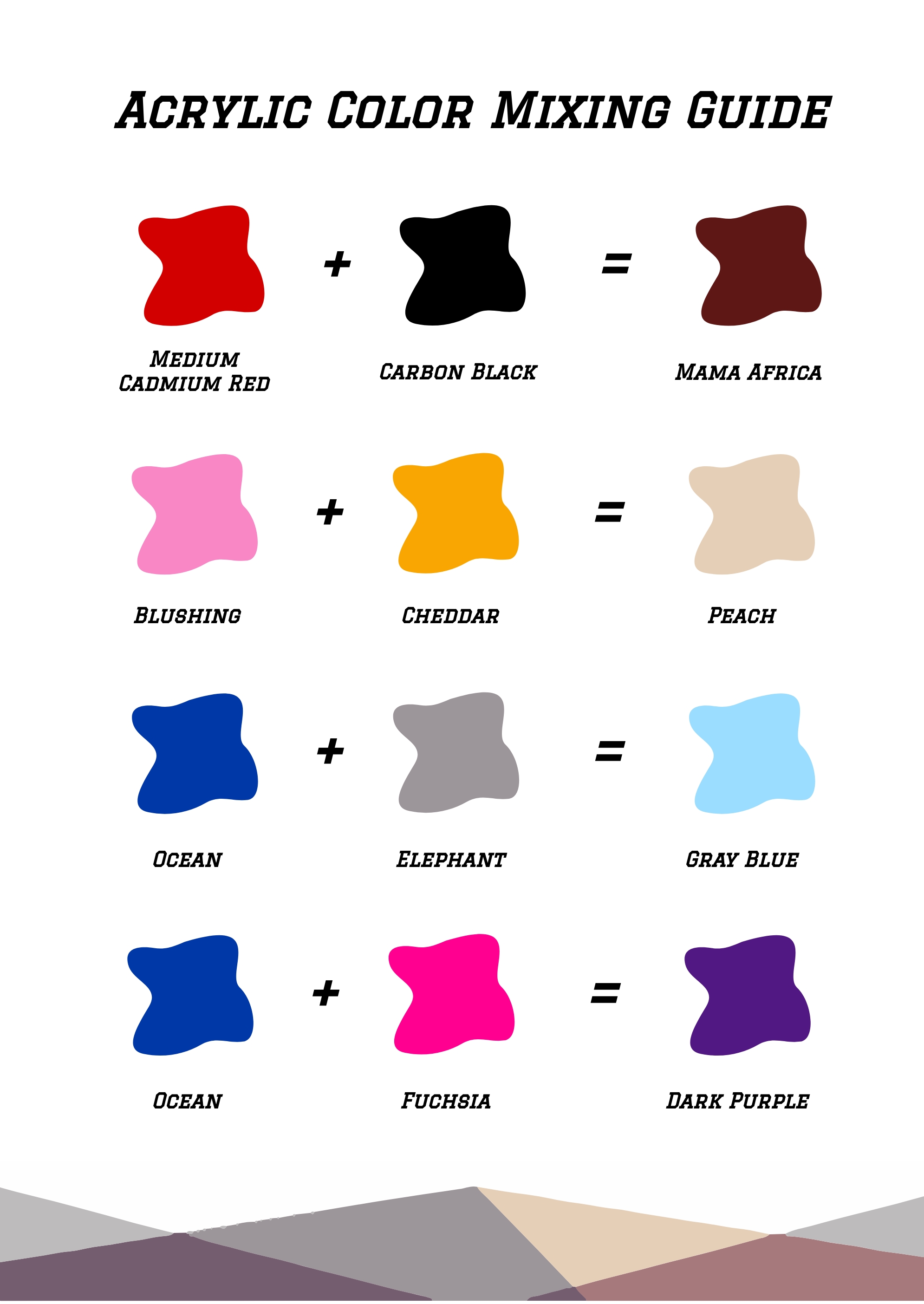
White lightens colors and creates pastel tones. Add it slowly to avoid washing out the color. Black darkens colors but can reduce vibrancy if used too much. Neutrals like gray or brown soften bright colors gently. Use these to control shade without losing the color’s energy.
Common Color Mixing Mistakes
Mixing acrylic paint colors can be fun and creative. Many beginners make mistakes that affect their results. Avoiding common errors helps you get the colors you want. Below are some frequent mistakes to watch out for.
Overmixing Colors
Mixing paint too much can dull your colors. The vibrant hues turn muddy and lose brightness. Stop mixing once the colors blend evenly. Small amounts of paint keep colors lively and fresh.
Ignoring Paint Consistency
Thick paint mixes differently than thin paint. Thick paint can create uneven color blends. Thin paint spreads better but may lose opacity. Check the paint thickness before mixing for smooth results.
Skipping Color Testing
Testing your mixed color saves time and paint. Paint a small sample on paper or canvas. This shows the true color after drying. Adjust the mix if the color is not right.

Credit: www.amazon.com
Tips For Fast Color Mastery
Learning to mix acrylic paint colors quickly makes painting more fun. Fast color mastery helps you create the exact shades you want without frustration. Some simple tips can speed up this learning process. Practice and good habits lead to better results.
Keeping A Color Mixing Chart
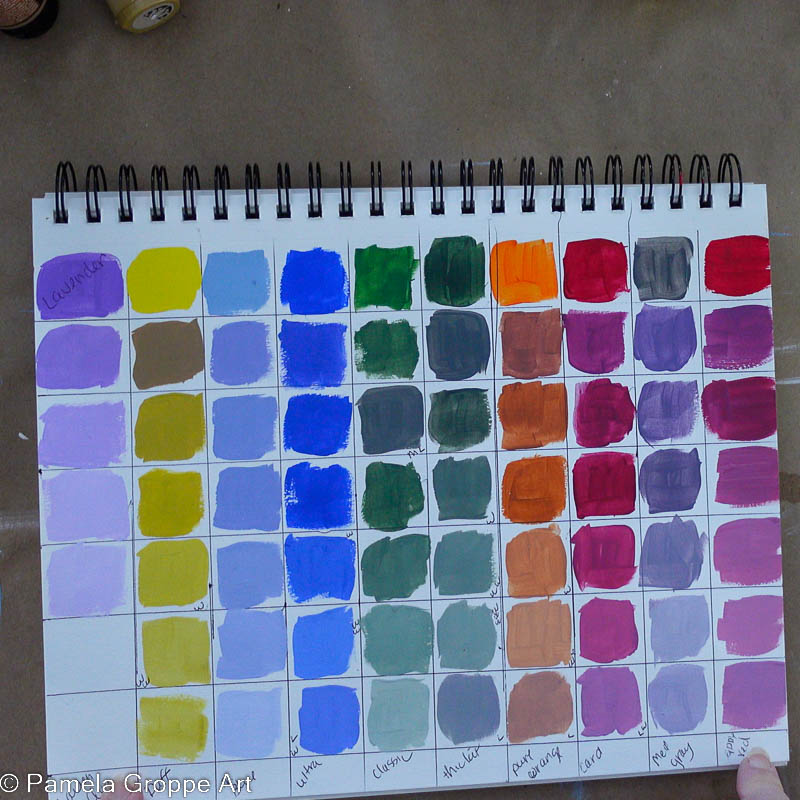
A color mixing chart shows how colors blend. It helps you remember which colors make others. Create a chart by mixing two colors in small amounts. Label each mix with the color names. Keep the chart nearby while painting. It saves time and reduces mistakes.
Practicing With Limited Palettes
Using only a few colors helps you learn color mixing faster. Choose three to five basic colors. Mix these to make new shades. This limits choices and forces creativity. Practicing with fewer colors improves your eye for color. You also learn how to balance tones well.
Learning From Color References
Look at photos, paintings, or real objects for color ideas. Study how colors change in light and shadow. Try to copy these colors with your paints. This practice trains your eyes to see color details. It also teaches you how to mix paints to match real colors.
Frequently Asked Questions
How Do I Mix Acrylic Paint Colors Effectively?
Mix acrylic paints on a palette using a brush or palette knife. Start with small amounts to avoid waste. Blend colors gradually for smooth transitions. Test the mix on paper before applying to your artwork. Use a wet palette to keep paints workable longer.
What Colors Create Brown When Mixed In Acrylics?
Mix equal parts of red, yellow, and blue acrylic paints to get brown. Adjust ratios for warmer or cooler browns. Adding a bit of green or orange can also create rich brown tones. Experiment to find the perfect shade for your project.
Can I Mix Acrylic Paint Colors To Get Pastel Shades?
Yes, add white acrylic paint to your base color to create pastel shades. Mix gradually to control lightness and maintain color vibrancy. Pastels are perfect for soft, subtle effects in your artwork. Avoid adding too much white to keep the color fresh.
How Do I Avoid Muddy Colors When Mixing Acrylics?
Use limited colors and mix carefully to avoid muddy results. Clean your brush between colors to prevent unwanted blending. Mix colors on a palette, not directly on the canvas. Use transparent colors for layering instead of mixing all pigments together.
Conclusion
Mixing acrylic paint colors opens up many creative options. Try different combinations to see new shades. Start with basic colors and add small amounts slowly. Keep notes of your mixes for future reference. Practice often to improve your color sense and confidence.
Enjoy the process and don’t fear mistakes. Each mix teaches you something new. Painting becomes more fun with every experiment. Use this guide as a simple way to explore colors. Your art will grow brighter and more unique. Keep mixing, learning, and creating!