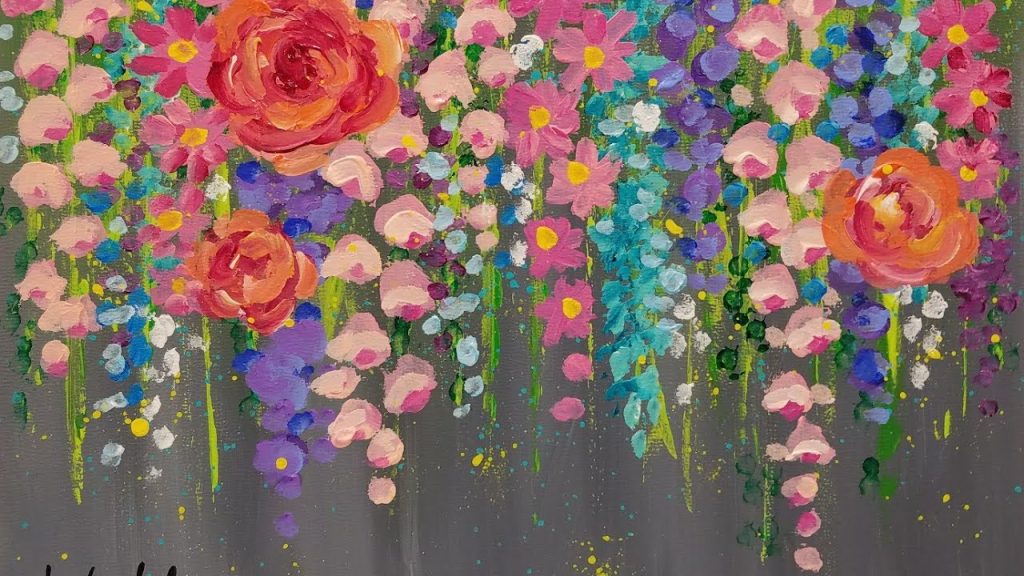
Painting flowers with acrylics requires patience, practice, and an understanding of blending techniques.
Capturing the beauty of flowers in acrylics can be both a relaxing and rewarding experience. Whether you're a budding artist or have years of experience under your belt, exploring the vibrant world of floral painting can enhance your skills and creativity. Acrylics offer flexibility and vibrant colors that make them an ideal medium for portraying the delicate details of flowers. This guide will walk you through the fundamentals, techniques, and expert tips to master the art of painting flowers with acrylics.
Understanding Acrylic Paints
Acrylic paints are versatile, water-based paints that dry quickly, making them perfect for layering. Compared to oils and watercolors, acrylics can be used on various surfaces and produce vibrant results.
- Fast Drying: Speeds up the painting process, allowing multiple layers.
- Water-Resistant: Once dry, provides durable artwork.
- Easy to Use: Great for beginners and experienced artists alike.
Choosing the Right Materials
For a successful floral painting, you'll need more than just paint and canvas.
- Paints: Choose a quality acrylic paint set with a broad color range.
- Brushes: Invest in different sizes and shapes, including round, flat, and detail brushes.
- Canvas: Opt for pre-stretched or canvas boards for ease of use.
- Palette: Use a disposable or plastic palette for mixing colors.
- Mediums: Consider using gels or flow improvers for texture or smoother application.
Techniques for Painting Flowers
Understanding the techniques to paint flowers can enhance the realism and depth of your artwork.
Sketch the Outline
Begin with a light sketch of the flower using a pencil. This forms the foundation for your painting.
- Focus on simple shapes—circles, ovals, and lines.
- Pay attention to proportions and angles.
Base Layers
Start with a base layer to establish the flower's color.
- Use broad strokes and fill in major areas.
- You can create gradients by blending with water.
Detailing and Layering
Once the base is dry, add detailing to make the flower realistic.
- Use smaller brushes for intricate details like veins and petal edges.
- Highlight and shadow areas to create depth.
Blending Techniques
Acrylics blend differently than oils, but mastering blending can enhance the smoothness of flower petals.
- Wet-on-wet blending for soft transitions.
- Dry brush techniques for texture.
Final Touches
Finish with highlights to bring life to your flowers.
- Add white or lighter shades of your primary color for highlights.
- Step back frequently to assess the overall look.
Common Mistakes and Tips
Avoid common pitfalls and enhance your creativity with these insider tips:
-
Mistake: Overworking the paint leading to a muddy look.
- Tip: Work quickly and let each layer dry.
-
Mistake: Neglecting the background.
- Tip: Spend time planning and creating a complementary background.
-
Mistake: Lack of variety in brushstrokes.
- Tip: Experiment with different brush techniques and tools.
Frequently Asked Questions of How to Paint Flowers with Acrylics
How do I keep acrylics from drying too fast?
Use a wet palette or add a retarder to slow drying times.
What flowers are best for beginners?
Sunflowers, daisies, and tulips are simple yet can be beautifully expressed in acrylic.
Can I mix acrylics with other paints?
It's best to use acrylic mediums, but you can mix them with watercolors for mixed media effects.
How do I fix mistakes with acrylics?
Once dry, you can easily paint over mistakes with a different color.
Should I varnish my acrylic painting?
Yes, varnishing protects and enhances the appearance of your finished artwork.
Conclusion
Painting flowers with acrylics can transform a blank canvas into a vibrant masterpiece. Whether you’re a beginner or an experienced artist, understanding the techniques and materials is crucial for success. Remember, practice makes perfect, so gather your supplies and start painting your garden of colors. Don't hesitate to share your artwork with a community of fellow artists or explore further resources to deepen your knowledge. Enjoy the creative journey and let each petal tell its own story!