
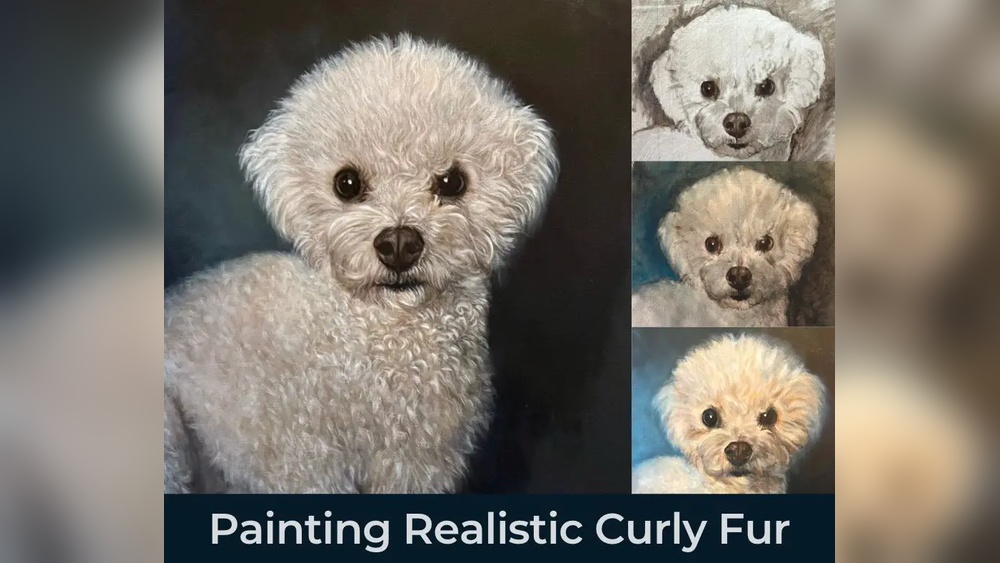
Quick answer: To paint fur in oil painting, block in the animal’s big masses of light and shadow first, then work from dark to light in the direction the hair grows, using soft blended edges for the coat’s overall form and only a few crisp strands at the light-shadow boundary and silhouette. Avoid painting every hair. Fur reads as realistic when its value structure is right and detail is concentrated in a few key areas.
Most people who struggle with fur are trying to paint hairs. Realistic fur is actually about painting volume first and hair second. A cat’s shoulder or a dog’s muzzle is a rounded form with light, halftone and shadow, and the coat simply wraps that form in texture. This guide covers how to paint fur in oil painting using that form-first logic: the materials that help, a full sequence from underpainting to final whiskers, how to handle different coat types, and the mistakes that make fur look like wire or straw.
How Fur Actually Behaves in Light
Every hair is a tiny cylinder, often slightly translucent. Massed together, hairs behave less like individual lines and more like a soft surface with a few distinctive properties.
- Light scatters through the outer layer. The edges of a lit fur mass often glow slightly, especially when backlit. This rim of light is one of the most convincing details you can add.
- Shadows are deep and soft. Light gets trapped among hairs, so shadow areas in thick coats are darker and less reflective than on smooth surfaces.
- Clumps form shapes. Hair separates into locks and clumps, each with its own small light side and shadow side. Painting clumps, not strands, is the core skill.
- Direction follows anatomy. Hair grows in predictable flows: away from the nose, down the back, around joints, and in swirls on the chest and flanks.
Materials That Make Fur Easier
You can paint fur with a standard oil setup. A few specific tools help with softness and fine detail. For a wider look at paint quality, mediums and surfaces, see our oil painting guide covering styles, tips and buying advice.
| Tool | Use in fur painting |
|---|---|
| Medium and small filberts (sizes 2 to 8) | Blocking masses, painting clumps with soft edges |
| Small synthetic rounds and riggers (sizes 0 to 2) | Individual strands, whiskers, eyelashes, highlights |
| Fan brush | Gently breaking up an edge into hair-like texture; use sparingly |
| Soft mop or large dry brush | Softening transitions between big value masses |
| Smooth panel or fine canvas | Lets fine strokes stay crisp instead of skipping over weave |
| Medium (linseed or alkyd-based) | Improves flow for long, tapered strokes in later layers |
| Palette knife and tissue | Scraping or lifting fine light lines from wet paint |
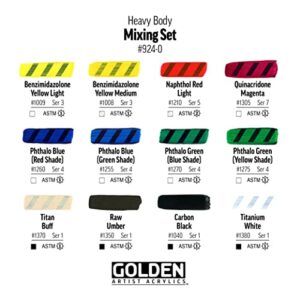
A limited palette usually works well: titanium white, yellow ochre, burnt sienna, burnt umber, ultramarine blue and a cadmium or naphthol red hue. Most natural coats sit within the earth range, and cool blues help push shadows back.
Oil Underpainting Tips for Fur
A solid underpainting does half the work. It sets the form, the value pattern and the direction of growth, so your later layers only refine.
- Use a monochrome mix. Burnt umber thinned with solvent, or burnt umber plus ultramarine for a cooler dark, is a traditional choice. It dries fairly quickly, often within a day or two in thin layers.
- Map the masses, not the hair. Paint the shadow shapes as flat dark areas. Leave the toned or white ground for lights. Squint to simplify.
- Indicate direction with your strokes. Even in the underpainting, let brush marks follow the growth direction. They will subtly show through or guide you later.
- Keep it lean. Use mostly solvent and little oil, so the layers on top can be progressively fatter, following the fat-over-lean principle.
- Wipe out lights. A rag or cotton swab can lift paint to create highlights and clean edges while the underpainting is wet.
How to Paint Fur in Oil Painting: Step by Step
The sequence below assumes a short to medium coat, such as a dog, fox or tabby cat. Long hair and specialty coats are covered later.
- Draw the anatomy, then the flow. Sketch the skeleton and muscle masses lightly, then draw arrows showing hair direction across each area. Spending time on growth direction now prevents a coat that looks pasted on.
- Underpaint the value structure. Follow the underpainting steps above and let it dry to the touch.
- Block in local color. Mix three values for each major coat color: shadow, middle and light. Lay them in as soft-edged masses following the form. Do not try to make hair yet. Your goal is a smooth, rounded animal that looks like it is wearing velvet.
- Blend the big transitions. With a clean, dry soft brush, merge the shadow and middle values where the form turns gradually. This step is what makes fur look soft. Edges in the coat body should be blurry at this stage.
- Introduce clumps. Into the wet or semi-wet paint, use a small filbert to paint clump shapes: a slightly darker stroke underneath, a lighter stroke on top, both following growth direction. Clumps near the edge of a form and at the light-shadow boundary should be more distinct.
- Break the silhouette. Where the coat meets the background, drag a few tapered strokes from the animal out into the background, and a few from the background into the animal. This interlocking makes the outline soft and hairy rather than cut out.
- Let the layer set. Waiting until it is tacky or dry gives you a stable surface for fine detail. Painting strands into very wet paint often turns them into smudges.
- Paint fine strands selectively. With a rigger or small round loaded with paint thinned slightly with medium, add individual hairs only where they matter: along the rim light, at the edge of the light side, around the eyes and ears, and at the silhouette. Vary length, thickness and value. Light hairs over dark areas usually read best.
- Add dark accents. Place a few very dark strokes in the deepest gaps between clumps. These tiny shadows give depth and make nearby light hairs sparkle.
- Finish with whiskers and highlights. Use a long, decisive single stroke for each whisker, pressing slightly at the base and lifting toward the tip. Add the brightest highlights last, sparingly.
Painting Different Coat Types
Short, sleek coats
Horses, short-haired dogs and seals behave almost like a smooth surface. Concentrate on clean form shading and reflected light, with very little visible hair texture except at edges and where the coat changes direction. Overpainting strands on a short coat is one of the quickest ways to make it look unrealistic.
Medium coats
Foxes, many cats and retrievers show clear clumping. This is where the clump method above works best. Use filberts for clumps and save the rigger for edges.
Long, flowing coats
Long-haired breeds are painted almost like human hair: large flowing ribbons, each with a light side and a shadow side. Paint the ribbons first with a medium flat or filbert, then add a handful of flyaway strands. Watch the overall rhythm of curves, which matters more than detail.
Curly and wiry coats
Poodles, sheep and terriers need small, rounded or zigzag clump shapes. Use dabbed and twisted strokes rather than long pulls. Keep the overall form shading strong so the texture does not flatten the animal.
How to Paint Snow Leopard Fur With Oil Paints
Patterned coats like snow leopards, tigers and tabby cats add a second challenge: the pattern must follow both the form and the hair.
- Paint the base coat first. For a snow leopard, establish soft pale grays, creams and cool shadows in the full form before placing any spots.
- Treat rosettes as part of the fur. Spots should be painted into the wet base coat or over it with broken, hairy edges, never as flat stamped circles. Pull a few strokes outward from each rosette in the growth direction.
- Let pattern obey form. Rosettes compress and narrow where the body turns away from you, and they darken slightly in shadow. A spot in shadow should be painted with a shadow version of the spot color, not the same black everywhere.
- Use cool darks. Snow leopard markings often look better with a dark gray mixed from umber and ultramarine than with pure black, which can look flat.
- Prioritize the face. Spend the most time on the area around the eyes, nose and ears, where pattern is small and dense. Simplify the pattern on the far flank and tail.
Photograph to Oil Painting Tips for Animals
Most fur paintings are made from photos, which helps with detail but creates traps.
- Do not copy every hair. Cameras record far more detail than the eye notices. Decide which areas deserve detail before you start.
- Check the shadows. Photos often crush shadows into black. Look for subtle color and reflected light, and lighten or warm the darks slightly so they do not look like holes.
- Watch the whites. White fur in photos may blow out to pure white. Model it with light grays, warm creams and cool blue-grays so it keeps volume.
- Squint at the reference and the painting. If the values match while squinting, the fur will hold up when you open your eyes.
- Use a grid or proportional divider for the drawing stage if accuracy matters, but loosen up once painting starts.
Common Mistakes in Fur Painting
Painting every hair
Uniform detail everywhere flattens the image. Detail draws the eye, so if everything has it, nothing stands out. Keep the shadow side and far side of the animal simple and soft.
Same-length, parallel strokes
Evenly spaced, identical strokes look like combed straw. Vary the length, curvature, thickness and spacing of every group of hairs.
Dark outlines
Outlining the animal makes it look cut out. Use lost and found edges: soft where the coat meets a similar value background, crisp where contrast is high.
Ignoring form
Texture painted over a flat value block cannot save a weak structure. If the animal does not look round as a blurry silhouette, add more form shading before adding hair.
Overusing the fan brush
A fan brush produces a regular, repeating texture that viewers often recognize. Use it to break up an edge, then rework with a round so the marks look varied.
Oil Painting Tips and Tricks for Beginners Painting Animals
- Start with a short-haired subject; it teaches form without overwhelming texture.
- Paint small: a 6 by 6 inch study of just an ear or eye builds skill quickly.
- Keep your detail brushes clean and well-shaped; a splayed round cannot make a fine hair.
- Thin your paint slightly with medium for strands, so it flows in a long stroke without breaking.
- Try practicing textures on other subjects too. The layered approach in our step-by-step seashell painting guide builds similar control of form and fine detail.
- Work at arm’s length often. Fur that looks messy close up may read as perfect from three feet away.
Color Mixing for Common Coats
| Coat | Shadow | Midtone | Light |
|---|---|---|---|
| Black | Ultramarine + burnt umber | Same + a little white | Cool blue-gray, sometimes warm brown rim light |
| White | Blue-gray or violet-gray | Warm light gray | White with a touch of ochre |
| Ginger or red | Burnt sienna + umber | Burnt sienna + ochre | Ochre + white + touch of red |
| Golden | Raw umber + ochre | Yellow ochre | Ochre + white + touch of cadmium yellow |
| Gray | Ultramarine + umber + white | Neutral gray warmed with ochre | Cool white |
Black fur is rarely painted with tube black alone, and white fur is rarely painted with pure white. Both look more convincing with color variation in shadows and highlights.
Related Reading
FAQs
What brush is best for painting fur in oil?
A combination works best. Filberts in medium sizes handle clumps and soft masses, while small rounds or riggers handle individual hairs and whiskers. A clean, soft dry brush is useful for blending transitions.
Should fur be painted wet-on-wet or in layers?
Many painters do both. Big masses and soft transitions are easiest wet-on-wet, while fine strands and highlights look crisper over a layer that is tacky or dry. Painting detail into very wet paint often smudges it.
How do I make fur look soft instead of spiky?
Blend the main value transitions softly, keep most hair strokes inside the form rather than on top of it, and limit crisp strands to a few edges. Spiky fur usually comes from too many hard, high-contrast strokes everywhere.
How do I paint white fur so it does not look flat?
Model it with a range of grays: cool gray-blue or violet in shadow, warm cream in the midtones, and nearly pure white only for the brightest highlights. Reflected light from the ground or surroundings adds realism.
How long does it take to paint a realistic animal in oil?
It varies widely with size, coat complexity and drying time. A small study might take a few hours in one session, while a detailed portrait with an underpainting and several layers can take days or weeks, mostly because each layer needs time to dry.
Is a fan brush necessary for fur?
No. It can be a helpful shortcut for breaking up edges, but rounds and filberts give more varied, natural results. Many fur painters use a fan brush only occasionally or not at all.
Next Step
Fur becomes manageable once you treat it as form first and texture second: big masses, soft transitions, clumps, then a few well-chosen hairs. Practice on small studies, vary your strokes and let your underpainting do the structural work.
To find paints, brushes and surfaces suited to fine, layered animal work, explore our expert oil painting tips and supply recommendations and build a kit that supports the detail you are aiming for.


One Comment