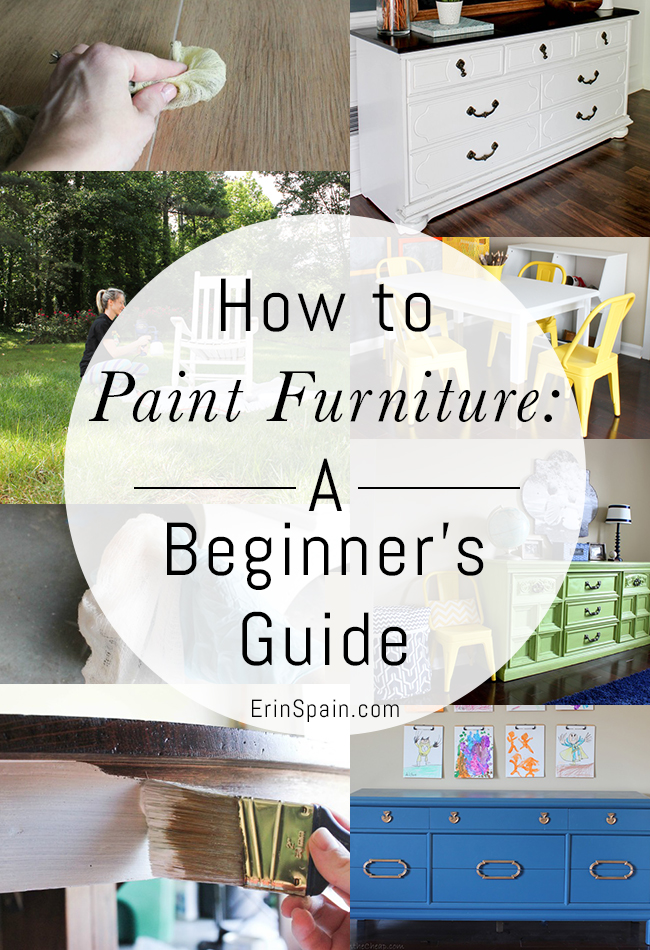
Painting furniture can be a fun and rewarding project. You can give old pieces a new life. Follow our easy steps, and you’ll have beautiful painted furniture in no time.
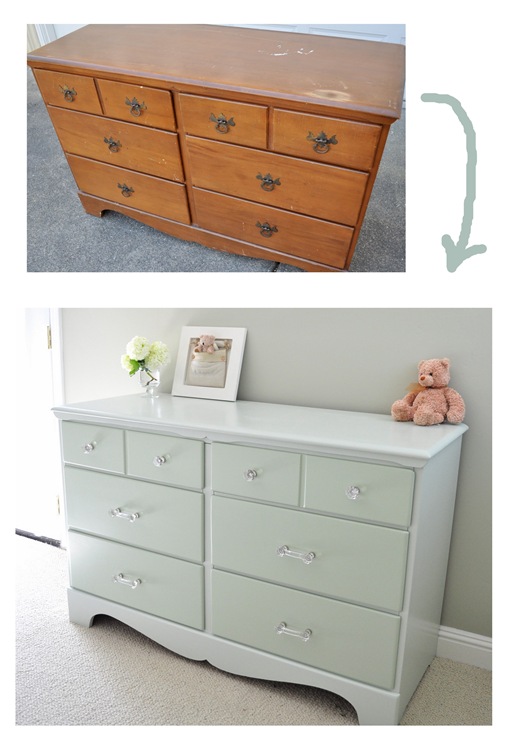
Credit: centsationalstyle.com
Materials You Will Need
- Sandpaper (120 and 220 grit)
- Primer
- Paint (latex or chalk paint)
- Paintbrushes or foam rollers
- Drop cloth
- Tack cloth
- Screwdriver
- Painter’s tape
- Protective gear (gloves and mask)
Step 1: Prepare Your Workspace
First, set up your workspace. Choose a well-ventilated area. Lay down a drop cloth to protect the floor. Make sure you have all your materials ready.
Step 2: Clean the Furniture
Next, clean the furniture. Use a damp cloth to remove dirt and dust. For sticky spots, use a mild soap solution. Let the furniture dry completely.

Credit: www.thenopressurelife.com
Step 3: Remove Hardware
Use a screwdriver to remove any hardware. This includes knobs, handles, and hinges. Place them in a safe spot. You will reattach them later.
Step 4: Sand the Surface
Now, sand the furniture. Start with 120-grit sandpaper. This will remove the old finish. Sand in the direction of the wood grain. Switch to 220-grit for a smooth finish.
Step 5: Wipe Down the Furniture
After sanding, wipe down the furniture. Use a tack cloth to remove all dust. This ensures a clean surface for painting.
Step 6: Apply Primer
Apply a coat of primer. This helps the paint adhere better. Use a paintbrush or foam roller. Let the primer dry according to the instructions on the can.
Step 7: Sand Again
Lightly sand the primed surface with 220-grit sandpaper. This removes any brush strokes or bumps. Wipe away the dust with a tack cloth.
Step 8: Apply the First Coat of Paint
Now, it’s time to paint. Apply the first coat of paint. Use smooth, even strokes. Let the paint dry completely.
Step 9: Sand Between Coats
Lightly sand the painted surface with 220-grit sandpaper. This helps the next coat adhere better. Wipe away the dust.
Step 10: Apply the Second Coat of Paint
Apply a second coat of paint. Use the same smooth, even strokes. Let it dry completely. You may need a third coat for full coverage.
Step 11: Reattach Hardware
Once the paint is dry, reattach the hardware. Use your screwdriver to put the knobs, handles, and hinges back in place.
Step 12: Protect Your Work
For extra protection, apply a clear topcoat. This can be a clear wax or polyurethane. Follow the manufacturer’s instructions for application and drying time.
Tips for Success
- Work in a well-ventilated area.
- Use high-quality brushes and rollers.
- Take your time and be patient.
- Test paint colors on a small area first.
- Follow all safety guidelines.
Common Mistakes to Avoid
- Skipping the primer.
- Not sanding between coats.
- Applying too much paint at once.
- Not allowing enough drying time.
- Using the wrong type of paint.
Frequently Asked Questions
How To Prepare Furniture For Painting?
Clean the surface, sand lightly, and apply primer.
What Type Of Paint To Use On Furniture?
Use acrylic or chalk paint for best results.
Should I Sand Furniture Before Painting?
Yes, lightly sand for better paint adhesion.
How Many Coats Of Paint Needed?
Typically, two coats provide good coverage.
Conclusion
Painting furniture is a great way to refresh your home. Follow these steps for a beautiful result. Enjoy your new and improved furniture!
Frequently Asked Questions
Can I paint over varnished furniture?
Yes, but you need to sand and prime first.
What type of paint is best for furniture?
Latex and chalk paint are both good options.
How long should I wait between coats of paint?
Wait at least 2-4 hours between coats.
Do I need to seal painted furniture?
Sealing helps protect the paint and gives a smooth finish.