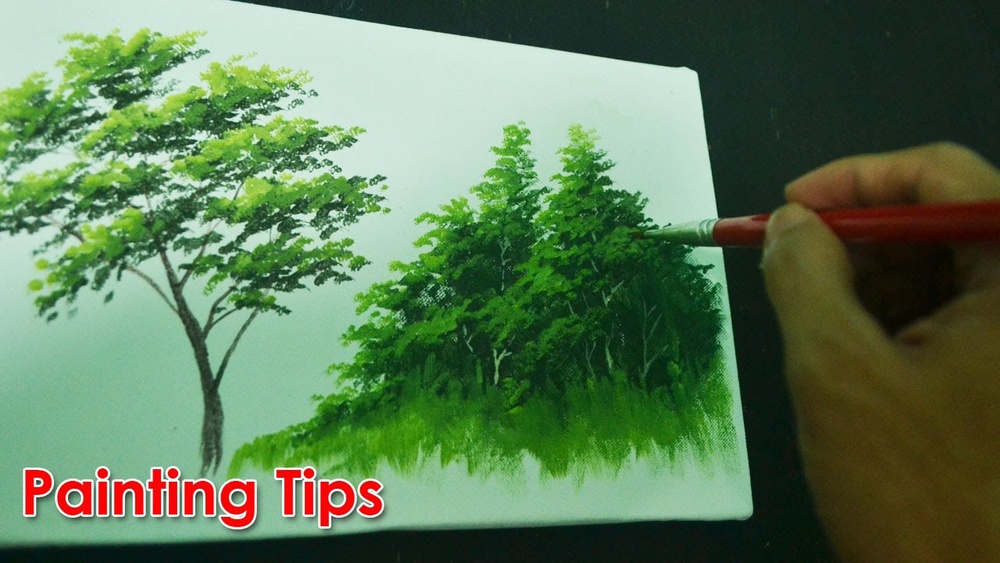
Are you ready to bring the beauty of nature right onto your canvas? Painting leaves with acrylic paint is a fun and rewarding way to create stunning art, even if you’re a beginner.
You’ll learn simple techniques that make your leaves look vibrant and real. Imagine adding rich greens, warm autumn tones, and delicate details that make your artwork stand out. Keep reading, and you’ll discover easy steps to master leaf painting that anyone can follow.
Your next masterpiece is just a brushstroke away!
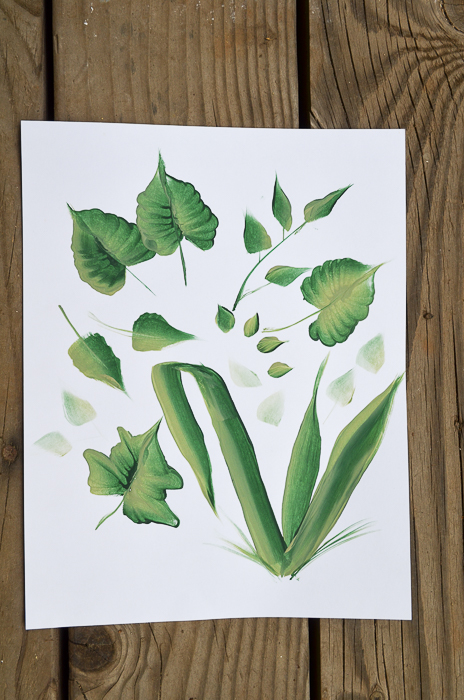
Credit: www.pamelagroppe.com
Choosing Your Materials
Choosing the right materials is key to painting leaves with acrylic paint. Good supplies help you create beautiful, realistic leaves. They also make the painting process easier and more fun. Spend time picking colors, brushes, and setting up your workspace. These steps prepare you for a smooth painting experience.
Selecting Acrylic Paint Colors
Pick colors that match real leaves. Greens are a must, but add yellows, browns, and reds. These colors show leaf details and changes. Use lighter shades for highlights and darker ones for shadows. Mixing colors helps create natural tones. Avoid using only one green shade. Variety makes your leaves look alive and fresh.
Picking The Right Brushes
Choose brushes based on leaf size and detail. Small round brushes work well for veins and edges. Flat brushes cover larger areas quickly. Soft bristles help blend colors smoothly. Stiffer brushes add texture to leaves. Keep a few brush sizes on hand. This variety lets you paint fine details and broad strokes easily.
Preparing Your Workspace
Set up a clean, well-lit area to paint. Good lighting helps you see colors clearly. Keep water and paper towels nearby. Use a palette for mixing paints. Protect your surface with newspaper or a plastic sheet. Arrange your brushes and paints within easy reach. A tidy workspace keeps you focused and saves time.
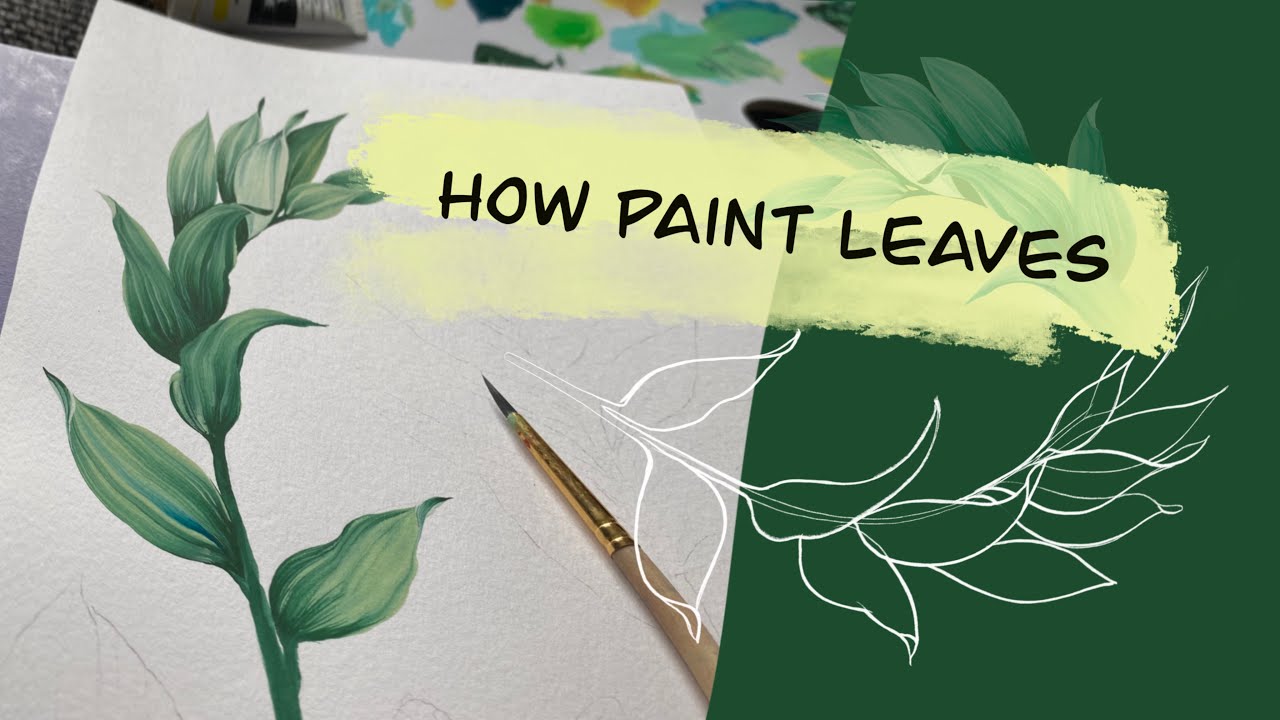
Credit: www.youtube.com
Basic Leaf Shapes
Understanding basic leaf shapes is key to painting leaves with acrylic paint. Leaves come in many forms. Each shape has unique lines and curves. Knowing these shapes helps create realistic leaf paintings. Start by learning simple outlines. Then explore different leaf types. Use sketching to guide your painting.
Simple Leaf Outlines
Simple leaf outlines are the foundation of leaf painting. Most leaves have an oval, lance, or heart shape. Draw smooth, clean lines to form these shapes. Keep the shapes clear and easy to recognize. Avoid adding too many details at first. Focus on the main outline to capture the leaf’s form.
Different Types Of Leaves
Leaves vary by shape and edge style. Some leaves have smooth edges, others have jagged or serrated edges. Common types include maple, oak, and elm leaves. Each type has a distinct outline and vein pattern. Study these differences to add variety to your paintings. Use photos or real leaves as references.
Sketching Techniques
Sketching helps plan your leaf painting. Use light pencil strokes to draw the leaf shape. Start with basic shapes, then add veins and edges. Keep your lines soft and adjustable. Use an eraser to fix mistakes easily. Sketching builds confidence before using acrylic paint. It also helps keep your painting clean and precise.
Mixing Paint For Realistic Colors
Mixing paint for realistic leaf colors is key to a great acrylic painting. Natural leaves show many shades of green and other subtle tones. Capturing these colors brings life and depth to your artwork. You need to mix paints carefully to match the colors you see in nature.
Creating Green Shades
Start with basic green colors like yellow and blue. Mix yellow and blue in different amounts to get light or dark green. Add a little white to make the green softer and brighter. Use tiny touches of red or brown to dull the green for a natural look. Test your mix on paper before painting the leaf.
Adding Highlights And Shadows
Highlights show where light hits the leaf. Use lighter colors like yellow or white mixed with green. Shadows make the leaf look three-dimensional. Mix green with blue, brown, or black for shadow areas. Paint shadows along the leaf veins and edges. This adds depth and realism to your leaf.
Blending Techniques
Blend colors while the paint is still wet. Use a soft brush to mix highlights and shadows smoothly. Work quickly for smooth transitions between colors. Dry brushing can add texture to leaf surfaces. Practice blending to avoid harsh lines and create natural color flow.
Painting Leaf Base Layers
Painting leaf base layers is the first step to create realistic leaf art. This stage sets the foundation for your entire painting. The right base layers give the leaf shape and color depth. A good base makes details stand out later. It helps the leaf look natural and vibrant.
Applying The First Coat
Start with a clean, dry canvas or paper. Use a medium-sized brush for even coverage. Choose a light green or yellow-green paint. Mix a small amount of water with acrylic paint for smooth spreading. Paint the entire leaf shape with this color. Let the paint dry before the next step. This coat creates the leaf’s main color.
Building Color Depth
Add layers of darker green or brown tones. Use a smaller brush for more control. Paint gently over the first coat to avoid lifting paint. Blend colors softly to create shadows and highlights. Build layers slowly, allowing drying between coats. This technique gives the leaf a 3D effect. It makes the painting look rich and realistic.
Avoiding Common Mistakes
Do not use too much water. It can make paint run or fade. Avoid thick paint layers; they take longer to dry. Paint edges carefully to keep leaf shapes sharp. Don’t rush the drying process. Smudging wet paint spoils the look. Take your time for clean and clear base layers.
Adding Details And Textures
Adding details and textures makes your painted leaves look real and lively. These small touches give depth and interest. They help your artwork stand out and feel natural. Focus on veins, surface texture, and brush techniques. These steps bring leaves to life with acrylic paint.
Painting Veins
Veins are the leaf’s skeleton. Paint them thin and light or dark for contrast. Use a fine brush and steady hand. Follow the leaf’s natural vein pattern. Start with the main vein in the center. Add smaller veins branching out. Use a slightly different shade than the leaf color. This adds depth and realism.
Creating Natural Textures
Leaves are not smooth. They have bumps, ridges, and spots. Add these textures by using a small brush or sponge. Dab paint gently to create rough patches. Mix different green shades for variety. Use dots or short strokes to mimic leaf surface. These details make your leaf look organic and real.
Using Dry Brush Effects
Dry brush technique uses very little paint on the brush. Lightly drag the brush over the leaf surface. This creates a soft, scratchy texture. It mimics leaf veins and rough edges. Use this effect to highlight raised areas. It adds subtle shadows and light spots. This simple trick adds richness to your leaf painting.
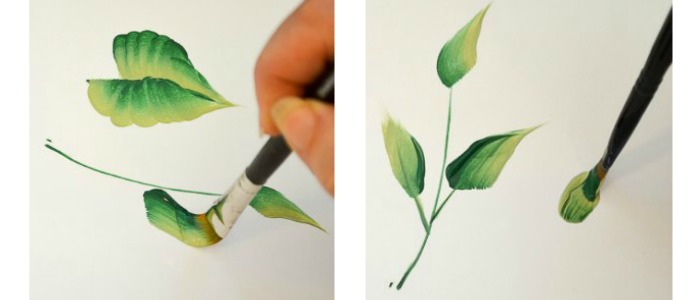
Credit: www.pamelagroppe.com
Finishing Touches
Finishing touches bring your leaf painting to life. They add depth and make your work stand out. This final stage gives your art a polished, complete look. Small details can make a big difference. Let’s explore three key steps to finish your acrylic leaf painting perfectly.
Enhancing Highlights
Use a fine brush to add light touches on leaf edges. Choose lighter shades like white, yellow, or pale green. These highlights create a shiny, fresh effect. Apply gently to avoid harsh lines. Highlights help leaves look more three-dimensional and realistic.
Adding Background Elements
Simple backgrounds can improve your leaf painting’s focus. Use soft colors or blurred shapes behind the leaves. This contrast makes the leaves pop. Try light washes or gentle patterns with a dry brush. Keep the background subtle to avoid distraction from the main subject.
Sealing Your Painting
Seal your acrylic painting with a clear varnish. It protects colors from fading and dust. Choose matte or glossy varnish based on your style. Apply thin, even layers and let dry fully between coats. Sealing ensures your artwork lasts longer and stays vibrant.
Tips For Practice And Improvement
Practicing leaf painting with acrylics improves skills and builds confidence. Focus on steady progress by trying new ideas and methods. Regular practice helps you notice details and understand leaf shapes better. Use these tips to enhance your painting techniques and enjoy the creative process.
Experimenting With Different Leaves
Try painting leaves of various shapes and sizes. Look for leaves with unique edges and veins. Experimenting exposes you to different textures and colors. Each leaf type challenges you to adjust your brushwork. This variety keeps practice interesting and broadens your skills.
Using Reference Photos
Use clear photos of leaves for accurate details. Photos help capture the right colors and shadows. They allow you to paint anytime, even without real leaves. Study the photos to understand leaf structure and light effects. Reference images guide your work and improve realism.
Developing Your Style
Try different painting styles to find what feels right. Mix realistic and abstract elements for a unique look. Play with brush strokes, color mixing, and layering. Your style grows as you paint more and explore ideas. Personal style makes your leaf paintings stand out.
Frequently Asked Questions
How Do I Start Painting Leaves With Acrylic Paint?
Begin by selecting leaf shapes and sketching outlines lightly. Use base colors, then add details with darker and lighter shades for depth.
What Brushes Work Best For Acrylic Leaf Painting?
Use small round brushes for details and flat brushes for broad strokes. Synthetic brushes hold acrylic paint well and offer control.
How Can I Create Realistic Leaf Textures With Acrylics?
Layer colors using dry brushing and stippling techniques. Add veins and highlights carefully to mimic natural leaf textures.
What Colors Are Essential For Painting Leaves?
Green hues, yellows, browns, and reds are essential. Mix shades to replicate seasonal changes and leaf diversity accurately.
Conclusion
Painting leaves with acrylics can be fun and relaxing. Practice different strokes and colors to find your style. Start with simple shapes, then add details little by little. Use light and shadow to make leaves look real. Keep your brushes clean and your paint fresh.
Enjoy the process and don’t rush. Each painting will help you improve. Try painting leaves from nature for more ideas. With patience, your skills will grow. Happy painting!