Have you ever spent hours painting on canvas, only to worry about your artwork fading or getting damaged? Sealing your acrylic paint is the secret to protecting your masterpiece and keeping those colors vibrant for years.
In this guide, you’ll discover simple and effective ways to seal your acrylic paint on canvas. By the end, you’ll feel confident that your artwork will stay beautiful, no matter what. Ready to make your painting last? Let’s dive in!
Credit: stepbysteppainting.net
Choosing The Right Sealant
Choosing the right sealant is important for protecting your acrylic painting on canvas. Sealants keep the colors bright and stop dust or water from damaging your work. Picking the correct type also affects how your painting looks after sealing. Understanding different sealants helps you make the best choice for your artwork.
Types Of Sealants
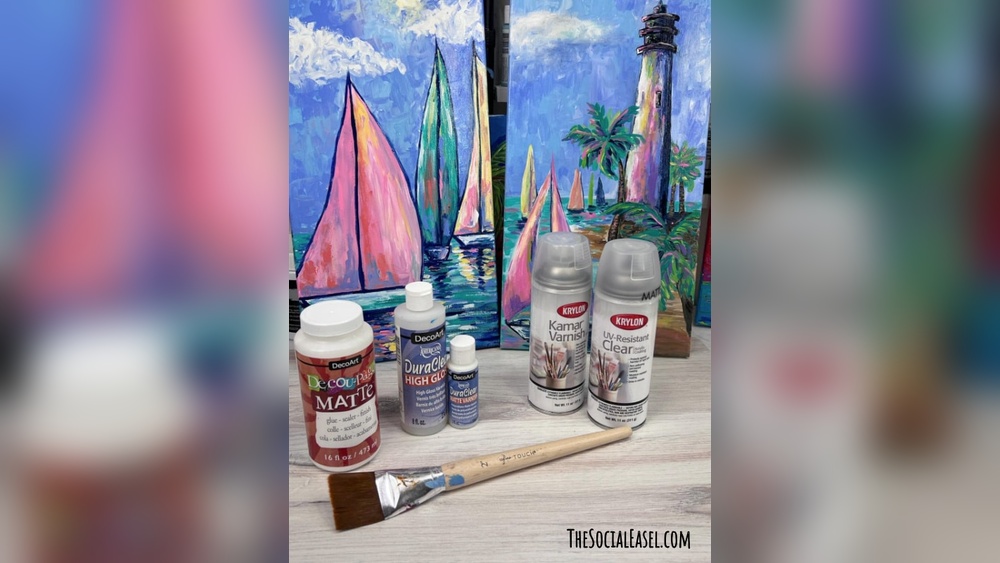
There are many sealants made for acrylic paintings. Varnish is the most common type. It creates a clear protective layer over the paint. Some sealants are water-based, making them easy to clean and safe to use indoors. Others are solvent-based and offer stronger protection but have a strong smell. Choose a sealant based on your painting’s needs and where you will display it.
Matte Vs Glossy Finish
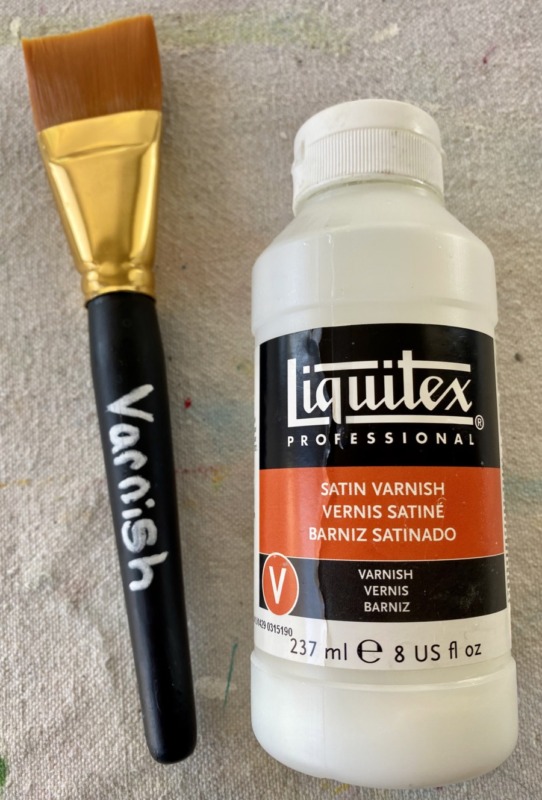
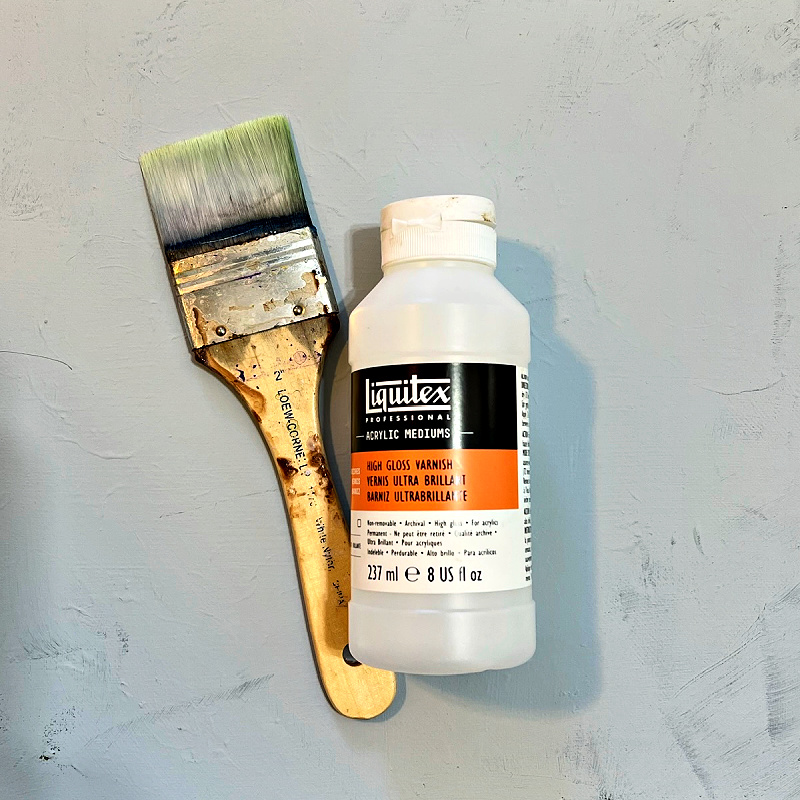
Sealants come in matte, glossy, or satin finishes. Matte finish reduces shine and gives a soft look. It hides brush strokes and surface texture well. Glossy finish makes colors pop and adds shine to your painting. Satin finish is between matte and glossy, offering mild shine. Pick a finish that fits your style and the mood of your artwork.
Spray Vs Brush-on Sealants
Sealants are available in spray and brush-on forms. Spray sealants are easy to apply and cover large areas quickly. They create a smooth, even coat without brush marks. Brush-on sealants need more care to avoid streaks but allow better control over coverage. Choose spray for speed and smoothness. Use brush-on for detailed or textured paintings.
Credit: www.pamelagroppe.com
Preparing The Canvas
Preparing the canvas is an important step before sealing acrylic paint. It helps protect your artwork and keeps the colors bright for a long time. Proper preparation ensures the sealant sticks well to the paint and prevents damage.
Ensuring Paint Is Fully Dry
Wait for the acrylic paint to dry completely. This can take from a few hours to a whole day. Touch the surface gently to check. If it feels sticky or soft, wait longer. Sealing wet paint can cause smudges and uneven finish.
Cleaning The Surface
Remove any dust or dirt on the canvas surface. Use a soft, dry cloth or a brush. Avoid water or cleaning liquids that can damage the paint. A clean surface helps the sealant stick better and last longer.
Avoiding Dust And Debris
Work in a clean, dust-free area. Keep windows and doors closed to stop dust from settling. Cover the canvas with a clean cloth if needed. Dust and debris can cause bumps or rough spots under the sealant.
Applying The Sealant
Applying the sealant to your acrylic painting protects it from dust, moisture, and fading. It also enhances the colors and gives a finished look. Use the right techniques to get smooth, even coverage. Follow simple steps to know how many coats to apply and how long to wait between them.
Techniques For Even Coverage
Choose a clean, dry brush or a spray sealant. For brush-on sealants, use long, gentle strokes. Move in one direction to avoid streaks. Avoid pressing too hard. For spray sealants, hold the can about 12 inches away. Spray in light, even layers. Keep the spray moving to prevent drips. Work in a well-ventilated area to help drying.
Number Of Coats Needed
Apply two to three thin coats for best protection. One coat is usually not enough. Thin coats dry faster and reduce the chance of bubbles. Let each coat dry completely before adding the next. Extra coats build a stronger barrier for your painting.
Drying Time Between Coats
Wait at least 15 to 30 minutes between coats. Drying time depends on room temperature and humidity. Avoid rushing to prevent smudges and uneven texture. Check if the surface feels dry and not sticky. Patience helps create a smooth, durable finish on your artwork.
Protecting The Paint
Protecting acrylic paint on canvas is important to keep your artwork looking fresh and vibrant. Acrylic paint can fade, crack, or get dirty without proper care. Using the right techniques helps maintain the paint’s color and texture for years.
Avoiding Uv Damage
Sunlight causes acrylic paint to fade over time. Ultraviolet (UV) rays break down the paint’s pigments. Keep your painting away from direct sunlight. Use UV-protective varnish to shield the colors. This varnish acts like a clear barrier against harmful rays.
Preventing Moisture And Dirt
Moisture can cause paint to peel or bubble. Dirt and dust stick to the wet or unsealed paint. Apply a protective sealant after the paint dries. The sealant stops moisture from entering the canvas. It also creates a smooth surface that dirt cannot cling to. Clean the painting gently with a soft cloth.
Handling And Storage Tips
Handle your painting with clean, dry hands. Avoid touching the paint surface directly. Store the canvas in a dry, cool place. Keep it upright to prevent warping. Use acid-free paper or cloth to cover the painting. Proper storage helps prevent damage from humidity and dust.
Troubleshooting Common Issues
Sealing acrylic paint on canvas can sometimes cause problems. These issues can affect the look and durability of your artwork. Knowing how to fix common problems saves time and keeps your painting safe. This section covers typical issues and quick fixes for sealing acrylic paint.
Sealant Cloudiness
Cloudy sealant makes your painting look dull. It happens when moisture is trapped under the seal. Use a clean, dry brush to apply thin layers. Let each coat dry completely before adding the next. Avoid high humidity during sealing to reduce cloudiness.
Peeling Or Cracking
Sealant peeling or cracking ruins the smooth finish. It occurs if the paint was not dry before sealing. Always wait 24 hours after painting before applying sealant. Use flexible sealants designed for acrylic paint. Avoid thick coats; apply thin, even layers to prevent cracks.
Uneven Finish
An uneven finish looks blotchy or sticky. It results from applying too much sealant at once. Spread sealant evenly with a soft brush or spray. Work in small sections to control coverage. Sand lightly between coats to smooth the surface if needed.
Maintaining Sealed Artwork
Sealing acrylic paint on canvas protects the artwork from dust, dirt, and damage. Maintaining the seal is important for keeping colors bright and the surface smooth. Proper care helps the painting last for many years. Follow simple steps to clean, re-seal, and care for your sealed canvas.
Cleaning Sealed Canvas
Use a soft, dry cloth to remove dust gently. Avoid water or cleaning sprays that can damage the seal. For stubborn dirt, lightly wipe with a damp cloth and dry quickly. Never scrub or use harsh chemicals. Keep the canvas in a clean, dry place.
Periodic Re-sealing
Check the seal every year for cracks or dull areas. If the surface looks worn, apply a thin layer of varnish again. Choose the same type of sealer used before for best results. Apply in a dust-free area and let it dry completely. Re-sealing keeps the paint safe and shiny.
Long-term Care
Keep the painting away from direct sunlight to avoid fading. Avoid high humidity and extreme temperatures. Store or hang artwork in a stable environment. Handle with clean hands or gloves to prevent oils from damaging the surface. Proper long-term care preserves the beauty of your sealed canvas.
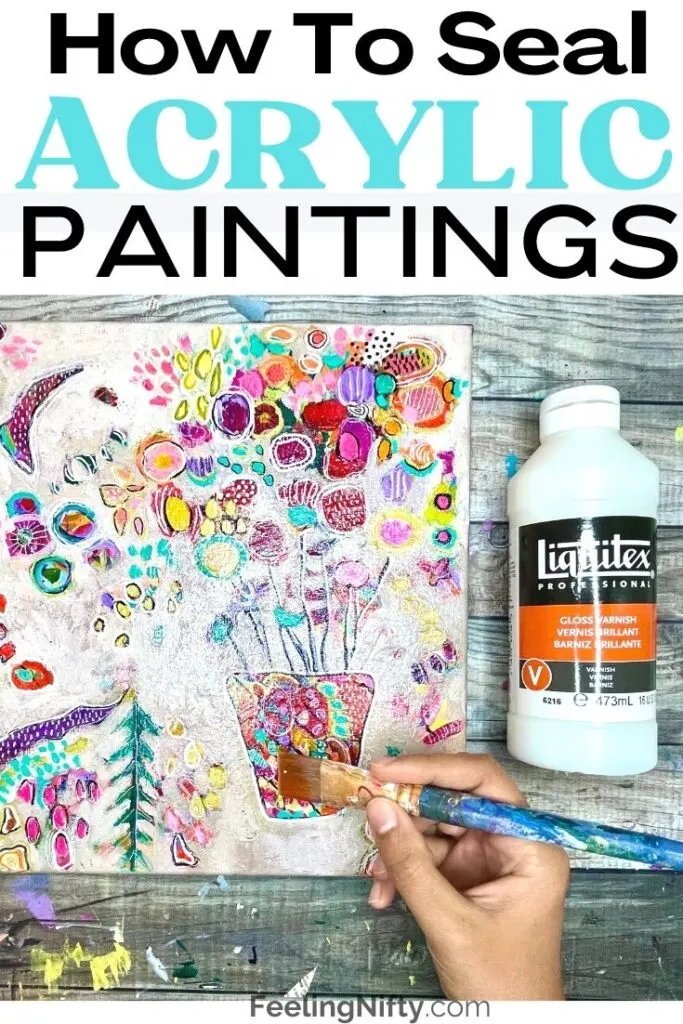
Credit: feelingnifty.com
Frequently Asked Questions
How Do I Seal Acrylic Paint On Canvas?
To seal acrylic paint on canvas, apply a clear acrylic varnish after the paint dries. It protects colors and prevents dust or moisture damage. Use a brush or spray varnish for even coverage and let it dry completely for a durable finish.
What Is The Best Varnish For Acrylic Paintings?
Acrylic varnish is best for sealing acrylic paintings. Choose between gloss, matte, or satin finishes based on your preference. Quality varnishes protect from UV rays and dust, ensuring your artwork lasts longer without yellowing or cracking.
When Should I Seal My Acrylic Painting?
Seal your acrylic painting once it is completely dry. Drying usually takes 24 to 48 hours. Sealing too soon can trap moisture and affect the paint’s appearance and durability. Always ensure the surface is clean before sealing.
Can I Use Spray Varnish To Seal Acrylic Paint?
Yes, spray varnish works well to seal acrylic paint on canvas. It provides an even coat without brush marks. Hold the spray can 6-12 inches away and apply multiple light coats for the best results. Let each coat dry before the next.
Conclusion
Sealing acrylic paint on canvas protects your artwork for years. It keeps colors bright and prevents dust or dirt damage. Choose the right sealer based on your painting’s finish. Apply thin, even coats and let each dry fully. This simple step makes your art last longer and look better.
Give your painting the care it deserves. Seal it well, and enjoy your beautiful creation every day.