Are you tired of your acrylic paint drying too fast, leaving you little time to blend or fix mistakes? You’re not alone.
When paint dries too quickly, it can ruin your artwork and cause unnecessary frustration. But what if you could slow down the drying process and have more control over your painting? You’ll discover simple and effective ways to keep your acrylic paint wet longer, so you can enjoy every stroke and create your best work yet.
Keep reading to learn the tricks that professional artists use to master their craft.
Credit: www.artistsandillustrators.co.uk
Causes Of Fast Drying
Acrylic paint dries fast, but sometimes too fast for good results. Understanding why paint dries quickly helps control the process. Several factors affect drying time. These include the environment, the paint itself, and how you apply it. Knowing these causes lets you adjust your painting techniques.
Environmental Factors
Temperature plays a big role in drying speed. Warm air makes paint dry faster. Low humidity also speeds up drying. Dry air pulls water from paint quickly. Wind or fans can remove moisture too fast. Painting in a cool, humid place slows drying. This gives more time to work with the paint.
Paint Composition
Acrylic paint has water and plastic polymers. Water evaporates quickly, causing fast drying. Some paints have more water, drying faster than others. Thick paints dry slower than thin ones. Paint with added drying agents also dries fast. Choosing paint with a slower drying formula helps. Check the label for drying time info.
Brush And Surface Effects
The type of brush affects drying time. Synthetic brushes hold less water than natural ones. This can make paint dry faster on the brush. The surface texture also matters. Rough surfaces absorb water faster, speeding drying. Smooth surfaces keep paint wet longer. Using the right brush and surface helps control drying speed.

Credit: www.youtube.com
Choosing The Right Paint
Choosing the right acrylic paint is key to controlling drying time. Different types of acrylic paints have different drying speeds. Picking the right one helps you work longer and avoid frustration. It also improves your painting experience and final results.
Slow-drying Acrylics
Slow-drying acrylics are designed to stay wet longer. They give you more time to blend colors and add details. These paints often contain extra ingredients to slow evaporation. They are perfect for artists who like to work slowly and carefully.
Using slow-drying acrylics can reduce the need for water or other additives. This keeps your paint texture consistent and smooth. These paints help avoid quick drying cracks and uneven finishes.
Heavy Body Vs. Fluid Paints
Heavy body paints are thick and creamy. They dry slower than thin paints because of their thickness. These paints hold brush strokes well and create texture. They are great for layering and impasto techniques.
Fluid paints are thin and runny. They dry faster because they have more water or medium. Fluid acrylics are good for washes and smooth blends but need quicker work. Choosing between heavy body and fluid depends on your style and drying time needs.
Using Retarders And Additives
Using retarders and additives helps slow down acrylic paint drying time. This gives more time to blend colors and work on details. Retarders mix easily with acrylic paint and do not change its color or texture. They keep the paint wet longer and reduce quick drying problems.
Types Of Retarders
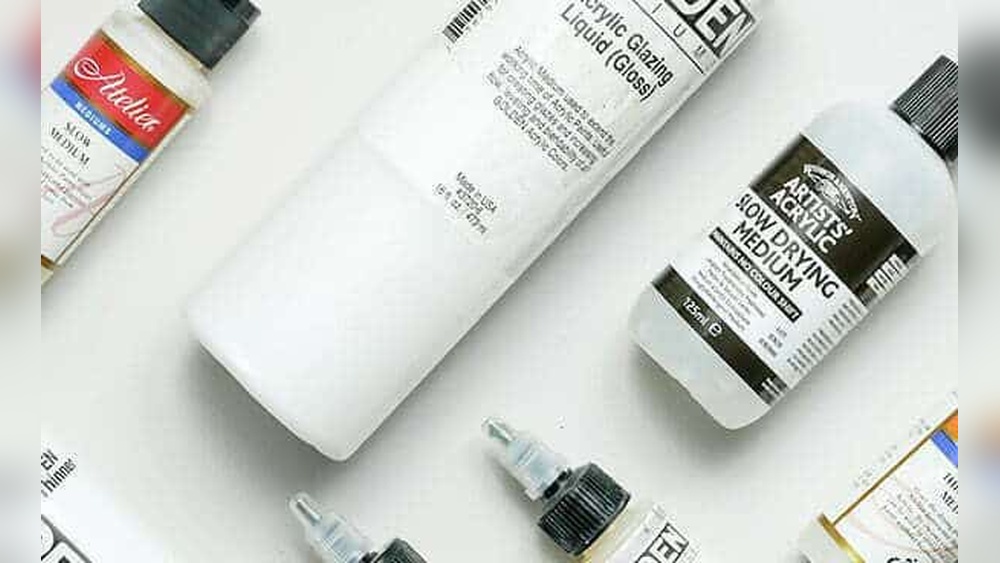
There are several kinds of retarders for acrylic paint. The most common is a liquid retarder made for acrylics. It is clear and mixes well with paint. Some retarders come as gels, which add thickness while slowing drying. Others contain natural ingredients like glycerin. Each type works differently, so choose one that fits your project.
Mixing Ratios And Techniques
Use small amounts of retarder to avoid soft paint layers. A good starting point is 15% retarder to 85% paint. Stir the mixture well for even drying control. Test the mix on a scrap surface to see how long it stays wet. Use a palette that slows drying for better results. Avoid adding too much retarder, as it can cause paint to peel or not dry at all.

Credit: willkempartschool.com
Adjusting Your Painting Environment
Adjusting your painting environment helps control how fast acrylic paint dries. Small changes around your workspace can make a big difference. This section explains easy ways to keep paint wet longer by managing humidity, temperature, and airflow.
Humidity And Temperature Control
Higher humidity slows down paint drying. Use a humidifier to add moisture to the air. Keep the room’s humidity between 40% and 60% for best results.
Lower temperatures also help slow drying time. Try to paint in a cooler room, around 65°F to 75°F (18°C to 24°C). Avoid direct sunlight or heaters near your canvas. These increase heat and speed up drying.
Airflow And Ventilation Tips
Strong airflow dries paint fast. Turn off fans or close windows if the air moves too much. Gentle, steady air is better for slow drying.
Good ventilation prevents fumes from building up. Open a window slightly or use an exhaust fan. This keeps air fresh without causing rapid drying.
Try placing your palette and canvas away from direct drafts. This protects paint layers and lets you work longer.
Effective Painting Techniques
Effective painting techniques help control how fast acrylic paint dries. They also improve the quality of your artwork. Using the right methods lets you work longer with the paint. This section shows simple ways to keep paint wet and fresh.
Layering And Blending Methods
Apply thin paint layers for better control. Thin layers dry slower than thick ones. You can add more layers as needed. Blend colors while the paint is still wet. This keeps the surface moist and easy to work with. Use a spray bottle to lightly mist your work. It helps keep paint soft between layers. Avoid heavy strokes that push paint away. Gentle blending keeps colors smooth and fresh longer.
Brush Handling To Extend Workability
Use soft brushes to avoid quick drying. Hard brushes can remove paint and dry it faster. Keep your brush wet by dipping it in water. Do not overload the brush with paint. This helps spread paint evenly and slows drying. Clean the brush often to keep it moist. Light, quick strokes work best to keep paint fresh. Avoid pressing too hard on the canvas. This keeps paint from drying too fast.
Storage And Cleanup Tips
Proper storage and cleanup help keep acrylic paint fresh and workable longer. Paint dries fast because it loses moisture quickly. Storing it right slows this process. Cleaning brushes well stops dried paint buildup. Both steps save your supplies and time.
Keeping Paints Moist
Store acrylic paint in airtight containers. Use plastic wrap over open paint before sealing lids. This stops air from drying the paint. Keep paints in a cool, dark place. Avoid heat and sunlight. Use a palette with a lid or wet palette. These hold moisture and keep paint soft.
Proper Brush Cleaning And Maintenance
Rinse brushes immediately after use. Use lukewarm water and mild soap. Gently work soap into bristles to remove paint. Avoid letting paint dry on brushes. Dry brushes flat or with bristles up. Store brushes in a container with bristles up. This keeps them in good shape for next use.
Common Mistakes To Avoid
Stopping acrylic paint from drying too fast can be tricky. Many artists face common mistakes that make the paint dry even quicker. Avoiding these errors helps keep your paint workable longer. Here are some frequent mistakes to watch out for.
Overuse Of Retarders
Retarders slow paint drying time. But using too much can harm the paint’s quality. Thick layers may not dry properly and stay sticky. This can ruin your artwork over time. Use small amounts and test before applying heavily.
Ignoring Environmental Conditions
Temperature and humidity affect drying speed. Hot, dry rooms make paint dry very fast. Cold or humid places slow drying but may cause other issues. Paint in a cool, shaded area with moderate humidity. Avoid direct sunlight and strong fans near your work.
Frequently Asked Questions
How Can I Slow Down Acrylic Paint Drying Time?
To slow drying, use a slow-dri medium or retarder mixed with paint. Working in a cooler, humid room also helps keep paint wet longer.
What Household Items Prevent Acrylic Paint From Drying Fast?
Spraying water mist on your palette and paint surface can delay drying. Covering paint with plastic wrap also retains moisture effectively.
Can Using A Wet Palette Extend Acrylic Paint Usability?
Yes, a wet palette maintains moisture in acrylics, preventing fast drying. It’s ideal for blending and prolongs paint workability during sessions.
Does Paint Thickness Affect Acrylic Drying Speed?
Thicker paint layers dry slower than thin ones. Applying thicker coats allows more working time before the paint sets completely.
Conclusion
Controlling acrylic paint drying time helps improve your artwork. Use water, slow-dry mediums, or keep your palette covered. Work in a cooler, more humid place to slow drying. These tips give you more time to blend and fix mistakes. Experiment with different methods to find what works best.
Painting becomes more enjoyable with better control over drying. Keep practicing and watch your skills grow steadily.