
The age printed on a painting craft kit box is a useful starting point, but it is not the whole story. Two four-year-olds can have very different fine motor skills and attention spans, and a kit labeled “8+” may be perfect for a patient six-year-old with a parent nearby. This guide explains what age painting craft kits are for, what each age range can realistically handle, and how to read labels so you pick a kit that is safe and genuinely fun.
Quick answer: Painting craft kits are made for every age from toddlers to adults. Finger paint and chunky washable kits suit ages 2–4, simple washable paint, rock painting and paint-your-own figurine kits suit ages 4–8, more detailed acrylic, canvas and craft project kits suit ages 8–12, and alcohol ink, paint-by-number and advanced craft kits are designed for teens and adults. Always check the manufacturer’s age grading for small-part choking hazards, and choose based on your child’s skills as well as their age.
Why Painting Craft Kits Have Age Labels
Age labels on art kits combine two different kinds of information:
- Safety grading: In the US, toys with small parts are not allowed to be marketed for children under three, and products with small parts intended for ages 3–6 must carry a choking hazard warning. If a kit says “not for children under 3,” that is a safety warning, not a skill suggestion.
- Developmental suggestion: Labels like “ages 6–8” or “8+” usually reflect the skills a project needs, such as following multi-step instructions, using small brushes or waiting for paint to dry.
Art materials sold in the US are also expected to be evaluated for chronic health hazards and labeled under ASTM D-4236, so look for that statement and for “non-toxic” claims, especially for young children who may put materials in their mouths. Some products also carry certification seals from art materials safety programs.
If you are comparing kits for crafts around the house, our guide to the best craft paint sets for DIY home projects covers sets suited to different ages and project types.
Age-by-Age Guide to Painting Craft Kits
| Age | Best kit types | Key skills | Supervision |
|---|---|---|---|
| 18 months–2 | Mess-free water painting, sealed paint bags, chunky finger paint | Grabbing, smearing, exploring | Constant |
| 2–4 | Washable finger paint kits, chunky brush and tempera kits, sponge stamping | Whole-hand movements, simple marks | Constant |
| 4–6 | Rock painting kits, paint-your-own figurines, washable watercolor kits, easel sets | Basic brush control, following two steps | Close |
| 6–8 | Wooden craft painting kits, birdhouses, suncatchers, beginner canvas kits | Staying in lines, waiting for drying | Nearby |
| 8–12 | Acrylic canvas kits, paint-by-number, pottery painting, tie-dye style fabric kits | Multi-step projects, detail, planning | Light |
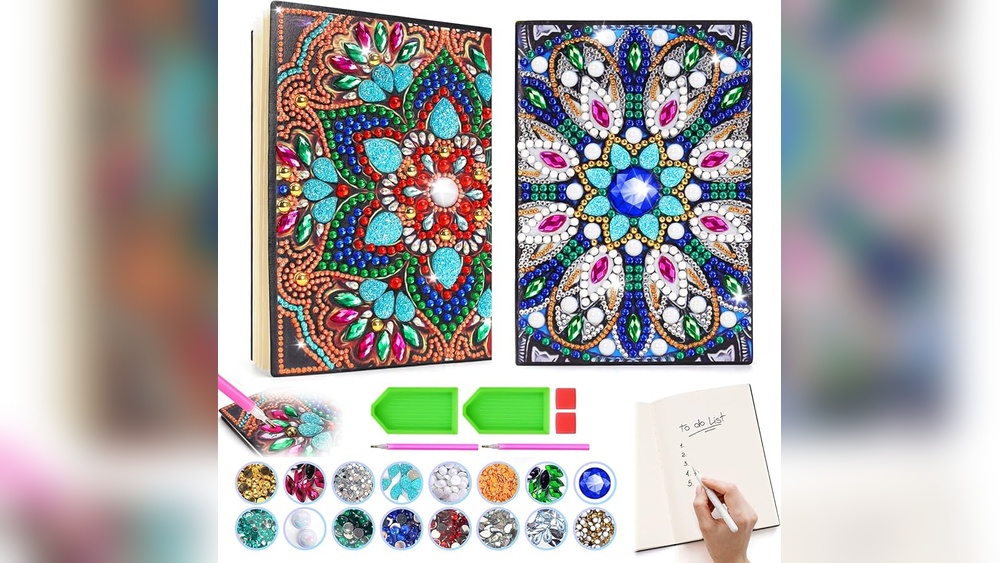
| Teens | Alcohol ink, pour painting, diamond-style and advanced paint-by-number | Independent work, technique | As needed |
| Adults | Alcohol ink kits, acrylic pour kits, watercolor kits, paint-by-number, specialty craft paint sets | Technique, patience | None |
Painting Kits for Toddlers (Ages 2–4)
At this age, painting is sensory exploration. Toddlers are developing whole-arm and whole-hand movements, and the finished product barely matters.
What to look for
- Washable, non-toxic paint with the ASTM D-4236 statement.
- Chunky brushes or sponges with short, thick handles that fit small fists.
- Spill-resistant paint cups to reduce mess.
- No small parts; check that the kit is age-graded for under three if your child is that young.
- Large paper so they can move freely.
Good kit types
A finger paint kit for kids ages 2–4 is often the first art kit. Water-reveal painting books, where a water pen reveals color, offer mess-free practice. Simple rock painting kits labeled for ages 2–4 usually include very large stones and washable paint, but check carefully for any small pieces.
Realistic expectations
Sessions last around 10–15 minutes. Expect mixing of every color, painting of hands and arms, and very little recognizable imagery. That is normal and valuable.
Painting Kits for Ages 4–8
Children in this range gain fine motor control quickly. They can hold a regular brush, start to paint recognizable shapes and enjoy having something to show off.
Ages 4–6
Rock painting kits for kids ages 3–5 and up, paint-your-own wooden or plaster figurines, and washable watercolor sets are good choices. Projects should be completed in one sitting, ideally in under 30 minutes. Easel kits for kids ages 4–8 let children stand while painting, which many find easier and more fun.
Ages 6–8
Kids can follow a short sequence: paint a base color, let it dry, then add details. Wooden birdhouses, suncatchers, simple canvas kits and painted magnets are popular. Our guide to making a painted birdhouse shows how a typical project unfolds, from base coat to sealing.
What to look for
- Washable tempera or student-grade acrylic for older kids in this range
- Regular-size brushes in a few shapes (flat and round)
- Clear picture instructions, since reading skills vary
- Projects with a recognizable outcome
Painting Kits for Ages 8–12
Older kids are ready for real art techniques and longer projects. They can plan, wait for layers to dry and work with more detailed outlines.
- Acrylic canvas kits: Pre-sketched canvases with paint and brushes; great for building confidence.
- Paint-by-number: Teaches patience and color blocking; start with designs that have fewer, larger sections.
- Art kits with easels: A tabletop easel with paints and canvases helps kids feel like real artists.
- Scratch art: Not painting exactly, but a great related craft; see our guide to scratch art painting crafts.
- Fabric and pottery painting kits: Tote bags, sneakers or small ceramic pieces.
Washable paint kits for kids ages 8–12 are still useful for indoor use, but many children in this range are ready for acrylics with adult guidance on cleanup, since acrylic is permanent on clothing once dry.
Painting Craft Kits for Teens and Adults
Painting craft kits for adults have grown into a large category. They focus on relaxation and technique rather than simplicity.
- Alcohol ink craft kits: Vibrant, fluid color on non-porous surfaces like yupo paper or tiles. Alcohol inks are flammable and produce fumes, so they are generally intended for teens and adults working in a ventilated space.
- Acrylic pour kits: Fluid paints and pouring medium for marbled effects. Messy but rewarding.
- Paint-by-number for adults: Detailed canvases with many small sections.
- Watercolor kits: Pans or tubes with paper and instructions for botanicals or landscapes.
- Specialty craft paint sets: Metallics, shimmers and specialty finishes for home decor projects.
Reading the Label: A Parent’s Checklist
- Age grading: Check for “not for children under 3” or choking hazard warnings.
- ASTM D-4236 statement: Indicates the product has been reviewed for chronic health hazards and labeled accordingly.
- Washable vs permanent: Washable paint for young kids; acrylic is permanent on fabric once dry.
- Contents list: Make sure brushes, paints and surfaces are all included, so you are not missing pieces mid-project.
- Project time: Short projects for young kids; multi-session for older ones.
- Drying requirements: Some projects need overnight drying before the next step.
- Sealing: Outdoor rock painting or birdhouse kits may need a sealer that adults should apply.
Matching a Kit to Your Child, Not Just Their Age
Age labels are averages. Consider these factors too:
- Attention span: A child who can focus on a puzzle for 30 minutes may enjoy a kit labeled a year older.
- Fine motor skills: If small brushes are frustrating, choose kits with bigger surfaces or paint pens.
- Frustration tolerance: Multi-step kits can feel defeating if a child expects instant results.
- Mouthing habits: If a child still puts things in their mouth, stick with kits graded for younger ages regardless of skill.
- Interests: A dinosaur-loving child may happily stick with a figurine kit that is technically “too easy.”
Setting Up for Success at Home
Prepare the space
Cover the table with a plastic tablecloth or newspaper, dress kids in old clothes or a smock, and have wet wipes and paper towels ready.
Pre-portion paint
For younger kids, squeeze small amounts into a palette or egg carton instead of handing over full bottles.
Model the first step
Demonstrate how to load and wipe a brush, how to rinse between colors and how to wait for drying.
Plan for drying
Choose a safe drying spot out of reach of pets and siblings. Many kit projects need 20–60 minutes between layers.
Celebrate the process
Praise effort and choices, such as color selection or patience, more than the final result.
Cleaning Up Different Paint Types
Knowing how each paint cleans up helps you decide what is realistic for your home.
- Washable tempera and finger paint: Rinses from skin with soap and water and usually from clothes with a cold rinse before washing.
- Watercolor: Mostly washes out easily, though some strong pigments can tint fabric.
- Acrylic: Cleans with water while wet but becomes permanent once dry, including on clothes, carpets and brushes. Wash brushes immediately.
- Alcohol ink: Removed with rubbing alcohol rather than water; stains skin and surfaces readily, which is another reason it suits older users.
Common Mistakes When Choosing Kits
- Buying too advanced: Kits that require skills a child does not have often end up abandoned.
- Ignoring mess level: Pour painting and alcohol inks are messy and better suited to older users or outdoor spaces.
- Forgetting extras: Some kits do not include water cups, sealer or protective gear.
- Overlooking safety labels: Small parts and non-washable paints are not appropriate for toddlers.
Craft Projects That Grow With Your Child
Some projects work across ages with simple adjustments, which makes them good value for families with several children.
- Bubble wrap printing: Sensory stamping fun for toddlers; a texture and pattern technique for older kids layering colors.
- Rock painting: Simple colored dots at age three, ladybugs and faces at six, detailed mandalas with paint pens at ten and beyond.
- Wooden shapes: Solid-color painting for preschoolers; patterns, lettering and sealing for older kids.
- Watercolor: Free color exploration for little ones; wet-in-wet skies, salt textures and simple landscapes for tweens.
- Canvas painting: Big abstract color fields for young kids; pre-sketched designs or freehand subjects as skills grow.
Gift Guide: Matching Kits to Occasions
Painting kits are popular gifts, and a little thought about the recipient goes a long way.
| Recipient | Kit idea | Why it works |
|---|---|---|
| Toddler (2–3) | Washable finger paint set with large paper | Sensory, safe, short sessions |
| Preschooler (4–5) | Rock painting or figurine kit | Quick, recognizable result |
| Early elementary (6–8) | Wooden birdhouse or suncatcher kit | Satisfying multi-step project |
| Tween (9–12) | Tabletop easel with acrylics and canvases | Feels grown-up, open-ended |
| Teen | Pour painting or alcohol ink kit | Trendy, technique-driven |
| Adult | Detailed paint-by-number or watercolor kit | Relaxing, skill-building |
For group settings like birthday parties or classrooms, choose kits that produce results in under an hour and do not rely on long drying times between steps. Washable paints and pre-portioned supplies reduce chaos considerably.
FAQs
What age are painting craft kits for?
There are painting kits for every age. Toddler kits start around age 2, kids’ kits cover 4–12, and many kits are designed specifically for teens and adults.
What age can a child start painting?
Many children start exploring with finger paint or water painting around 18 months to 2 years, with close supervision and non-toxic, washable paints.
Are painting craft kits safe for toddlers?
They can be if they are age-graded for toddlers, contain no small parts, and use washable, non-toxic paints with the ASTM D-4236 statement. Always supervise.
What is the best painting kit for a 5-year-old?
Rock painting, paint-your-own figurines, washable watercolor sets or easel kits with washable paint are popular choices for this age.
Are alcohol ink craft kits suitable for kids?
Alcohol inks are flammable and produce fumes, so they are generally intended for teens and adults working with good ventilation.
Can adults use kids’ painting kits?
Yes, though adults often prefer kits with better-quality paints and more detailed projects designed for their skill level.
Final Thoughts
The age on the box tells you whether a kit is safe and roughly how complex it is, but your child’s skills and interests should guide the final choice. Start a little easier than you think, set up the space for mess and celebrate the process. For family craft time with paints that suit a range of ages and surfaces, see our picks for craft paint sets that work for home projects.




