When you’re ready to bring your artistic vision to life, having the right tools to hold your canvas steady is crucial. You might wonder, what exactly do artists use to keep their canvas in place while painting?
Whether you’re a beginner or looking to upgrade your setup, understanding how to properly hold your canvas can make a huge difference in your comfort and the quality of your work. From easels to stretcher bars and more, this guide will walk you through the essential equipment that supports your canvas, so you can focus fully on creating your masterpiece.
Keep reading to discover the best ways to hold your canvas and elevate your painting experience.
Credit: www.vecteezy.com
Easels For Canvas Support
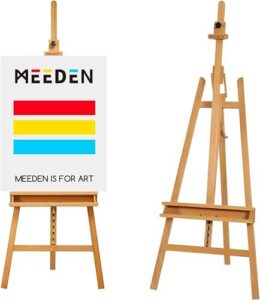
Easels are essential tools for painters. They hold the canvas steady while you work. Easels provide a good angle and height. This support helps you paint with ease and precision. Choosing the right easel improves comfort and control during painting.
Types Of Easels
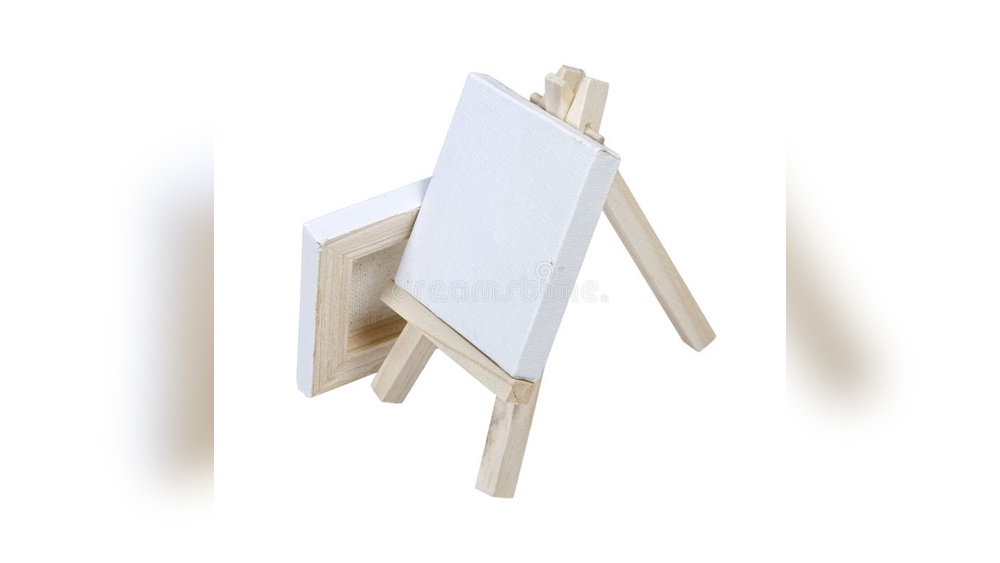
There are several types of easels to fit different needs. Studio easels are large and stable. They hold big canvases and stay firm. Portable easels are lightweight and foldable. Artists use them outdoors or in small spaces. Tabletop easels fit on desks or tables. They are perfect for small paintings or sketches. H-frame easels have a strong rectangular frame. They offer great support for heavy canvases. Lyre easels have a classic design and are easy to adjust.
Choosing The Right Easel
Pick an easel that matches your painting style. Consider the canvas size you usually work on. Think about where you will paint most often. A sturdy easel is best for large or heavy canvases. For travel or plein air painting, choose a lightweight model. Check how easy it is to adjust the height and angle. Some easels come with extra features like trays for brushes and paints. Comfort and stability are key factors to decide.
Setting Up Your Easel
Place the easel on a flat, stable surface. Adjust the legs to make it steady. Set the canvas holder to the right height. Tilt the easel to find the best painting angle. Secure the canvas firmly in the clamps or holders. Keep your tools within easy reach on any trays or shelves. Make sure the easel does not wobble before you start. Proper setup helps you focus on your art without distractions.
Stretcher Bars And Frames
Canvas wedges and keys are small but important tools for artists who use stretched canvas. They help keep the canvas tight and smooth on the wooden frame. These tiny pieces fit into the corners of the stretcher bars that hold the canvas. By adjusting the wedges, artists can control the tension of the fabric. This control is necessary for a good painting surface and to prevent sagging over time.
Purpose Of Canvas Wedges
Canvas wedges help tighten the canvas after it is stretched. Over time, a canvas can loosen and sag. Wedges push the stretcher bars apart slightly. This action pulls the canvas tighter and keeps it firm. Without wedges, the fabric may wrinkle or droop. They also allow small adjustments without removing the canvas from the frame.
How To Insert Wedges
To insert wedges, gently tap them into the slots at each corner of the stretcher bars. Use a small hammer or mallet for this. Insert wedges evenly on all corners to avoid uneven tension. Push them in just enough to tighten the canvas. Avoid forcing wedges too hard, as this can damage the frame or canvas.
Maintaining Canvas Shape
Regularly check the canvas for looseness or wrinkles. If the canvas sags, add or adjust wedges to restore tightness. Proper wedge use extends the life of the canvas. It also keeps the surface smooth for painting. Well-maintained canvas ensures better paint application and prevents damage over time.
Canvas Wedges And Keys
Clamps and hangers play an important role in holding canvas securely during painting. These tools keep the canvas stable, making it easier to work on details. Artists use clamps and hangers to avoid slipping or movement while applying paint. This section explains how to use these tools and their benefits.
Using Canvas Clamps
Canvas clamps grip the edges of the canvas tightly. They attach the canvas to a frame or easel. This prevents the canvas from moving or sagging. Clamps come in different sizes to fit various canvas thicknesses. They are easy to adjust and reposition as needed. Using clamps helps maintain a flat surface, which is vital for smooth brush strokes.
Popular Canvas Hangers
Canvas hangers are devices that hold the canvas from the top or sides. Some popular types include wooden stretcher bars with hooks, metal clips, and adjustable straps. These hangers often attach to walls or easels. Many artists prefer lightweight hangers for portability. Choosing the right hanger depends on canvas size and where you paint or display the artwork.
Benefits Of Secure Holding
Securely holding a canvas improves painting accuracy. It reduces unwanted movement that can ruin fine details. Clamps and hangers also protect the canvas from damage. They allow artists to work comfortably for longer periods. A stable canvas surface leads to better paint application. Overall, these tools enhance the quality and enjoyment of painting.
Clamps And Hangers
Canvas stands and risers are essential tools for artists working with canvases. They provide stable support, allowing painters to work comfortably and effectively. These tools hold the canvas at the right angle and height, reducing strain on the artist’s body.
Using canvas stands or risers helps keep the artwork steady during painting. They are especially useful for paint pouring techniques, where precise control is needed. Artists can focus on their creative flow without worrying about the canvas moving or tipping over.
Types Of Canvas Stands
There are several types of canvas stands available for artists. Traditional wooden easels are popular for their sturdiness and classic look. Aluminum tripod easels offer lightweight and durable support, ideal for outdoor painting. Tabletop stands are compact and fit well on desks or tables for smaller canvases.
Canvas risers are smaller platforms that elevate the canvas slightly. They work well on flat surfaces and prevent the canvas from sticking to the table. Risers come in various heights and materials, including wood and plastic.
Benefits For Paint Pouring
Canvas stands and risers improve the paint pouring process. They allow the canvas to tilt, helping paint flow smoothly and evenly. This prevents pooling and uneven drying. Risers lift the canvas off the surface, avoiding mess and ensuring clean edges.
By holding the canvas steady, stands prevent accidental spills and smudges. Artists can experiment with different angles to create unique paint patterns. This control helps achieve professional-looking results with less effort.
Portable And Adjustable Options
Many canvas stands are portable, making them easy to carry to different locations. Foldable easels fit into bags and backpacks for outdoor painting sessions. Adjustable stands let artists change the height and angle to suit their needs.
Lightweight materials like aluminum and plastic make these stands easy to move. Adjustable clamps and knobs secure the canvas firmly in place. These features add flexibility for artists who paint in studios, parks, or at home.
Mahlstick For Hand Support
Artists use various tools and accessories to hold and protect their canvas while painting. These items help keep the workspace organized and the artwork safe. They also make the painting process smoother and more enjoyable.
Below are some additional tools and accessories that support artists in holding and managing their canvas and painting materials.
Palette Holders
Palette holders keep paint palettes steady and within reach. They attach to easels or tables, freeing the artist’s hands. This allows easy mixing and access to colors. Palette holders reduce mess and prevent accidental spills. They come in different sizes and materials.
Wet Panel Carriers
Wet panel carriers protect paintings that are still drying. These carriers have separate slots to hold multiple panels safely. Artists can transport or store wet canvases without damage. They are lightweight and often have handles for easy carrying. Wet panel carriers are essential for plein air painters and art students.
Protective Covers
Protective covers shield canvases from dust, dirt, and scratches. They are useful during breaks or transport. Covers come in plastic, fabric, or padded versions. Some are designed to fit specific canvas sizes. Using protective covers helps keep paintings clean and in good condition.

Credit: www.dreamstime.com
Credit: www.etsy.com
Frequently Asked Questions
What Do Painters Use To Hold Canvas?
Painters use easels to hold canvases while painting. Easels provide stability and adjustable support for various canvas sizes.
What Is The Thing That Holds Paint Called?
The thing that holds paint is called a palette. Artists use palettes to mix and arrange paint colors easily.
What Is The Thing Called That Holds Canvas?
The device that holds a canvas while painting is called an easel. It supports the canvas upright for easy access.
What Is A Painters Stick Called?
A painter’s stick is called a mahlstick. Artists use it to steady their hand while painting fine details.
Conclusion
Artists use easels to hold canvases steady while painting. Easels come in many sizes and materials to fit different needs. Sturdy easels prevent wobbling and help create smooth brush strokes. Stretchers and stretcher bars keep the canvas tight and flat on the frame.
These tools work together to support the canvas during painting. Choosing the right equipment makes the painting process easier and more enjoyable. Understanding these basics helps beginners and experienced painters alike. Painting becomes more comfortable with proper canvas support.