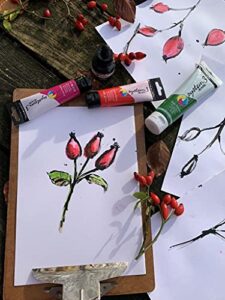
Winter is a wonderful season for painting, especially for beginners. The cold air, snowy landscapes, and cozy indoor scenes offer plenty of inspiration. Many people think painting in winter is difficult, but it can actually be simple and relaxing. You do not need expensive materials or advanced skills to create beautiful winter art.
With easy ideas and practical tips, you can start painting today and enjoy the creative process—even if you are new to art.
This guide will help you discover easy winter painting ideas and give helpful tips for beginners. You will learn how to choose subjects, use colors, and avoid common mistakes. We will also compare different painting styles and materials, so you can find what works best for you. Whether you want to paint snowy trees, warm cabins, or festive holiday scenes, you will find inspiration and guidance here.
Simple Winter Painting Ideas For Beginners
Choosing the right subject is important, especially when you are just starting. Winter offers many simple themes that look beautiful and are easy to paint. Here are some ideas to inspire you:
1. Snowy Landscape
Painting a snowy scene is easy because snow covers details. Start with a light blue or gray background. Add white paint for snow on the ground, trees, and roofs. Use dark colors for tree trunks and branches. You can add a small cabin or fence for extra interest.
2. Bare Winter Trees
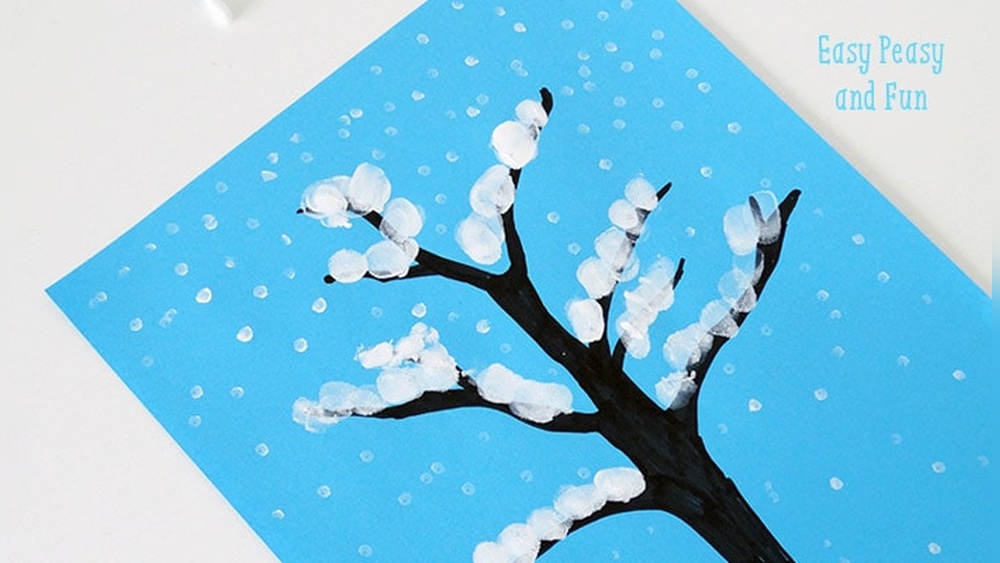
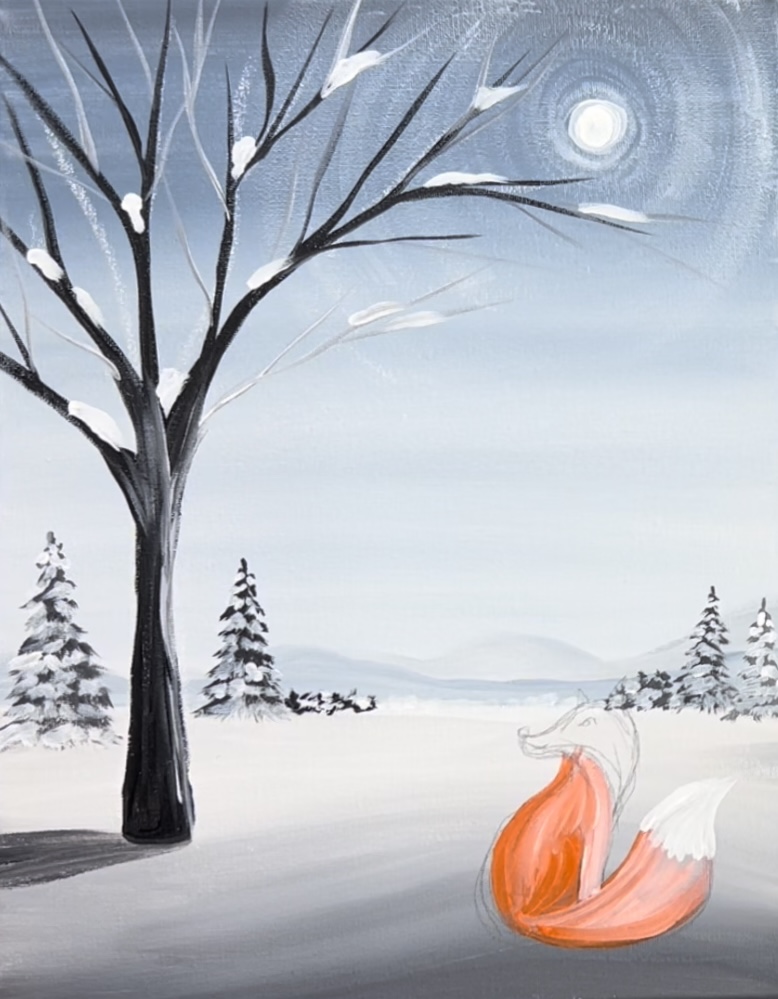
Trees without leaves have simple shapes. Use a thin brush or pencil to draw the trunk and branches. Add snow on the branches with white paint. Keep the background light and soft, like pale blue or gray.
3. Winter Night Sky
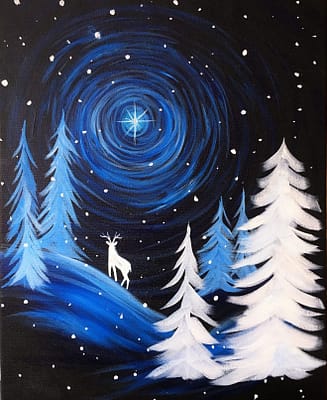
Create a dark blue background for the night sky. Use a toothbrush or small brush to flick white paint for stars. Paint a moon or some clouds. You can add silhouettes of trees or houses below.
4. Frozen Lake Or River
Paint a smooth, reflective surface for the ice. Use light blue, gray, and white to show the cold water. Add bare trees or snowbanks on the edges. Try painting skaters or animals for a fun touch.
5. Cozy Cabin In Snow
Draw a small cabin with a warm yellow glow from the windows. Surround it with snow, trees, and a path. This scene feels peaceful and is easy to paint with basic shapes.
6. Holiday Decorations
Paint simple ornaments, wreaths, or stockings. Use bright colors like red, green, and gold. Add snowflakes or stars for a festive look.
7. Snowman
Use three circles for the body. Paint a scarf, hat, and buttons. Add simple arms and a carrot nose. Snowmen are fun and easy for all ages.
8. Winter Animals
Try painting a deer, fox, or bird in the snow. Use basic shapes and soft colors. Keep the background simple to focus on the animal.
9. Falling Snowflakes
Paint a blue or gray background. Use a small brush or cotton swab to make white snowflakes. Each snowflake can be a simple dot or a star shape.
10. Mountain Winter Scene
Paint snowy mountains in the background. Use white, gray, and blue for shadows. Add trees and snow in the foreground.
These ideas are easy to paint and do not require much detail. Beginners can use simple shapes and colors to create pleasing winter art.
Choosing Materials For Winter Painting
The right materials make painting easier and more enjoyable. Here are some basics for beginners:
- Paint types: Acrylic, watercolor, and gouache are popular. Acrylic dries fast and is easy to use. Watercolor gives soft effects but needs practice. Gouache is like watercolor but more opaque.
- Brushes: Use soft brushes for smooth backgrounds and small brushes for details.
- Paper or canvas: Watercolor paper is best for water-based paints. Canvas is good for acrylic and oil. Start with small sizes to avoid wasting materials.
- Palette: Plastic or ceramic palettes are easy to clean. Paper plates also work for acrylic.
- Other tools: Pencil for sketching, eraser, masking tape to keep edges clean, and water cup for cleaning brushes.
Here is a simple comparison of paint types for winter scenes:
| Paint Type | Drying Time | Best For | Difficulty |
|---|---|---|---|
| Acrylic | Fast | Snow, cabins, trees | Easy |
| Watercolor | Medium | Skies, snowflakes, soft backgrounds | Medium |
| Gouache | Medium | Bold colors, opaque effects | Medium |
As a beginner, start with acrylic paint or watercolor because they are easy to use and clean up.
Color Choices For Winter Art
Winter art often uses cool and soft colors. Here are some popular colors for winter paintings:
- White: For snow, highlights, and clouds
- Light blue: For sky, shadows, and ice
- Gray: For shadows and backgrounds
- Dark blue: For night skies and water
- Brown: For tree trunks, cabins, and animals
- Green: For pine trees and holiday decorations
- Red and yellow: For warm accents like cabin lights or scarves
It is common to use limited color palettes in winter art. This makes the painting look calm and peaceful. Beginners often use too many colors, which can make the painting messy. Try to stick with 3-5 colors for your first winter painting.
Here is a comparison of two winter palettes:
| Palette Name | Main Colors | Best For |
|---|---|---|
| Classic Winter | White, blue, gray | Snowy landscapes, night scenes |
| Festive Winter | Red, green, gold, white | Holiday decorations, cozy cabins |
Choose a palette based on your subject and mood. If you want a peaceful scene, use cool colors. For holiday art, use brighter colors.
Step-by-step Tips For Painting Winter Scenes
Beginners can follow these steps to create a winter painting:
1. Choose Your Subject
Decide what you want to paint. It can be a landscape, snowman, cabin, or animal.
2. Sketch Lightly
Use a pencil to draw simple shapes. Do not press too hard. Erase lines if needed.
3. Create The Background
Start with a light wash for the sky or ground. Use large brushes for smooth areas.
4. Add Main Shapes
Paint trees, buildings, or snow using basic colors and shapes.
5. Add Details
Use small brushes to paint snowflakes, branches, or decorations. Keep details simple.
6. Use Highlights And Shadows
Add white for snow highlights. Use gray or blue for shadows. Shadows make snow look real.
7. Check Your Painting
Step back and look at your painting. Fix any areas that need more color or detail.
8. Let It Dry
Wait for the paint to dry before touching or framing.
Most winter scenes look best with soft edges and simple details. Beginners often make the mistake of painting too many details. Keep it simple for a calm and natural effect.
Credit: uncorkedcanvas.com
Common Mistakes Beginners Make
Painting winter scenes is easy, but beginners often make some mistakes. Here are a few to watch out for:
- Using too much color
Winter is calm and quiet. Too many bright colors can ruin the mood.
- Painting snow as pure white
Real snow has shadows and reflects colors. Use blue or gray for shadows.
- Ignoring the background
The sky and ground are important. Make sure the background has soft colors and blends well.
- Adding too many details
Simple shapes are better. Too many small details can make the painting look messy.
- Not letting paint dry
Wet paint can smudge. Wait for each layer to dry before adding more.
- Forgetting shadows and light
Shadows make snow and objects look real. Use soft blue or gray for shadows.
A non-obvious tip is to use negative space. This means leaving some areas blank or with very light color. It makes the snow look bright and gives balance to the painting.
Practical Winter Painting Tips
Beginners can improve their winter paintings with these tips:
1. Use Reference Photos
Look at photos of winter scenes to get ideas. Try to copy the colors and shapes.
2. Practice Snow Textures
Try painting snow with a dry brush or sponge. It creates a soft, fluffy effect.
3. Layer Colors
Start with light colors. Add darker colors for shadows and details.
4. Use Masking Tape
Tape the edges of your paper to keep borders clean.
5. Paint Small First
Start with small paintings. It is less scary and you can finish faster.
6. Mix Colors Carefully
Do not use paint straight from the tube. Mix colors for softer shades.
7. Keep Brushes Clean
Wash your brush between colors, especially with white.
8. Try Different Tools
Use cotton swabs, sponges, or palette knives for snow and textures.
9. Paint With Friends Or Family
Painting together makes it fun and less stressful.
10. Be Patient
Painting takes time. Do not rush. Enjoy the process.
A useful insight is that winter light is softer than summer. Use gentle colors and avoid harsh contrasts. This will make your painting look more natural.
Credit: stepbysteppainting.net
Comparing Painting Styles For Winter Art
Different painting styles can give your winter art a unique look. Here is a comparison of three common styles:
| Style | Features | Best For | Beginner Friendly |
|---|---|---|---|
| Realistic | Detailed, true-to-life | Nature scenes, animals | No |
| Impressionistic | Soft edges, loose brushwork | Landscapes, snow, light | Yes |
| Cartoon | Bold lines, simple shapes | Snowmen, cabins, decorations | Yes |
Most beginners enjoy impressionistic or cartoon styles because they are easier and less stressful. You do not need to worry about perfect details.
Where To Find Winter Painting Inspiration
If you need more ideas, try these sources:
- Online galleries: Websites like Pinterest and Instagram have thousands of winter art examples.
- Nature walks: Go outside and observe snow, trees, and animals.
- Holiday cards: Look at designs for inspiration.
- Art books: Visit your library or bookstore for winter painting guides.
- Painting tutorials: Watch videos for step-by-step help.
You can also visit WikiHow for easy tutorials and more ideas.

Credit: maniology.com
Frequently Asked Questions
What Is The Easiest Winter Painting Idea For Beginners?
The easiest idea is snowy landscape. It uses basic shapes and colors. You only need to paint a soft blue background, add white for snow, and a few trees or a cabin. It does not require much detail.
Which Paint Is Best For Winter Scenes?
Acrylic paint is best for beginners. It dries fast and is easy to use. You can also try watercolor for soft effects, but it is harder to control.
How Can I Make Snow Look Real In My Painting?
Use white paint for highlights, but add blue or gray for shadows. Snow reflects sky color and light. Try using a dry brush or sponge for soft snow textures.
How Do I Avoid Common Beginner Mistakes?
Keep your color palette simple. Use reference photos to guide you. Paint in layers, and do not rush. Focus on soft backgrounds and simple shapes.
Where Can I Find Winter Painting Tutorials For Beginners?
You can find tutorials on YouTube, Pinterest, and art websites like WikiHow. These sites offer step-by-step guides and helpful tips.
Painting in winter can be a fun and rewarding experience, especially for beginners. The season’s calm colors and simple scenes are perfect for learning. Start with easy subjects, use basic materials, and follow practical tips. Remember, every painting is a chance to learn and enjoy.
With patience and creativity, you will soon create beautiful winter art to share with friends and family.