Painting Ideas With Tape And Masking
Painting is more than just applying color to a wall or canvas. With a little creativity and simple tools like tape and masking, you can make patterns, shapes, and designs that look professional. Many people think you need to be an artist to create beautiful painted effects. But the truth is, masking tape can help anyone, even beginners, make crisp lines and exciting designs. It’s also a favorite trick of interior designers because it offers so much flexibility without needing special skills.
In this guide, you’ll learn how to use tape and masking techniques to transform your walls, furniture, or art projects. We’ll explore different ideas, step-by-step methods, and common mistakes to avoid. Whether you want to refresh a room or create a unique gift, these painting ideas can help you get started—even if you’ve never picked up a paintbrush before.
Why Use Tape And Masking In Painting?
Many people struggle to paint straight lines or create sharp edges by hand. This is where tape and masking shine. They act as guides so you can make clean shapes, patterns, or color blocks. The main reasons to use tape and masking in painting are:
- Precision: Achieve crisp edges without freehand skills.
- Creativity: Make geometric patterns, stripes, or custom designs easily.
- Protection: Mask off areas you don’t want to paint, such as trim or hardware.
- Speed: Faster than using stencils or drawing outlines.
Tape is not only useful for beginners but also for experienced painters who want to experiment with new styles.
Choosing The Right Tape And Masking Materials
Not all tapes are the same. The wrong tape can cause paint bleed or even damage your surfaces. Here’s a comparison of common tape types used for painting:
| Type of Tape | Best For | Main Advantage | Common Problem |
|---|---|---|---|
| Painter’s Tape | Walls, furniture, canvas | No residue, sharp lines | More expensive |
| Masking Tape | General projects | Low cost, easy to find | Can leave residue, less crisp |
| Washi Tape | Paper crafts, delicate surfaces | Gentle, colorful options | Not very strong |
Painter’s tape is best for walls and surfaces where you want the cleanest lines. Standard masking tape works for quick jobs but may not always give perfect edges. Washi tape is gentle for crafts and doesn’t damage paper.
Tip: Always test your tape on a small area before starting your full project.
12 Creative Painting Ideas With Tape And Masking
Here are some inspiring ways to use tape and masking in your painting projects. Each idea can be adjusted for walls, canvases, furniture, or even small decorative items.
1. Geometric Wall Patterns
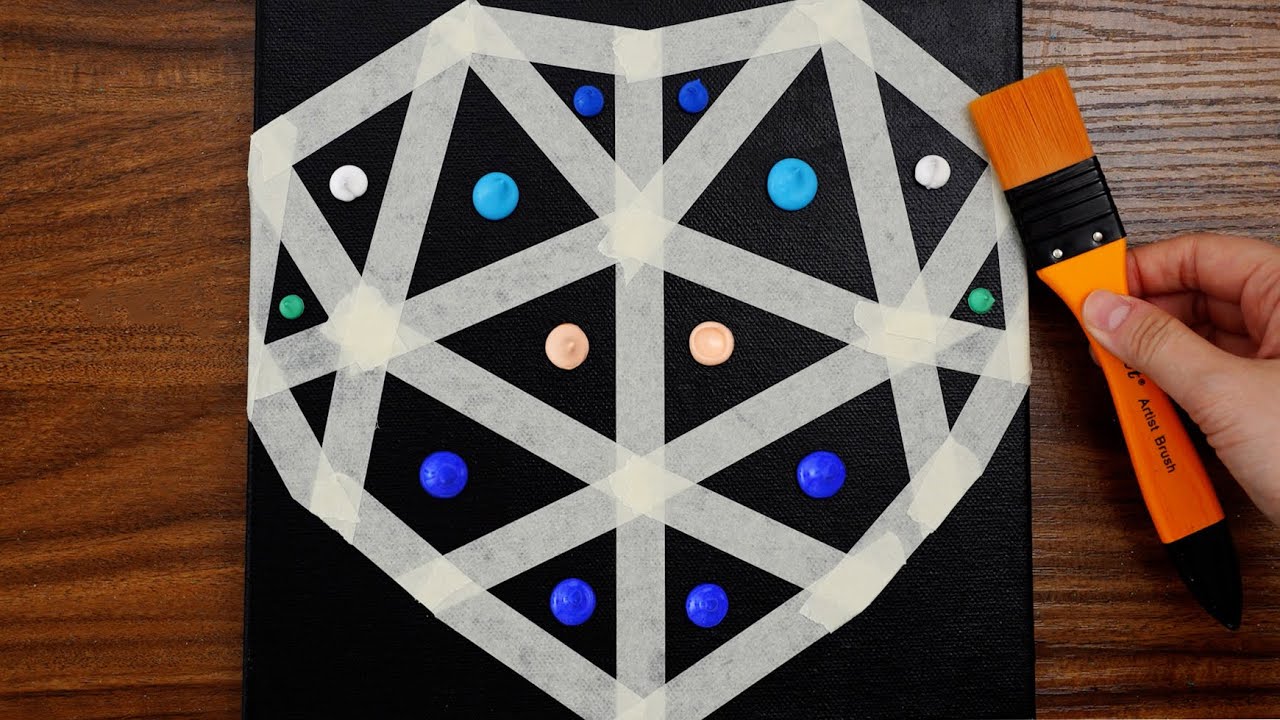
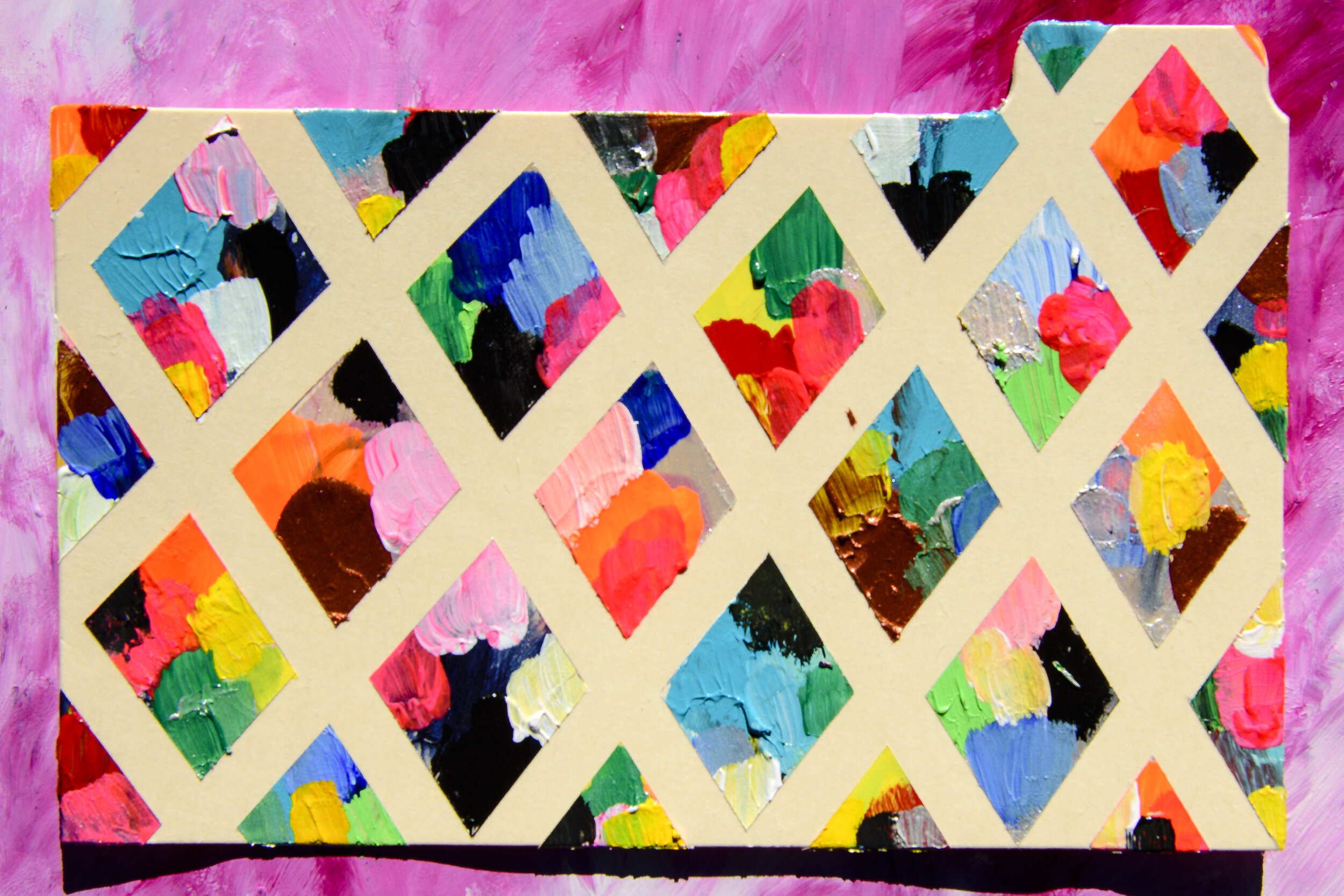
Use tape to make triangles, diamonds, or hexagons on your wall. Paint inside the shapes with different colors. When you remove the tape, you get sharp, modern designs. This method is popular in bedrooms and offices for a bold, contemporary look.
2. Striped Accent Walls
Create horizontal or vertical stripes by taping off even sections on your wall. Alternate between two or more colors. Stripes can make a small room look larger or add energy to a plain space.
3. Color Block Art
Tape off large blocks or rectangles on a canvas or piece of wood. Paint each block a different color for a modern art feel. This is an easy DIY project and makes a great gift.
4. Herringbone Patterns
Arrange tape in a zigzag or herringbone design. Paint over the whole area, then peel the tape to reveal the pattern. This style works well on furniture, floors, or as a feature wall.
5. Diagonal Designs
Instead of straight lines, try taping diagonally across your surface. Paint alternating sections for a dynamic, edgy look. Diagonal lines can add motion and excitement to any room.
6. Diy Canvas Art With Tape
For beginner artists, tape can help create impressive canvas pieces. Lay out tape in random or planned patterns, paint over, and remove the tape for instant abstract art. This is a fun project for kids and adults alike.
7. Painted Door Edges
Add a surprise pop of color by masking the edge of a door and painting it a bright hue. When the door is closed, the color is hidden. When opened, it gives a stylish accent.
8. Furniture Makeovers
Tape can help you update old furniture. Try painting stripes or shapes on dresser drawers, table legs, or chair backs. This is a budget-friendly way to refresh your décor.
9. Mountain Murals
Tape out large mountain shapes on a wall, then fill in with various shades of blue or gray. After removing the tape, the overlapping shapes create a stunning landscape effect. Great for kids’ rooms or creative spaces.
10. Taped Borders
Use tape to make a border around a wall, mirror, or frame. Paint inside the border for a framed look. This helps define spaces and adds a professional touch.
11. Stenciled Letters And Words
Tape can be used to create custom letters or words. Place tape in the shape of letters, paint over, and remove for a sharp, clean message. This is ideal for signs, wall quotes, or personalized gifts.
12. Ombre Effects With Tape
For a gradient look, tape off horizontal sections and paint each one a slightly lighter or darker shade. When finished, the color transitions smoothly from one end to the other. This is often used on accent walls or large canvases.
Step-by-step Guide: Creating A Simple Taped Design
Many first-time painters feel nervous about using tape, but it’s easier than you think. Here’s a step-by-step example for painting a striped accent wall.
- Clean the wall thoroughly. Any dust or grease can stop the tape from sticking well.
- Plan your pattern. Measure and mark where your stripes or shapes will go.
- Apply tape carefully along the lines. Press edges firmly to stop paint from bleeding underneath.
- Paint inside the taped areas. Don’t overload your brush or roller.
- Remove tape while the paint is still slightly wet. This stops the paint from peeling.
- Touch up any spots with a small brush if needed.
Pro tip: Always use a level or laser guide to keep your lines straight, especially for large wall projects.
Common Mistakes And How To Avoid Them
Even with tape, there are a few challenges. Here’s a comparison of problems and solutions for beginners:
| Mistake | Why It Happens | How to Fix |
|---|---|---|
| Paint Bleed Under Tape | Edges not sealed or tape is old | Press tape firmly; use quality painter’s tape |
| Paint Peels With Tape | Tape removed when paint is dry | Remove tape when paint is still tacky |
| Uneven Lines | Tape not straight or measured | Use a ruler or level to apply tape |
| Residue Left Behind | Low-quality tape or left on too long | Use painter’s tape; remove soon after painting |
Non-obvious tip: If you’re worried about paint bleed, try painting a thin line of the base color along the tape edge first. This “seals” the tape and stops the new color from seeping under.
Advanced Tape Techniques For Unique Effects
Once you’re comfortable with basic lines and shapes, try these ideas for a more professional finish:
- Layered masking: Tape off one area, paint, let dry, then tape and paint another section. This creates complex, multi-color patterns.
- Negative space art: Use tape to block out parts of the canvas, paint the rest, and remove tape for dramatic “empty” shapes.
- Custom shapes: Cut tape into curves or designs with scissors or a craft knife for more organic looks.
- Textured effects: After taping, use sponges, brushes, or rags to apply paint for a unique surface.
Many artists and designers use these tricks to create art that looks like it took much longer than it did.
Credit: www.youtube.com
Safety And Surface Preparation
Good results start with the right prep. Here’s what you should always do:
- Clean surfaces before taping.
- Test tape in a hidden area, especially on delicate walls or wood.
- Use drop cloths to protect floors and furniture.
- Wear gloves if using strong cleaners or paints.
Safety is important, especially if you’re working in small rooms. Open windows for fresh air, and never leave tape on walls longer than recommended by the manufacturer.
When To Use Tape Vs. Freehand
Many beginners think tape is always better, but sometimes freehand is faster or gives a more relaxed look. Use tape for:
- Sharp, geometric designs
- Borders and stripes
- Layered color blocks
Freehand works well for:
- Organic shapes
- Soft blends or ombre
- Small touch-ups
If you’re not sure, start with tape for the main design, then add freehand touches for detail.
Practical Tips For Best Results
Even simple projects can look stunning with the right approach. Here are some extra tips that most beginners miss:
- Always remove tape at a 45-degree angle to avoid tearing paint.
- Don’t stretch tape when applying—it can shrink and pull away later.
- For curves, use flexible painter’s tape or cut small pieces to follow the shape.
- Store tape in a cool, dry place. Old tape loses stickiness and can ruin your project.
Remember, a little patience in taping and painting pays off with a much more professional result.
Eco-friendly Options And Cleanup
If you want to be more sustainable, look for painter’s tapes made from recycled materials. Some brands now offer biodegradable options. For cleanup:
- Reuse tape for other craft projects if possible.
- Use water-based paints for easier cleanup and less odor.
- Dispose of used tape and paint responsibly according to local rules.
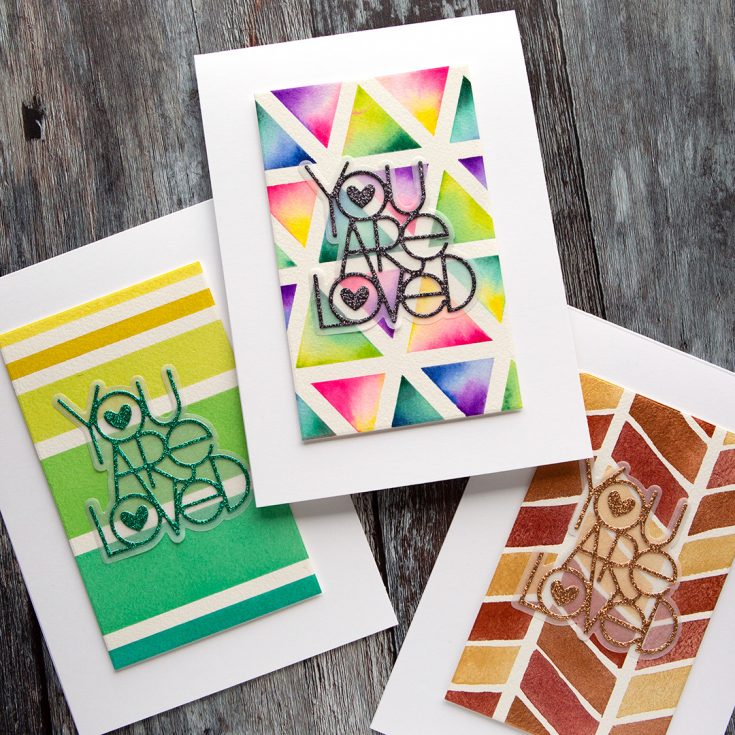
Credit: www.simonsaysstampblog.com
Where To Find More Inspiration
Many artists and designers share tape painting ideas online. For more advanced patterns, you can explore sites like Architectural Digest, which show real-world examples and tutorials for all skill levels.
Frequently Asked Questions
What Is The Best Tape For Sharp Paint Lines?
The best tape for sharp lines is painter’s tape. It is designed to prevent paint from bleeding and comes off cleanly. Avoid cheap masking tapes, as they can leave residue and do not seal as well.
Can I Use Masking Tape On Freshly Painted Walls?
It’s best to wait at least 2 weeks before applying tape to a newly painted wall. If you apply tape too soon, it can peel off the paint when removed.
How Do I Stop Paint From Bleeding Under The Tape?
Press the tape firmly along the edges and use a high-quality painter’s tape. For extra protection, paint a thin layer of the base color along the tape edge before applying your new color.
Is It Possible To Create Curved Lines With Tape?
Yes, but you’ll need a flexible painter’s tape designed for curves, or you can cut small sections of tape to follow the desired shape. Standard masking tape is not flexible enough for tight curves.
What Should I Do If The Tape Removes Paint When I Peel It Off?
This often happens if the tape is left on too long or if the surface wasn’t fully cured. Remove the tape while the paint is still slightly wet, and always test tape on a small hidden area first.
Painting with tape and masking opens a world of possibilities, from simple stripes to stunning geometric art. With a few basic tools and some imagination, anyone can add style and personality to their home, crafts, or gifts. Don’t be afraid to experiment—sometimes the best results come from trying something new.
Happy painting!
Credit: daisyyellowart.com