Painting elephant wall art can turn a plain room into a lively and inspiring space. Whether you love elephants, want to add a cultural touch, or just seek a bold design, creating your own elephant art is both rewarding and relaxing.
Many people worry that painting is only for artists, but with simple steps, anyone can make beautiful wall art. This guide will walk you through everything—from gathering materials to adding the final details—so you can create elephant wall art that truly stands out.
Why Choose Elephant Wall Art?
Elephants are more than just animals; they symbolize wisdom, strength, and good luck in many cultures. Their large shapes and unique features make them perfect for wall art. An elephant painting can give a room a peaceful feeling or even become the main focus. You can choose any style—from realistic to cartoonish—depending on your taste and room theme.
Planning Your Elephant Wall Art
Before you start painting, some planning can save time and mistakes. Think about where the art will hang. Is it above a bed, in a hallway, or part of a gallery wall? This will decide the size and colors you use.
Choosing The Right Size
Measure the wall where you want to hang your art. Here’s a quick comparison of common wall art sizes:
| Canvas Size (inches) | Best For | Visual Impact |
|---|---|---|
| 12 x 16 | Small spaces, shelves | Subtle, personal |
| 18 x 24 | Above desks, entryways | Balanced, noticeable |
| 24 x 36 | Above sofa, bed | Bold, main focus |
For most rooms, an 18 x 24 inch canvas is a good starting point.
Picking The Right Style
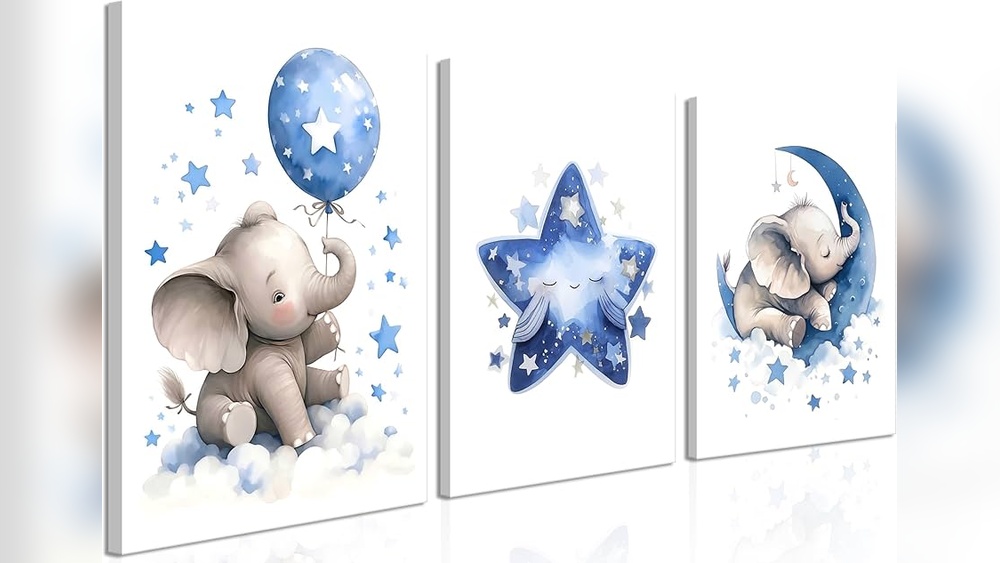
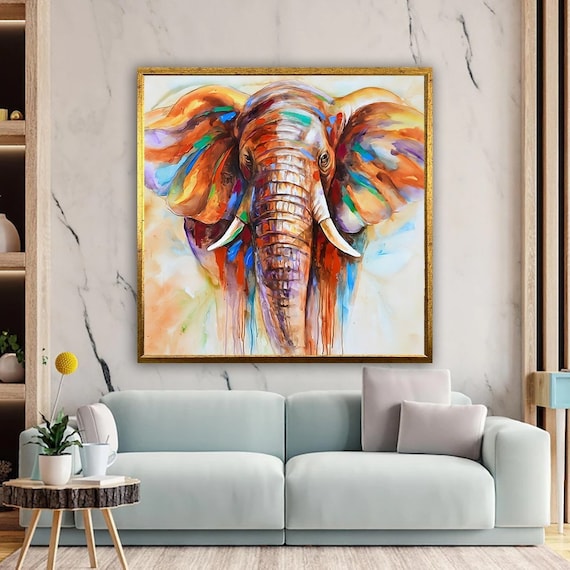
There are many ways to paint elephants. Some people like realistic elephants, showing every wrinkle and detail. Others prefer simple shapes and bright colors. If you want to match a modern home, try a geometric or abstract elephant. For kids’ rooms, cartoon or watercolor elephants work well.
Deciding On A Color Palette
Your color palette can change the mood of your art. Here’s a simple guide:
| Palette Type | Suggested Colors | Room Style |
|---|---|---|
| Neutral | Gray, beige, white, black | Minimalist, classic |
| Warm | Brown, orange, red, gold | Cozy, welcoming |
| Bold | Blue, green, purple, teal | Modern, playful |
A quick tip: Elephant skin is usually gray, but you can use any colors to make your art unique.

Credit: www.amazon.com
Gathering Your Materials
You don’t need expensive tools to start. Here are the basics:
- Canvas or watercolor paper (any size you like)
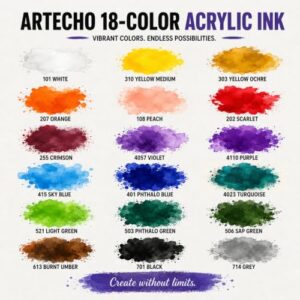
- Acrylic paints or watercolors
- Brushes: One large flat brush, one medium round, and one fine brush for details
- Palette (or a plate for mixing colors)
- Pencil (for sketching)
- Eraser
- Cup of water (for cleaning brushes)
- Old cloth or paper towels
- Painter’s tape (optional, for clean edges)
- Reference photo of an elephant
Some artists also use sponges or even their fingers for special effects.
Sketching Your Elephant
Start by lightly sketching the elephant on your canvas with a pencil. Don’t press hard; light lines are easier to erase or paint over. Focus on the main shapes:
- Draw a large oval for the body.
- Add a smaller circle for the head, connecting it to the body.
- Sketch the trunk as a long, curved line.
- Place the ears as large, fan-like shapes on either side of the head.
- Add four legs and a tail.
If you want a simple style, keep the shapes big and soft. For more detail, look at a reference photo to add the eyes, tusks, and wrinkles.
Non-obvious insight: Use painter’s tape to mark areas you want to keep clean, or to create sharp edges in a geometric design. This is especially helpful for beginners.
Credit: www.etsy.com
Painting The Background
It’s easier to paint the background before the elephant. Choose a color that makes your elephant stand out. For example, a light blue background will make a gray elephant pop.
- Wet your large brush and add your chosen color.
- Paint the entire background, going around your sketch.
- Let it dry fully before moving on.
If you want a more artistic look, blend two or three colors together, moving from dark at the bottom to light at the top.
Painting The Elephant
Now for the fun part—painting the elephant itself. Here’s a step-by-step approach:
Base Layer
- Use your medium brush to fill in the main shapes with a light gray (or any base color you chose).
- Paint in the direction the skin would go (usually vertical on the legs, horizontal on the body).
- Let this layer dry.
Adding Shadows And Highlights
- Mix a darker gray for the shadow areas: Under the belly, behind the ears, under the trunk.
- Add lighter paint for highlights: Top of the head, ears, and trunk.
- Use the fine brush to blend the edges between light and dark. This makes the elephant look three-dimensional.
Practical tip: Don’t worry if your shadows look too strong at first. You can always paint over them with your base color to soften the effect.
Detailing The Face And Features
Use your fine brush for small details:
- Paint the eyes as two small ovals, adding a white dot for life.
- Outline the ears, trunk, and tusks.
- Add lines for wrinkles and folds, especially around the trunk and legs.
- If your elephant is realistic, add toenails and tail hair.
If you want a cartoon style, use bold outlines and brighter colors. For a watercolor look, keep your brush wet and use soft, gentle strokes.
Beginner mistake to avoid: Don’t try to add all details at once. Build them up slowly for more control.
Adding Patterns Or Extra Designs
Some elephant wall art includes beautiful patterns—like mandalas or tribal lines—inside the elephant’s body. If you want this look:
- Wait until your base colors are completely dry.
- Lightly sketch your pattern with a pencil.
- Use a thin brush or marker to fill in the design.
You can also add flowers, leaves, or colorful dots around the elephant for a fun touch.
Finishing Touches
Step back and look at your painting from a distance. This helps you see if any area needs more color, detail, or fixing. Add any final highlights or shadows. If you want a glossy finish, you can brush on a clear acrylic sealer once the painting is dry.
Let your art dry fully before hanging it on the wall.
Common Problems And How To Fix Them
- Paint dries too fast: Work in smaller areas, or add a little water to acrylic paint.
- Colors mix by accident: Let each layer dry before adding a new color.
- Lines look shaky: Rest your hand on the canvas for more control, or use painter’s tape for straight edges.
- Canvas warps: Use thicker paper or stretch the canvas tightly before starting.
Displaying Your Elephant Wall Art
Hang your finished elephant art in a spot where it gets good light. Use hooks or command strips for easy hanging. If you made a small painting, try framing it for a polished look.
You can also group your elephant art with other animal paintings for a gallery wall. Matching frames or similar colors help the whole display feel connected.
Creative Variations For Inspiration
If you want something different, try these ideas:
- Geometric elephant: Use triangles and shapes instead of smooth lines.
- Rainbow elephant: Paint the elephant in many bright colors.
- Night sky elephant: Paint stars and a moon inside the elephant’s body.
- Cultural patterns: Add Indian or African-inspired designs.
For more inspiration, check out Pinterest for thousands of elephant wall art ideas.
Comparing Paint Types For Elephant Wall Art
Choosing the right paint can change your final result. Here’s a quick comparison:
| Paint Type | Pros | Cons | Best For |
|---|---|---|---|
| Acrylic | Dries fast, vibrant colors, easy to layer | Hard to blend, dries quickly | Beginners, bold designs |
| Watercolor | Soft look, blends easily, easy clean-up | Less control, colors dry lighter | Soft, dreamy art |
| Oil | Easy to blend, rich colors | Slow drying, messy | Realistic, detailed art |
For most home art, acrylic paint is the easiest to start with.
Practical Tips For Beginners
- Test your colors on scrap paper before painting on the canvas.
- Keep your brushes clean. Wash them every 10–15 minutes.
- Use reference photos to help with shapes and colors.
- Don’t rush. Let each layer dry for the best results.
- Remember, it’s okay if your elephant doesn’t look perfect—the goal is to have fun and make something you love.
Non-obvious insight: If you make a mistake, wait for the paint to dry, then paint over it. Acrylic is very forgiving!
Frequently Asked Questions
How Do I Make My Elephant Painting Look More Realistic?
Study real elephant photos. Notice where the skin is lighter or darker. Add wrinkles around the trunk and eyes using a fine brush. Blend colors gently for a soft, natural look.
What Is The Best Paint For Elephant Wall Art?
Acrylic paint is the best choice for beginners. It dries fast and is easy to layer. Watercolors are good for a softer look, and oils work well for detailed, realistic art.
Can I Use A Stencil For My Elephant Wall Art?
Yes! Stencils are great for beginners. You can buy elephant stencils or make your own by cutting out an elephant shape from cardboard. Hold it on the canvas and paint around it for clean edges.
How Do I Fix Mistakes In My Painting?
Let the area dry. Then, paint over the mistake with your background or base color. Acrylic paint covers well, so you can try again without starting over.
Where Can I Find Ideas For Elephant Wall Art Designs?
Pinterest is a fantastic place for inspiration. Search for “elephant wall art” to see thousands of styles—from simple to complex. You can also check art blogs and YouTube tutorials for step-by-step guides.
Painting elephant wall art is a creative way to make your space feel warm and special. With a little time and patience, you can create art that’s not just decoration, but a true expression of your style. Remember, every artist started as a beginner—so enjoy the process and let your imagination lead the way!

Credit: www.homary.com