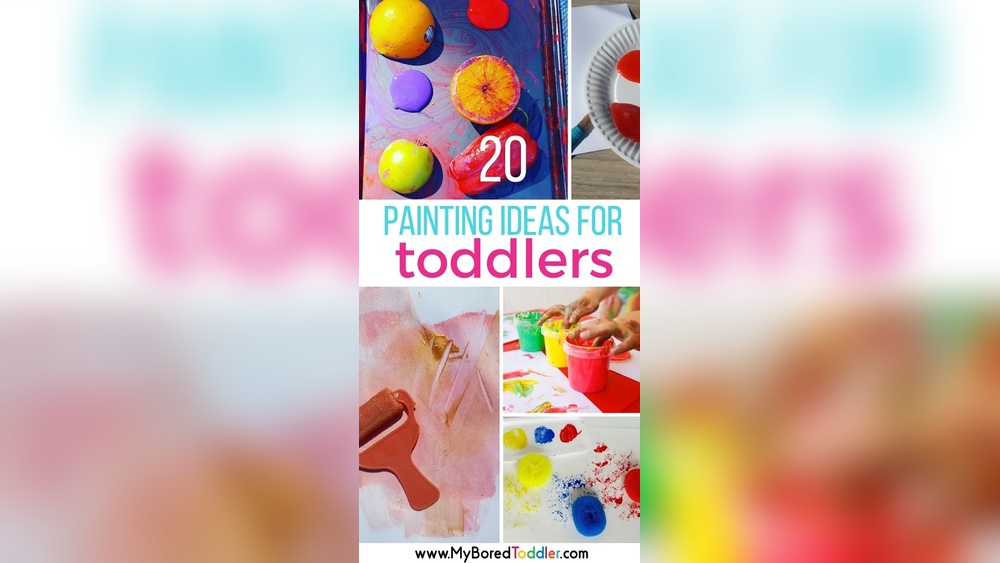
Painting with toddlers is more than just a fun activity—it’s a wonderful way to help your child explore creativity, learn new skills, and build their confidence. Many parents worry about the mess or think their child is too young to benefit from painting.
But with the right approach, painting can become a joyful, stress-free part of your routine. This guide will show you how to paint with toddlers, suggest creative activities, share practical tips, and help you understand the real benefits behind those messy hands and bright colors.
Why Painting Is Important For Toddlers
Painting is not just about making pretty pictures. It supports child development in many ways. Toddlers learn through play, and painting helps with:
- Fine motor skills: Gripping a brush, dabbing with a sponge, or using fingers all strengthen hand muscles.
- Hand-eye coordination: Painting requires toddlers to control their movements.
- Creativity and self-expression: Children learn to express themselves with colors and shapes.
- Language development: Talking about their art helps them learn new words.
- Emotional growth: Completing a painting gives a sense of achievement.
Many parents overlook how these skills are connected to later school success. Kids who paint often also develop better problem-solving skills because they make choices about colors, shapes, and how to fix mistakes.
Preparing For A Successful Painting Session
Before you start, a little preparation will save you stress and make painting more enjoyable for everyone.
Choosing The Right Materials
For toddlers, safety and simplicity are key. Here’s what you’ll need:
- Washable paints (tempera or water-based)
- Large sheets of paper or a roll of paper
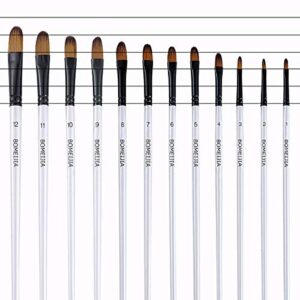
- Thick paintbrushes (easier for small hands)
- Smocks or old shirts
- Plastic tablecloth or newspaper for easy cleanup
- Sponges, cotton balls, and Q-tips for variety
Never use acrylic or oil paints with toddlers, as these are harder to wash and may contain chemicals.
Setting Up The Space
- Pick a spot that can get messy: Kitchen, patio, or even the bathtub.
- Cover the area with a plastic sheet or old newspapers.
- Keep wipes, water, and towels nearby for quick cleaning.
- Put the paint in small cups or on a plate so kids can reach easily.
Safety First
- Always supervise your toddler while painting.
- Check that all materials are non-toxic and age-appropriate.
- Teach your child not to eat the paint or put brushes in their mouth.
Credit: www.mamashappyhive.com
Engaging Painting Activities For Toddlers
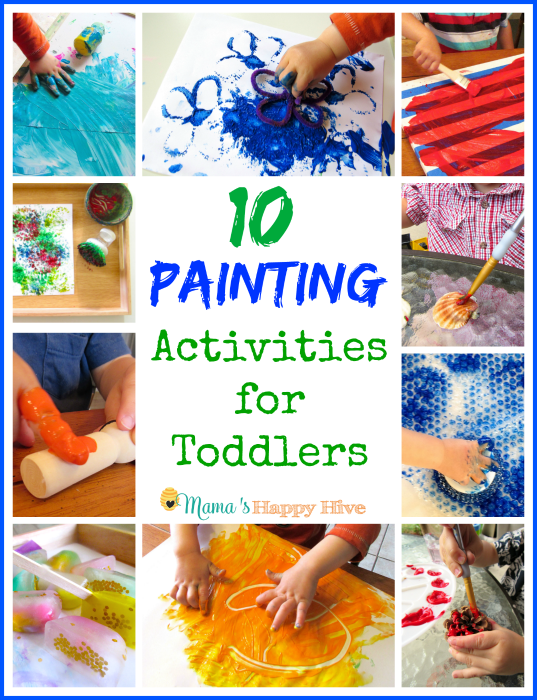
Not all painting with toddlers means handing them a brush and hoping for the best. Try these proven activities that keep kids engaged and parents relaxed.
1. Finger Painting
Finger painting is a classic toddler activity because it’s tactile and easy. Let your child dip their fingers in paint and move them across the paper. You can add a few drops of dish soap to the paint for easier cleanup.
Encourage your child to make swirls, dots, and handprints.
Non-obvious tip: Use thick paper or cardboard, as thin paper gets soggy fast.
2. Sponge Stamping
Cut sponges into simple shapes (circles, stars, hearts). Dip them in paint and press onto paper. This activity helps toddlers discover patterns and learn about cause and effect.
Practical insight: Let your toddler help dip the sponges—this gives them more control and increases their interest.
3. Nature Painting
Collect leaves, sticks, or flowers from outside. Dip them in paint and press or drag them on the paper. This connects art with nature exploration and gives interesting textures.
Example: Try painting with a pinecone or a feather for unique prints.
4. Bubble Wrap Printing
Wrap a small piece of bubble wrap around your toddler’s hand or a rolling pin. Dip in paint and press or roll onto paper. Kids love the popping sound and the dotty patterns it creates.
5. Q-tip Painting
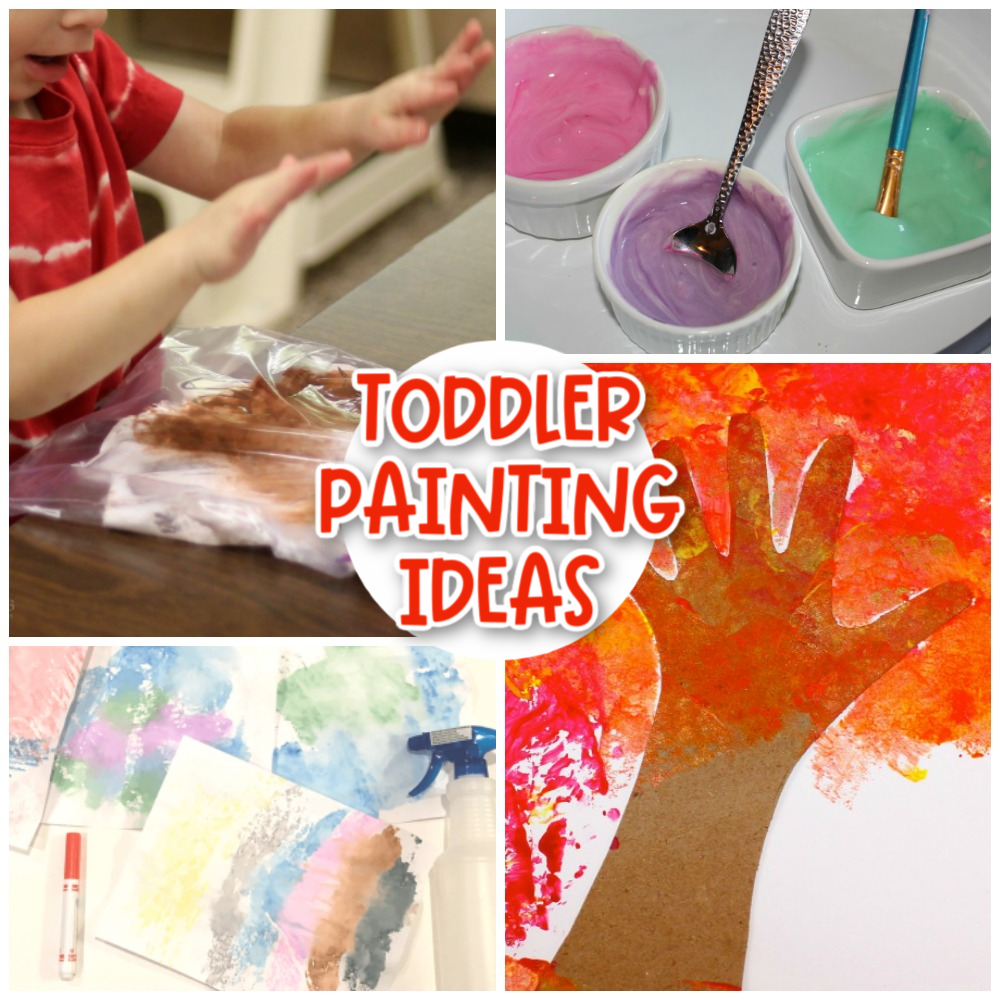
Q-tips are perfect for making dots and lines. This activity helps with fine motor control and is less messy than finger painting.
Hidden benefit: Q-tip painting is a gentle way to teach toddlers about making small, careful movements.
6. Painting With Toy Cars
Roll the wheels of toy cars in paint, then drive them across paper. Kids are fascinated by the tracks and patterns.
Pro tip: Use a tray to contain the mess, and wash the cars right after.
7. Salt Painting
Draw a simple shape with glue on thick paper. Sprinkle salt over the glue, shake off the extra, then use a paintbrush to dab liquid watercolor onto the salt. The colors spread in magical ways.
Beginner mistake: Using too much glue makes the design soggy. Less is more.
8. Water Painting
For days when you want zero mess, give your toddler a brush and a cup of water. Let them “paint” on a chalkboard, sidewalk, or construction paper. The water leaves dark marks that disappear as it dries.
9. Tape Resist Art
Stick strips of painter’s tape on paper in simple patterns. Let your child paint all over the paper. Once dry, peel off the tape to reveal clean white lines.
Practical tip: Use blue painter’s tape—it peels off without ripping the paper.
10. Edible Paint
If you’re worried about your toddler tasting the paint, make your own with yogurt and food coloring. This activity is perfect for younger toddlers who still put everything in their mouths.
Non-obvious insight: Edible paint is also safe for babies who join in with their older siblings.
How To Guide Your Toddler Without Taking Over
It’s tempting to direct your child or “fix” their work, but painting is about exploration. Here’s how to help without controlling:
- Ask open questions: “What color are you using now?” or “How does that feel?”
- Describe, don’t judge: Say, “You made a big red circle,” instead of “That’s pretty!”
- Let them choose: Offer two colors or tools and let your child decide.
- Allow mistakes: If they mix colors into a muddy brown, that’s part of learning.
When you encourage rather than direct, you help build confidence and decision-making skills.
Dealing With Mess: Realistic Tips For Parents
Mess is a big worry for many parents, but there are ways to manage it:
- Use washable paints and dress your child in old clothes or a smock.
- Choose a space that’s easy to clean.
- Keep wipes, water, and towels handy.
- Limit the amount of paint your child uses at one time.
- Clean up together—toddlers love to help!
Unexpected insight: Involving your child in cleanup teaches responsibility and makes the activity feel complete.
How Often Should You Paint With Toddlers?
There’s no strict rule, but aim for painting once or twice a week. Short, frequent sessions are better than long, rare ones. Most toddlers can paint for 10–20 minutes before losing interest.
Expert tip: Look for your child’s cues. If they start putting paint in their mouth or get restless, it’s time to stop—even if the art isn’t “finished.”
Comparing Painting Activities For Different Ages
Not all painting activities fit every age. Here’s a comparison to help you choose:
| Activity | Best Age | Mess Level | Supervision Needed |
|---|---|---|---|
| Finger Painting | 12–36 months | High | Constant |
| Q-Tip Painting | 24–36 months | Low | Medium |
| Water Painting | 18–36 months | Very Low | Low |
| Salt Painting | 30–36 months | Medium | High |
Essential Painting Tools For Toddlers
While you don’t need to buy a lot, a few key items make painting easier and safer:
| Tool | Purpose | Recommended Feature |
|---|---|---|
| Thick Brushes | Easy grip for small hands | Short, wide handles |
| Washable Paints | Safe, easy to clean | Non-toxic, bright colors |
| Painting Smock | Protects clothes | Waterproof, adjustable |
| Large Paper | More space for creativity | Thicker paper (won’t tear) |

Credit: teaching2and3yearolds.com
Common Mistakes And How To Avoid Them
- Over-directing your child: Let them lead. Too much instruction can kill creativity.
- Using the wrong materials: Avoid permanent paints or sharp tools.
- Expecting “perfect” art: Toddler art is about the process, not the product.
- Not preparing for mess: Plan ahead to avoid stress.
- Forgetting to talk about the art: Discussing their painting helps with language skills.
Making Painting Educational
You can add simple learning to painting activities:
- Colors: Name and mix colors as you paint.
- Shapes: Draw or stamp circles, squares, and triangles.
- Counting: Count dots, brush strokes, or painted objects.
- Stories: Ask your child to tell a story about their painting.
Pro insight: Link painting to books. Read a story, then paint something from the book. This helps with memory and comprehension.
Creative Variations And Seasonal Ideas
Keep things fresh by changing the theme:
- Fall: Paint with leaves or use orange, yellow, and brown colors.
- Winter: Try cotton ball snow scenes or paint snowflakes with Q-tips.
- Spring: Use flowers for stamping.
- Summer: Paint outside with water on the sidewalk.
Unique tip: Save a few special paintings to look back at your child’s progress over the year.
When To Involve Other Children
Painting is even more fun with friends or siblings. Group painting can teach:
- Sharing: Taking turns with brushes and paint.
- Cooperation: Working on a big piece of paper together.
- Social skills: Talking about the activity.
Just remember to use more space, extra supplies, and set clear rules about sharing.
Where To Find More Inspiration
Many parents run out of ideas quickly. Look for blogs, parenting magazines, or museums with family programs. For more detailed activity ideas, visit National Association for the Education of Young Children for research-backed advice.
Frequently Asked Questions
How Do I Clean Up After Painting With Toddlers?
Start by wiping hands and faces with wet wipes. Rinse brushes and tools right after use to avoid dried paint. Remove any plastic or newspapers covering the area, then wash the surface with warm soapy water. Let your child help—they love being part of the process.
Is It Safe To Paint With My Toddler Every Day?
Yes, as long as you use non-toxic, washable paints and supervise closely. Painting daily can boost creativity, but keep sessions short to avoid overstimulation.
What Should I Do If My Toddler Eats The Paint?
Most children’s paints are non-toxic, but check the label. If your child eats a small amount, offer water and watch for any unusual reaction. If you’re worried, contact your pediatrician.
How Can I Make Painting Less Messy?
Use washable paints, cover the area, and dress your child in old clothes or a smock. Limit the paint amount and choose activities like water painting or Q-tip art for less cleanup.
My Toddler Loses Interest Quickly. What Should I Do?
Keep painting sessions short—10 to 15 minutes is enough for most toddlers. Offer new tools or change the activity. Sometimes, simply joining your child and painting together helps keep them engaged.
Painting with toddlers is one of the most rewarding—and sometimes messy—parts of early childhood. With the right setup, creative ideas, and realistic expectations, you’ll build happy memories and support your child’s development. Remember, it’s not about the finished artwork. It’s about having fun and learning together.
Credit: www.messylittlemonster.com