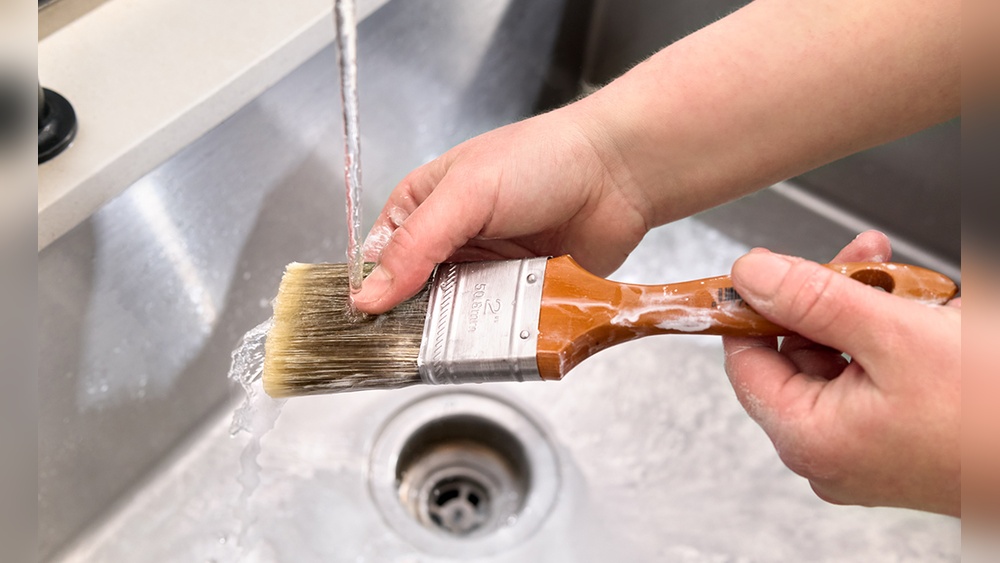
You’ve just finished your painting project, and now comes the crucial part: cleaning your paint brushes. If you skip this step or do it wrong, your brushes can become stiff, dried out, and useless for your next masterpiece.
But don’t worry—cleaning paint brushes doesn’t have to be a frustrating chore. With the right techniques, you can keep your brushes soft, flexible, and ready to deliver flawless strokes every time you pick them up. In this guide, you’ll discover simple, effective ways to clean your brushes—whether you’re using water-based or oil-based paints—so you save money, protect your tools, and get the most out of your painting experience.
Keep reading to learn how to make your brushes last longer and perform better with every project!
Credit: www.homedepot.com
Gathering Supplies
Before cleaning paint brushes, gather all necessary supplies. This step saves time and makes the process easier. Having the right tools and cleaners ready helps protect your brushes and ensures a thorough clean.
Essential Cleaning Tools
Start with a sturdy container for soaking brushes. Choose one large enough to hold the brush without bending bristles. Use an old comb or brush cleaner to remove paint from bristles. Paper towels or old rags help wipe off excess paint. Gloves protect your hands from harsh chemicals. A small brush or toothbrush works well to clean the ferrule area.
Choosing The Right Cleaner
Select a cleaner based on your paint type. For water-based paints, mild soap and warm water work best. Avoid strong detergents that may damage bristles. For oil-based paints, use mineral spirits or paint thinner safely outdoors or in a ventilated space. Eco-friendly brush cleaners are available and gentle on both brushes and the environment. Always follow product instructions for best results.

Credit: www.emilywassell.co.uk
Removing Excess Paint
Removing excess paint from your brushes is the first step in cleaning. It saves water, reduces mess, and protects the bristles. Doing this properly extends the life of your paintbrushes and improves their performance.
Scraping Off Paint
Start by scraping off large clumps of paint. Use the edge of a paint can or a putty knife for this task. Gently press the brush against the edge to remove thick paint. Avoid pulling hard to keep the bristles intact. This step removes most of the paint before washing.
Wiping Techniques
After scraping, wipe the brush on a rag or paper towel. Use firm strokes from the base to the tip of the bristles. Change to a clean section of the cloth as paint builds up. This method helps remove thinner layers of paint. Repeat wiping until the brush looks mostly clean.
Cleaning Water-based Brushes
Cleaning water-based paint brushes is simple and helps keep your tools ready for the next project. Water-based paints dissolve in water, making the cleaning process easier than oil-based paints. Proper cleaning prevents paint buildup and extends brush life.
Follow these easy steps to clean your brushes thoroughly after use. Quick and careful cleaning saves time and money.
Using A Bucket System
Fill one bucket with clean, warm water. Use a second bucket for rinsing. Dip the brush in the first bucket and swirl to loosen paint. Then move it to the rinse bucket to remove paint residue. Repeat until the water stays clear. This method keeps paint out of your sink and reduces mess.
Sink Washing Tips
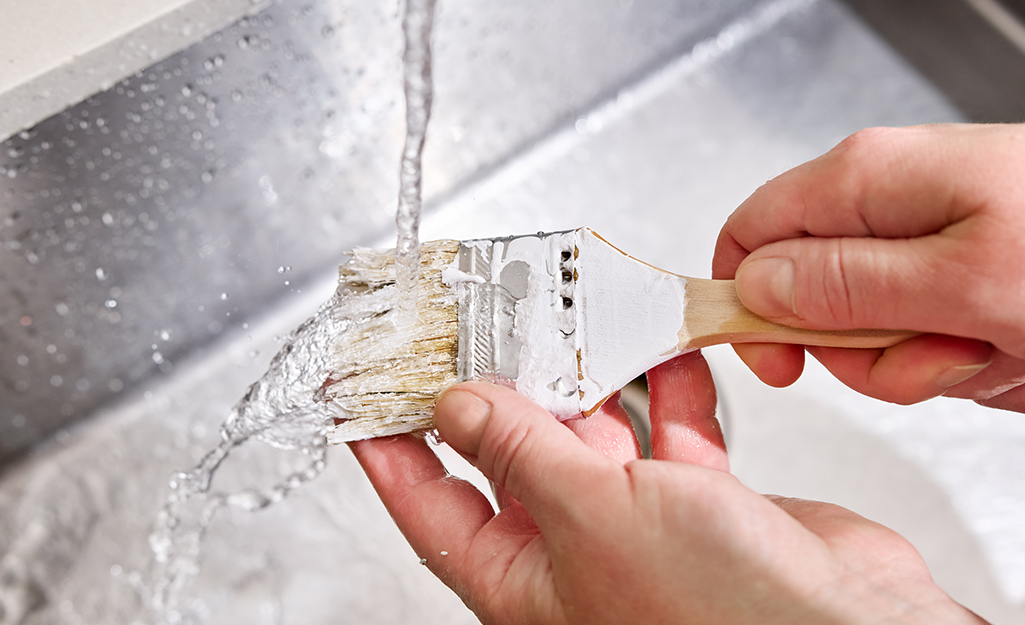
Use a utility or laundry sink for washing brushes. Avoid washing in kitchen sinks to protect plumbing and food areas. Run warm water over the brush while gently rubbing bristles with your fingers. Work from the base to the tip to remove paint. Avoid harsh scrubbing to protect the bristles.
Final Rinse And Soap
After rinsing, apply a small amount of mild soap or brush cleaner. Lather gently and rinse well under warm water. This step removes any leftover paint and oils. Shake excess water off and reshape the brush. Let it dry flat or hang bristles down to keep shape intact.

Credit: www.thesketchingpad.com
Cleaning Oil-based Brushes
Cleaning oil-based paint brushes requires special care to maintain brush quality and ensure safety. Unlike water-based paints, oil-based paints need strong solvents to break down the paint. Proper cleaning keeps bristles soft and ready for the next use. Follow these steps to clean brushes effectively and safely.
Selecting Solvents
Choose the right solvent for cleaning oil-based brushes. Mineral spirits and paint thinner work well. Avoid harsh chemicals that can damage the brush. Use enough solvent to fully cover the bristles. Soak the brush for a few minutes to loosen the paint. Swirl the brush gently in the solvent to remove paint residue. Repeat if needed until the brush is clean.
Outdoor Cleaning Safety
Always clean oil-based brushes outdoors or in a well-ventilated area. Solvents release harmful fumes that can irritate your eyes and lungs. Wear gloves to protect your skin from chemicals. Keep the cleaning area away from flames or sparks. Never inhale solvents directly. Wash your hands thoroughly after cleaning brushes.
Proper Disposal Methods
Dispose of used solvents and paint waste responsibly. Do not pour them down household drains or toilets. Collect leftover solvent in a sealed container for hazardous waste pickup. Check local regulations for proper disposal sites. Let paint solids dry before throwing them in the trash. Proper disposal protects the environment and local water sources.
Drying And Storing Brushes
Proper drying and storing of paint brushes extend their life and keep bristles in good shape. After cleaning, handling brushes carefully during drying prevents damage. Storing brushes right helps maintain their form for future use.
Shaping Bristles
Gently reshape the bristles with your fingers. Make sure bristles form a point or fan shape, depending on the brush type. Avoid pressing or pulling too hard to prevent loosening.
Best Drying Positions
Hang brushes with bristles pointing downward. This stops water from settling in the handle area. Laying brushes flat can cause bristles to bend or dry unevenly. Use a brush holder or hook for hanging.
Storage Tips To Maintain Shape
Store brushes upright with bristles facing up in a container. Avoid placing heavy objects on top to keep bristles straight. Use brush guards or covers to protect from dust and damage.
Restoring Old Or Hardened Brushes
Old or hardened paint brushes can seem useless. Restoring them saves money and reduces waste. With the right care, many brushes can regain their softness and shape. This section explains easy ways to revive dried brushes.
Soaking Techniques
Soaking is a simple way to soften dried paint in brushes. Use warm water for water-based paints. For oil-based paints, use mineral spirits or brush cleaner. Let the brush soak for several hours or overnight. Check the brush periodically and gently work the bristles with your fingers. Avoid soaking the brush handle to prevent damage.
Using Brush Restorers
Brush restorers help remove tough paint and restore bristle flexibility. Apply the restorer according to the product instructions. Usually, this involves soaking the brush and then combing the bristles. Some restorers also condition the bristles to keep them soft. Using a restorer can greatly extend the life of your brushes.
When To Replace Brushes
Not all brushes can be saved. Replace brushes if bristles are broken or missing. If the brush loses its shape or stiffness, it may not work well. Worn-out brushes make painting uneven and harder. Investing in a new brush ensures better results and saves time.
Eco-friendly Cleaning Practices
Cleaning paint brushes with eco-friendly methods protects nature and extends brush life. These practices reduce harmful waste and avoid toxic chemicals. Caring for brushes this way supports a healthier environment for everyone.
Minimizing Waste
Start by removing as much paint as possible from brushes before cleaning. Use a brush comb or old rag to wipe off excess paint. This step lowers the amount of paint entering water or trash.
Reuse water or cleaning solutions for multiple brush washes. It saves water and reduces liquid waste. Avoid rinsing brushes under running water to prevent paint particles from spreading.
Safe Paint Disposal
Never pour paint or solvent down drains or on the ground. They pollute water and soil and harm wildlife. Instead, let leftover paint dry on old newspaper or cardboard.
Once dry, discard solid paint in trash following local rules. For large amounts of paint, check for community hazardous waste collection sites. These centers handle paint safely and prevent environmental damage.
Environmentally Friendly Products
Choose biodegradable soaps and natural cleaning agents instead of harsh chemicals. These products clean brushes effectively without toxic residues. Avoid solvent-based cleaners that release harmful fumes and pollutants.
Look for brushes made with sustainable materials to complement eco-friendly cleaning. Proper care and green products together reduce your overall environmental footprint when painting.
Frequently Asked Questions
What Is The Proper Way To Clean Paint Brushes?
Rinse excess paint from the brush first. Use warm, soapy water for water-based paints. Swish and gently massage bristles. Rinse thoroughly with clean water, bristles downward. For oil-based paints, use appropriate solvents outdoors. Let brushes dry flat or hang to maintain shape.
Is It Okay To Wash Paint Brushes In The Sink?
You can wash water-based paint brushes in a utility sink but avoid pouring paint solids down the drain. Remove excess paint first. Use a bucket to settle paint particles before disposal. For oil-based paints, clean brushes outdoors with solvents to protect plumbing and the environment.
Can I Use Dawn Dish Soap To Clean My Paint Brushes?
Yes, Dawn dish soap effectively cleans paint brushes, especially for water-based paints. It removes paint without harming bristles. Use warm water and gently scrub bristles. Avoid harsh chemicals to preserve brush quality and the environment. Rinse thoroughly and reshape the brush after cleaning.
What Do Professional Painters Use To Clean Their Brushes?
Professional painters clean brushes using warm water and mild soap for water-based paints. They use mineral spirits or paint thinner for oil-based paints. They remove excess paint first, then gently scrub bristles to maintain brush quality and ensure a thorough clean.
Conclusion
Cleaning paint brushes does not have to be hard or time-consuming. Use warm water and mild soap for water-based paints. Always remove extra paint before washing to save time. Gently massage bristles to keep them soft and flexible. Dry brushes flat or hang them to keep their shape.
Taking care of brushes helps them last longer and work better. Clean brushes right after use to avoid dried paint buildup. Good brush care means better painting results every time. Simple steps make a big difference in brush cleaning. Keep your tools ready for your next painting project.