What Medium to Use With Acrylic Paint: Ultimate Guide for Artists

Choosing the right medium to use with acrylic paint can completely change how your artwork looks and feels. If you’ve ever felt frustrated because your paint dried too fast, looked dull, or didn’t blend well, you’re not alone.

The good news is, the right medium can solve these problems and unlock new creative possibilities for you. You’ll discover simple, effective mediums that will help you control drying time, improve texture, and make your colors pop. Keep reading, and you’ll learn how to take your acrylic painting to the next level.
What Medium to Use With Acrylic Paint: Ultimate Guide for Artists

Credit: www.craftsy.com

Types Of Acrylic Mediums

Acrylic mediums change the look and feel of your paint. They mix with acrylic paint to change its texture, shine, or drying time. Choosing the right medium helps create the style you want. Different types of mediums offer different effects. Understanding these types improves your painting results.

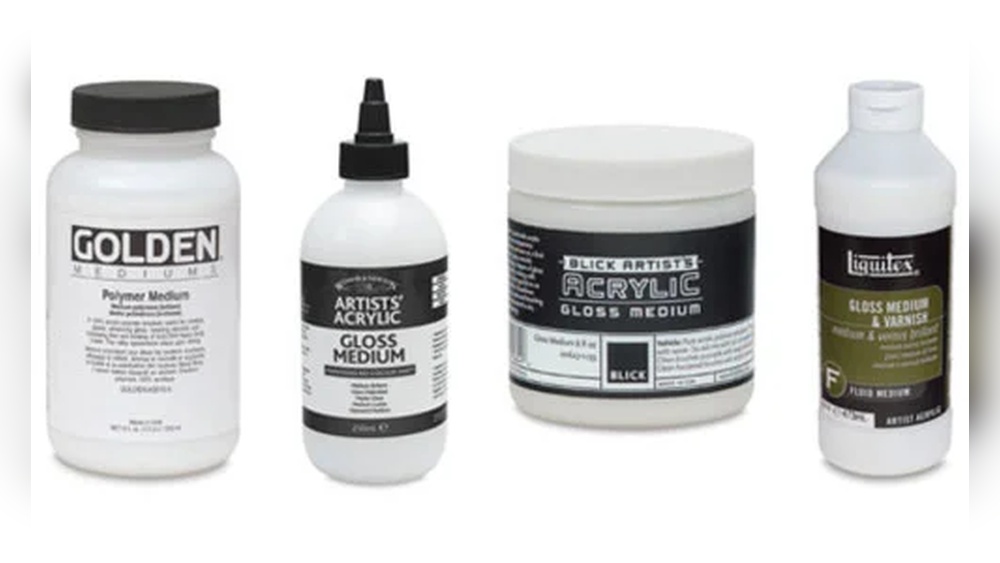
Glossy Mediums

Glossy mediums add shine and brightness to paint. They make colors look rich and vibrant. These mediums create a smooth, glass-like finish. Glossy acrylic paint reflects light well. Use glossy mediums for paintings that need extra glow.

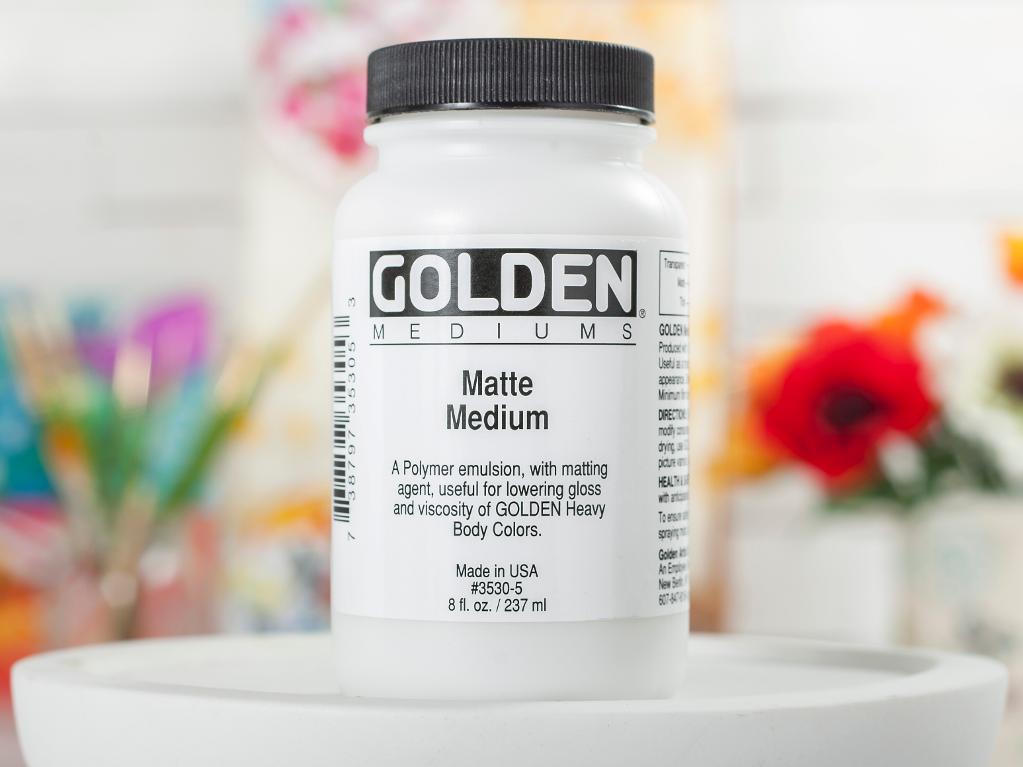
Matte Mediums

Matte mediums remove shine from acrylic paint. They give your work a flat, non-reflective finish. Colors look soft and subtle with matte mediums. These are good for realistic paintings or soft backgrounds. Matte finish helps reduce glare under bright lights.

Satin Mediums

Satin mediums create a finish between glossy and matte. They give paint a soft shine without too much glare. Satin mediums make colors look smooth and natural. This finish is popular for portraits and landscapes. Satin adds a gentle glow to acrylic paintings.

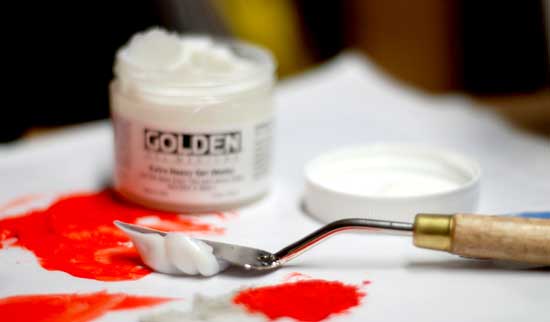
Texture Mediums

Texture mediums add thickness and dimension to paint. They create raised surfaces and unique patterns. Use texture mediums to build rough or bumpy effects. These mediums help paint stand out from the canvas. Texture mediums are perfect for creative and abstract art.
What Medium to Use With Acrylic Paint: Ultimate Guide for Artists

Credit: willkempartschool.com

Using Acrylic Mediums For Texture

Adding texture to acrylic paintings can bring your artwork to life. Acrylic mediums help create different surfaces and effects. They mix easily with paint and keep your colors vibrant.

Using the right medium gives you control over the texture. You can make thick, rough surfaces or smooth, glossy finishes. Let’s explore some popular acrylic mediums for texture.

Modeling Paste

Modeling paste is thick and dries hard. It creates raised, three-dimensional textures on your canvas. You can shape it with palette knives or brushes. It holds its form well for bold textures.

Once dry, you can paint over it with acrylics. The paste works well for landscapes or abstract art. It adds depth and interest to your work.

Gel Mediums

Gel mediums come in different thicknesses, from soft to heavy. They add body to your paint without changing color. They slow drying time, giving more work time.

Use gel mediums to build layers or create smooth textures. They keep brushstrokes visible or make paint glossy. Mix gel with paint or apply alone for texture effects.

Sand And Fiber Additives

Sand and fiber additives add natural texture to acrylic paint. Sand creates a gritty, rough surface. Fibers add a fibrous, tactile quality to your paint.

Mix these additives with paint or gel. They are great for creating earthy or rustic looks. Your paintings gain a unique, tactile feel with these materials.

Extending Drying Time

Extending the drying time of acrylic paint helps artists work longer on details. Acrylics dry fast, which can be tricky for blending or soft effects. Using the right mediums slows the drying process. This gives more control and smooth results.

Slow-drying Mediums

Slow-drying mediums mix with acrylic paint to delay drying. They keep the paint wet for a longer time. These mediums add moisture and smoothness. Common types include acrylic gels and heavy-bodied mediums. They help maintain color brightness and texture. Artists use them for wet-on-wet techniques and soft edges.

Retarders

Retarders are special liquids that slow paint drying. Add a small amount to your paint or palette. They do not change paint thickness much. Retarders extend work time by several minutes. Use them carefully to avoid sticky paint. Retarders are good for detailed work and blending colors.

Tips For Controlled Drying

Keep your workspace cool and humid to slow drying naturally. Use a spray bottle to mist your painting lightly. Work in thin layers for better control. Cover your palette with plastic wrap to keep paint wet. Avoid direct sunlight or heat sources near your painting. These tips help manage drying without extra products.

Mixing Mediums With Paint

Mixing mediums with acrylic paint changes how the paint behaves. Artists use different mediums to change texture, drying time, and finish. These combinations help create effects not possible with paint alone. Mediums can make paint thinner or thicker, shiny or matte, slow drying or fast. Understanding how to mix mediums gives more control over your artwork.

Achieving Transparency

Some mediums make acrylic paint more transparent. This helps create soft layers and subtle color effects. You can see the layers below, adding depth to your work. Transparent mediums thin the paint without losing color strength. Use glazing mediums or acrylic mediums labeled for transparency. These keep colors bright while making paint see-through.

Increasing Flow

Flow mediums make paint smoother and easier to spread. They help paint glide on the canvas without brush marks. This works well for fine details and smooth gradients. Flow mediums reduce paint thickness without losing adhesion. They also prevent paint from drying too fast. Use flow mediums to improve blending and line work.

Enhancing Adhesion

Some mediums improve how paint sticks to surfaces. They help paint hold better on difficult materials. This prevents peeling or cracking over time. Adhesion mediums work on wood, metal, plastic, and more. They also help paint layers stick to each other. Use these mediums for long-lasting, durable artwork.

Mediums For Glazing Techniques

Glazing is a popular technique in acrylic painting. It allows artists to build up color in thin, transparent layers. Using the right medium is key to achieving smooth, clear glazes. Mediums for glazing change the paint’s texture and drying time.

These mediums help paint flow easily and stay transparent. They also keep colors bright and rich. Choosing the right medium can improve your glazing results.

Glazing Mediums

Glazing mediums thin acrylic paint without losing color strength. They add gloss and transparency to the paint. Some common glazing mediums include acrylic glazing liquid and slow-drying mediums. These help paint layers dry slowly and evenly. This slow drying time allows for better blending and layering.

Layering Effects

Using glazing mediums makes layering smooth and simple. Thin layers of paint let light pass through. This creates depth and shine in paintings. Each layer changes the color slightly. The result looks rich and three-dimensional. Layering with glaze mediums avoids thick, heavy paint buildup.

Color Intensity Control

Glazing mediums help control how strong colors appear. Adding more medium makes colors lighter and more transparent. Less medium keeps colors vivid and bold. This control lets artists adjust color strength easily. It also helps create subtle color shifts and highlights.

Varnishes And Finishing Mediums

Varnishes and finishing mediums protect your acrylic paintings. They keep colors bright and stop dust or dirt from damaging the surface. These products also change the look of the paint by adding shine or a matte finish. Choosing the right varnish or medium helps your artwork last longer and look better.

Protective Varnishes

Protective varnishes form a clear layer on dry acrylic paint. This layer shields the paint from scratches and UV rays. Some varnishes also prevent yellowing over time. They keep the paint flexible and prevent cracking. Varnishes are easy to remove or reapply if needed.

Types Of Finishes

Varnishes come in different finishes. Glossy varnish gives a shiny, wet look that brightens colors. Matte varnish creates a flat, dull surface with no shine. Satin varnish offers a soft shine, between glossy and matte. Choose a finish that fits your painting style and mood.

Application Methods

Apply varnish with a wide, soft brush or a spray. Use even strokes for smooth coverage. Avoid thick layers; thin coats work best. Let each coat dry completely before adding another. Work in a dust-free area to keep the surface clean. Proper application ensures a smooth and protective finish.

Common Mistakes With Acrylic Mediums

Acrylic mediums can improve your painting in many ways. They change texture, drying time, and finish. But mistakes with these mediums can hurt your work. Knowing common errors helps you avoid frustration and wasted materials.

Overusing Mediums

Too much medium can weaken the paint’s hold on the surface. Paint may peel or crack later. It can also make colors look dull or cloudy. Use only the amount needed to get the effect you want. Start small and test before applying on a large area.

Mixing Incompatibilities

Not all mediums mix well together or with all acrylic paints. Some combinations cause clumping or uneven drying. Read labels and use mediums from the same brand if possible. Always test new mixes on a scrap piece before painting your artwork.

Storage Tips

Mediums can dry out or separate if not stored properly. Keep containers tightly closed and in a cool, dry place. Avoid freezing or extreme heat. Check the medium before use and stir well if it has separated.

What Medium to Use With Acrylic Paint: Ultimate Guide for Artists

Credit: www.ettavee.com

Choosing Mediums Based On Project

Choosing the right medium to use with acrylic paint depends on the project type. Different mediums change the paint’s texture, drying time, and finish. Picking the right one helps achieve the desired look and feel. Understanding which medium fits your project makes painting easier and more enjoyable.

Portraits And Fine Details

For portraits and fine details, use mediums that keep paint smooth and easy to control. Acrylic glazing medium helps create thin layers for subtle skin tones. Retarders slow drying time, allowing more time to blend colors. Avoid thick or heavy mediums, which can hide small details.

Abstract And Textured Art

Thick mediums work best for abstract and textured art. Heavy gel medium adds body and allows bold brush strokes. Modeling paste creates raised textures and shapes on the canvas. These mediums let you build layers and add depth quickly. Use them to create unique, tactile surfaces.

Outdoor And Durable Works

For outdoor art, use mediums that protect paint from weather. Acrylic varnish adds a clear, durable finish that shields from UV rays and moisture. Waterproof gel mediums increase paint strength and adhesion. These mediums ensure your artwork lasts longer outside without fading or peeling.

Frequently Asked Questions

What Is The Best Medium To Mix With Acrylic Paint?

The best medium to mix with acrylic paint is acrylic medium. It improves flow, texture, and drying time without affecting color. Different types include gloss, matte, and gel mediums, allowing customization of finish and consistency for various painting techniques.

Can I Use Water As A Medium With Acrylic Paint?

Yes, water can be used to thin acrylic paint. However, using too much water weakens paint adhesion and color intensity. It’s best to use acrylic mediums for thinning to maintain paint quality and durability while achieving desired consistency.

How Does Acrylic Gel Medium Affect Paint Texture?

Acrylic gel medium thickens paint and adds texture. It creates a glossy or matte finish depending on the type. Gel medium enhances paint body, allowing for impasto techniques and longer drying times without cracking or peeling.

Which Medium Slows Drying Time Of Acrylic Paint?

Acrylic retarders slow the drying time of acrylic paint. They allow more working time, enabling blending and detailed work. Using retarders helps prevent paint from drying too quickly, especially in hot or dry environments.

Conclusion

Choosing the right medium can change your acrylic painting experience. Some mediums make paint thicker, while others make it flow easier. You can try many types to find what fits your style best. Each medium adds different effects and textures to your work.

Experiment with small amounts before big projects. This helps you see how each medium works with your paint. Keep practicing and enjoy the creative process. Your art will improve as you explore new techniques and tools.

Facebook
Pinterest
Twitter
LinkedIn
Reddit
Telegram
Picture of paintingproguide

paintingproguide

Related Post

We may update this disclosure page from time to time to reflect

Angelus Acrylic Leather Paint is a high-quality paint designed for leather customization.

Finding the best acrylic paint set can enhance your artistic journey. Each

How to Find Easy Acrylic Painting Ideas for Beginners Acrylic painting is

Leave a Reply

Your email address will not be published. Required fields are marked *

Picture of Paintingproguide

Paintingproguide

Painting

Welcome to PaintingProGuide, your ultimate resource for all things related to painting! Whether you’re a seasoned artist or just starting out, our mission is to inspire, educate, and empower you to create your best work. We believe that everyone has the potential to be an artist, and our goal is to help you unlock your creativity and achieve your artistic dreams.

Recent Posts