If you’re diving into oil painting, understanding the “Fat Over Lean” rule can transform how your artwork ages and looks. This simple but powerful guideline helps you avoid cracks and keeps your painting smooth and durable over time.
By layering your paint correctly—starting thin and gradually adding more oil—you ensure each new layer flexes better than the one beneath it. Curious how this works and why it matters for your next masterpiece? Keep reading to discover the secrets behind the Fat Over Lean rule and how it can make your oil paintings last beautifully for years.

Credit: www.schoolofrealistart.com
Fat Over Lean Rule Basics
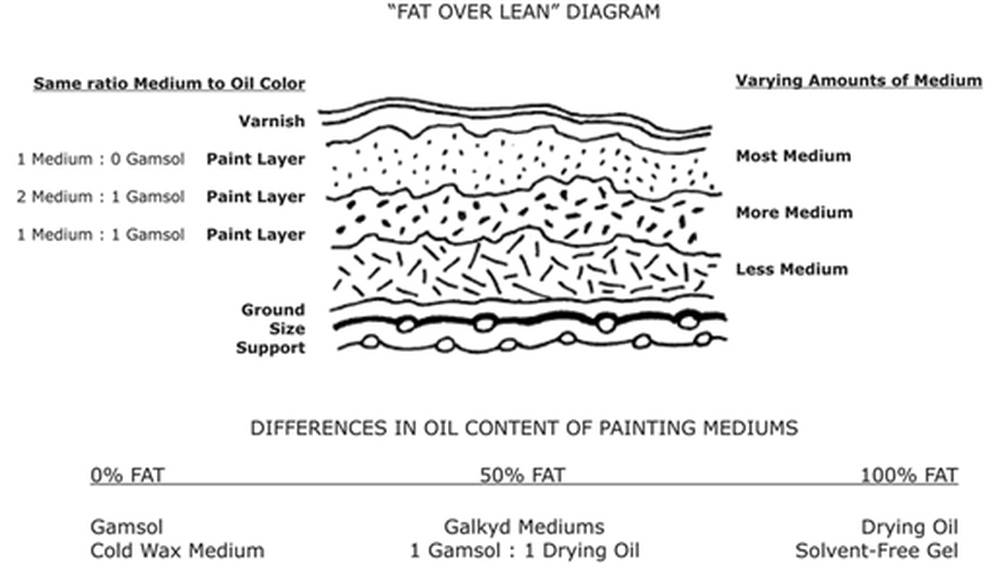
The Fat Over Lean Rule is a key guideline in oil painting. It helps artists build paint layers that last. Following this rule prevents cracking and peeling over time. Each new paint layer must be “fatter” than the one below it. This means adding more oil or medium to the paint. The rule ensures flexibility and durability in the artwork. Understanding the basics of this rule improves your painting technique.
Meaning Of Fat And Lean
“Lean” paint has less oil and more solvent. It dries faster and is less flexible. “Fat” paint contains more oil or medium. It dries slower and stays flexible longer. The difference helps paint layers stick well together. Lean paint forms the base, and fat paint goes on top. This layering prevents cracks as the paint dries and ages.
Why It Matters In Oil Painting
Oil paint shrinks as it dries. Lean layers shrink more than fat layers. If a fat layer is under a lean one, the top layer may crack. Fat over lean keeps the top layer more flexible. This flexibility prevents cracking and damage. It also improves the paint’s adhesion. Artists get smoother blending and longer-lasting colors. The rule is essential for strong, lasting oil paintings.
How To Apply Fat Over Lean
Applying the Fat Over Lean rule is essential for durable oil paintings. This method ensures each paint layer adheres well and lasts long without cracking. Follow simple steps to layer your paint correctly, improving flexibility and drying times.
Starting With Lean Layers
Begin your painting with lean layers. Use paint mixed with more solvent and less oil. These thin layers dry faster and form a solid base. Lean layers prevent the paint from cracking later by drying firmly.
Building Up To Fat Layers
Next, add fat layers over the lean base. Fat layers contain more oil and less solvent. This makes them slower to dry and more flexible. The extra oil keeps the paint soft and stops it from cracking as it cures.
Choosing Mediums For Flexibility
Select mediums that increase oil content as you add layers. Linseed oil or walnut oil work well for fat layers. Use turpentine or mineral spirits for lean layers. Proper mediums help maintain paint flexibility and durability over time.
Related Oil Painting Rules
Understanding the Fat Over Lean rule leads to other important guidelines in oil painting. These related rules help artists create durable, beautiful paintings. Each rule focuses on how layers of paint behave over time. Following them prevents cracking and peeling. Let’s explore two key related rules.
Thick Over Thin
This rule means applying thicker paint over thinner layers. Thin layers dry faster and are less flexible. Thick paint on top stays flexible longer. This flexibility stops cracks from forming. Thin layers usually contain more solvent, making them runny. Thick layers have more oil and pigment, making them solid. Building up paint this way keeps your artwork strong and lasting.
Slow Drying Over Fast Drying
Slow drying layers go on top of fast drying ones. Fast drying paint dries quickly, often because it has more solvent. Slow drying paint has more oil, which takes longer to harden. Putting slow drying paint over fast drying layers helps the paint stretch and move. This reduces stress on the paint film. The result is fewer cracks and a smoother surface.
Common Mistakes To Avoid
Understanding common mistakes helps you follow the Fat Over Lean rule better. Avoiding these errors keeps your painting strong and lasting. Many artists face cracking or peeling due to simple errors. Focus on proper layering and drying to maintain paint flexibility.
Skipping Lean Layers
Starting with thick, oily paint causes poor adhesion. Lean layers contain less oil and dry faster. They create a stable base for fat layers above. Skipping lean layers leads to cracks as paint dries unevenly. Always begin with thin, lean paint for long-lasting results.
Using Too Much Oil Too Soon
Applying oily paint in early layers slows drying. Excess oil prevents proper bonding between layers. Paint may become sticky or wrinkled over time. Use moderate oil amounts and add more gradually in upper layers. This balance keeps paint flexible and stable.
Ignoring Drying Times
Rushing to add new layers before the previous dries causes damage. Wet layers trap solvents, leading to bubbles or cracking. Wait for each layer to dry fully before painting on top. Patience ensures strong bonds and smooth finishes. Drying time varies by paint thickness and environment.
Benefits For Vibrant, Lasting Art
The Fat Over Lean rule is essential for artists who want vibrant and lasting oil paintings. It guides the layering process, ensuring each paint layer holds well over time. Following this rule helps artists avoid common problems like cracking and peeling. It also enhances the beauty and strength of the artwork. This section explains the key benefits of using the Fat Over Lean rule in oil painting.
Preventing Cracks And Peeling
Oil paint layers dry at different speeds. Lean layers dry faster but are less flexible. Fat layers contain more oil and dry slower, making them more flexible. Painting fat layers over lean layers reduces tension as the paint dries. This flexibility prevents cracks and peeling in the paint surface. It keeps the artwork stable and intact for years.
Enhancing Color Depth And Texture
The Fat Over Lean rule helps build rich color layers. Thicker, oil-rich layers sit on top, adding depth and glow. This method allows light to pass through layers, creating vibrant colors. Texture also improves because fat layers hold brush strokes better. Paintings gain a lively, dynamic surface that attracts the eye.
Improving Paint Layer Durability
Strong paint layers resist damage from environmental changes. Fat layers protect lean layers beneath from drying out too fast. This balance maintains the paint’s structure and adhesion. Durable layers make the painting less likely to crack or flake over time. The artwork stays fresh and well-preserved for decades.

Credit: www.schoolofrealistart.com
Tips From Professional Artists
Professional artists follow the Fat Over Lean Rule carefully to avoid cracking in oil paintings. They share practical tips that help beginners and experienced painters create durable, vibrant works. These tips cover how to mix mediums, plan layers, and choose the right tools. Understanding these techniques improves painting quality and longevity.
Medium Mixing Techniques
Artists add more oil or medium to each new layer. This makes the paint “fatter” and more flexible than the layer below. They start with thin layers using solvent like turpentine. Later layers have more oil or medium such as linseed oil. This balance prevents the paint from drying too fast or cracking.
Some artists mix small amounts of medium with paint before applying. Others brush medium directly on the canvas between layers. Both methods keep the paint layers stable and well adhered. Experimenting helps find the right mix for each painting style.
Layering Strategies
Professional painters build their work in stages. They first apply lean, thin layers to block in shapes and colors. After these dry, they add thicker, more oily layers for details and highlights. This order follows the Fat Over Lean Rule strictly.
They avoid heavy, oily paint on the first layer. Instead, each new layer adds more oil or medium. This makes the surface flexible and less likely to crack. Patience is key. Waiting for layers to dry before adding the next helps keep the paint stable.
Tools And Materials Recommendations
High-quality brushes help apply thin or thick paint smoothly. Artists use stiff bristle brushes for lean layers and softer brushes for fat layers. Palette knives also spread thick paint evenly.
Choosing the right medium matters. Linseed oil is common for fat layers. Some prefer walnut or poppy oil for slower drying. Solvents like turpentine thin the paint for lean layers.
Using good canvas or primed boards supports the layered paint. Proper preparation reduces cracking risks. These tools and materials create a solid base for following the Fat Over Lean Rule correctly.
Credit: www.artistsandillustrators.co.uk
Frequently Asked Questions
What Is The Fat Over Lean Rule For Oil?
The fat over lean rule means applying oil paint layers with increasing oil content. Each new layer has more oil than the previous one. This prevents cracking by ensuring flexibility, as oil-rich layers dry slower and remain more flexible than lean, solvent-thinned layers underneath.
What Are The Three Rules Of Oil Painting?
The three rules of oil painting are: Fat over Lean, Thick over Thin, and Slow Drying over Fast Drying. Apply each new layer with more oil, thicker paint, and slower drying time to prevent cracking and ensure durability.
What Is The 80 20 Rule In Painting?
The 80/20 rule in painting means 80% of your effort should focus on preparation and planning, while 20% on actual painting. This improves efficiency and final quality.
What Happens If You Don’t Follow Fat Over Lean?
Ignoring the fat over lean rule causes paint layers to dry unevenly, leading to cracking and peeling over time.
Conclusion
Following the fat over lean rule keeps oil paintings strong and lasting. Each new layer should hold more oil than the one beneath it. This prevents cracking and allows the paint to dry properly. Using this simple approach helps your artwork stay flexible and vibrant.
Remember, lean layers dry faster, while fat layers stay soft longer. Applying paint this way makes your work more durable. Keep practicing this rule to improve your oil painting technique. It creates smoother, more stable results every time.