Are you ready to bring vibrant blooms to life with just a brush and some watercolor paint? Painting flowers is one of the most rewarding and relaxing ways to start your watercolor journey.
Whether you have never picked up a paintbrush or you’re looking for simple ideas to build your skills, these beginner watercolor painting ideas will guide you step-by-step. You’ll discover easy techniques that make painting beautiful flowers feel effortless and fun.
Get ready to unleash your creativity and watch your confidence grow with every petal you paint!
Choosing Your Supplies
Choosing the right supplies helps you enjoy painting watercolor flowers. Good materials make the process easier and results better. Start with simple tools that fit your budget. These basics build a solid foundation for your art journey.
Basic Watercolor Materials
Start with a basic set of watercolor paints. Look for tubes or pans with bright, clear colors. A small palette helps mix colors easily. You also need a container for clean water and a paper towel to blot brushes. These simple items are enough for beginner flower paintings.
Selecting The Right Paper
Choose watercolor paper that holds water well. Look for paper labeled “cold press” or “rough” for texture. The weight should be at least 140 lb (300 gsm). Thicker paper prevents warping when wet. Sheets or pads are available in many sizes. Good paper shows your colors clearly and keeps your artwork smooth.
Essential Brushes For Flowers
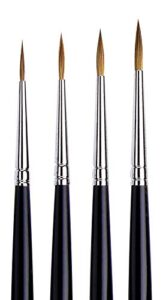
Pick brushes designed for watercolor painting. Round brushes in sizes 6 and 8 work well for flower shapes. A small detail brush size 1 or 2 helps with fine lines and petals. Synthetic brushes are affordable and hold paint well. Quality brushes let you create soft edges and delicate details easily.
Simple Flower Shapes
Simple flower shapes are perfect for beginner watercolor painters. They help build confidence and teach basic brush control. Using easy shapes makes painting flowers fun and stress-free. Start with simple forms before moving to detailed designs. This approach allows you to focus on color and flow. Keep your strokes light and relaxed for the best results.
Painting Basic Petals
Basic petals often look like teardrops or ovals. Use a wet brush with watercolor paint. Press the brush lightly on paper to create soft edges. Vary the size of petals for a natural look. Try painting petals one by one around a center point. Let the paint blend slightly for a smooth effect.
Creating Leaf Shapes
Leaves are easy to paint with simple shapes like ovals or elongated teardrops. Use green shades mixed with a little blue or yellow. Start with a thin brushstroke for the leaf stem. Then add the leaf body with a fuller stroke. Paint leaves at different angles to add interest.
Combining Petals And Leaves
Combine petals and leaves to create a full flower image. Place petals in a circle or oval shape. Add leaves around or between petals for balance. Use light strokes to keep the composition soft. Let colors mix a bit on the paper for a natural look. Layer shapes carefully to avoid clutter.
Color Mixing Tips
Color mixing is a key skill for painting beautiful watercolor flowers. It helps you create natural and vibrant petals. Understanding how colors blend brings life to your floral art. Start simple, then explore different techniques to see what works best.
Blending Floral Colors
Blending means mixing two or more colors directly on paper. Use a wet brush to soften the edges between colors. This creates smooth transitions in petals. Try mixing pink with yellow to get soft peach tones. Work quickly before the paint dries for best results.
Creating Gradient Effects
Gradient effects show a color fading from dark to light. Begin with a strong color at one petal edge. Slowly add more water to your brush as you move along. This lightens the color naturally. Gradients add depth and make flowers look more realistic.
Using Complementary Colors
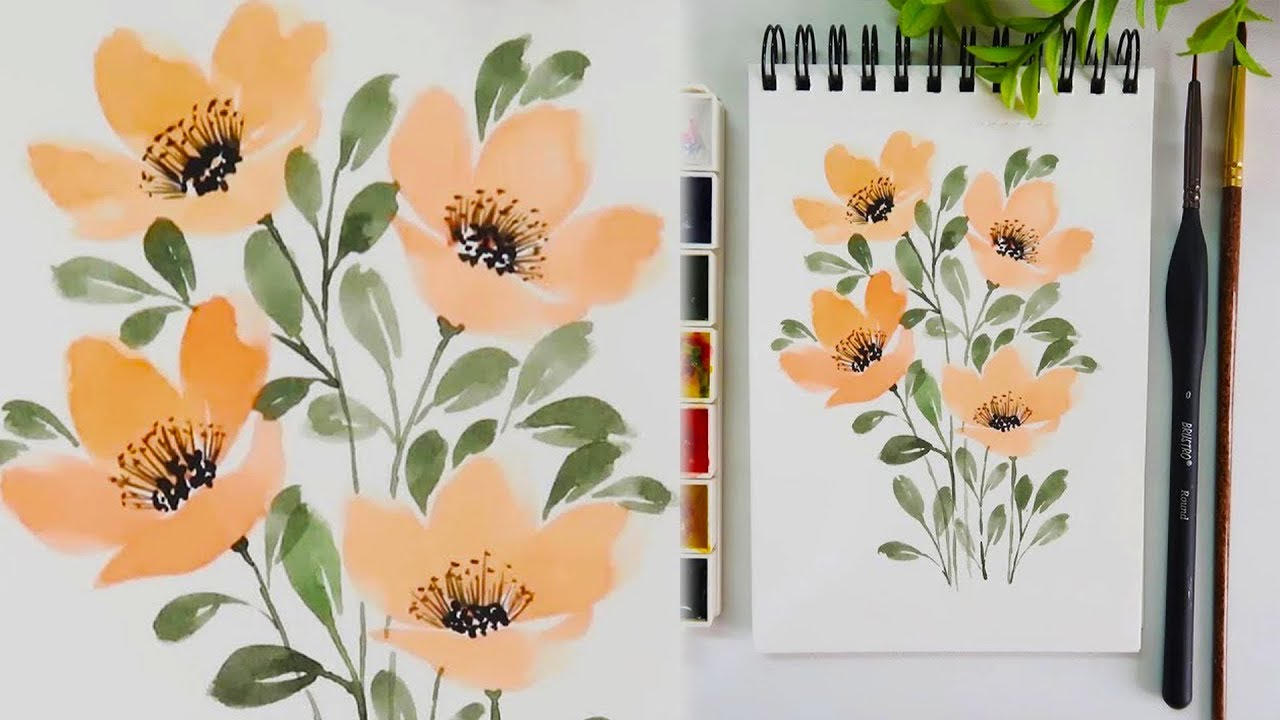
Complementary colors sit opposite on the color wheel. Examples are red and green or purple and yellow. Using them side by side makes flowers pop visually. Try adding a touch of green near red petals for contrast. It makes your painting more vibrant and eye-catching.
Credit: www.youtube.com
Easy Flower Projects
Easy flower projects are perfect for beginners in watercolor painting. These projects use simple shapes and few colors. They help build confidence and improve skills quickly. Flowers are a popular choice because they allow creativity with color and form.
Start with small, focused projects. This approach avoids feeling overwhelmed. Each project teaches a different technique. Practice mixing colors, controlling water, and creating shapes.
Single Stem Flowers
Single stem flowers are simple and elegant. Choose a flower like a tulip, daisy, or rose. Paint the stem with a thin brush using green tones. For the petals, use light washes of color. Let the paint blend naturally for soft edges. This project builds control over details and shape. It is a great exercise to learn shading and layering.
Loose Floral Bouquets
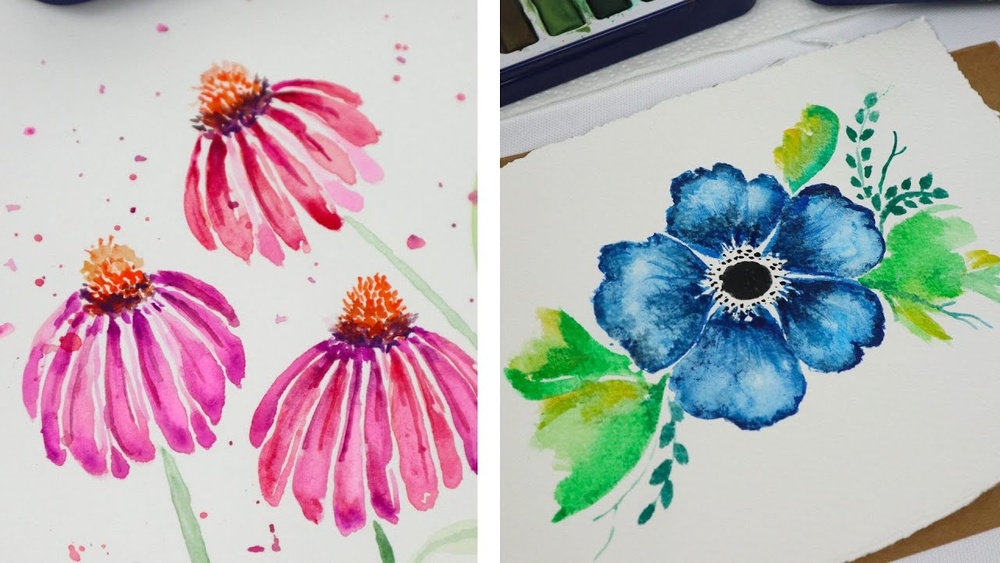
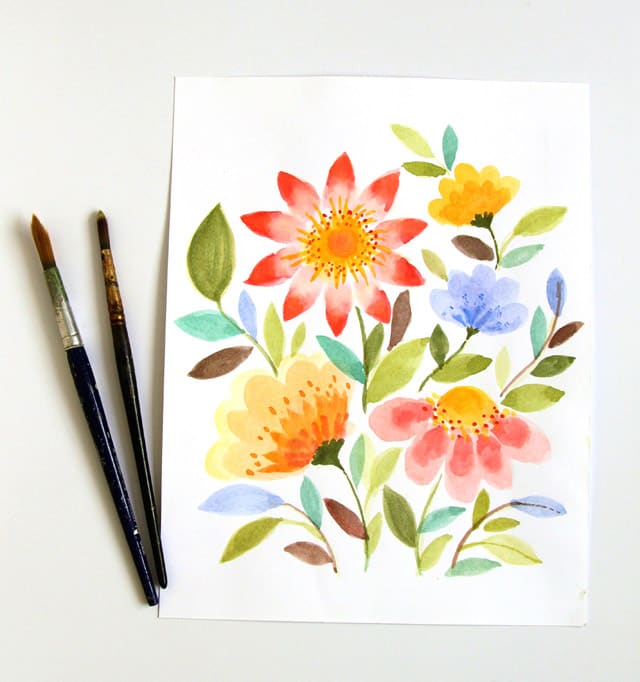
Loose floral bouquets are fun and forgiving. Use quick, broad strokes to create petals and leaves. Mix colors freely to get vibrant effects. This style focuses on capturing the feel of flowers, not exact details. It helps practice fluid brush movement and color blending. Bouquets allow combining many flower types in one painting. Experiment with different colors and shapes for variety.
Abstract Flower Patterns
Abstract flower patterns are creative and playful. Use shapes like circles, ovals, and lines to suggest flowers. Choose bright or pastel colors to make the design pop. This style does not need precision or realism. It encourages imagination and loose brushwork. Abstract patterns work well for backgrounds or decorative art. Beginners enjoy the freedom to explore colors and forms.
Techniques For Beginners
Starting with watercolor painting can be exciting yet a bit challenging. Knowing some basic techniques helps beginners create beautiful flower art. These simple methods build confidence and improve skills step by step. Experimenting with each technique brings better control over colors and shapes. Here are three essential techniques every beginner should try for painting flowers.
Wet-on-wet Method
This technique involves applying wet paint on wet paper. It creates soft, blended colors perfect for petals and backgrounds. Start by wetting the paper lightly with clean water. Then, drop in watercolor paint and watch it spread naturally. This effect gives flowers a dreamy, delicate look. It’s a great way to practice fluid brush movements.
Wet-on-dry Method
Wet-on-dry means painting wet colors on dry paper. This method offers more control over the shapes and details of the flower. Use it to add sharp lines or define petals and leaves. It helps in creating contrast and depth. Beginners can start with simple shapes and slowly add layers using this technique.
Layering Colors
Layering means applying paint in stages after each layer dries. This technique builds rich colors and adds dimension to flowers. Begin with light washes and wait for them to dry. Then, add darker or different colors on top to create shadows and highlights. Patience is key. Layering makes flowers look lively and realistic.

Credit: www.apieceofrainbow.com
Adding Details
Adding details brings life to your watercolor flowers. It turns simple shapes into beautiful, realistic blooms. Details help your painting look complete and polished. Small touches make a big difference in showing depth and texture.
Using Fine Brushes
Fine brushes let you paint small, delicate lines. They are perfect for petals, veins, and tiny flower parts. Choose a brush with a sharp tip for better control. Light, gentle strokes help keep details clear and crisp. Avoid pressing too hard to keep lines soft and natural.
Highlighting And Shadows
Highlights make flowers look bright and fresh. Use a clean, damp brush to lift color gently. Add white or light colors on petals for shine. Shadows add depth and shape. Mix a little darker color to paint under petals or leaves. This contrast makes flowers pop off the paper.
Creating Texture
Texture gives your flowers a realistic feel. Use dry brush strokes to add roughness or veins. Dab with a sponge or tissue for soft, uneven spots. Layer colors lightly to build up texture. This technique makes petals look natural and lively.
Common Mistakes To Avoid
Starting watercolor painting with flowers can be exciting but tricky. Many beginners make simple mistakes that slow their progress. Avoiding these common errors helps improve your skills faster. Painting with watercolors needs patience and care. Understanding these mistakes lets you create better floral art with ease.
Overworking The Paint
Applying too many layers can spoil your painting. Watercolors work best with light, quick strokes. Overworking makes colors muddy and paper rough. Let each layer dry before adding more. Trust the paint to blend naturally on the paper.
Choosing Incorrect Paper
Not all paper suits watercolor painting. Thin paper curls or tears easily when wet. Use thick, textured paper made for watercolors. It holds water and color well. This paper helps you control the paint better and avoid frustration.
Ignoring Drying Times
Watercolor needs time to dry between steps. Painting over wet areas causes colors to run together. This can ruin shapes and details in flowers. Be patient and wait for the paint to dry fully. This keeps your artwork clean and sharp.
Inspiration And Practice
Finding inspiration and building skills go hand in hand for beginner watercolor painters. Flowers offer endless variety and beauty. They serve as perfect subjects to practice shape, color, and texture. Consistent practice helps you improve and gain confidence. Observing real flowers closely sparks fresh ideas and sharpens your eye for detail.
Studying Real Flowers
Look at flowers around you. Notice their shapes and colors. Observe how petals overlap and bend. Pay attention to light and shadow on leaves. Try to capture their unique features in quick sketches. This habit trains your observation skills. It also helps you understand flower anatomy better. Spend a few minutes daily studying different flowers.
Using Reference Photos
Photos are handy when real flowers are not nearby. Choose clear images with good lighting. Use them to practice shapes and color blending. Zoom in to see details like petal veins or color gradients. Try painting the same flower from different photos. This builds your ability to work from various angles and lighting conditions.
Daily Practice Ideas
Set small goals each day. Paint one flower or a simple bouquet. Experiment with loose strokes or detailed work. Use different color mixes to find what you like. Create quick studies to improve speed and confidence. Keep a sketchbook to track your progress. Small, regular sessions yield big improvements over time.
Credit: www.apieceofrainbow.com
Frequently Asked Questions
What Are Easy Watercolor Flowers For Beginners?
Simple flowers like daisies and tulips are perfect for beginners. They use basic shapes and minimal detail, helping you practice brush control and color blending easily.
Which Brushes Work Best For Watercolor Flower Painting?
Round brushes in sizes 6 to 12 are ideal. They offer versatility for creating petals, leaves, and fine details with smooth strokes.
How Do I Mix Colors For Watercolor Flowers?
Start with primary colors and mix gently on your palette. Use water to lighten shades and layer colors for depth and vibrancy.
What Paper Should I Use For Beginner Watercolor Flowers?
Choose 140 lb (300 gsm) cold-pressed watercolor paper. It absorbs water well and resists warping, making it beginner-friendly.
Conclusion
Exploring beginner watercolor flower ideas brings joy and creativity. Simple shapes and soft colors create beautiful art. Practice often to build your skills and confidence. Each painting is a step toward improvement. Enjoy the process and express yourself freely. Keep your brushes ready for new floral designs.
Watercolor flowers offer endless fun and relaxation. Start your painting journey with these easy flower ideas today.