Acrylic paint pouring is a fun and creative way to make art. This guide will help you get started. You will learn the basics and some advanced techniques.
What is Acrylic Paint Pouring?
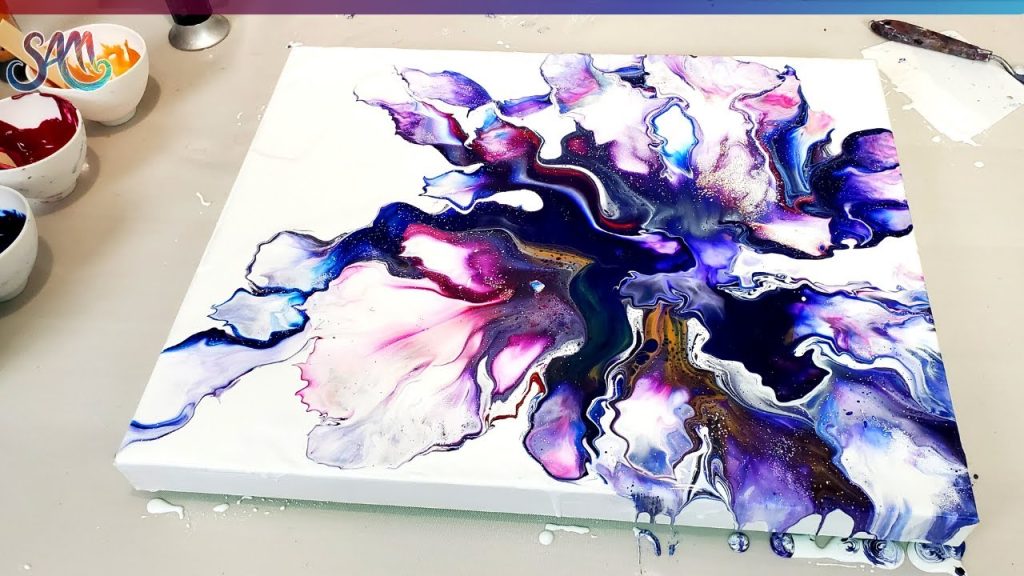
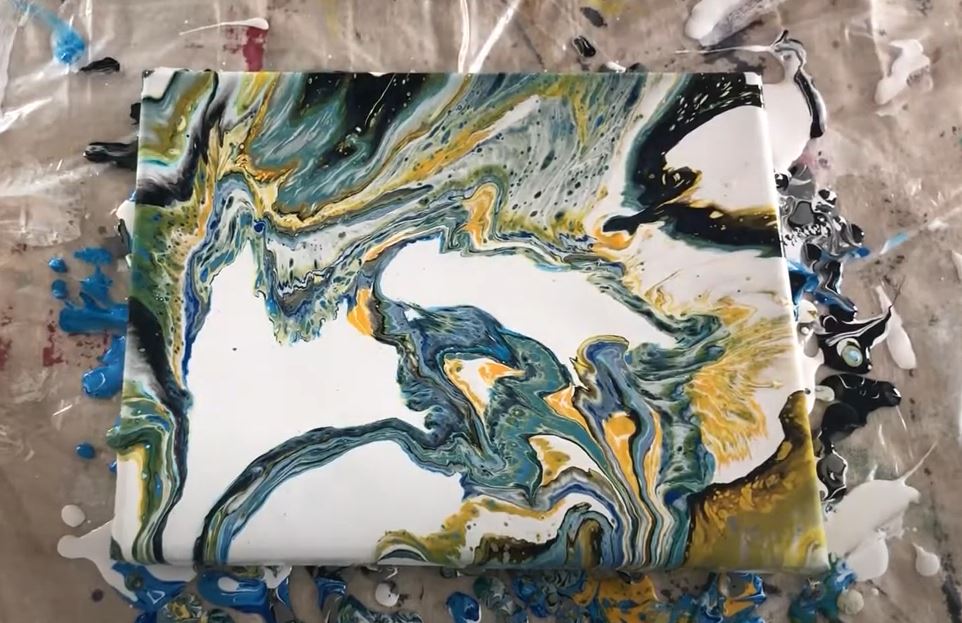
Acrylic paint pouring is a technique where you pour paint onto a surface. You do not use a brush. The paint flows and creates interesting patterns.
Materials You Need
Before you start, gather your materials. Here is a list of what you will need:
| Materials | Description |
|---|---|
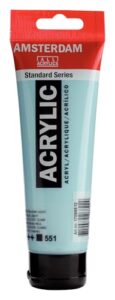
| Acrylic Paint | Choose high-quality acrylic paints. |
| Pouring Medium | This helps the paint flow better. |
| Canvas | Use a canvas or canvas board. |
| Cups | For mixing your paint and medium. |
| Stir Sticks | To mix the paint and medium. |
| Plastic Sheet | To protect your work area. |
| Gloves | To keep your hands clean. |
Mixing the Paint
Mixing the paint is an important step. Follow these steps to mix your paint correctly:
- Pour some acrylic paint into a cup.
- Add an equal amount of pouring medium.
- Stir the mixture with a stir stick.
- Check the consistency. It should be like warm honey.
- If it is too thick, add a bit of water.
- Mix again until you get the right consistency.
Basic Pouring Techniques
There are several basic techniques for pouring acrylic paint. Here are a few to get you started:
Dirty Pour
This is a popular technique. Follow these steps:
- Pour different colors into one cup.
- Do not mix them.
- Flip the cup onto the canvas.
- Lift the cup slowly.
- Let the paint flow and create patterns.
Puddle Pour
This technique is simple and fun:
- Pour one color onto the canvas.
- Pour another color on top of the first.
- Repeat with more colors.
- Tilt the canvas to spread the paint.
Flip Cup
Try this technique for interesting results:
- Layer different colors in a cup.
- Place the cup upside down on the canvas.
- Lift the cup and let the paint flow.
Advanced Techniques
Once you master the basics, try these advanced techniques:
Swipe Technique
This technique creates beautiful effects:
- Pour different colors onto the canvas.
- Use a piece of plastic or paper to swipe the paint.
- Swipe from one end to the other.
- Watch the colors blend and create patterns.
String Pull
This technique is unique and fun:
- Dip a piece of string in paint.
- Lay the string on the canvas.
- Pull the string slowly.
- See the interesting patterns it creates.
Tips for Success
Here are some tips to help you succeed with acrylic pouring:
- Use good quality materials.
- Mix your paint to the right consistency.
- Protect your work area with a plastic sheet.
- Work in a well-ventilated area.
- Be patient and let your art dry completely.
Common Mistakes to Avoid
Avoid these common mistakes to improve your acrylic pouring:
- Using too much water in the paint.
- Not mixing the paint and medium well.
- Pouring too much paint at once.
- Not letting the paint dry fully before moving it.

Credit: stepbysteppainting.net
Finishing Touches
Once your painting is dry, you can add some finishing touches:
- Use a varnish to protect your painting.
- Frame your artwork to display it.
- Add details with a brush if you want.
Credit: www.artsupplies.co.uk
Frequently Asked Questions
What Is Acrylic Paint Pouring?
Acrylic paint pouring is a fluid painting technique. It involves pouring acrylic paint onto a surface.
How Do You Mix Acrylic Paint?
Mix acrylic paint with a pouring medium. Stir until smooth and consistent.
What Surfaces Can You Pour On?
You can pour on canvas, wood, glass, and ceramics. Ensure the surface is clean and dry.
How Do You Create Cells In Paint Pouring?
Add silicone oil to your paint mix. Cells will form naturally during the pouring process.
Conclusion
Acrylic paint pouring is a fun and creative way to make art. With practice, you can create beautiful pieces. Remember to have fun and experiment with different techniques. Happy pouring!