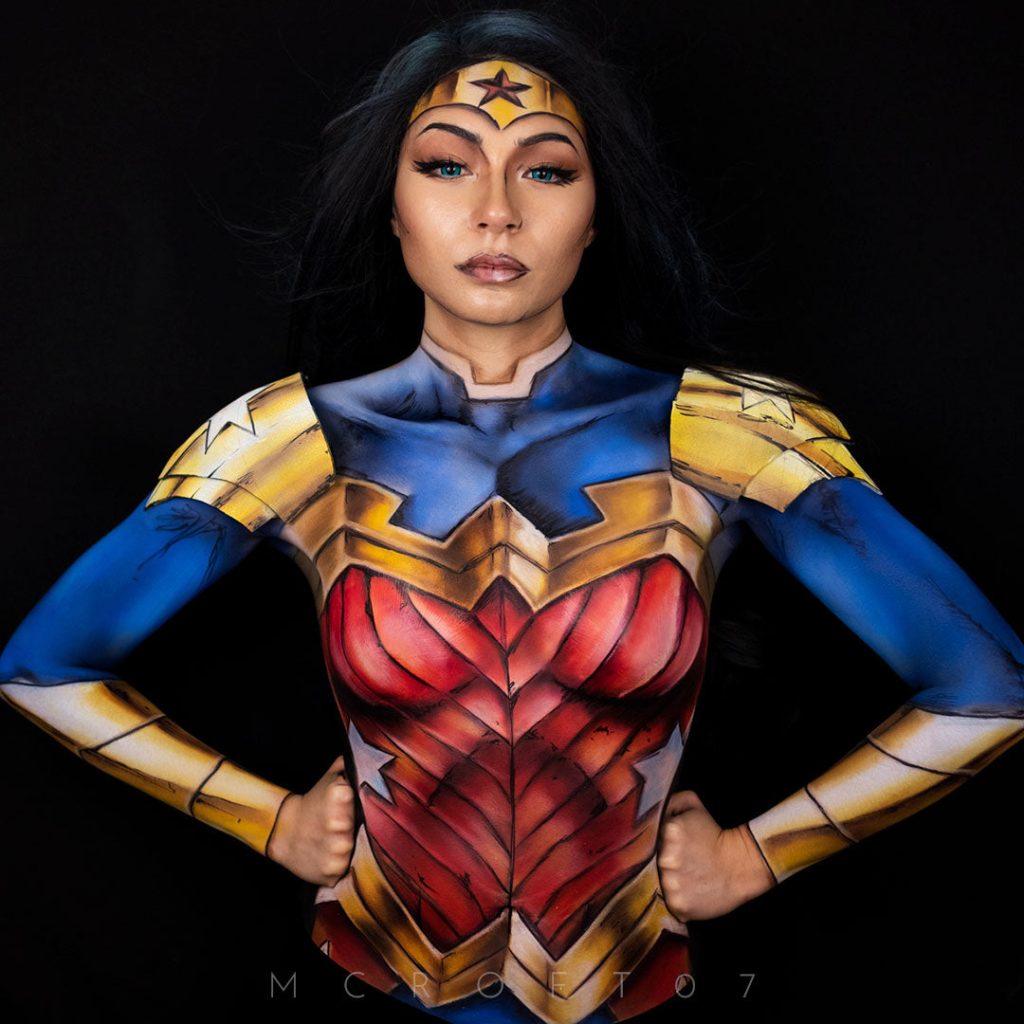
Body paint is a unique form of art. Artists paint directly on the skin. This creates temporary masterpieces.
History of Body Paint
Body painting is ancient. People have been painting their bodies for thousands of years. Many cultures used body paint for rituals and ceremonies.
Indigenous tribes used body paint. They used it for hunting, religious ceremonies, and social events. Ancient Egyptians also used body paint. They painted their faces and bodies for religious reasons.
| Culture | Use of Body Paint |
|---|---|
| Indigenous Tribes | Hunting, Ceremonies, Social Events |
| Ancient Egyptians | Religious Reasons |

Credit: www.cincinnatifacepainters.com
Types of Body Paint
There are many types of body paint. Each type has a different purpose and use.
- Water-Based Paints: Easy to apply and remove. Ideal for beginners.
- Alcohol-Based Paints: Long-lasting and waterproof. Perfect for events.
- Henna: Natural dye. Used for traditional designs.
- Latex Paints: Creates a second-skin effect. Used for special effects.
Water-based Paints
Water-based paints are popular. They are easy to use and remove. You can wash them off with soap and water. These paints are safe for kids.
Alcohol-based Paints
Alcohol-based paints are durable. They last longer and are waterproof. You need special removers to take them off. These paints are great for events.
Henna
Henna is a natural dye. It comes from the henna plant. People use it to create traditional designs. Henna stains the skin and lasts for weeks.
Latex Paints
Latex paints are unique. They create a second-skin effect. Special effects artists use them. These paints are great for movies and shows.
How to Use Body Paint
Using body paint is fun. Follow these steps to create your masterpiece.
Step 1: Gather Supplies
You need a few supplies. Here is a list:
- Body Paint
- Brushes or Sponges
- Water (for water-based paints)
- Mirror
Step 2: Prepare Your Skin
Clean your skin before painting. Remove oils and dirt. This helps the paint stick better.
Step 3: Start Painting
Use brushes or sponges to apply the paint. Start with light colors. Add details with darker colors.
Step 4: Let It Dry
Let the paint dry. This can take a few minutes. Be patient and avoid touching the paint.
Step 5: Show Off Your Art
Once dry, your body paint is ready. Show off your art to friends and family.

Credit: www.dragonshalloweenball.com
Safety Tips
Always prioritize safety. Here are some tips:
- Use non-toxic paints.
- Do a patch test first.
- Avoid painting near eyes and mouth.
- Remove paint if you feel discomfort.
Popular Body Paint Events
Many events celebrate body paint. Here are some popular ones:
- Bodypainting Festival: Held in Austria. Artists from around the world attend.
- Fantasy Fest: Held in Key West. Features body paint parades and contests.
- World Bodypainting Festival: Held in South Korea. Celebrates body art and culture.
Choosing Safe Body Paint
Use cosmetic grade products only
Body paint must be made for skin. Craft acrylics, poster paints and markers are not formulated for skin contact and can cause irritation or allergic reactions. Look for products labelled for face and body use and compliant with cosmetic regulations where you live.
Water activated cakes
The most common professional face and body paint. Applied with a damp brush or sponge, they dry quickly and wash off with soap and water.
Alcohol activated paints
Very durable and sweat resistant, used in theatre and special effects. They need a dedicated remover.
Cream and grease paints
Easy to blend and suited to theatrical work, though they smudge more easily unless set with powder.
Glitter and effects
Use only cosmetic grade glitter. Craft glitter can scratch skin and eyes.
Application and Safety
Always patch test a small area of skin a day before, especially on children and people with sensitive skin. Avoid the eye area unless the product is specifically approved for it, and never paint over cuts, rashes or irritated skin.
Keep brushes and sponges clean, and use separate ones for each person at events to avoid spreading infection. Remove paint gently with the recommended cleanser rather than scrubbing, and moisturise afterwards.
Techniques Worth Learning
Most body painting builds on a few core techniques: a sponge base for even coverage, one stroke split cakes that give multicolour strokes with a single brush, fine linework with a round brush, and stencils for crisp repeating shapes. Practice line control on your own arm or on paper before painting others.
Plan designs around the body’s natural contours, since painting that follows the shape of shoulders, arms or the face looks far more dynamic than a flat design placed on top.
Frequently Asked Questions
What Is Body Paint Used For?
Body paint is used for artistic expression, costume creation, and performance art.
How Long Does Body Paint Last?
Body paint typically lasts several hours, depending on the quality and application method.
Is Body Paint Safe For Skin?
Yes, body paint is generally safe for skin when using products specifically designed for it.
Can Body Paint Be Waterproof?
Yes, some body paints are formulated to be waterproof and can withstand moisture and sweat.
Conclusion
Body paint is an amazing art form. It has a rich history and many uses. Anyone can try body painting. Just follow the steps and safety tips.