Claessens canvas rolls deliver world-class linen surfaces with reliable, archival priming.
If you paint on canvas, you know a bad surface wastes time and paint. Brush drag feels off. Colors sink. Edges fuzz. I wrote this Claessens canvas roll review to solve that. I tested popular Claessens linen rolls side by side. I checked tooth, primer type, and stretch behavior. I looked at how they handle detail, glazes, and heavy paint. If you want a pro surface that lasts, this guide will help you pick the right roll the first time.
See the differences between my top picks at a glance.
| Model | Priming | Texture | Size (W x L) | Best For | Notable Trait |
|---|---|---|---|---|---|
| Claessens #13 | Double oil primed | Very fine | 54 in x 3 yd | Fine detail oil, portrait, glazing | Ultra-smooth hand-primed finish |
| Claessens #66 (54×3) | Single oil primed | Rough | 54 in x 3 yd | Expressive oil, bold texture | Open weave with strong tooth |
| Claessens #66 (82×6) | Single oil primed | Rough | 82 in x 6 yd | Large oil works, impasto | Wide format for big canvases |
| Claessens #109 | Universal primed | Medium | 82 in x 5.5 yd | Oil, acrylic, mixed media | Versatile, balanced tooth |
| Claessens #166 | Universal primed | Medium | 82 in x 6 yd | All wet media, studio stock | Handcrafted, archival ground |
Claessens Linen #13 Double Oil-Primed Roll (54×3 yd)

This #13 roll is a go-to for portrait and fine detail oil work. It uses double oil priming on a very fine linen weave. The hand-primed surface feels smooth yet lively under the brush. You get crisp edges, tight glazing, and less sinking-in of oil.
The 54-inch width suits portraits, still lifes, and studio pieces that need accuracy. I like how it grips thin paint without chatter. It also supports delicate scumbles. If you layer glazes, the sealed ground keeps color clear and bright.
Pros:
- Silky, very fine tooth for sharp details
- Double oil priming reduces absorbency and color sink
- Hand-primed surface gives even brush feel
- Edges stay clean for line work and small lettering
- Great for glazing and subtle transitions
- Less canvas print-through in thin passages
- Archival build suited for long-term work
Cons:
- Not ideal for heavy impasto or knife work
- Higher price due to double priming and linen grade
- Oil-primer scent on opening may need airing
What Amazon Buyers Are Saying
Buyers who choose #13 often mention the smooth surface and pro finish. Many note that detail pops and glazing lays down even. Some call out a light oil smell on delivery that fades after a day or two. A few mention the cost, but they feel the quality justifies it for key works.
My Recommendation
If you paint portraits, realism, or fine edges, start here. This #13 double oil-primed roll is the surgical tool in this Claessens canvas roll review. It rewards slow layers and careful drawing. I would not pick it for thick knife work. For precision oils, it is worth it.
| Category | Rating |
|---|---|
| Surface Uniformity | 5/5 |
| Tooth for Detail | 5/5 |
| Oil Paint Handling | 4.8/5 |
| Ease of Stretching | 4.6/5 |
| Archival Confidence | 5/5 |
| Value for Precision Work | 4.7/5 |
| Overall Rating | 4.8/5 |
Claessens Linen #66 Single Primed Roll (54×3 yd)

This #66 oil-primed linen has a rougher weave and a single coat ground. It gives the brush a stronger bite. You will feel more tooth on every stroke. It suits alla prima and expressive paint.
The 54-inch width keeps handling easy if you work mid-size. The open weave holds thicker layers and dry brush. It also lets you build broken color with speed. I like it for landscapes and bold portraits.
Pros:
- Strong tooth for impasto and bold mark-making
- Single oil priming keeps a lively, tactile feel
- Great grip for dry brush and scumbling
- Holds paint body without sliding
- Open weave helps create broken color effects
- Good control for palette knife starts
Cons:
- Too rough for tiny detail or razor edges
- Single priming may absorb more oil than double
- Some curl memory when first unrolled
What Amazon Buyers Are Saying
Artists who buy #66 praise the tooth and the way it supports big gestures. Many mention that brushwork reads well on this surface. Some say it drinks a bit more paint in thin areas. Others comment that it relaxes flat after a short rest or a light reverse roll.
My Recommendation
Choose #66 (54×3) if you like texture and energy. It is a solid match for alla prima and knife work in oils. In this Claessens canvas roll review, it is the “painterly” choice. If you need razor detail, move to #13.
| Category | Rating |
|---|---|
| Texture for Gesture | 4.8/5 |
| Oil Paint Grip | 4.7/5 |
| Detail Capability | 3.8/5 |
| Stretching Behavior | 4.5/5 |
| Archival Confidence | 4.7/5 |
| Value for Expressive Work | 4.6/5 |
| Overall Rating | 4.6/5 |
Claessens Linen #66 Oil-Primed Rough Roll (82×6 yd)

This is the big studio version of #66. It keeps the same rough tooth and single oil priming. The 82-inch width and 6-yard length let you go large. Murals, big abstracts, and multi-panel series all fit.
The open weave welcomes knives and thick paint. It also reads well from a distance. I like it for paintings that need drama and scale. You can stretch large with less seam risk thanks to the wide format.
Pros:
- Extra-wide 82″ width for big canvases
- Rough tooth shows gesture and texture
- Single priming keeps a responsive feel
- Great for impasto and knife techniques
- Ideal for large landscapes and abstracts
- Ample length for multiple large works
Cons:
- Not suitable for fine-detail miniature work
- Bigger rolls need more space to handle
- Thicker paint use can raise supply costs
What Amazon Buyers Are Saying
Customers who pick the 82-inch #66 focus on size and tooth. Many like the way the texture carries across big fields of color. Some mention that wide rolls need two people to manage. Several note consistent priming across the length.
My Recommendation
If you plan large oil paintings with body, choose this. It is the scale-friendly star in this Claessens canvas roll review. It rewards bold moves. It is also practical if you want fewer seams.
| Category | Rating |
|---|---|
| Large-Format Readiness | 5/5 |
| Texture for Distance Impact | 4.8/5 |
| Oil Handling | 4.7/5 |
| Ease of Studio Handling | 4.2/5 |
| Archival Confidence | 4.7/5 |
| Value for Scale | 4.6/5 |
| Overall Rating | 4.6/5 |
Claessens Linen #109 Universal Primed Roll (82×5.5 yd)
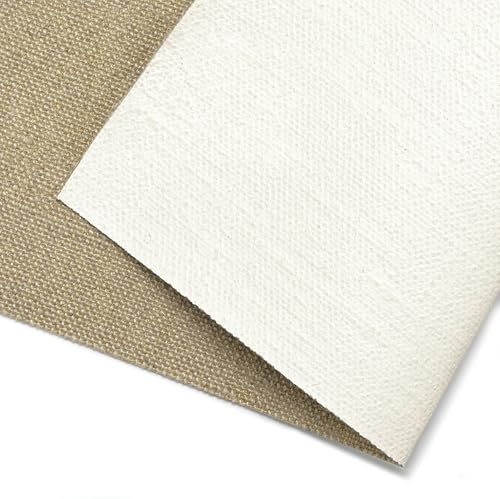
#109 uses a universal primer on medium texture linen. That means you can use oil, acrylic, and more. The surface has a balanced tooth. It is not too slick and not too rough.
I like this as a studio workhorse. You can plan mixed media without surface change. Acrylic underpainting and oil over it both feel stable. The 82-inch width fits large or series work.
Pros:
- Universal ground suits oil, acrylic, and mixed media
- Medium texture balances detail and grip
- Good for underpainting in acrylic then oil
- Even, hand-primed surface consistency
- Wide width for large work planning
- Efficient for studios that switch media
Cons:
- Less slick than double oil primed for micro detail
- Less tooth than rough weaves for heavy impasto
- 82-inch rolls need space for layout
What Amazon Buyers Are Saying
Buyers praise the flexibility of #109. Many note clean grounds and low absorbency for acrylics. Some say it stretches well with even tension. A few wish for a finer option for hyper-real detail but stick with it for mixed media.
My Recommendation
If you paint in more than one medium, pick #109. It is the most versatile choice in this Claessens canvas roll review. It supports experiments and layered methods. It is the safe pick for studio stock.
| Category | Rating |
|---|---|
| Versatility Across Media | 5/5 |
| Surface Balance | 4.7/5 |
| Acrylic Handling | 4.7/5 |
| Oil Over Acrylic | 4.6/5 |
| Stretching Ease | 4.6/5 |
| Value for Versatility | 4.7/5 |
| Overall Rating | 4.7/5 |
Claessens Linen #166 Universal Primed Roll (82×6 yd)
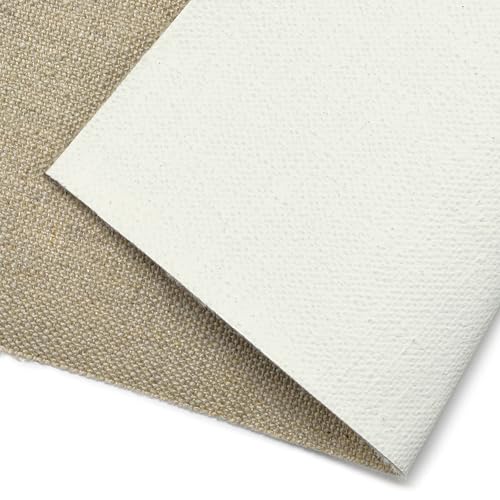
#166 is also universal primed on a medium texture linen. It comes in a generous 82-inch by 6-yard roll. It works with oil, acrylic, and other wet media. The hand-primed ground feels even and confident.
Use this if you want one roll for many jobs. It takes acrylic blocks, oil glazes, and mixed media plans. The extra half yard over #109 adds yield. Studios that batch stretch will enjoy the scale.
Pros:
- Universal primer for all wet media
- Medium tooth supports detail and body
- Long 6-yard roll for batch projects
- Stable ground for oil over acrylic
- Great for teaching studios and group work
- Reliable, archival surface prep
Cons:
- Not as fine as #13 for tiny detail
- Not as rough as #66 for heavy texture
- Wide rolls can be bulky to store
What Amazon Buyers Are Saying
Reviewers often note the “do-it-all” nature of #166. Many like that it feels ready out of the roll for both acrylic and oil. Some mention smooth stretching with stable corners. A small number want either finer or rougher tooth, but like it as a middle ground.
My Recommendation
Pick #166 if you want a one-and-done studio roll. In this Claessens canvas roll review, it is the budget-smart, flexible stocker. It does not specialize. It covers many jobs well.
| Category | Rating |
|---|---|
| All-Media Flexibility | 4.9/5 |
| Surface Consistency | 4.7/5 |
| Yield per Roll | 4.8/5 |
| Ease of Use | 4.6/5 |
| Archival Confidence | 4.7/5 |
| Value for Studios | 4.8/5 |
| Overall Rating | 4.8/5 |
How to Choose Claessens Canvas Rolls
Picking the right Claessens roll comes down to paint, texture, and size. Your brushwork and media matter most. Here is how I match rolls to real needs based on this Claessens canvas roll review.
1. Match Priming to Your Paint
Oil-primed rolls shine with oil and alkyd. They feel smooth. Color stays rich. They resist sinking. Pick double oil primed (#13) for high detail or glazing. Choose single oil primed (#66) for tooth and body.
Universal primed rolls handle all wet media. Use them for acrylic, oil, or mixed media. They save time if you switch media a lot. They also help when you do acrylic underlayers under oil.
2. Pick the Right Tooth for Your Style
Very fine tooth suits portraits and tight drawing. If you want crisp edges, a very fine surface helps. Medium tooth gives balance. It supports both detail and light texture. Rough tooth boosts impasto and knife work.
Ask yourself how your brush moves. Do you glaze and blend? Go fine. Do you scumble and knife? Go rough. If you do both, choose medium.
3. Size for Your Space and Format
54-inch rolls are easy to handle alone. They fit smaller studios. They suit mid-size work. 82-inch rolls serve large paintings and batch stretching. You need space to unroll them. Measure your wall, floor, and stretcher bars before you buy.
Plan your cut list. Figure the yield per roll. Add extra for corners and tension. This saves money and stress.
Final Verdict: Which Should You Buy?
For pure oil detail, Claessens #13 is the best choice. For mixed media flexibility at scale, #166 hits the sweet spot.
This Claessens canvas roll review shows every roll here is pro grade. Pick the tooth and primer that fit your style. You will feel the upgrade on day one.
FAQs Of Claessens canvas roll review
Is oil-primed linen better than universal primed?
For oils, yes. Oil-primed linen feels smoother and reduces sinking. Universal primed is best if you also use acrylic or mixed media.
Can I use acrylic on oil-primed Claessens canvas?
No. Acrylic does not bond well over oil grounds. Use universal primed for acrylic or acrylic underlayers.
Which Claessens roll is best for portraits?
Claessens #13 double oil primed is ideal. It has a very fine tooth for crisp detail and glazing.
What should I choose for heavy palette knife work?
Claessens #66 oil-primed rough texture works well. It has strong tooth for impasto and bold marks.
How do I reduce curl when unrolling canvas?
Reverse roll it loosely for a short time. Let it rest flat. Gentle warmth in a safe, dry room helps relax fibers.
Can I oil paint over acrylic on universal primed rolls?
Yes. Universal primed linen supports acrylic underpainting with oil on top. Let acrylic cure before oil layers.