Painting your own wall art for the bedroom can turn a plain space into a warm, personal retreat. Many people think you need special talent to create beautiful DIY wall art, but that’s not true. With the right approach, anyone can paint wall art that adds style and personality to their bedroom.
Even better, painting your own art allows you to express your unique taste and make something no one else has. Let’s look at how you can plan, prepare, and paint your own wall art—even if you’re a beginner.
Why Paint Your Own Bedroom Wall Art?
DIY wall art gives you full control over the colors, themes, and size. Store-bought art can be expensive, and it may not fit your style or bedroom decor. Creating your own art is also more meaningful. For example, painting a calming blue abstract design can help you relax before sleep, while bold shapes and colors can add energy to your mornings. Another benefit: you can change your art any time you want, without spending a lot of money.
Choosing The Right Wall Art Style
Before you buy supplies or pick up a brush, think about what style will suit your bedroom. Here are some popular options:
- Abstract art – Great for beginners. Abstract patterns use simple shapes and colors.
- Nature scenes – Trees, leaves, or mountains bring calm and freshness.
- Geometric designs – Lines, triangles, and circles look modern and clean.
- Quotes or words – Paint meaningful words or phrases for daily inspiration.
- Minimalist art – Simple, with lots of empty space. Good for small bedrooms.
Choose a style that matches your personality and the feeling you want in your bedroom. For example, soft watercolors can create a peaceful mood, while bright geometric shapes can make the room feel lively.
Planning Your Wall Art Design
Good planning is key to success. Start by measuring your wall space. Decide if you want one large painting or several smaller pieces arranged together. Sketch a few ideas on paper or use a free app to visualize your design. Think about the following:
- Color palette: Choose colors that match your bedding, curtains, and furniture. Use a color wheel to find colors that go well together.
- Size and placement: Art should be at eye level when you’re standing. Leave some empty space around your art for a balanced look.
- Theme: Make sure your design fits the overall style of your bedroom.
A common beginner mistake is making the art too small for the space. If you’re not sure, cut out paper shapes and tape them to your wall to test different sizes.
Essential Supplies For Diy Bedroom Wall Art
You don’t need expensive tools to get started. Here’s a basic supply list:
- Canvas or thick paper (pre-stretched canvas is easiest for beginners)
- Acrylic paints (they dry quickly and are easy to use)
- Paintbrushes (a few sizes: Small for detail, large for backgrounds)
- Painter’s tape (for clean lines or geometric shapes)
- Palette (or a plate for mixing colors)
- Ruler and pencil (for sketching your design)
- Drop cloth or old sheet (to protect your floor)
- Cup of water and paper towels (for cleaning brushes)
For extra effects, you can try sponges, stencils, or even your fingers. If you want to hang your art, buy picture hangers or hooks that fit your wall type.

Credit: www.royaldesignstudio.com
Step-by-step Guide To Painting Wall Art
Let’s break down the DIY painting process into clear steps. This section will help you stay organized and avoid common mistakes.
1. Prepare Your Workspace
Cover your floor and table with a drop cloth. Make sure the area is well-lit and ventilated. Gather all your supplies so you don’t have to stop mid-project.
2. Prime Your Canvas
If you use a raw canvas, apply a thin layer of acrylic gesso and let it dry. Pre-stretched canvases are usually ready to paint.
3. Sketch Your Design
Use a pencil to lightly draw your design on the canvas. Don’t press too hard—just enough to see your lines. If you want geometric shapes, use painter’s tape to mark straight edges.
4. Mix Your Colors
Acrylic paints can be mixed to make new shades. Start with small amounts and test on a scrap of paper. Write down your color mixes so you can match them later.
5. Paint Background First
Begin with the largest areas or background. Use a wide brush to fill these spaces. Let each layer dry before adding more paint.
6. Add Details
Switch to smaller brushes for details and outlines. Take your time—small mistakes can be fixed once the paint dries.
7. Remove Tape And Touch Up
If you used painter’s tape, peel it off slowly before the paint is fully dry. Clean up any smudges with a small brush.
8. Let It Dry
Acrylic paint dries in about 20–30 minutes, but thick layers may take longer. Don’t touch or move the art until it’s fully dry.
9. Seal (optional)
For extra protection and shine, use a clear acrylic sealer spray once your art is completely dry.
10. Hang Your Art
Use a measuring tape to mark the spot on your wall. Install picture hooks or use adhesive strips if you’re renting and don’t want holes.
Common Painting Techniques For Beginners
Trying different painting methods can add interest to your wall art. Here are some easy techniques:
- Dry brushing: Use very little paint for a scratchy, textured look.
- Dabbing with a sponge: Makes clouds or soft backgrounds.
- Layering: Let one color dry, then add another on top for depth.
- Splatter painting: Flick paint from the brush for a fun, random effect.
Don’t worry if you make mistakes. Some of the best art happens by accident. If you really don’t like a section, wait for it to dry, then paint over it.
Mistakes To Avoid When Painting Wall Art
Many beginners run into the same problems. Here’s how to avoid them:
- Using too much water with acrylics. This can make colors look dull and thin.
- Not waiting for layers to dry. This causes colors to mix and get muddy.
- Ignoring color balance. Too many bright colors can feel overwhelming.
- Overworking the same area. Paint can peel or look messy if brushed too much.
A helpful tip: step back every 10–15 minutes to look at your art from a distance. This helps you see the big picture and catch problems early.
Diy Wall Art Ideas For Bedroom
If you’re not sure where to start, try one of these beginner-friendly ideas:
- Color block art: Paint large squares or rectangles in your favorite colors.
- Mountain landscape: Use simple triangles and shades of blue/gray.
- Botanical prints: Paint leaves or flowers with a thin brush.
- Drip art: Let watered-down paint drip down the canvas for a modern look.
- Quote art: Paint a short phrase using stencils or freehand lettering.
Mix and match these ideas with your own style. The goal is to create something that feels right for you.
How To Choose The Right Paint Colors
Color is a powerful tool in bedroom design. Soft blues and greens can make you feel calm, while yellow or coral adds warmth. Here’s a simple guide to choosing colors:
| Color | Mood | Best For |
|---|---|---|
| Blue | Calm, restful | Bedrooms, relaxation |
| Yellow | Happy, energetic | Morning light, small spaces |
| Green | Fresh, balanced | Nature themes |
| Gray | Modern, neutral | Minimalist art |
| Pink | Soothing, romantic | Cozy bedrooms |
You can use online color palette tools to find combinations. A simple rule: stick to 2–3 main colors and add small touches of accent shades.
Comparing Canvas, Paper, And Wood As Painting Surfaces
Choosing the right surface can change how your final art looks and lasts. Here’s a quick comparison:
| Surface | Pros | Cons |
|---|---|---|
| Canvas | Durable, easy to hang, professional look | More expensive, needs priming |
| Thick Paper | Cheap, easy to frame, good for testing | Can wrinkle, not as durable |
| Wood Panel | Strong, unique texture, no need to frame | Heavy, harder to hang |
For bedroom wall art, canvas is most popular. But thick paper works well for smaller pieces, especially if you want to frame them.

Credit: fusionmineralpaint.com
How To Hang And Arrange Your Wall Art
Hanging your art the right way makes a big difference. Here are some tips:
- Art should hang so the center is about 57 inches from the floor (eye level for most people).
- For multiple pieces, space them 2–4 inches apart.
- If hanging above a bed, the art should be about two-thirds the width of the bed.
- Use a level to keep frames straight.
Try arranging your art on the floor before hanging. You can also take a photo and move pieces around digitally.
Caring For Your Painted Wall Art
To keep your art looking fresh:
- Dust gently with a soft, dry cloth—don’t use water.
- Keep art out of direct sunlight to prevent fading.
- Avoid hanging above heaters or air vents.
If you seal your art with acrylic spray, it will resist dust and moisture better.
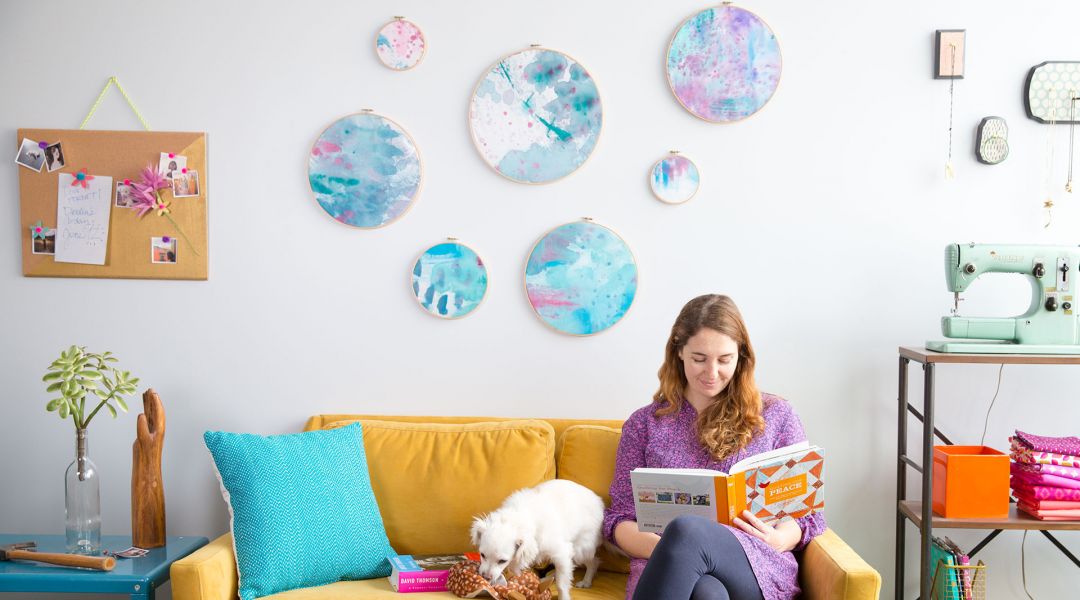
Credit: www.creativebug.com
Non-obvious Tips For Better Results
Many beginners miss these key tips:
- Test your colors on a small card before painting the real canvas. Bedroom light can change how colors look.
- Mix more paint than you think you’ll need. It’s hard to match colors exactly if you run out.
- Take breaks. Looking at your art with fresh eyes helps you spot mistakes.
If you’re unsure about your design, ask a friend for feedback before painting.
Where To Learn More About Diy Wall Art
There are many online resources for inspiration and techniques. Websites like Architectural Digest offer galleries and step-by-step guides. Watching video tutorials can also help you learn new painting methods.
Frequently Asked Questions
How Do I Fix Mistakes In My Wall Art?
Let the paint dry completely, then paint over the mistake with your background color. Acrylics cover well, so you can redo most areas easily.
What Is The Best Paint For Bedroom Wall Art?
Acrylic paint is best for beginners. It dries fast, is non-toxic, and works on canvas, paper, or wood.
Can I Paint Wall Art If I Have No Experience?
Yes! Simple designs like color blocks or abstract patterns are perfect for beginners. Start with small pieces and practice mixing colors.
How Do I Hang Wall Art Without Damaging Walls?
Use adhesive hooks or strips designed for art. They hold well and don’t leave holes. Always check the weight limit before hanging.
What Size Should My Bedroom Wall Art Be?
A good rule: art above the bed should be about two-thirds the width of the bed. For other walls, choose a size that fills the space without crowding.
Creating your own bedroom wall art is rewarding and fun. With the right tools, planning, and a little practice, you’ll soon enjoy a space that truly feels like home.