
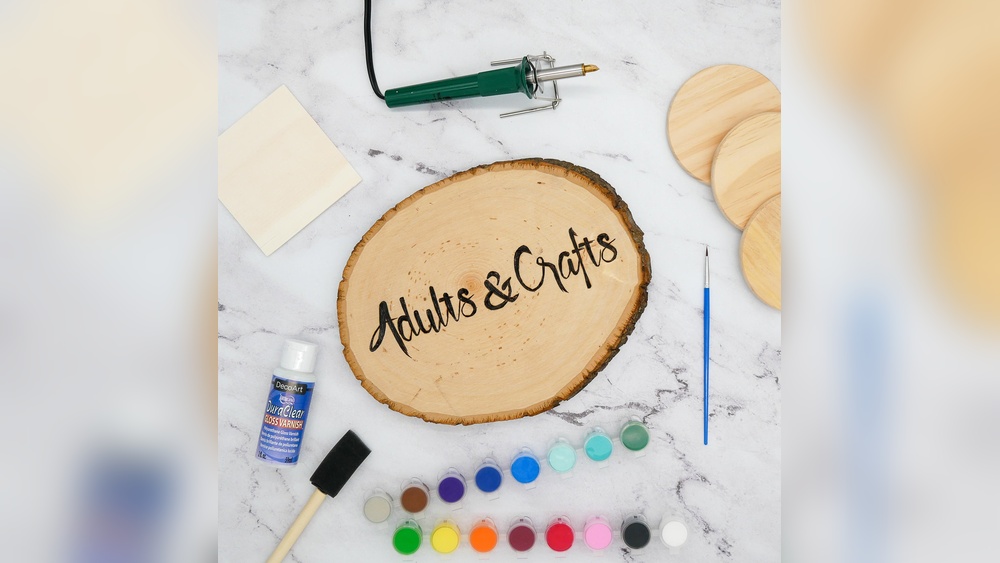
Quick answer: To paint wood-burned items, finish all burning first, lightly sand away soot with 320-grit paper, and remove dust. Then add color with thin, transparent layers, such as watered-down acrylic, watercolor or colored pencil, so the burned lines stay visible. Paint inside the lines with a small brush, build color gradually, and avoid opaque paint over the burn. Seal with a clear water-based finish, using a spray or gentle dabbing so colors do not smear.
Pyrography gives you lines and shading in warm browns and near-blacks. Adding color can make a design glow, but it can also bury all that careful burning under flat, muddy paint. Knowing how to paint wood-burned items is mostly about restraint: choosing transparent color, keeping paint inside the burned outlines and protecting the burn from smudges.
This guide explains when to burn and when to paint, which coloring media work best over burned wood, a step-by-step method, shading techniques, finishing and fixes for common problems. For a comparison of acrylics that layer thinly and stay vivid on wood, see our guide to the best craft paint for wood.
Burn First, Then Paint
Always complete the burning before adding color. There are two reasons:
- Safety and fumes: burning over acrylic paint, sealers or finishes melts plastics and releases unpleasant and potentially harmful fumes. Burn only on bare, unfinished wood.
- Clean lines: paint and sealer change how wood burns, causing patchy or bubbly lines.
If you realize later that a line needs to be darker, it is safer to deepen it with a fine brown or black paint pen than to burn over paint.
Best Wood for Burned and Painted Crafts
| Wood | Burning qualities | Painting qualities |
|---|---|---|
| Basswood | Smooth, even burning; very popular for pyrography | Pale and fine-grained; takes thin color evenly |
| Birch plywood | Good for flat signs; consistent surface | Light surface shows color well |
| Poplar | Burns fairly evenly | Slight greenish tint can affect light colors |
| Maple | Hard; needs slower burning | Smooth; good for detailed color |
| Pine | Uneven due to soft and hard rings; resin can smoke | Resin pockets can resist paint; seal knots |
| Wood slices | End grain burns quickly and can be blotchy | Absorbent; thin washes spread |
Coloring Media for Wood-Burned Art
| Medium | Look | Control | Notes |
|---|---|---|---|
| Thinned acrylic (wash) | Translucent, grain shows | Good | Most versatile; permanent once dry |
| Watercolor | Soft, very transparent | Moderate; spreads on bare wood | Can reactivate with water-based sealers; test first |
| Colored pencils | Subtle, layered | Excellent | Great for small areas and gradients |
| Wood stains or dyes | Rich, deep tint | Lower; can bleed | Good for large areas like backgrounds |
| Acrylic paint pens | Opaque | Excellent | Use only for accents; can cover burn lines |
| Full-strength acrylic | Opaque, flat | Good | Hides burn shading; use sparingly |
For most projects, thinned acrylic gives the best balance of color, permanence and transparency. Colored pencils are a strong choice for fine details and blending.
Plan the Color Before You Burn
If you know a piece will be colored, a few burning decisions make painting easier later.
- Burn clear, closed outlines around areas you plan to color. A continuous line acts like a dam that slows washes from creeping along the grain.
- Use lighter shading in areas that will get color. Heavy, dark burning under a wash can make the color look dirty; let the paint carry some of the tone instead.
- Keep the darkest burning for outlines and deep shadows, where color will not go.
- Sketch a color plan on a photocopy of your pattern with colored pencils. It shows whether the palette works before anything permanent touches the wood.
- Leave some areas unburned and unpainted as highlights. Bare wood reads as the lightest value in the piece.
Supplies
- Completed wood-burned piece on unfinished wood
- 320-grit sandpaper or a fine sanding sponge
- Soft brush or tack cloth
- Acrylic paints and a mixing palette
- Small round brushes (sizes 0 to 4) and a liner brush
- Water cup and paper towels
- Optional: watercolors, colored pencils, wood stain
- Clear water-based finish (spray or brush-on) in matte, satin or gloss
How to Paint Wood-Burned Items: Step by Step
Step 1: Clean up the burn
Burning leaves soot and slightly raised fibers along the lines. Lightly sand the surface with 320-grit sandpaper, moving with the grain, to remove soot smudges and smooth the wood. Do not press hard; you do not want to lighten fine shading. Brush off the dust.
Step 2: Test your colors
Paint test swatches on a scrap of the same wood, or on the back of the piece. Wood tone changes colors: blues can turn greenish on yellow woods, and light colors look muted. Testing also shows how far a wash spreads along the grain.
Step 3: Thin the paint
Mix acrylic with water until it is like milk or ink. A rough starting point is 1 part paint to 3 or 4 parts water, adjusted by the paint’s strength. The goal is color you can see through.
Step 4: Paint inside the lines
Load a small round brush lightly and paint inside burned outlines. The burned line acts like a barrier, though thin washes can still creep along the grain, so keep the brush only damp, not dripping. Work one area at a time.
Step 5: Build color in layers
Let each layer dry, about 5 to 10 minutes for thin acrylic, then add another to deepen the color. Several thin layers look richer and more even than one strong layer.
Step 6: Add shading and highlights
The burn already provides most of the shading. Add a slightly darker wash in shadow areas to enrich it, and leave some bare wood as highlights. For a strong highlight, a tiny touch of white paint or white pencil on top works well.
Step 7: Restore the lines if needed
If paint crept over a burned line, clean it with a damp brush while wet. Once dry, you can carefully re-darken the line with a fine brown paint pen, or very lightly re-burn only if no paint is on that area.
Step 8: Seal
Let the paint dry fully, at least several hours, then apply a clear water-based finish. Spray finishes avoid disturbing color. With brush-on finishes, use a soft brush and dab or float the finish on in a single pass rather than brushing back and forth. Apply two or three thin coats.
Shading Techniques That Respect the Burn
- Glazing: layer transparent color over burned shading so both are visible. A light yellow glaze over burned shading on a flower gives a warm, natural look.
- Selective color: color just one element, such as a red cardinal on a fully burned branch, for a striking focal point.
- Gradient washes: paint a wash that fades from strong to clear to suggest light direction.
- Pencil blending: layer two colored pencils, then burnish with a colorless blender or a white pencil for a smooth finish.
- Background tinting: stain or tint the background around the burned subject, leaving the subject natural, to make it pop.
Project Ideas
| Project | Coloring approach |
|---|---|
| Botanical wood slice | Burned leaves with soft green and yellow washes |
| Bird on a branch sign | Selective color on the bird only |
| Mandala coaster | Alternating colored sections with transparent jewel tones |
| Name plaque | Burned letters with a tinted background |
| Cutting board decor (non-food side) | Burned design with minimal color; keep the food side unfinished or food-safe |
| Wooden spoon art | Burned handles with colored accents, decorative only |
| Recipe box or keepsake box | Burned florals with colored pencil detail |
Wood slices are a natural pairing for burned designs. For prep and finishing specific to slices, see our step-by-step on painting on wood slices for crafts.
Acrylic Paint for Wood Crafts: Choosing Colors That Work Over Burn
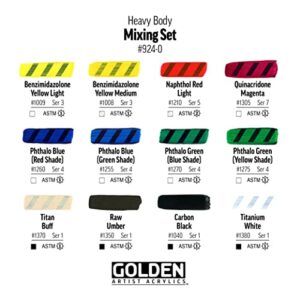
- Transparent pigments such as quinacridones, phthalos and transparent oxides keep the burn visible. Labels sometimes note transparency.
- Warm tones (yellows, oranges, reds, warm greens) harmonize naturally with the brown of burned wood.
- Cool tones (blues, purples) contrast with the warm wood and can look striking, but test them first since the wood’s yellow tint shifts them.
- Metallics add accents to burned designs, like gold leaf veins or silver stars, but use them sparingly.
Small Wood Painting Panels for Practice
Before coloring a finished piece you spent hours burning, practice on small scrap panels. Burn a few short lines, a shaded circle and a leaf on a basswood or birch offcut, then try each coloring medium side by side. Label each test with the medium and dilution. This little sample board becomes a reference you can return to for every future project, and it shows exactly how your wood, your burner settings and your paints interact.
Food Safety Note
Acrylic paint and most craft finishes are not food-safe. On cutting boards, spoons, bowls and serving trays, keep painted and sealed areas to handles, edges or the back, and leave food-contact surfaces bare or finish them with a product specifically labeled food-safe. Treat painted kitchen items as decorative unless you are sure every material is rated for food contact.
Common Mistakes
- Painting before burning. Burning through paint or finish is unsafe and gives poor lines.
- Skipping the soot cleanup. Soot mixes into paint and turns colors gray.
- Using paint too thick. Opaque paint hides the burning you worked hard on.
- Overloading the brush. Washes flood along the grain beyond the lines.
- Brushing sealer vigorously. Reactivates watercolor or pencil and smears it.
- Not testing on scrap wood. Colors shift on wood, especially blues and purples.
Troubleshooting
| Problem | Likely cause | Fix |
|---|---|---|
| Colors look gray or dirty | Soot mixed into paint | Sand lightly with 320 grit and brush off before painting |
| Wash bled past the line along the grain | Brush too wet; end-grain or soft wood | Lift with a damp brush; use less water next layer |
| Burned lines hidden | Paint too opaque | Re-darken lines with a fine brown paint pen |
| Blotchy color on pine | Uneven absorption between soft and hard rings | Use colored pencils, or apply a thin sealer first |
| Watercolor smeared when sealing | Water-based finish reactivated it | Use a spray finish; mist lightly first |
| Raised, fuzzy grain after painting | Water swelled the fibers | Sand very lightly with fine paper once dry, then seal |
Tips by Skill Level
Beginners
Burn a simple outline design, like a leaf or a heart, and color it with colored pencils, which are the easiest medium to control.
Intermediate
Use thinned acrylic washes and selective color. Practice building layers rather than mixing strong color in one go.
Advanced
Combine burned shading, glazed acrylic and colored pencil detail in one piece, and tint backgrounds with stain or dye for depth.
FAQs
Can you paint over wood burning?
Yes. Use thin, transparent paint so the burned lines and shading still show. Opaque paint will cover the burn completely.
What is the best paint for wood-burned crafts?
Acrylic paint thinned with water is the most popular choice because it is permanent, easy to control and available in many colors. Watercolor and colored pencils are also good options for softer effects.
Should I seal wood before or after wood burning?
After. Burn on bare, unfinished wood only, then color and seal. Burning through sealer creates fumes and poor lines.
How do you keep paint from bleeding on wood-burned designs?
Use a damp rather than wet brush, work in small areas, and let each layer dry. A very light coat of clear sealer before painting can reduce bleeding on absorbent woods, but test how it affects color first.
Can you use watercolor on wood-burned art?
Yes. Watercolor gives soft, transparent color. Because it can reactivate with water-based sealers, use a spray sealer or test your finish before applying.
How do you seal painted wood-burned items?
Let the paint dry fully, then apply two or three thin coats of clear water-based finish, preferably by spray or with gentle dabbing so the color stays put.
Final Thoughts
The best painted pyrography adds color without hiding the burn: clean up soot, thin your paint, stay inside the lines and seal gently. Start with colored pencils or a single selective color, then move to layered washes as your control improves. For paints that layer thinly and stay bright on wood, browse our recommendations for craft paints suited to wood projects.


2 Comments