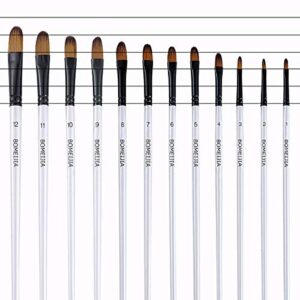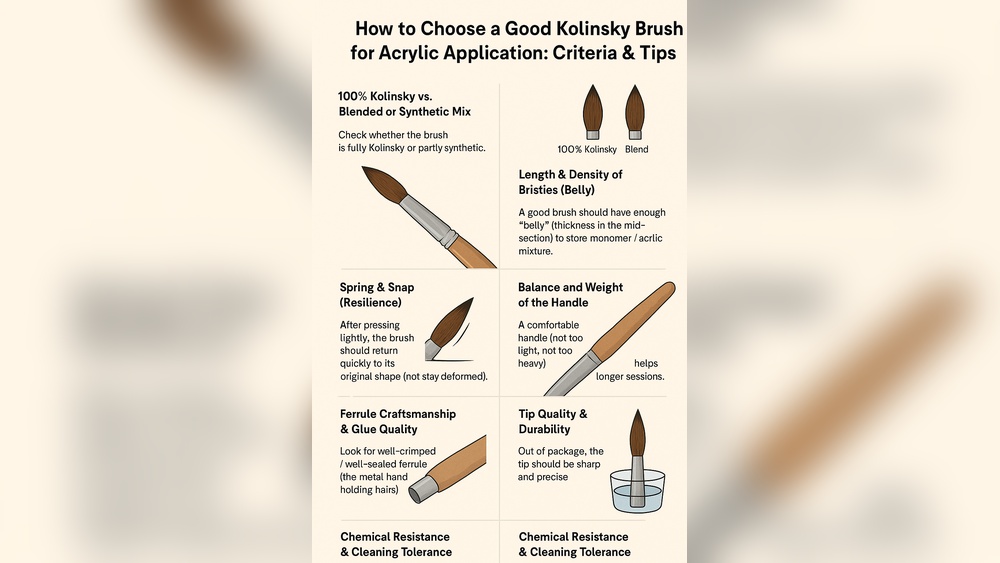
A high-quality paint brush is more than just a tool; it’s a bridge between your vision and the final result. Whether you’re painting walls, furniture, or fine art, the right brush makes every stroke smoother and the end product more impressive. But with hundreds of options in stores and online, how do you know if a paint brush is truly good quality? Many people buy the cheapest brush or pick one with a famous brand, but these choices often lead to frustration, wasted paint, and poor finishes. This guide will help you see what experts look for, avoid common mistakes, and feel confident every time you choose a brush.
Why Paint Brush Quality Matters
A good quality brush changes everything. It holds paint better, lays it down evenly, and leaves fewer streaks or marks. Cheap brushes can shed bristles, make uneven lines, and even ruin your project. If you invest in the right brush, you save time and money in the long run. The paint looks smoother, and you use less effort to get a professional finish. For beginners, picking the right brush avoids a lot of common mistakes—like bristle loss, poor control, and visible brush lines.
Key Signs Of A Good Quality Paint Brush
Not all paint brushes are created equal. Here are the main things to check before you buy:
1. Bristle Material
The bristle material is one of the most important factors. You’ll find natural, synthetic, and blended bristles.
- Natural bristles (like hog or badger hair) are best for oil-based paints and varnishes. They hold more paint and create a smooth finish.
- Synthetic bristles (usually nylon or polyester) are ideal for water-based paints. Good synthetic bristles feel soft, yet springy, and don’t absorb water.
- Blended bristles offer a balance, making them good for a variety of paints.
Cheap brushes often have plastic bristles that feel stiff and bend out of shape. Quality brushes use fine, flexible, and tapered bristles.
2. Bristle Density And Shape
The density and shape of the bristles affect how much paint the brush holds and how it spreads.
- A high-quality brush is packed with bristles. When you press the bristles, they should resist and bounce back, not collapse.
- The tips should be tapered, not blunt. Tapered tips lay paint more smoothly and help you paint clean edges.
- Run your fingers through the bristles—quality bristles should not easily fall out.
3. Ferrule Construction
The ferrule is the metal part that holds the bristles to the handle. A good ferrule is:
- Made from rust-resistant materials like stainless steel or nickel-plated brass.
- Firmly attached to the handle, with no wobble.
- Crimped tightly so bristles won’t fall out.
If you see glue or gaps around the ferrule, it’s a sign of poor quality.
4. Handle Material And Comfort
The handle should feel comfortable in your hand, especially for long painting sessions.
- Quality brushes use hardwood handles (like beech or birch) for strength and balance.
- The finish should be smooth, with no rough spots or splinters.
- The handle shape matters, too—short handles for detail work, long handles for large surfaces.
Plastic handles often feel cheap and can break easily.
5. Bristle Retention
Bristle retention means the brush doesn’t shed bristles when you use it. To test:
- Pull gently on the bristles. A good brush will lose very few or no bristles.
- Shake the brush; if bristles fall out, choose another.
Quality brushes use special glues and crimps to keep bristles in place.
6. Paint Pickup And Release
A great brush holds paint in the bristles and releases it evenly as you paint.
- Dip the brush in paint, then swipe it on a surface. The stroke should be full and even, not dry or streaky.
- Quality brushes don’t drip or splatter much.
Cheaper brushes often cannot hold enough paint, so you have to dip more often.
7. Tapered Vs. Flat Bristle Tips
Tapered tips give you more control and a smoother finish. Many top brands use “flagged” bristles, where the ends are split for better coverage.
- Check if the bristle tips look slightly frayed—this is a good sign for paint pickup.
- Flat, straight-cut bristles are less flexible and often used in low-cost brushes.
8. Brush Flexibility And Spring
A good brush has the right mix of flexibility and spring.
- Bend the bristles; they should return to their original shape easily.
- Too stiff means less control; too floppy means uneven strokes.
The right spring helps you cut precise lines and spread paint evenly.
9. Brand And Reputation
Well-known brands often have strict quality controls. While you don’t need to buy the most expensive brush, avoid unknown or unbranded options.
- Brands like Purdy, Wooster, and Corona have earned trust for decades.
- Read reviews or ask at the paint store for recommendations.
But remember: not every brush from a top brand is good for every job. Choose according to your needs.
10. Price Vs. Value
Price alone doesn’t guarantee quality, but very cheap brushes are almost never good.
- Expect to spend a little more for brushes that last longer and perform better.
- A $10–$20 brush can handle many projects if cared for properly.
Don’t fall for marketing hype—always check the brush in person if possible.

Credit: www.noozhawk.com
Comparing Brush Types And Their Best Uses
The right brush depends on your project. Here’s a quick comparison:
| Brush Type | Best For | Key Features |
|---|---|---|
| Flat Brush | Walls, large surfaces | Holds more paint, covers quickly |
| Angled Brush | Cutting in, corners, trim | Sharp lines, easy to control |
| Round Brush | Detail work, edges | Precision, flexibility |
| Foam Brush | Varnish, stain, craft projects | Cheap, but not durable |
How To Test A Paint Brush Before Buying
Even in the store, you can do a few simple checks:
- Flex the bristles: They should spring back, not stay bent.
- Check for loose bristles: Gently tug and shake.
- Look at the ferrule: It must be tight and smooth.
- Hold the handle: It should feel balanced and comfortable.
Some stores provide sample brushes and boards—always try before you buy if possible.

Credit: etchrlab.com
Hidden Signs Most Beginners Miss
Many people miss these subtle details:
- Flagged bristles: Split ends carry more paint and leave fewer lines, but many cheap brushes have blunt ends.
- Epoxy setting: Quality brushes use epoxy to glue bristles deep into the ferrule, not just at the tip.
- Brush weight: Heavier brushes often mean better materials, but too heavy can be tiring. The weight should feel balanced.
Practical Examples: Good Vs. Bad Brushes
Imagine two painters:
- Painter A uses a $3 plastic brush with blunt, stiff bristles. After 10 minutes, bristles start falling out, the paint goes on unevenly, and lines are visible.
- Painter B uses a $15 synthetic brush with flagged bristles. The paint glides on, edges are sharp, and the brush washes clean after use.
Over a few projects, Painter B’s brush stays in shape, while Painter A must keep buying new brushes.
Data: Quality Vs. Cheap Brush Performance
A study by the Paint Quality Institute found that good brushes:
- Reduce paint use by up to 20% compared to cheap ones
- Cut painting time by 15–25%
- Last up to 10 times longer with proper care
These numbers show that a small investment in quality saves time, money, and frustration.
Caring For Your Paint Brush
Even the best brush won’t last if you don’t care for it. Here are essentials:
- Wash brushes immediately after use with the right cleaner (water for latex, mineral spirits for oil).
- Spin or shake out excess water, then reshape the bristles.
- Store brushes flat or hanging—never standing on bristles.
Avoid soaking brushes for long periods, as this damages both bristles and handles.

Credit: www.noozhawk.com
Real-world Comparison: Purdy Vs. Budget Brand
Let’s compare a popular pro brand with a budget option:
| Feature | Purdy XL | Generic Budget Brush |
|---|---|---|
| Bristle Material | Synthetic, flagged | Plastic, blunt cut |
| Ferrule | Stainless steel, crimped | Aluminum, loose fit |
| Handle | Hardwood, balanced | Plastic, lightweight |
| Price (average) | $13 | $2.50 |
| Longevity | Years with care | One or two uses |
This kind of difference is why professionals recommend investing in a known brand.
Common Buyer Mistakes And How To Avoid Them
Many people make the same errors when buying brushes:
- Choosing by price only: The cheapest brush often costs more in the long run.
- Ignoring the project type: Not every brush suits every paint or surface.
- Not checking bristles: Loose or uneven bristles lead to poor finishes.
- Forgetting comfort: An uncomfortable handle makes painting harder.
Always try to match the brush to your paint type and surface, and check the brush in person when possible.
How To Spot Quality At A Glance
With practice, you can spot a good brush quickly:
- The bristles are even, smooth, and soft at the tips.
- The ferrule is shiny, rust-free, and tightly attached.
- The handle feels solid, not hollow or plastic.
- There are no visible glue blobs or gaps.
Trust your hands and eyes—if something feels off, it probably is.
When To Replace Your Paint Brush
No brush lasts forever. Signs it’s time for a new one:
- Bristles won’t hold their shape or keep falling out.
- The ferrule is loose or rusted.
- The handle is cracked or splintered.
- Cleaning doesn’t restore performance.
A high-quality brush with good care can last through dozens of projects, but even the best needs replacing after heavy use.
Where To Find Reliable Information
Don’t rely only on packaging claims or online ads. Look for:
- Reviews from experienced painters
- Recommendations from local paint stores
- Trusted sources like the This Old House website
These sources can help you avoid hype and make smart choices.
Frequently Asked Questions
What Is The Best Bristle Type For Water-based Paints?
Synthetic bristles (nylon or polyester) are best for water-based paints. They don’t absorb water, so the brush stays flexible and delivers a smooth finish.
How Can I Stop My Brush From Shedding Bristles?
Buy a brush with epoxy-set bristles and a crimped ferrule. Avoid very cheap brushes, and always clean your brush after use to prevent glue breakdown.
Are Expensive Brushes Always Better?
Not always, but very cheap brushes rarely perform well. Mid-priced brushes from trusted brands usually offer the best value for both beginners and pros.
Can I Use One Brush For All Types Of Paint?
It’s better to match the brush to the paint. Use natural bristles for oil-based paints and synthetic for water-based. Blended bristles can work for both, but won’t always give the best result.
How Long Does A Quality Brush Last?
With proper care, a high-quality brush can last for years and dozens of projects. Clean thoroughly after each use and store properly to extend its life.
A good paint brush is an investment in your work and your peace of mind. With these tips, you’ll never waste money on poor tools again, and every paint project will look better from the first stroke to the last.